

Commentary
The Russian army is not currently struggling to recruit new contract soldiers, though the number of people willing to go to war for money is dwindling.
Dmitry Kuznets
{
  "authors": [
    "Helga Maria Schmid"
  ],
  "type": "commentary",
  "centerAffiliationAll": "",
  "centers": [
    "Carnegie Endowment for International Peace",
    "Carnegie Russia Eurasia Center"
  ],
  "collections": [],
  "englishNewsletterAll": "",
  "nonEnglishNewsletterAll": "",
  "primaryCenter": "Carnegie Russia Eurasia Center",
  "programAffiliation": "",
  "programs": [],
  "projects": [],
  "regions": [],
  "topics": [
    "Economy"
  ]
}
Source: Getty
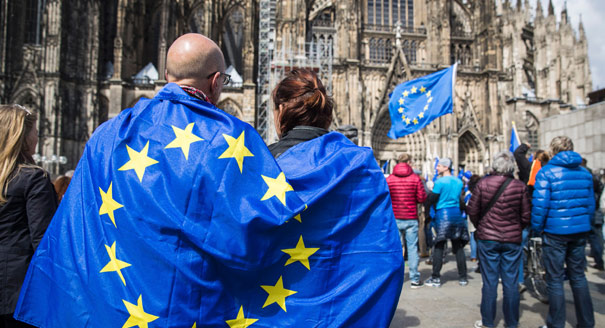
As Europe is taking more responsibility for its own security, the debate on European strategic autonomy has moved to the fore and not without controversy. However, at its heart is a simple reasoning: when needed, Europeans must be able to protect and defend European interests and values and have the capacity to act. We want to be able to cooperate with third countries on our own terms.
The predictions made last year with regard to the growing importance of great power rivalries still ring in our ears.
What is more, our strategic environment grows ever more unpredictable. Today, major powers openly challenge the rules-based international order and seek to promote alternative visions of a world divided into spheres of influence. Geopolitical rivalry stokes tensions and raises the alarm bell of a new “proliferation age” that risks escalating into inadvertent military confrontation. Climate change is becoming an existential threat while cyberattacks and disinformation campaigns are the new weapons of the twenty-first century.
For the European Union, the answer is clear: these challenges can only be tackled through a multilateral approach. Together, we have the tools and the political weight to shape the future global order if we stay united. This is why instead of retreating from international cooperation and global partnerships, the EU is stepping up its commitment to address global challenges together with its partners: this is true for the Paris agreement on climate change, the Joint Comprehensive Plan of Action (JCPOA) on nonproliferation, the 2030 Agenda for Sustainable Development, the EU’s strategy for connectivity between Asia and Europe, and the reform of the WTO.
While these agreements are—in essence—hard to reach, we are convinced they are the best way to ensure a more peaceful, prosperous, and secure world environment. Even more so when it is clear that no single country can address these challenges alone. I am convinced this approach is the right one, and the fact that demand for European action from our partners has never been so high speaks for itself.
At every given opportunity, the need to find common answers to common problems is not only highlighted but translated into action. The EU is therefore investing in broader international cooperation and partnerships, above all with NATO, the UN, and regional organizations such as the African Union and ASEAN. Our trilateral EU-AU-UN cooperation on common challenges such as migration illustrates how multilateral solutions can contribute to greater safety, stability, and prosperity.
For instance, as the UN IPCC Special Report on Global Warming warned us recently, there is an urgent need to act on climate change. This is the logic for the EU‘s tireless efforts to reach a successful outcome at COP 24 in Katowice, Poland. The EU will lead by example by turning its own ambitious commitments for 2030 into concrete action. This was made clear at the high-level event on climate and security hosted by the EU last June.
In the security sector, the EU continues to assert its role as a security provider. Not only is it working internally to intensify joint efforts to effectively fight terrorism, hatred, and violent extremism, the EU is engaged on the ground with sixteen crisis management missions, i.e., nearly 4,000 men and women. From building capacities in Mali, Niger, and the Central African Republic, to supporting security sector reform in Iraq, fighting piracy off the coast of Somalia, and preventing a resurgence of violence in Georgia, the EU continues to strengthen international security in its neighborhood and beyond. This is complemented by continued engagement in more than 40 mediation activities across the world, from Colombia to Yemen and the Philippines, and underpinned by financial assistance as the EU remains the lead donor for development and humanitarian aid.
As Europe is taking more responsibility for its own security, the debate on European strategic autonomy has moved to the fore and not without controversy. However, at its heart is a simple reasoning: when needed, Europeans must be able to protect and defend European interests and values and have the capacity to act. We want to be able to cooperate with third countries on our own terms.
In this respect, we stepped up the development of joint military capabilities through our Permanent Structured Cooperation (PESCO); we will increase joint investments through the European Defense Fund; we are streamlining military command structures (MPCC); and we launched a program to strengthen our civilian crisis management. As such, these initiatives also serve to strengthen NATO’s European pillar and contribution to collective defense.
Greater responsibility also includes beefing up our own resilience and capacity in energy, space, infrastructure, and other critical sectors. We Europeans cannot accept interference and destabilization through hybrid and cyber-attacks, hence our ongoing focus on reinforcing cybersecurity capacities, improving the protection of data, and containing disinformation through the recently adopted Action Plan on Disinformation.
We also need to be extra vigilant to preserve achievements on nonproliferation, such as the INF treaty and the nuclear deal with Iran, as the stakes for our own security are simply too high. The starting point cannot be to dismantle the current architecture and start from scratch. We Europeans are working at all levels to promote the universalization and implementation of existing agreements, such as the Nuclear-Non Proliferation Treaty and the Hague Code of Conduct against Ballistic Missile Proliferation. We are also pushing for the Comprehensive Test Ban Treaty to come into force, which could play an important role as we work toward a complete, verifiable, and irreversible denuclearization of the DPRK.
Taking greater responsibility does not stop at defense issues. Security today is also about economic security. This notion includes the strategic importance of the euro and the need to ensure that the single currency can play its full role on the international scene. Promoting the euro’s international role is part of Europe’s commitment to an open, multilateral, and rules-based global economy. The extraterritorial effects of sanctions also challenge the EU’s capacity to follow through on our own political commitments. In this context, we are developing mechanisms that will assist, protect, and reassure economic actors to pursue legitimate business abroad.
As Europeans, we cannot afford to waste time or to be less innovative than others. We need to modernize our approaches and engage more actively with new actors at the intersection of technology and foreign and security policy. This is why the High Representative launched the Global Tech panel with the CEOs of major tech companies in order to help ensure that international ethics and rules can keep pace with human ingenuity. To harness these opportunities, we also must take the security implications seriously, hence the recent European Commission Communication on Artificial Intelligence.
All in all, supporting rules-based multilateralism and greater European strategic autonomy are not contradictory objectives. If we strengthen our resilience in the face of new risks, the EU will play its part in reinvigorating the multilateral order and be reckoned as an assertive actor in a volatile world.
This article originally appeared in the newspaper the Security Times.
Helga Maria Schmid
Carnegie does not take institutional positions on public policy issues; the views represented herein are those of the author(s) and do not necessarily reflect the views of Carnegie, its staff, or its trustees.
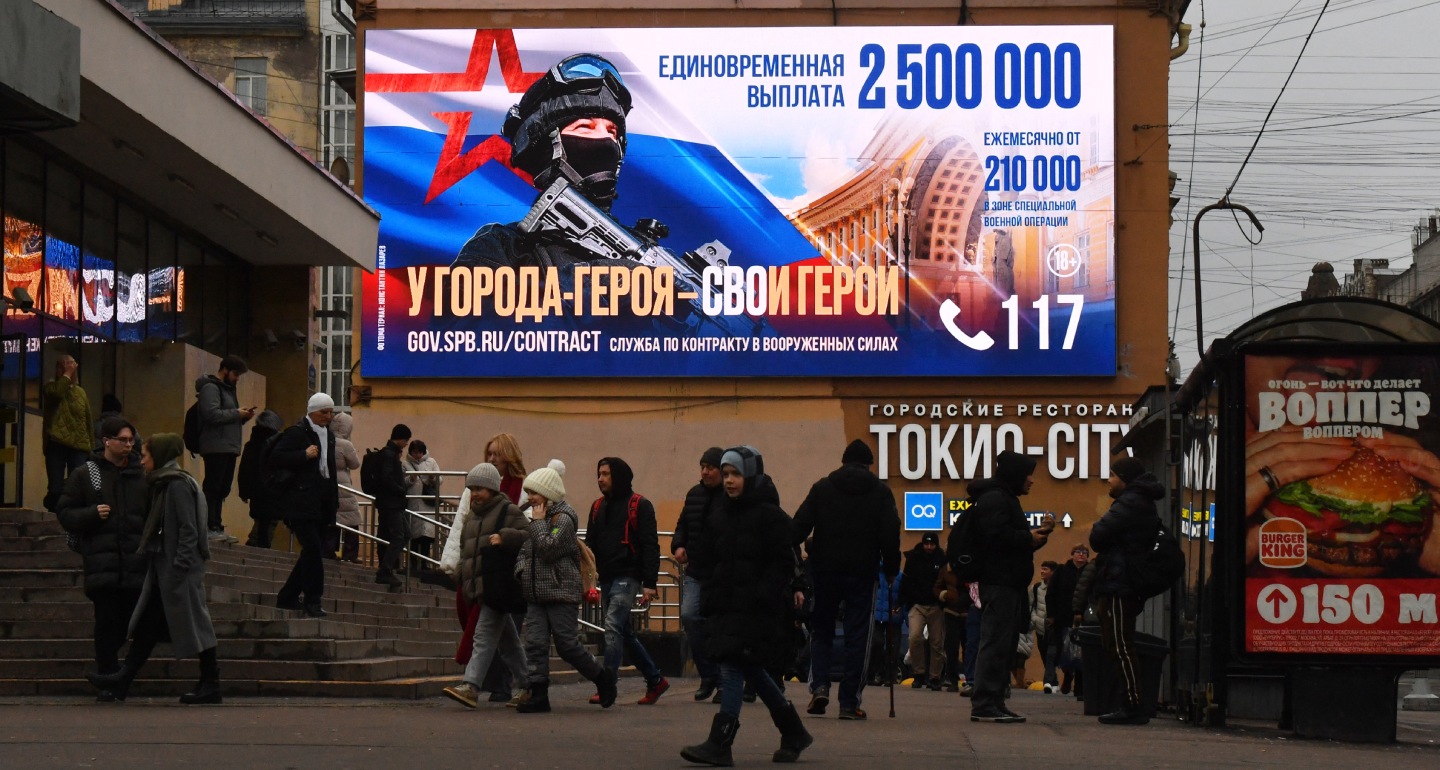
The Russian army is not currently struggling to recruit new contract soldiers, though the number of people willing to go to war for money is dwindling.

Dmitry Kuznets
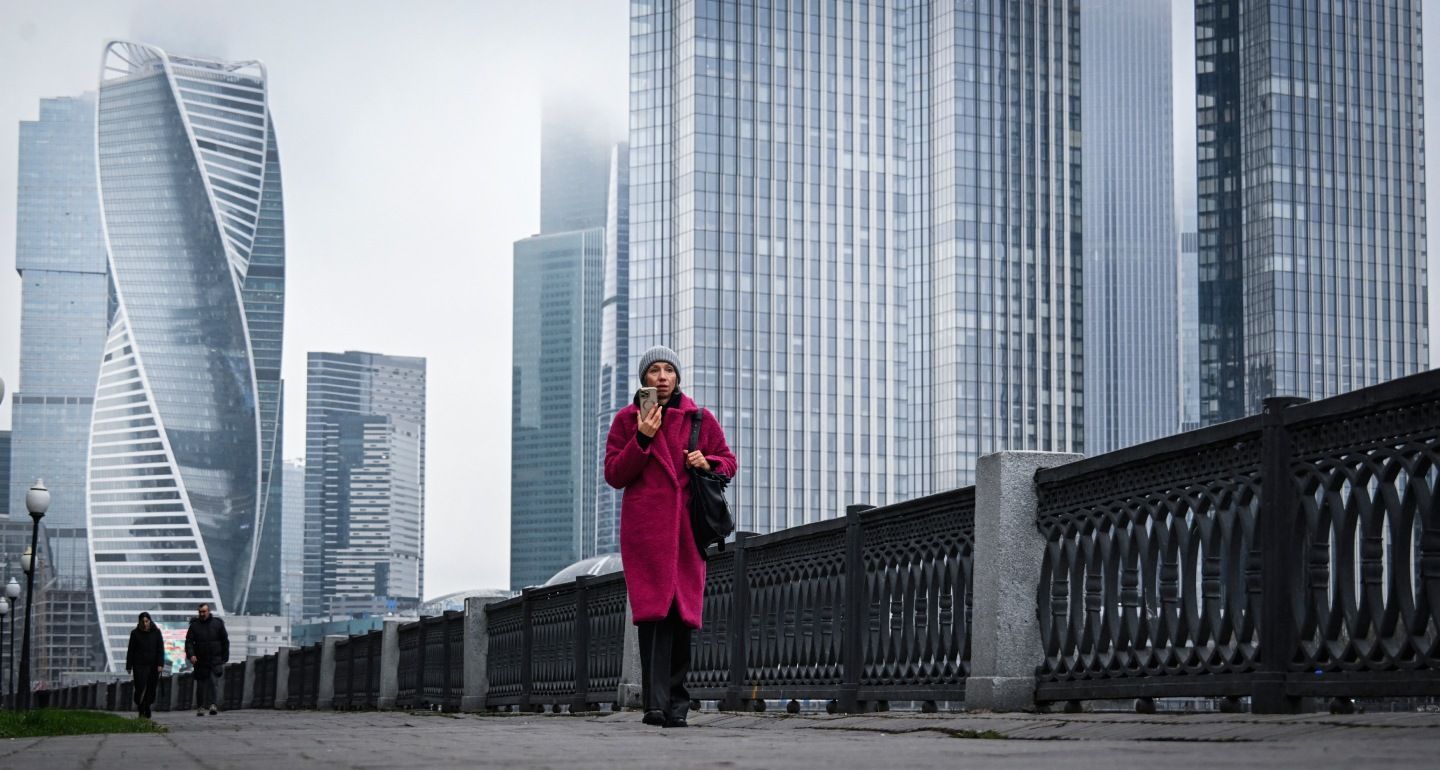
The paradox of the European Commission’s decision is that the main victims will not be those it formally targets. Major Russian businesses associated with the Putin regime have long adapted to sanctions with the help of complex schemes involving third countries, offshore companies, and nonpublic entities.
Alexandra Prokopenko
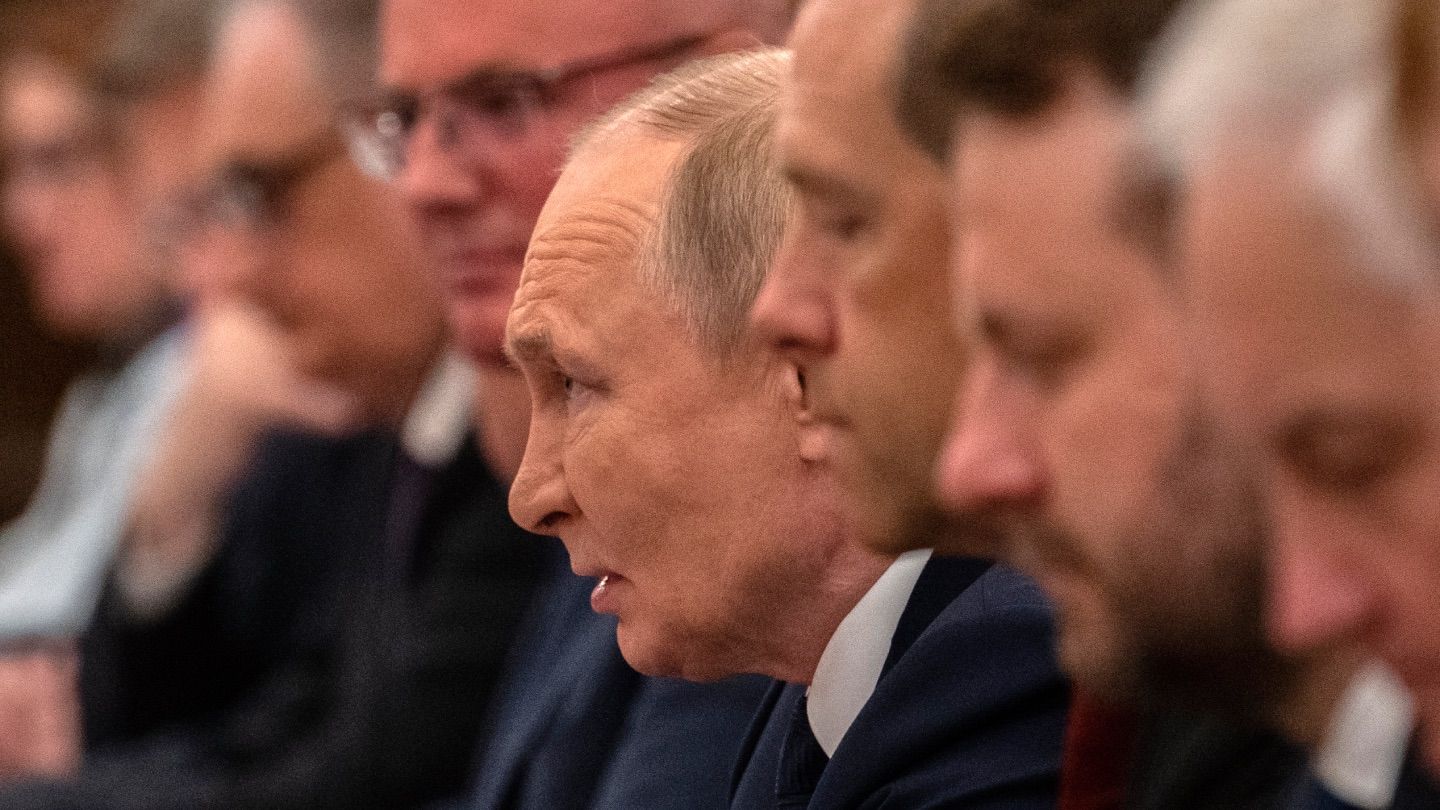
A new book by Alexandra Prokopenko looks at why the Russian ruling class became the regime’s willing servants—and how they might fare in a post-Putin world.
Vladislav Gorin
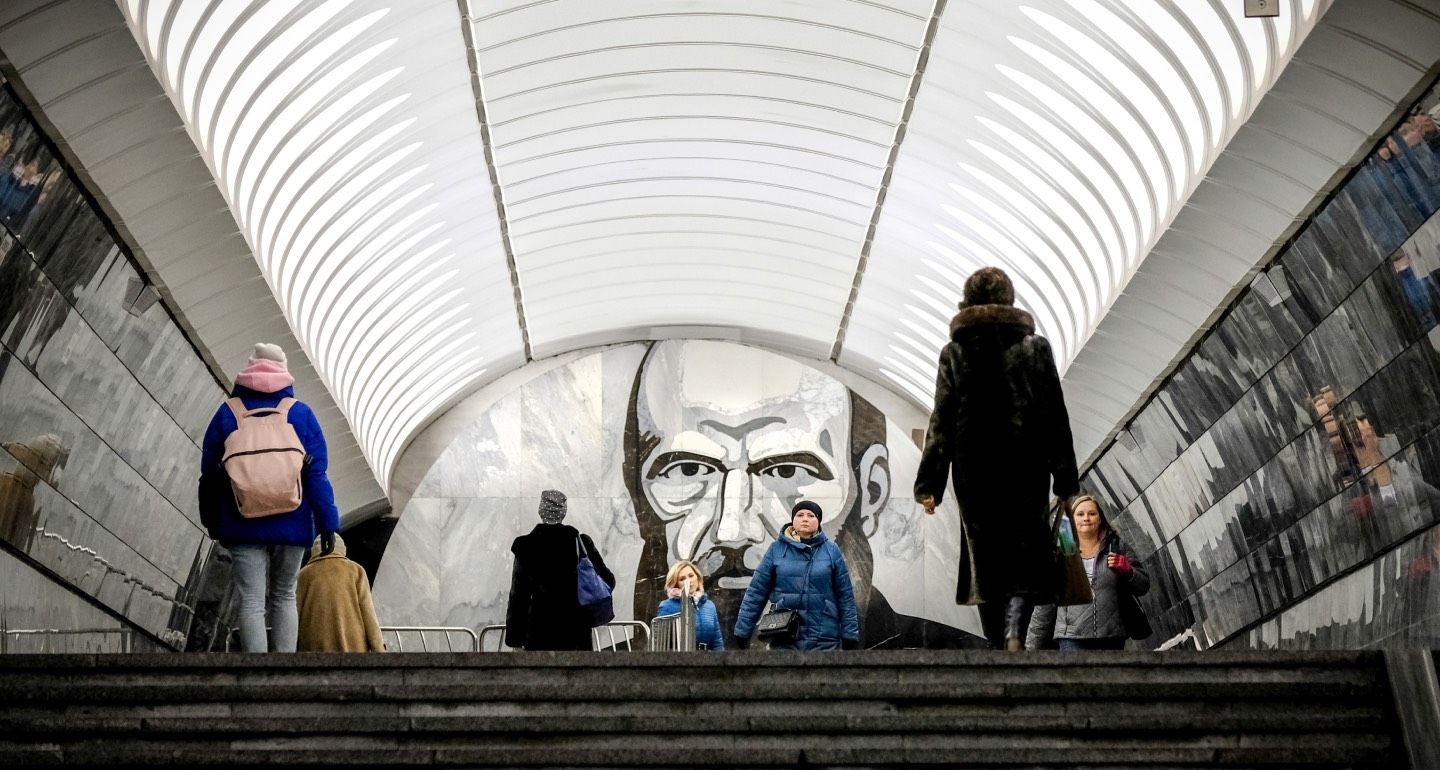
The volume of frozen private assets might seem insignificant compared with Russia’s sovereign reserves, but these are the savings of millions of people who believed that foreign securities were a safe investment and in the institution of private property.
Yulia Starostina
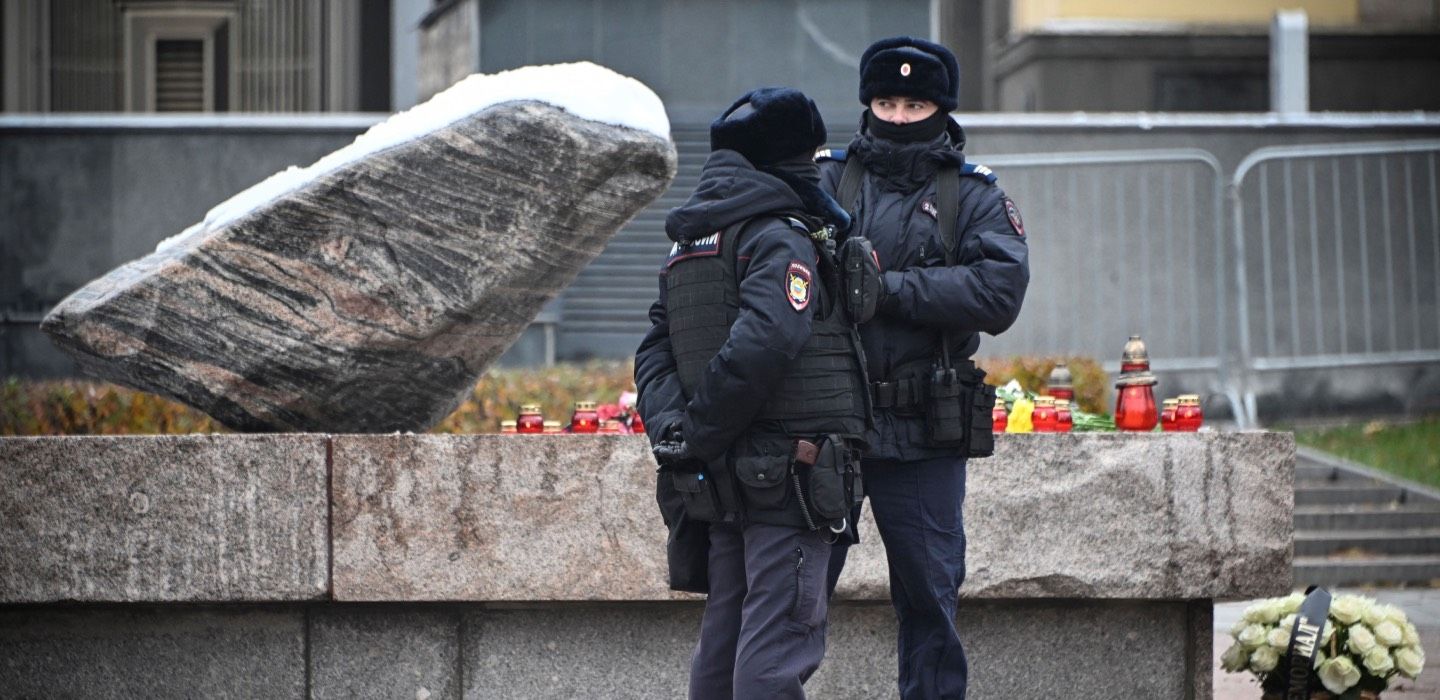
International compliance and anti-money laundering standards are currently formulated in such a way that the Western financial system does not differentiate between Russian political prisoners and ISIS militants.
Alexandra Prokopenko