

Commentary
- +5
Zaha Hassan, Sarah Yerkes, Yasmine Farouk, …
{
  "authors": [
    "Federiga Bindi"
  ],
  "type": "legacyinthemedia",
  "centerAffiliationAll": "dc",
  "centers": [
    "Carnegie Endowment for International Peace"
  ],
  "collections": [],
  "englishNewsletterAll": "ctw",
  "nonEnglishNewsletterAll": "",
  "primaryCenter": "Carnegie Endowment for International Peace",
  "programAffiliation": "EP",
  "programs": [
    "Europe"
  ],
  "projects": [],
  "regions": [
    "Western Europe",
    "Iran"
  ],
  "topics": [
    "Political Reform"
  ]
}
Source: Getty
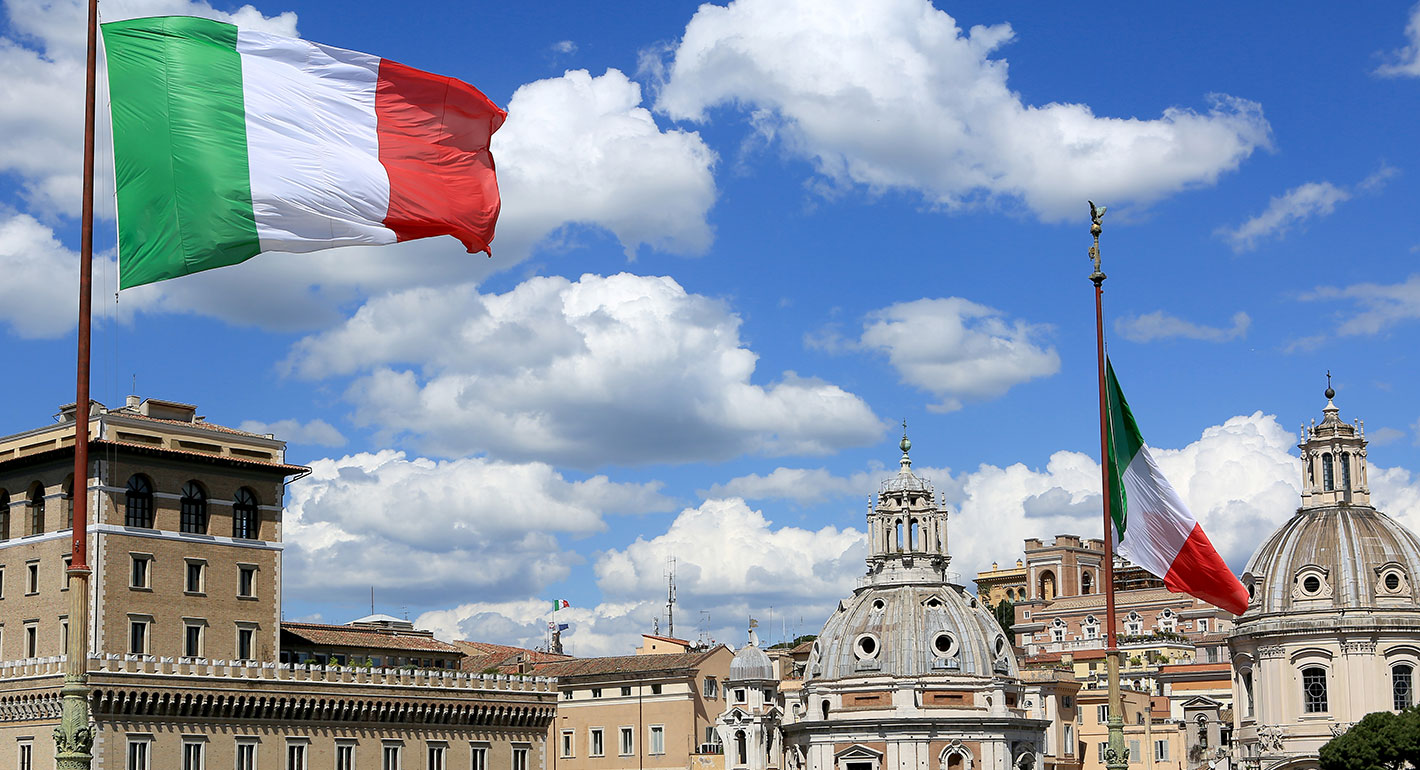
Italy has historically been a divided country, with factions hating and killing each other, allying, and then fighting again. This time is no different, only that the killing has been replaced by offenses on social media.
Source: E-Sharp!
Italy has historically been a divided country, with factions hating and killing each other, allying, and then fighting again. This time is no different, only that the killing has been replaced by offences on social media.
A bit of a recap to begin with. The March 2018 elections gave no winner. The President of the Republic, Sergio Mattarella - who has the task of appointing the Prime Minister - opted for bringing the populist parties together - Matteo Salvini’s Lega and Luigi di Maio’s Five Stars Movement (5SM) – in the probable assumption they would fail. Contrary to all expectations, however, the two came up with a government coalition.
But the two parties were too different for it to last long. The 5 Stars Movement is a protest-party – created by comic actor Beppe Grillo, famously by organizing “F*** Off days”. Its members are mostly on the left of the political spectrum. Lega, on the contrary, is the party of the (mostly right-wing) small and medium entrepreneurs of the North. From tunnels and highways, to labour legislation or immigration, 5SM and Lega stand on opposite sides.
At the European elections, Lega showed an exponential growth, reaching 34.4%, while 5SM regressed to 17%. Salvini used the excuse to ask for more influence in the government, and for the right to name the European Commissioner.
However, the electoral growth brought the party as much trouble as advantages. In many ways, Lega is the last remaining traditional party in Italy. Members are required to gain experience and rise through the ranks. The exponential growth in areas where Lega barely existed before – like the South – had meant that lots of “transformers” (i.e. people used to jumping on the ship of the winner of the moment) had joined the party, at times in position of responsibility. The traditional base of the North was not happy. Like in all parties, there are divisions and some – like the former mayor of Verona Flavio Tosi – were exploiting the opportunity to attack Salvini. Also, the experience of the last decades shows that sudden expansions to the South are the beginning of the end. Only the former Christian Democrats, during the Cold War, had been able to endure a long political domination in the South. In other words, Salvini had to either gain full control of the government - and finally start delivering to its traditional base – or exit the government.
Assuming the new PD-5SM government takes off – in both parties, people are desperate at the idea of snap elections, as many will never be re-elected – it is a government destined to have a troubled life. To begin with, they need to find at least 3 extra supporters to survive the vote of confidence in the Senate. At any time, these people will be able to pull the plug – as Romano Prodi well knows.
Being in government together will further consume them. The Democratic Party is the result of the cold merger of post-Communist and post-Christian Democrats parties. As such, it is deeply divided, and most of the moderates are very unhappy about the coalition. At the leadership level, the former Prime Minister Matteo Renzi, with a spectacular U-turn, (after the 2018 elections he vetoed any idea of alliance with the 5SM) put the Secretary General Nicola Zingaretti in a corner, forcing him to negotiate with 5SM. Renzi still controls most of the members of Parliament and fears an election that would change the situation. Until literally a few days ago, 5SM members spent their time insulting on social media what they considered their worst enemy: the Democratic Party. They, too, are divided among moderates (the Senate’s President Roberto Fico, or the leader and outgoing Deputy Prime Minister Luigi Di Maio), and the followers of Alessandro Di Battista, also known as “Rome North’s Che Guevara”.
PD and 5SM also have opposite views on most policies. Take immigration: should the new government call for an opening of the ports to the NGOs ships, it will alienate the moderates. Should they not do it, it will be the left who will be unhappy. The list is long: from subsidies to unemployment, to the fate of Alitalia or the industries in Gioa Tauro, not to mention the new bridge in Genoa or the TAV (fast train) between Italy and France, the issues of content will be endless. Not to mention, of course, the forthcoming financial bill: the one thing Salvini absolutely did not want to negotiate.
Lega will meanwhile bear the fruits of opposition. As Giancarlo Giorgetti – one of the most influential and respected Lega’s leaders – put it: “Lega’s natural position is in the opposition”. With Berlusconi growing old, it is only matter of time that its electorate will turn to them, especially since - being in opposition – they will be able to play good cop (Giorgetti) and bad cop (Salvini), without having the burden of delivering nationally. In other words, if the goal of this government is to avoid Lega in government, in the mid-term the result is going to be exactly the contrary.
Former Nonresident Scholar, Europe Program
Federiga Bindi was a nonresident scholar in the Europe Program at the Carnegie Endowment for International Peace working on European politics, EU foreign policy, and transatlantic relations.
Recent Work


Zaha Hassan, Sarah Yerkes, Yasmine Farouk, …
Federiga Bindi
Carnegie does not take institutional positions on public policy issues; the views represented herein are those of the author(s) and do not necessarily reflect the views of Carnegie, its staff, or its trustees.
The ruling elites in contemporary Russia are not a political class, but a community of managers who are not subject to competition or public accountability. The state is becoming an operating apparatus without any internal autonomy.

Alexandra Prokopenko

Pashinyan’s pro-European party has been re-elected with a decisive victory. But the pro-Russian opposition could still slow Armenia’s progress toward peace with Azerbaijan and rapprochement with Europe.
Mikayel Zolyan
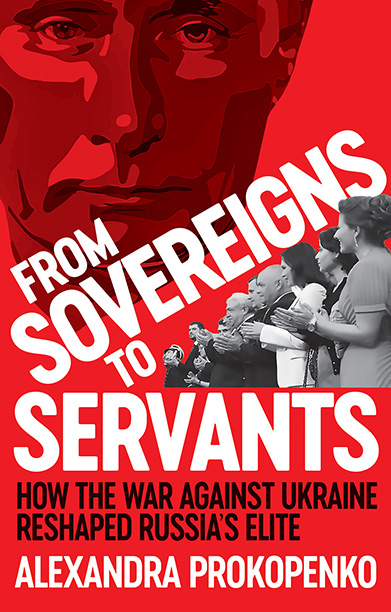
How did Putin co-opt Russia’s political and economic elites, ensuring no more than fitful resistance to the regime’s war on Ukraine?
Alexandra Prokopenko
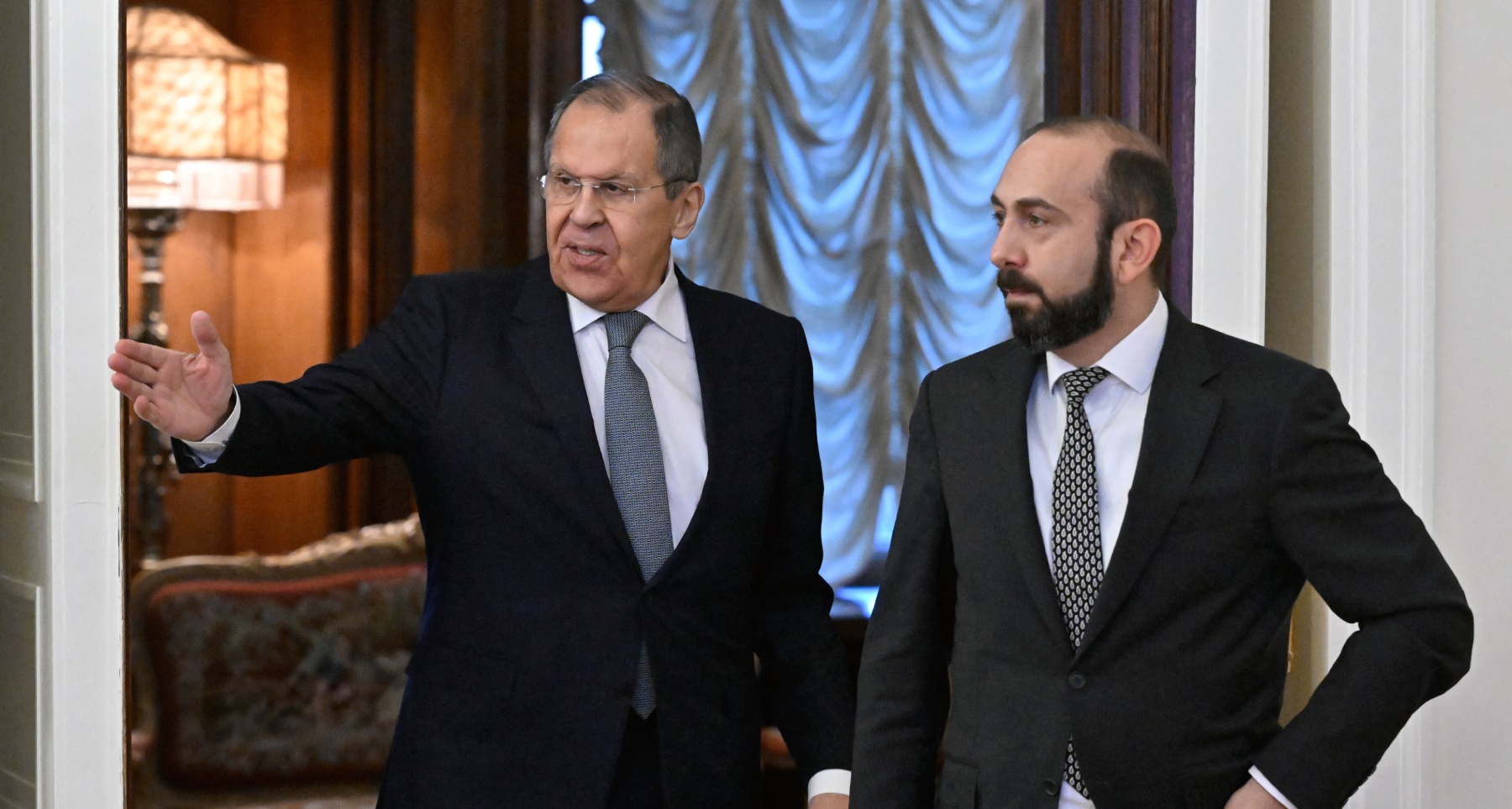
For all the menacing rhetoric, the Armenian prime minister remains a leader with whom Putin is prepared to interact: not as an ally, but as a partner, albeit a problematic one.

Alexander Atasuntsev

By fueling the arguments of both supporters and opponents of Armenian Prime Minister Nikol Pashinyan, Azerbaijan wants to ensure he is re-elected with a weaker mandate.

Bashir Kitachaev