

Research
- +11
Frances Z. Brown, Nate Reynolds, Priyal Singh, …
{
  "authors": [
    "Frances Z. Brown"
  ],
  "type": "legacyinthemedia",
  "centerAffiliationAll": "dc",
  "centers": [
    "Carnegie Endowment for International Peace",
    "Malcolm H. Kerr Carnegie Middle East Center"
  ],
  "collections": [],
  "englishNewsletterAll": "democracy",
  "nonEnglishNewsletterAll": "",
  "primaryCenter": "Carnegie Endowment for International Peace",
  "programAffiliation": "DCG",
  "programs": [
    "Democracy, Conflict, and Governance"
  ],
  "projects": [],
  "regions": [
    "North America",
    "United States",
    "Middle East",
    "Syria",
    "Levant"
  ],
  "topics": [
    "Security",
    "Foreign Policy",
    "Political Reform"
  ]
}
Source: Getty
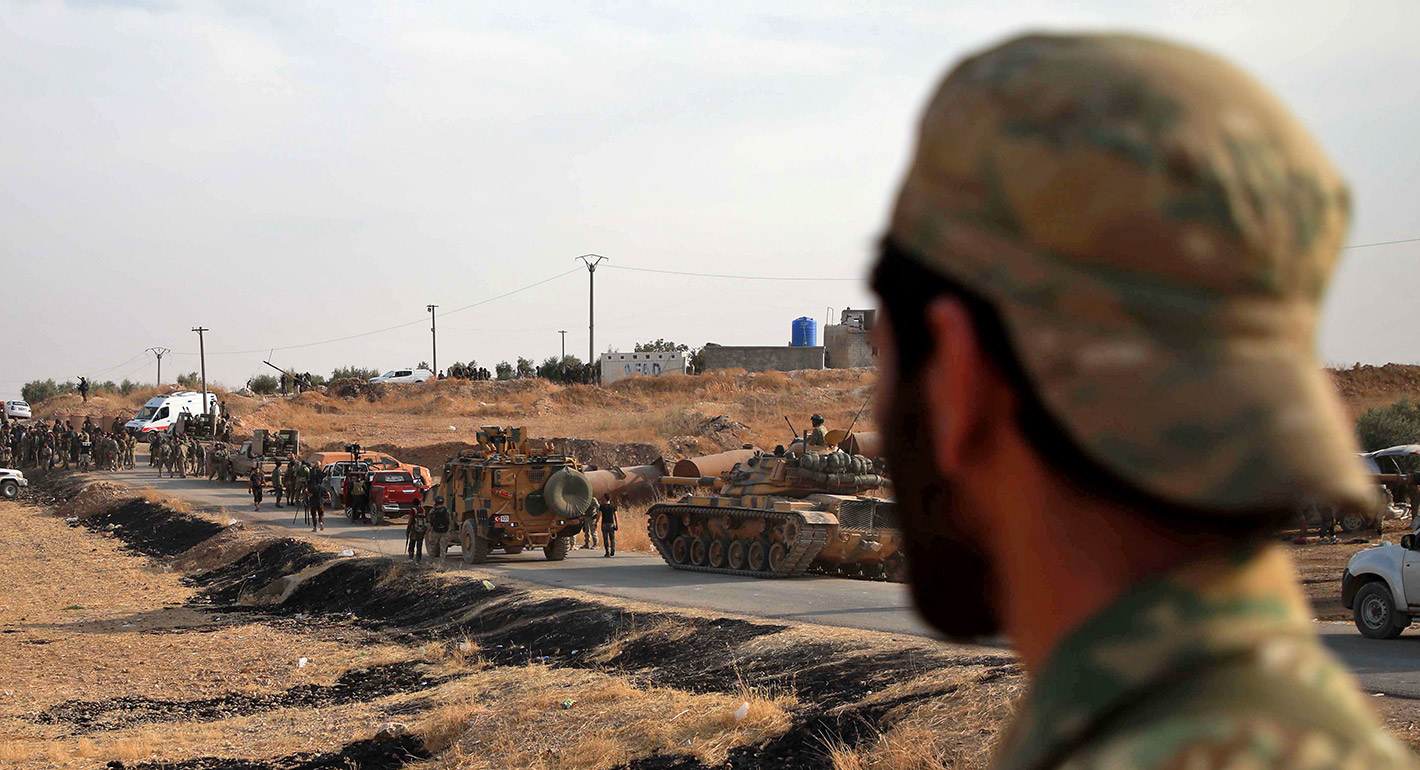
The Trump administration’s Syria policy resembled a Rorschach inkblot—an ambiguous shape to which observers could ascribe their own preferred meaning.
Source: Foreign Affairs
Throughout U.S. President Donald Trump’s nearly three years in office, analysts have lamented the muddle of his foreign policy, from its seeming lack of a grand strategy to its abrupt changes of course in countries as disparate as Afghanistan, China, Iran, and North Korea.
When it came to Syria, however, these criticisms of Trump’s erratic foreign policy missed a central truth: until very recently, that ambiguity was useful. Intentional or not, lack of a coherent policy allowed the president to claim he was taking the fight to the Islamic State (ISIS) one day while promising to withdraw the United States from perpetual wars the next. It also allowed Trump’s national security team to carry on much as the previous president’s team did, prosecuting a campaign against ISIS in partnership with local forces and a multinational coalition. In truth, the administration’s Syria policy resembled a Rorschach inkblot—an ambiguous shape to which observers could ascribe their own preferred meaning.
But last month, the limitations of this approach were laid bare. On a phone call on October 6, Trump told Turkish President Recep Tayyip Erdogan that he would remove U.S. troops along the Turkey-Syria border, according to an immediate readout from the White House. It was a startling reversal of U.S. policy, and in the days after the call senior staffers scrambled to walk it back. But by then it was already too late: Erdogan had taken Trump at his word and rolled troops across the border, gobbling up territory that had previously been watched over by U.S. forces and their Kurdish partners and threatening to erase five years of progress against ISIS. Unfriendly actors, it turned out, could capitalize on the White House’s mixed messages as well....

Vice President for Studies
Dr. Frances Z. Brown is a vice president for studies at the Carnegie Endowment for International Peace. Brown served on the White House National Security Council (NSC) staff over the past three presidential administrations. Her research focuses on U.S. foreign policy, Africa, the Middle East, and governance.
Recent Work
Frances Z. Brown, Nate Reynolds, Priyal Singh, …
Saskia Brechenmacher, Frances Z. Brown
Carnegie does not take institutional positions on public policy issues; the views represented herein are those of the author(s) and do not necessarily reflect the views of Carnegie, its staff, or its trustees.

In the tenth year of his presidency, President Mirziyoyev’s system is becoming even more personalized than that of his predecessor Karimov.

Galiya Ibragimova

With the growth in points of friction between the great powers, organizations like the SCO will continue to play a role in the strategic adaptation of the smaller powers caught between them.

Temur Umarov

The greater threat to Zelensky comes not from Fedorov alone, but from the convergence between the former defense minister’s political campaign and the anti-corruption investigations moving ever closer to the presidential administration.

Balázs Jarábik
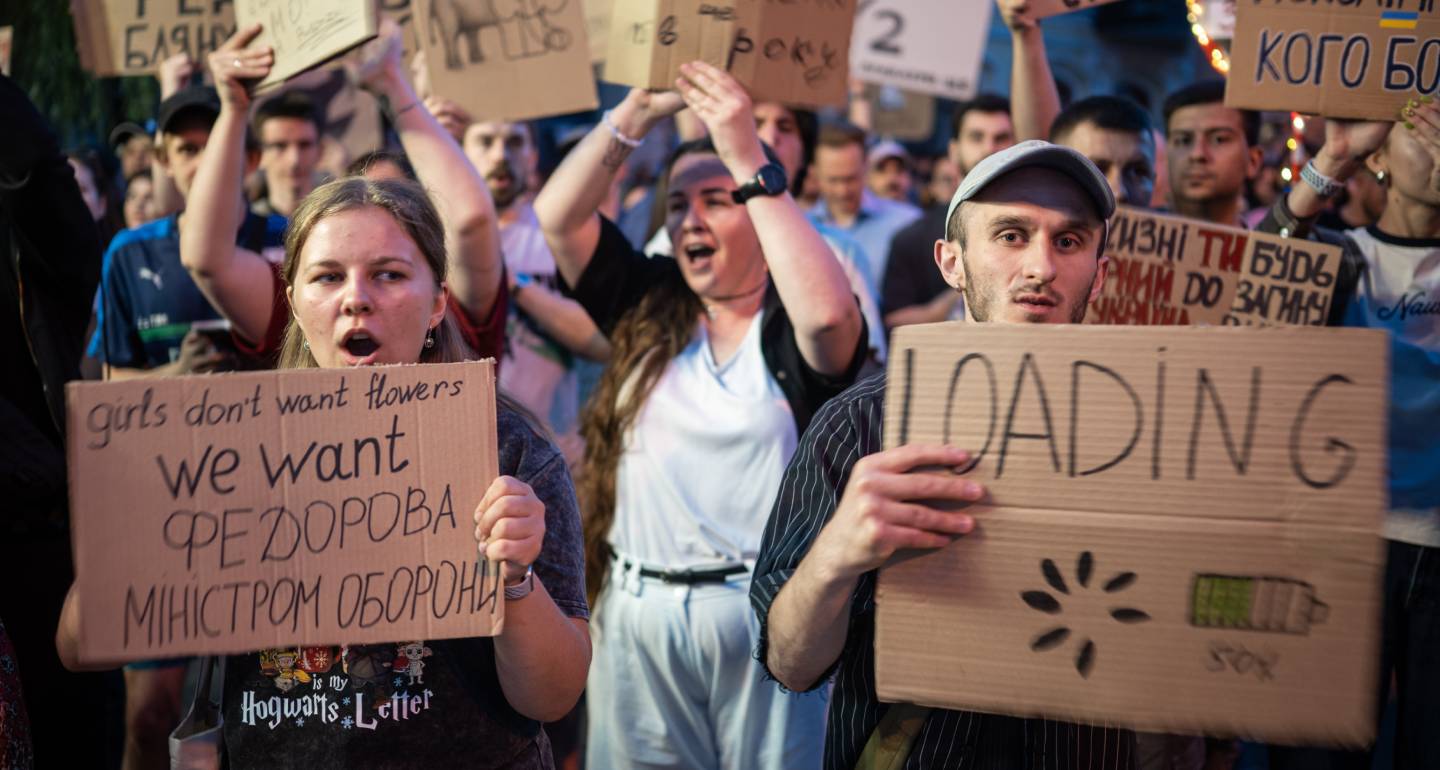
With his public call for new elections in Ukraine, ex-defense minister Mykhailo Fedorov has opened Pandora’s box.

Konstantin Skorkin

In the discussions made possible by the State Duma election campaign, one question is being asked more and more loudly. “What next?”

Andrey Pertsev