

Commentary
Peter Kellner
{
  "authors": [
    "Peter Kellner"
  ],
  "type": "legacyinthemedia",
  "centerAffiliationAll": "dc",
  "centers": [
    "Carnegie Endowment for International Peace",
    "Carnegie Europe"
  ],
  "collections": [
    "EU Integration and Enlargement",
    "Brexit and UK Politics"
  ],
  "englishNewsletterAll": "ctw",
  "nonEnglishNewsletterAll": "",
  "primaryCenter": "Carnegie Europe",
  "programAffiliation": "EP",
  "programs": [
    "Europe"
  ],
  "projects": [],
  "regions": [
    "Europe",
    "Western Europe",
    "United Kingdom",
    "Iran"
  ],
  "topics": [
    "EU",
    "Political Reform"
  ]
}
Source: Getty
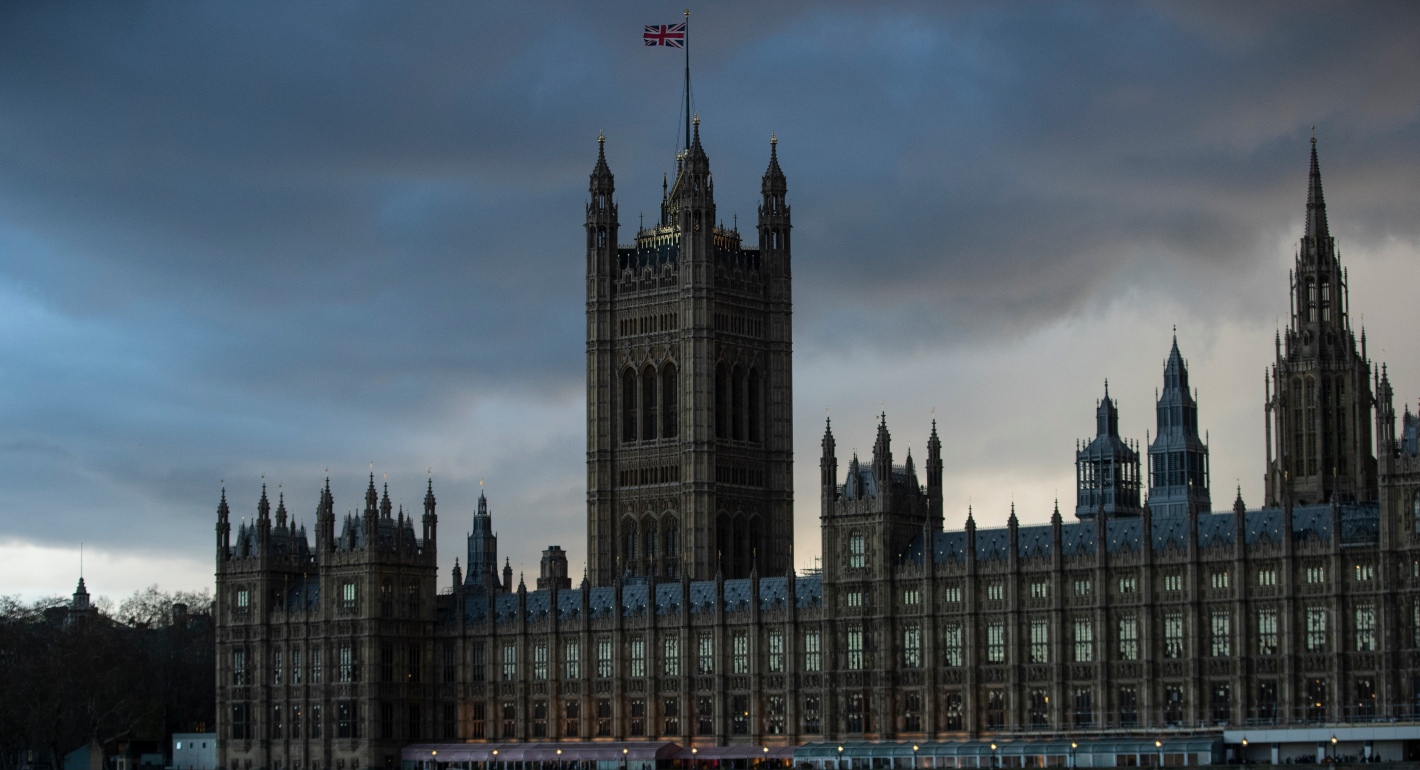
The Conservatives won the UK election convincingly. But beyond the bleeding obvious, there are five takeaways from the December 12 election.
Source: Prospect Magazine
Here are five takeaways, beyond the bleeding obvious, from last week’s election.
It’s worth noting where the Tories made little headway, not just where they made lots. The great majority of their gains were in small and medium-sized towns. Britain has 18 cities outside London with three or more constituencies. In total, they elect 73 MPs. In the new parliament, 53 will be Labour, 11 SNP, eight Conservative and one Liberal Democrat. There will still be no Tory MPs from Bradford, Bristol, Cardiff, Coventry, Edinburgh, Glasgow, Hull, Leeds, Leicester, Liverpool, Manchester, Newcastle, Nottingham or Sheffield.
Nor did the Tories advance in London. They gained two seats and lost two, and still have just 21 of the capital’s 73 MPs. When the Conservatives last won a big national victory in 1987, they had more than two-thirds of London’s MPs.
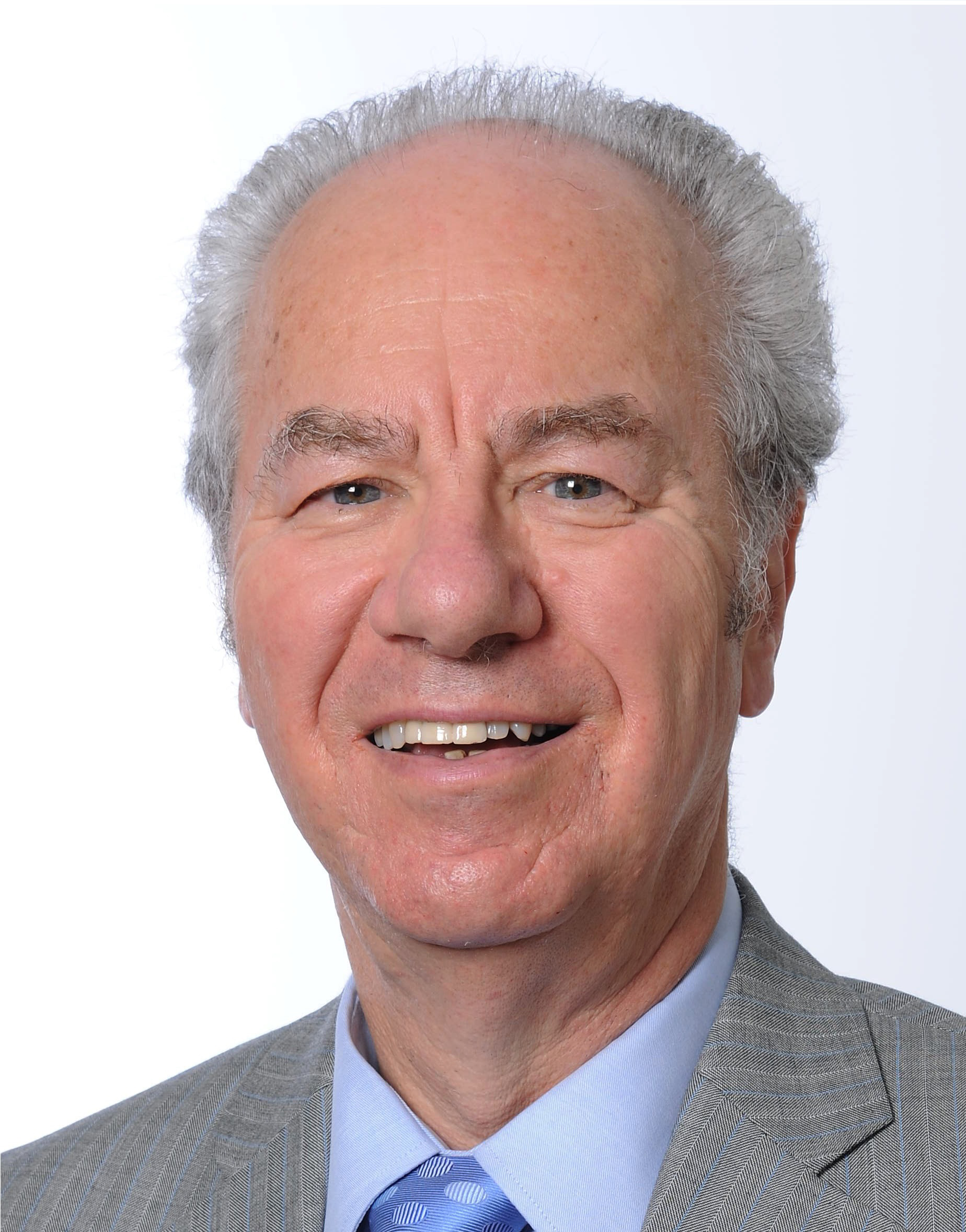
Former Nonresident Scholar, Carnegie Europe
Kellner was a nonresident scholar at Carnegie Europe, where his research focused on Brexit, populism, and electoral democracy.
Recent Work
Peter Kellner
Peter Kellner
Carnegie does not take institutional positions on public policy issues; the views represented herein are those of the author(s) and do not necessarily reflect the views of Carnegie, its staff, or its trustees.

Ongoing uncertainty in the Middle East allows Moscow to both increase its influence in Tehran and continue to enjoy the financial windfall of higher oil prices.

Nikita Smagin
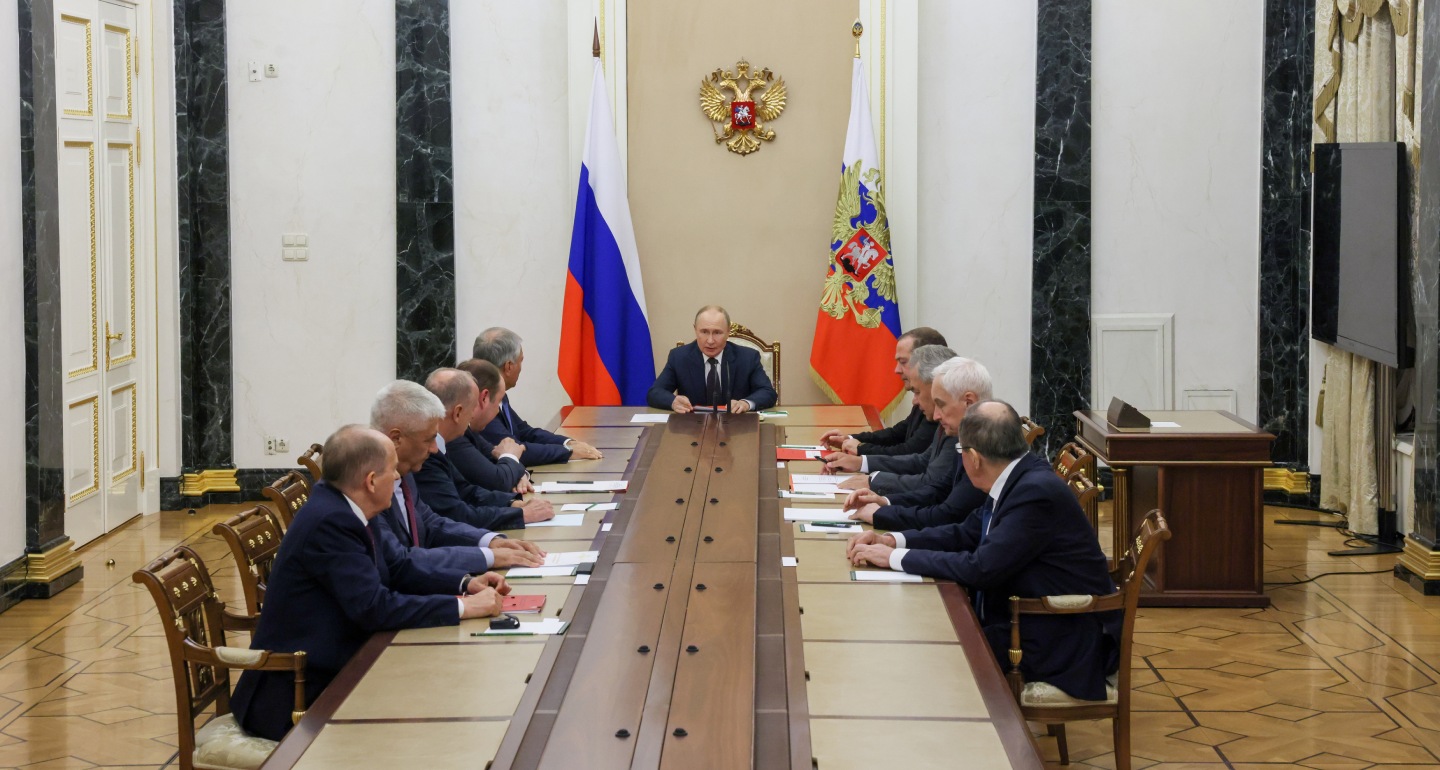
The ruling elites in contemporary Russia are not a political class, but a community of managers who are not subject to competition or public accountability. The state is becoming an operating apparatus without any internal autonomy.

Alexandra Prokopenko

Pashinyan’s pro-European party has been re-elected with a decisive victory. But the pro-Russian opposition could still slow Armenia’s progress toward peace with Azerbaijan and rapprochement with Europe.
Mikayel Zolyan
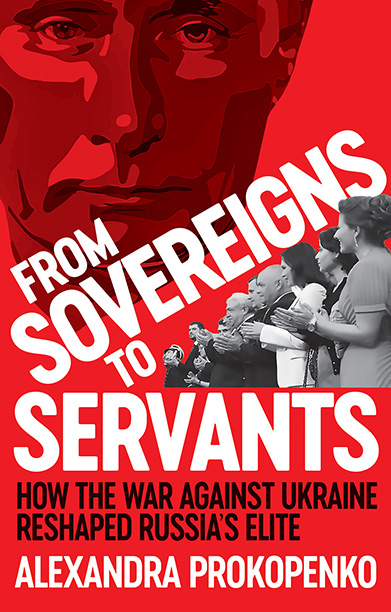
How did Putin co-opt Russia’s political and economic elites, ensuring no more than fitful resistance to the regime’s war on Ukraine?
Alexandra Prokopenko
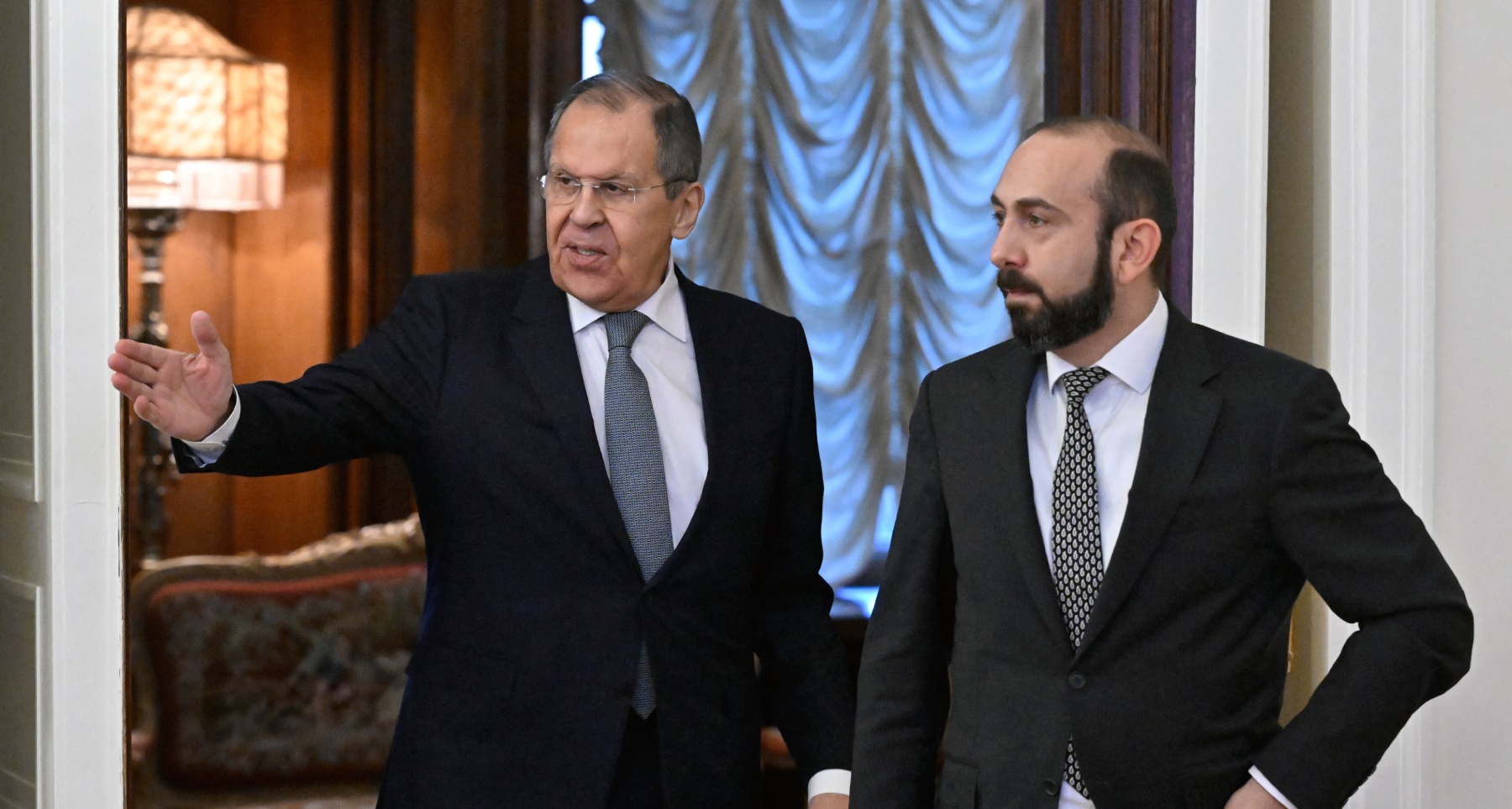
For all the menacing rhetoric, the Armenian prime minister remains a leader with whom Putin is prepared to interact: not as an ally, but as a partner, albeit a problematic one.

Alexander Atasuntsev