

Research
- +11
Frances Z. Brown, Nate Reynolds, Priyal Singh, …
{
  "authors": [
    "Frederic Wehrey"
  ],
  "type": "legacyinthemedia",
  "centerAffiliationAll": "dc",
  "centers": [
    "Carnegie Endowment for International Peace"
  ],
  "collections": [],
  "englishNewsletterAll": "menaTransitions",
  "nonEnglishNewsletterAll": "",
  "primaryCenter": "Carnegie Endowment for International Peace",
  "programAffiliation": "MEP",
  "programs": [
    "Middle East"
  ],
  "projects": [],
  "regions": [
    "North America",
    "United States",
    "Middle East",
    "North Africa"
  ],
  "topics": [
    "Foreign Policy"
  ]
}
Source: Getty
As president, Joe Biden will have to grapple with the aftermath of Emirati adventurism and the habits of other authoritarian Arab allies that have been lavished with American military support, not just under Trump but under previous administrations, as well.
Source: Politico
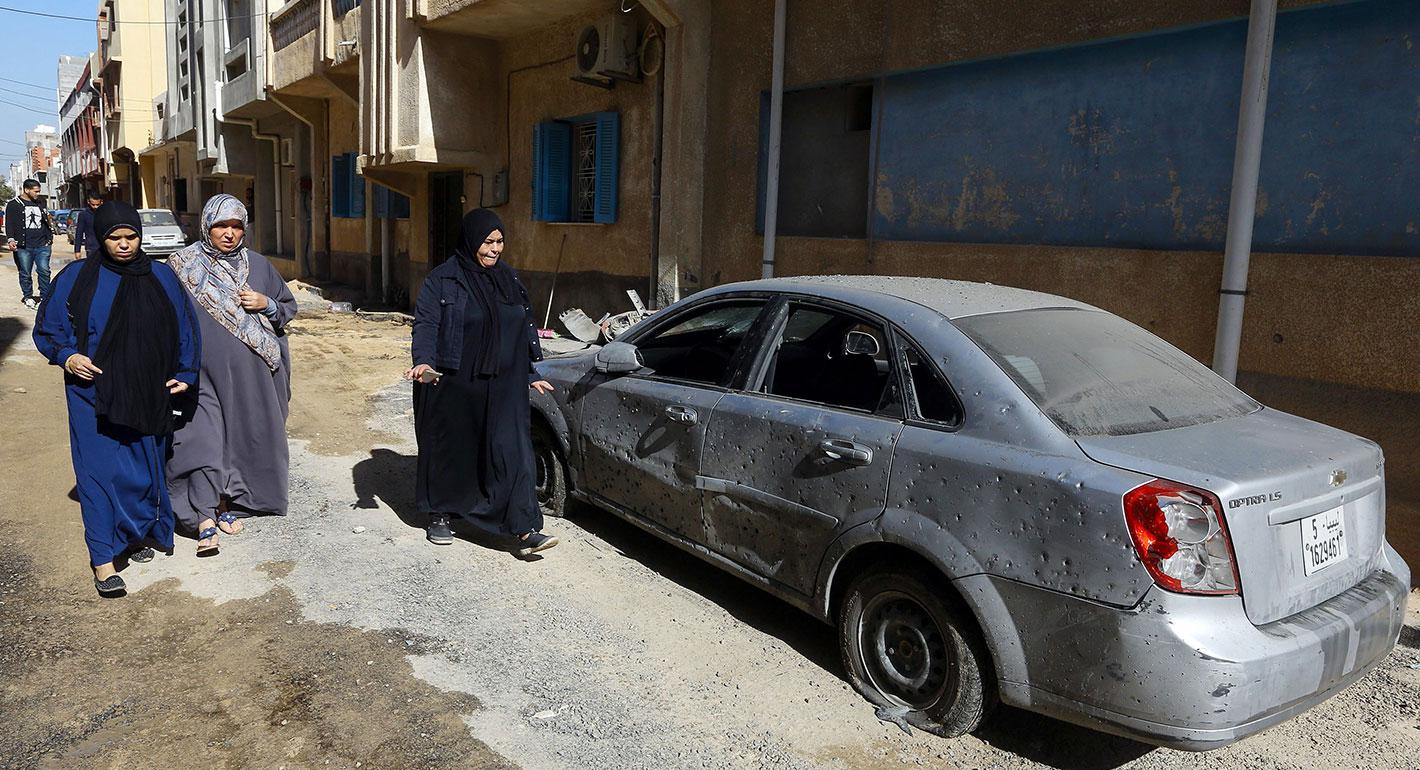
One evening last November, while reporting on the front lines outside the Libyan capital of Tripoli, I got caught in an Emirati drone bombardment aimed at Libyan pro-government fighters. Alerted by the whirr of the craft overhead, the fighters whisked me inside a concrete villa, and we watched the streaks of the airstrikes from inside. A few days later, a group of foreign and Libyan workers at a biscuit factory east of Tripoli got no such warning. Around midmorning, an Emirati drone fired the first of five missiles through the roof of a storage hangar, destroying some supplies but sparing lives. The panicked workers fled north to an alfalfa field. The missiles followed them.
I arrived on the scene a few hours later to find the smoldering wreckage and impact craters in the field. The corpses had been removed, but the site was strewn with bits of skull and flesh, tufts of hair, and an orphaned sandal. In total, eight civilians died in the bombing, and more than two dozen were wounded.

Senior Fellow, Middle East Program
Frederic Wehrey is a senior fellow in the Middle East Program at the Carnegie Endowment for International Peace, where his research focuses on governance, conflict, and security in Libya, North Africa, and the Persian Gulf.
Recent Work

Frances Z. Brown, Nate Reynolds, Priyal Singh, …
Charles H. Johnson, Frederic Wehrey
Carnegie does not take institutional positions on public policy issues; the views represented herein are those of the author(s) and do not necessarily reflect the views of Carnegie, its staff, or its trustees.
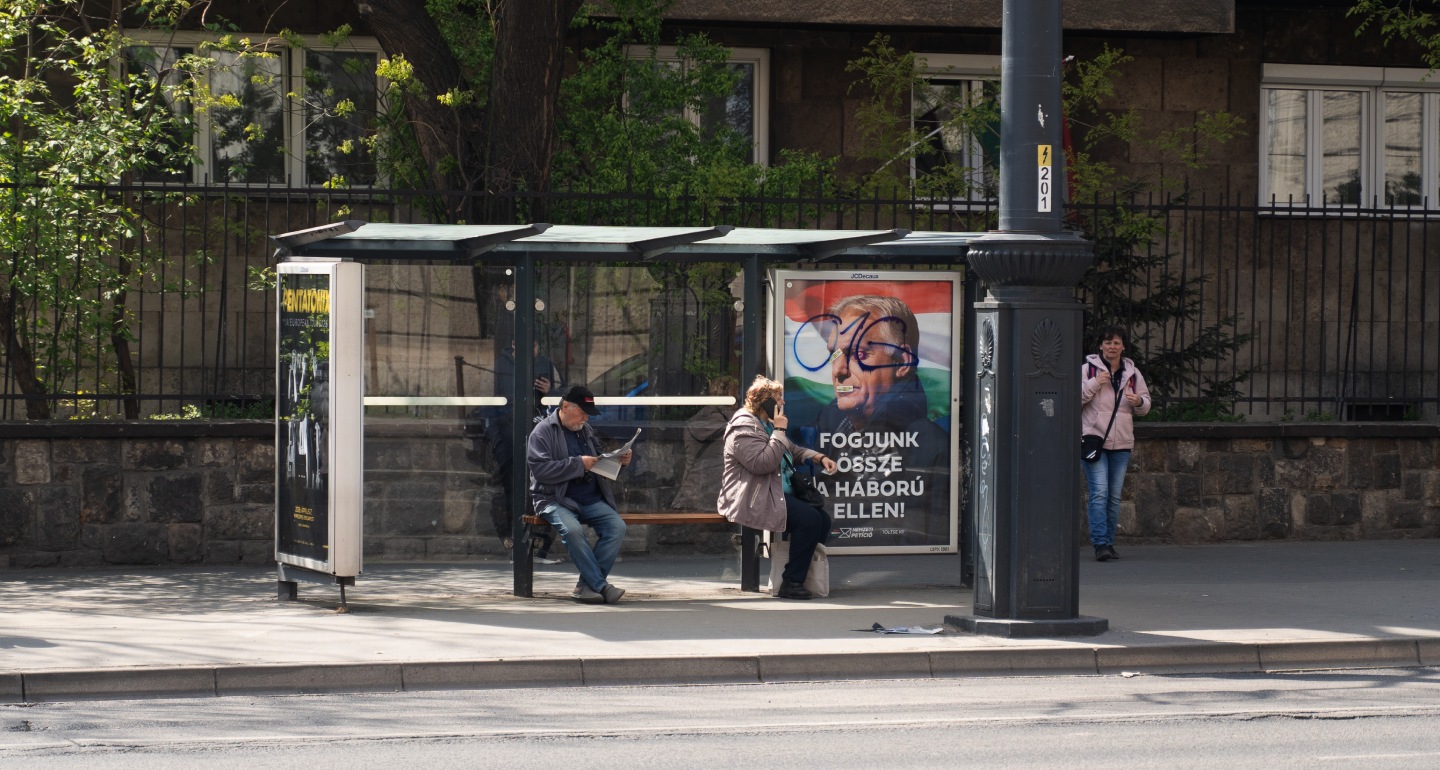
Orbán created an image for himself as virtually the only opponent of aid to Ukraine in the entire EU. But in reality, he was simply willing to use his veto to absorb all the backlash, allowing other opponents to remain in the shadows.
Maksim Samorukov

Central Asia’s digital ambitions are achievable, but only if policy is aligned with the region’s physical constraints.

Aruzhan Meirkhanova
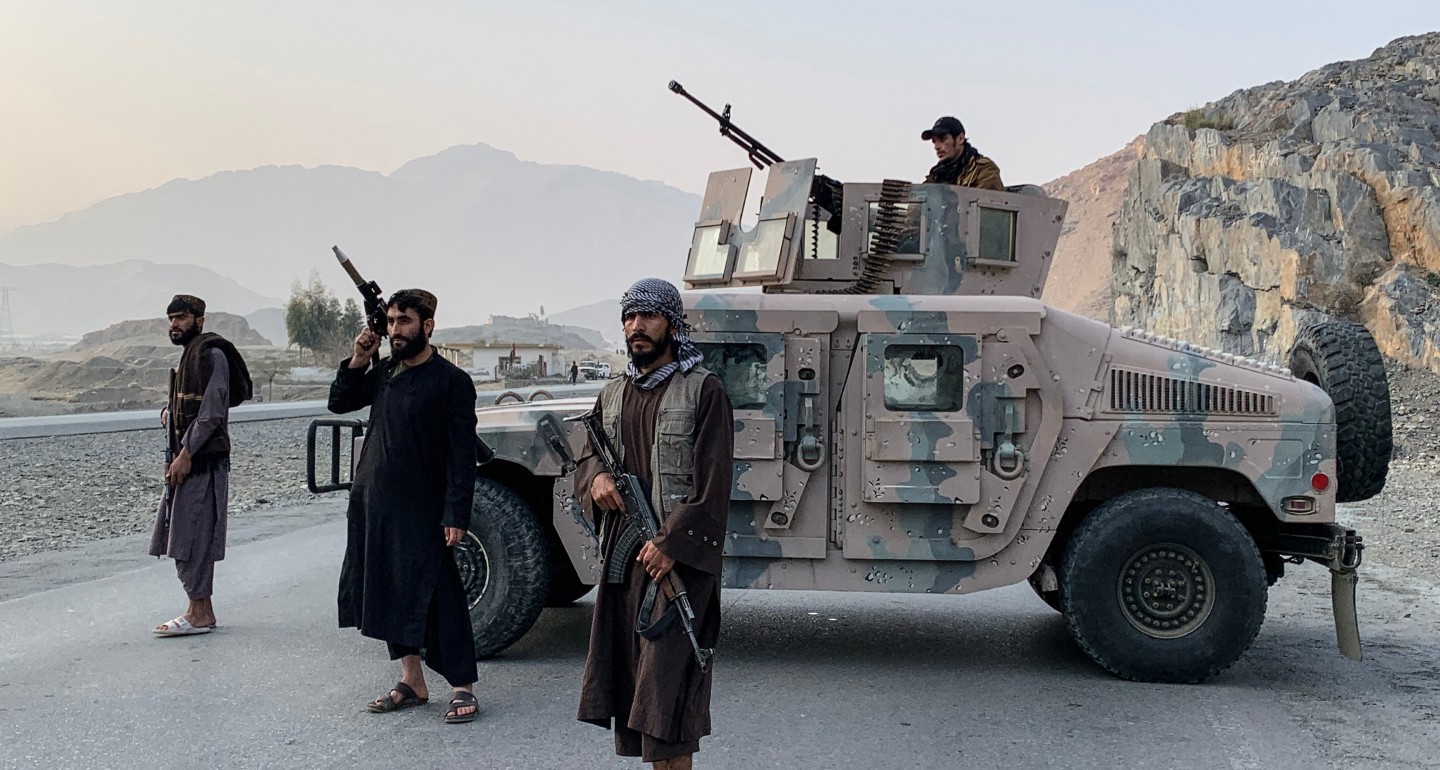
Not only does the fighting jeopardize regional security, it undermines Russian attempts to promote alternatives to the Western-dominated world order.
Ruslan Suleymanov
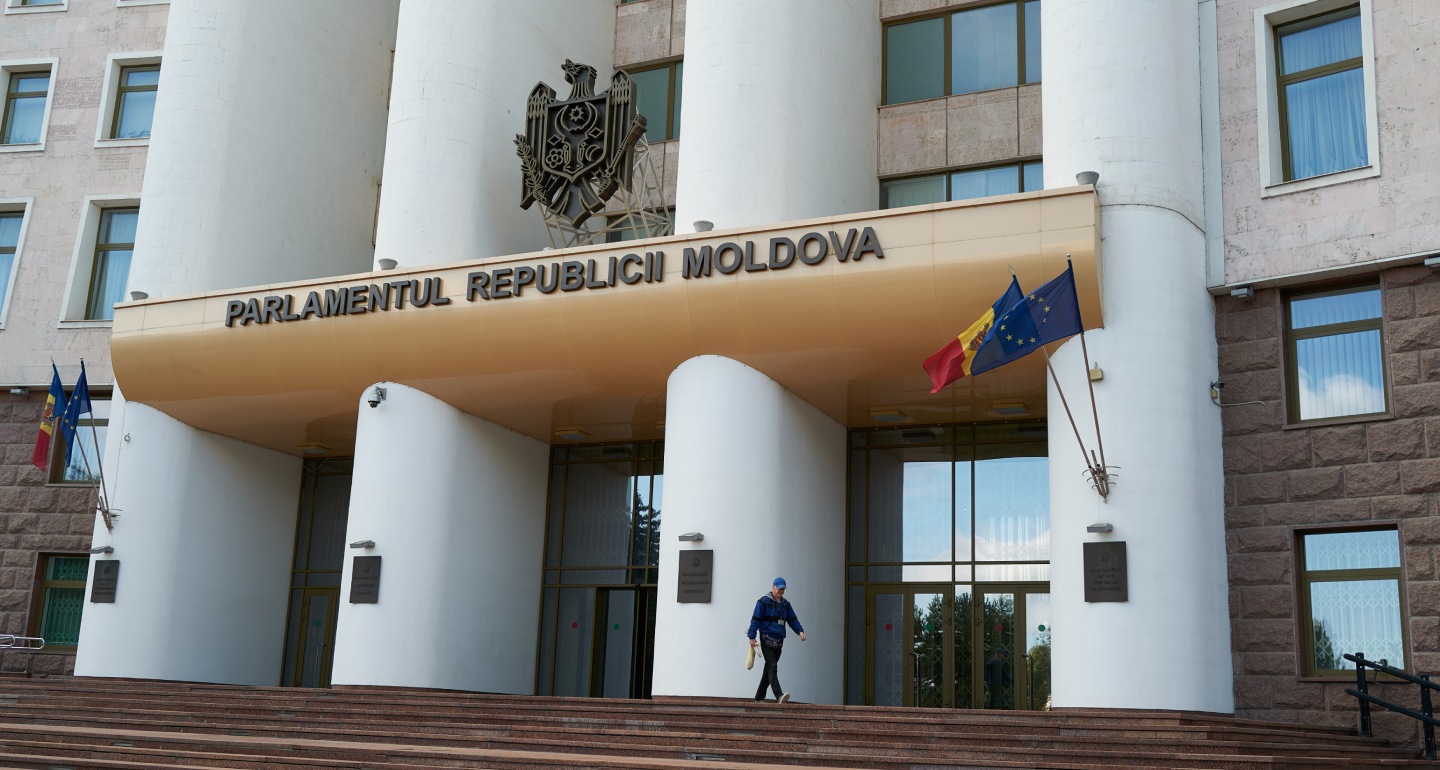
Moldova’s reintegration plan was drawn up to demonstrate to Brussels that Chișinău is serious about the Transnistria issue—and to get the West to react.
Vladimir Solovyov
Lukashenko is willing to make big sacrifices for an invitation to Mar-a-Lago or the White House. He also knows that the clock is ticking: he must squeeze as much out of the Trump administration as he can before congressional elections in November leave Trump hamstrung or distracted.

Artyom Shraibman