

Article
Frederic Grare
{
  "authors": [
    "Frederic Grare"
  ],
  "type": "legacyinthemedia",
  "centerAffiliationAll": "dc",
  "centers": [
    "Carnegie Endowment for International Peace"
  ],
  "collections": [],
  "englishNewsletterAll": "ctw",
  "nonEnglishNewsletterAll": "",
  "primaryCenter": "Carnegie Endowment for International Peace",
  "programAffiliation": "SAP",
  "programs": [
    "South Asia"
  ],
  "projects": [],
  "regions": [
    "South Asia",
    "India"
  ],
  "topics": []
}
REQUIRED IMAGE
The trilateral dialogue between Australia, France, and India is at the confluence of three national concepts of the Indo-Pacific that are not totally identical but share two main characteristics: a common willingness to manage the rise of China peacefully and cooperatively, and an intention to keep away from the consequences of the China-U.S. rivalry.
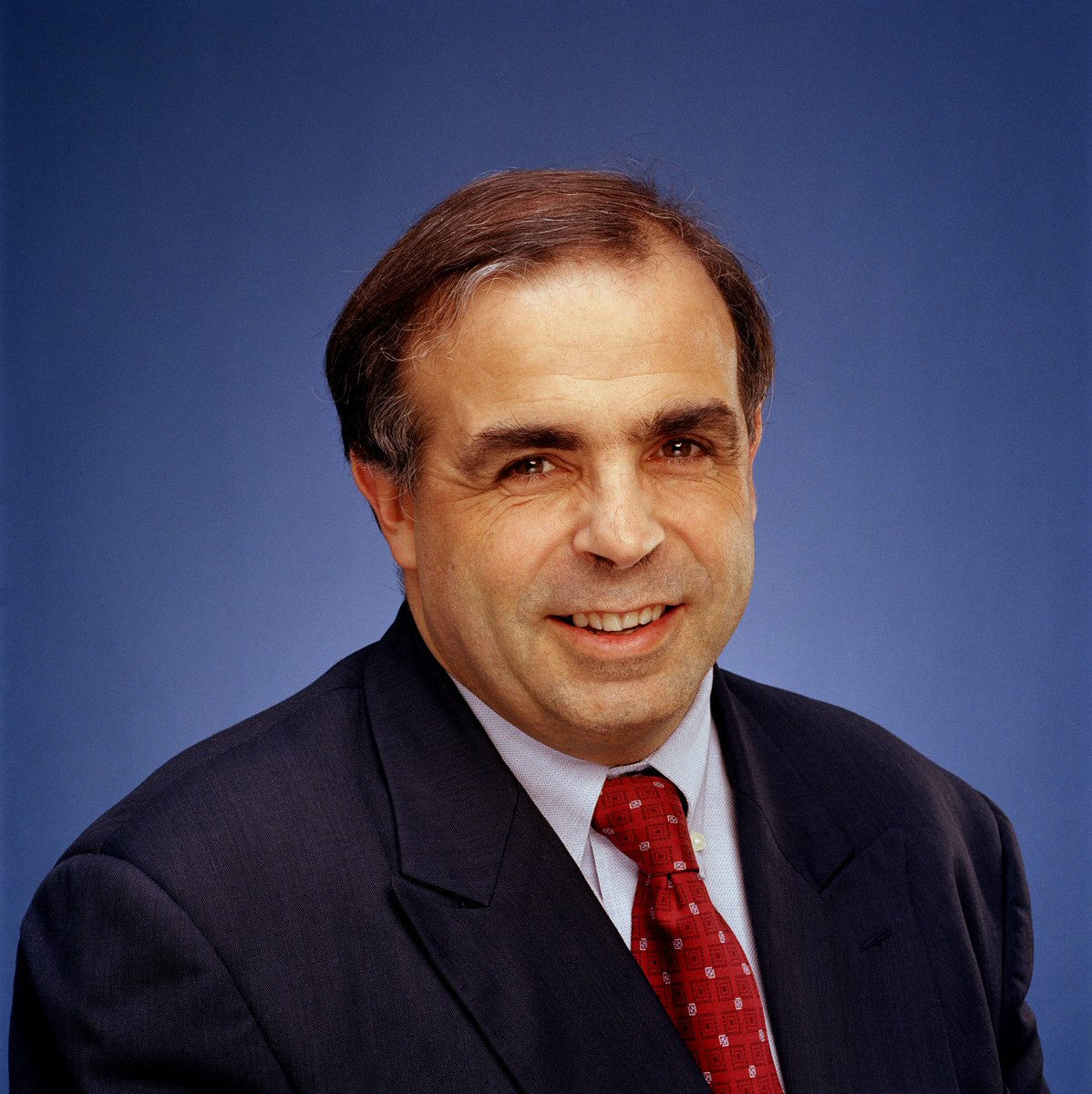
Former Nonresident Senior Fellow, South Asia Program
Frédéric Grare was a nonresident senior fellow at the Carnegie Endowment for International Peace, where his research focuses on Indo-Pacific dynamics, the search for a security architecture, and South Asia Security issues.
Recent Work
Frederic Grare
Frederic Grare
Carnegie does not take institutional positions on public policy issues; the views represented herein are those of the author(s) and do not necessarily reflect the views of Carnegie, its staff, or its trustees.
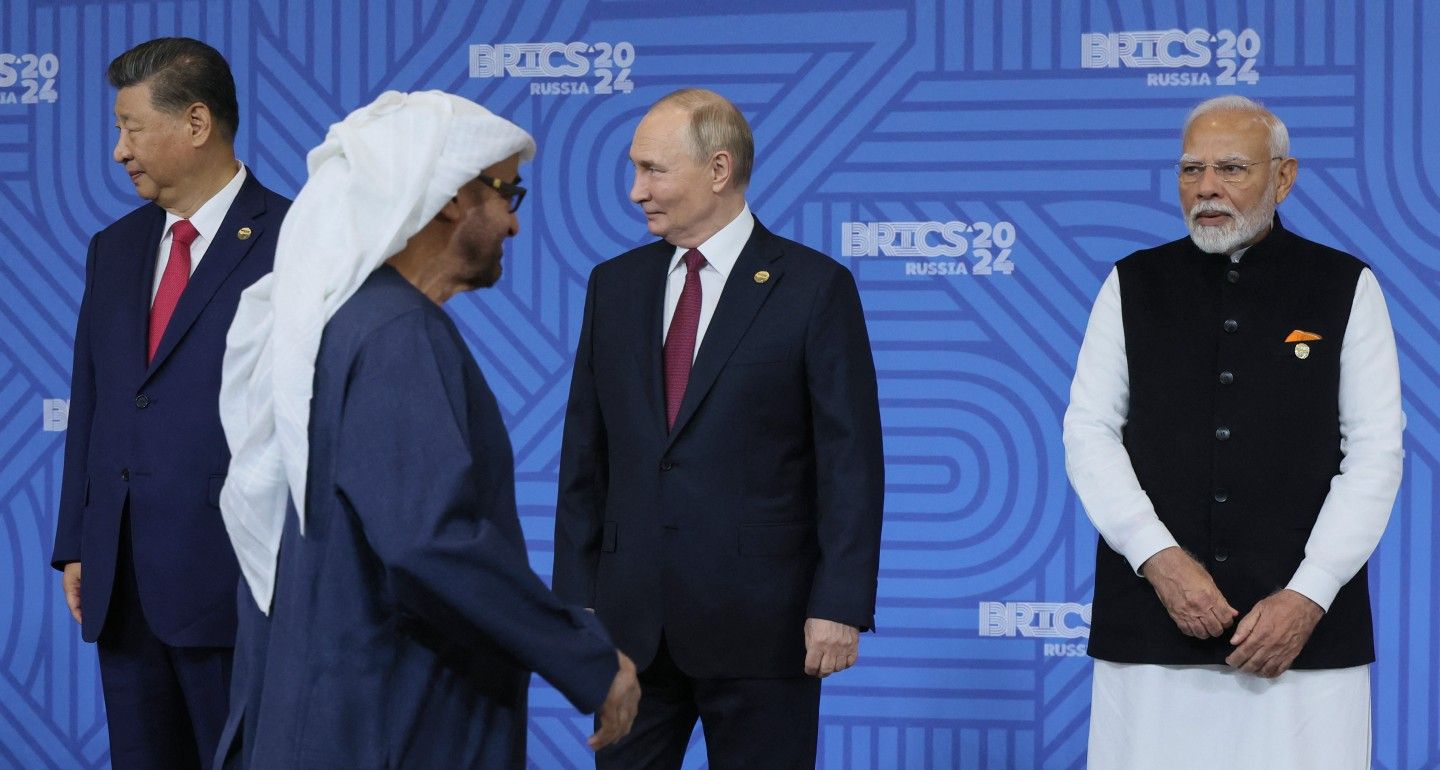
It might seem that within BRICS, Russia should be overshadowed by the giant economies of China and India, especially the former. Yet what is happening is almost the opposite, with Russia effectively taking over the leading role in the club.
Alexander Baunov
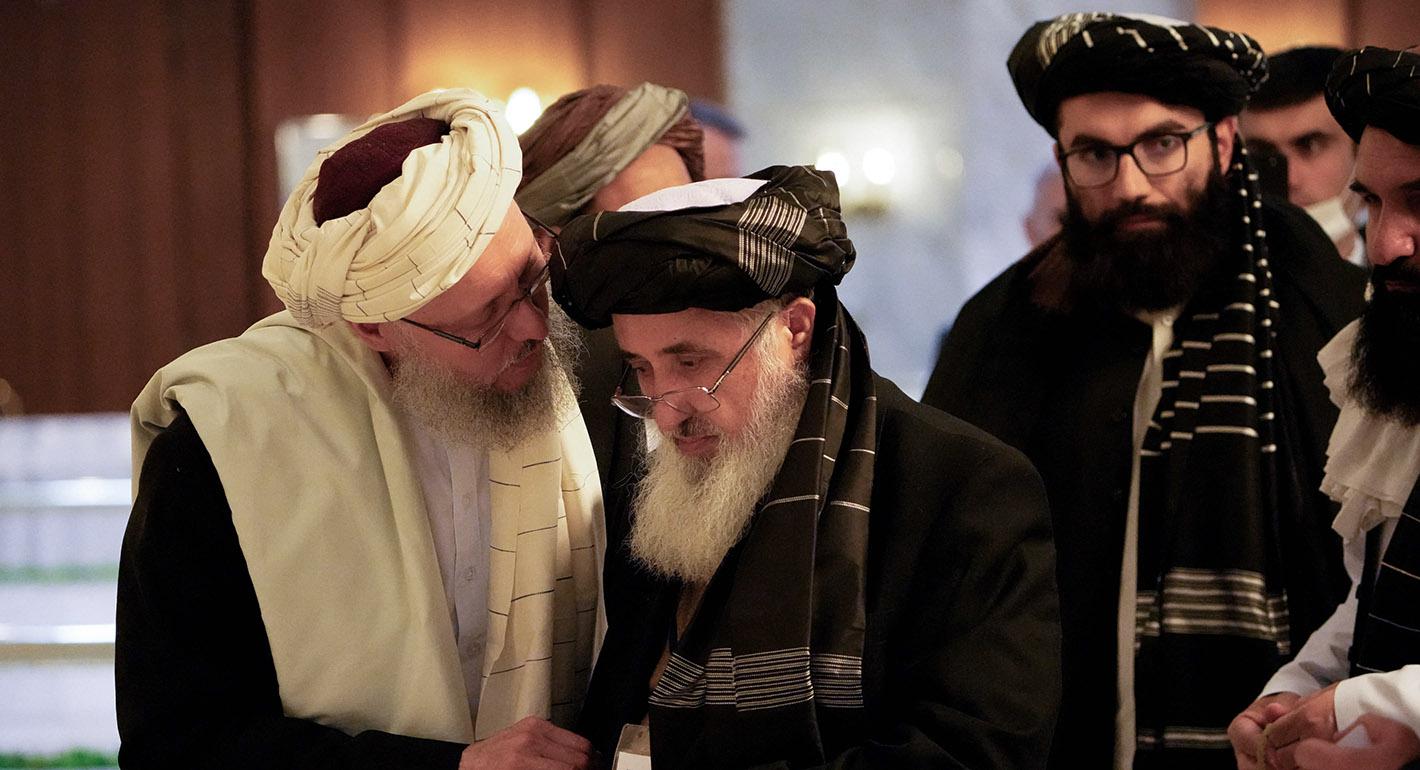
As Russia’s relationship with the West has deteriorated, the Kremlin’s view of the Taliban has changed. But substantive economic cooperation will be hard to achieve.
Ruslan Suleymanov
And how Russia’s war has upended ties in China, Turkey, and the Arctic.


Judy Dempsey, Alexander Gabuev, Rose Gottemoeller, …
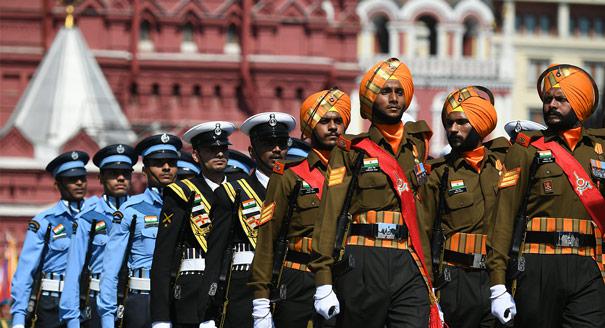
Russian-Indian relations are traditionally good. The chemistry between the leaders is excellent, and members of the public are well disposed toward each other. Economic ties have long been stalling, however, and mutual suspicions have recently been creeping in over India’s relations with America, and Russia’s with China. To make the good relationship truly great, Moscow must rethink, adjust, and upgrade its approach to India. Vladimir Putin’s forthcoming visit to New Delhi could be a starting point.
Dmitri Trenin
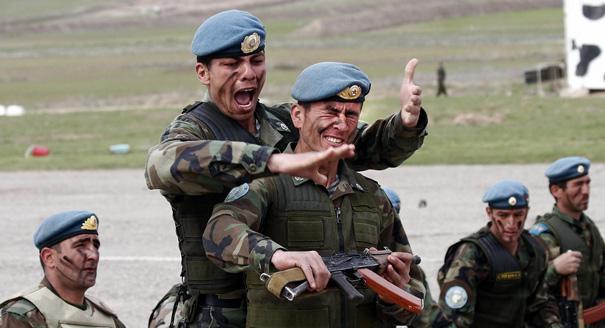
Tajikistan has no intention of getting into a direct confrontation with the Taliban. Rather, by taking a few more risks than its neighbors, the Tajik leadership is counting on boosting its popularity, both at home and abroad.

Temur Umarov