

Article
Philip Remler
{
  "authors": [
    "Philip Remler"
  ],
  "type": "legacyinthemedia",
  "centerAffiliationAll": "dc",
  "centers": [
    "Carnegie Endowment for International Peace"
  ],
  "collections": [],
  "englishNewsletterAll": "ctw",
  "nonEnglishNewsletterAll": "",
  "primaryCenter": "Carnegie Endowment for International Peace",
  "programAffiliation": "russia",
  "programs": [
    "Russia and Eurasia"
  ],
  "projects": [],
  "regions": [
    "Eastern Europe"
  ],
  "topics": []
}
REQUIRED IMAGE
Over the past decade, the Organization for Security and Co-operation in Europe has been returning to its origins as a Cold War–era conference—a forum where states and blocs can air their frictions and hostilities. If the OSCE’s participating States want it to remain an organization, not a conference, they must take action to secure its executive autonomy.
Nonresident Scholar, Russia and Eurasia Program
Philip Remler is a nonresident scholar at the Carnegie Endowment for International Peace.
Recent Work
Philip Remler
Philip Remler
Carnegie does not take institutional positions on public policy issues; the views represented herein are those of the author(s) and do not necessarily reflect the views of Carnegie, its staff, or its trustees.

If the Russian-speaking community in Latvia cannot articulate their interests without being seen as disloyal, they could end up embracing a pro-Kremlin agenda.

Sergejs Potapkins
Governments in Estonia, Latvia, and Lithuania want to ensure that a U.S. military withdrawal would not leave them dangerously exposed to a Russian attack.
Sergejs Potapkins
Moldova’s reintegration plan was drawn up to demonstrate to Brussels that Chișinău is serious about the Transnistria issue—and to get the West to react.
Vladimir Solovyov
As Russia’s war in Ukraine reshapes domestic standards across the region, Moldova’s path of political consolidation makes it a frontier—rather than an outlier—in a broader European trend.

Balázs Jarábik
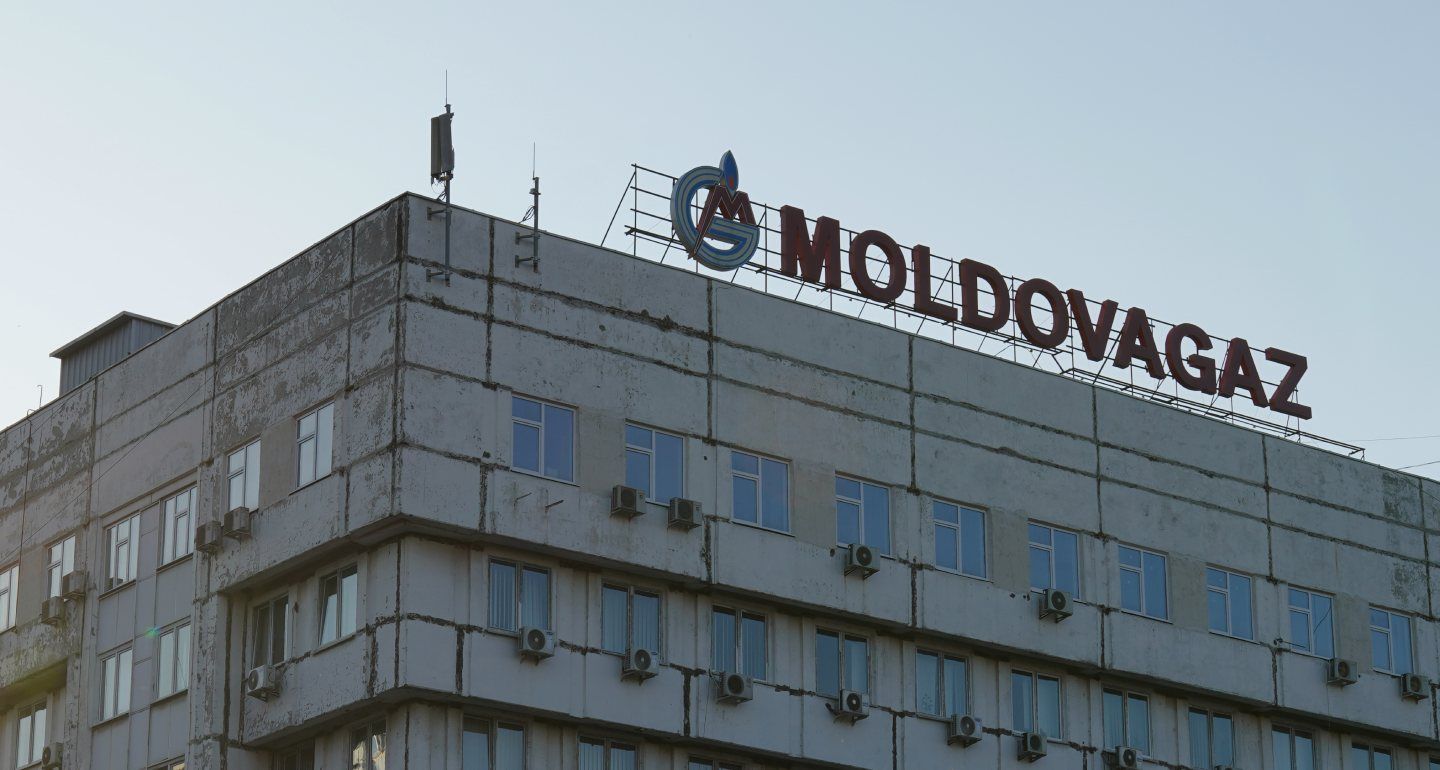
The breakaway republic of Transnistria has been plunged into an energy crisis following the end of Ukrainian transit of Russian gas. If it is Kyiv and not Moscow that comes to the unrecognized statelet’s aid, Russia risks losing any remaining influence in the region.
Vladimir Solovyov