

Article
Amman is increasingly pursuing a policy of supporting neither the regime nor the opposition in Syria while quietly working to help resolve the conflict. It has few other options.
Marwan Muasher
{
  "authors": [
    "David Linfield",
    "E.J. Karmel"
  ],
  "type": "legacyinthemedia",
  "centerAffiliationAll": "dc",
  "centers": [
    "Carnegie Endowment for International Peace"
  ],
  "collections": [],
  "englishNewsletterAll": "menaTransitions",
  "nonEnglishNewsletterAll": "",
  "primaryCenter": "Carnegie Endowment for International Peace",
  "programAffiliation": "MEP",
  "programs": [
    "Middle East"
  ],
  "projects": [],
  "regions": [
    "Jordan"
  ],
  "topics": []
}
REQUIRED IMAGE
Since the 2016 introduction of a proportional open-list voting system to Jordan’s parliamentary elections, the Jordanian government has faced ongoing demands for reform. But the system is unconducive to democratic reform, given Jordan’s broader socio-political environment.

Former Visiting Scholar , Middle East Program
David Linfield was a visiting scholar in Carnegie’s Middle East Program, where he specializes in how socioeconomic inequality is reshaping political alliances and driving new pressure for change.
E.J. Karmel
Carnegie does not take institutional positions on public policy issues; the views represented herein are those of the author(s) and do not necessarily reflect the views of Carnegie, its staff, or its trustees.
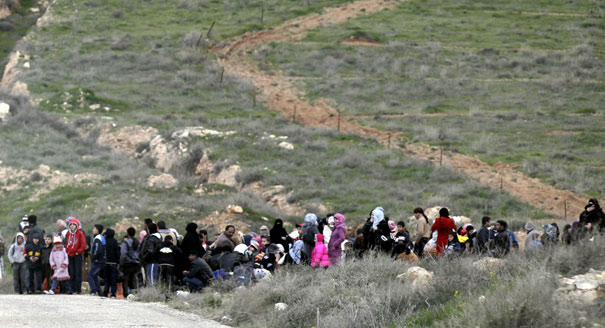
Amman is increasingly pursuing a policy of supporting neither the regime nor the opposition in Syria while quietly working to help resolve the conflict. It has few other options.

Marwan Muasher
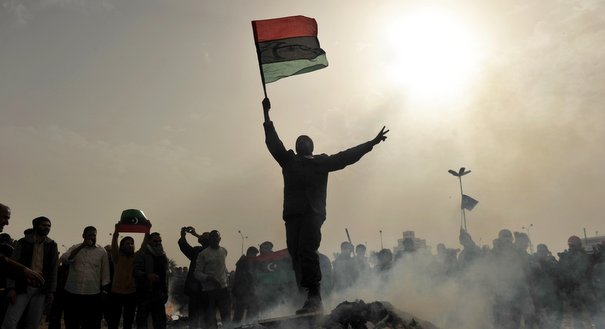
The status quo in the Arab world is unsustainable. Arab regimes have a choice: They can either lead a reform process from above or watch it take place in the streets below.
Marwan Muasher