

Commentary
Russia looks set to reap economic benefits from closer ties with Southeast Asian countries that are keen to find reliable energy suppliers and diversify trade ties.
Alexander Gabuev
{
  "authors": [
    "Frederic Grare",
    "Manisha Reuter"
  ],
  "type": "legacyinthemedia",
  "centerAffiliationAll": "dc",
  "centers": [
    "Carnegie Endowment for International Peace"
  ],
  "collections": [],
  "englishNewsletterAll": "ctw",
  "nonEnglishNewsletterAll": "",
  "primaryCenter": "Carnegie Endowment for International Peace",
  "programAffiliation": "SAP",
  "programs": [
    "South Asia"
  ],
  "projects": [],
  "regions": [
    "South Asia",
    "East Asia",
    "Southeast Asia",
    "Western Europe"
  ],
  "topics": []
}
REQUIRED IMAGE
It will likely take more than a strong push from France, Germany, and the Netherlands to ensure that the EU implements a long-term strategy in the Indo-Pacific.

Former Nonresident Senior Fellow, South Asia Program
Frédéric Grare was a nonresident senior fellow at the Carnegie Endowment for International Peace, where his research focuses on Indo-Pacific dynamics, the search for a security architecture, and South Asia Security issues.
Manisha Reuter
Carnegie does not take institutional positions on public policy issues; the views represented herein are those of the author(s) and do not necessarily reflect the views of Carnegie, its staff, or its trustees.
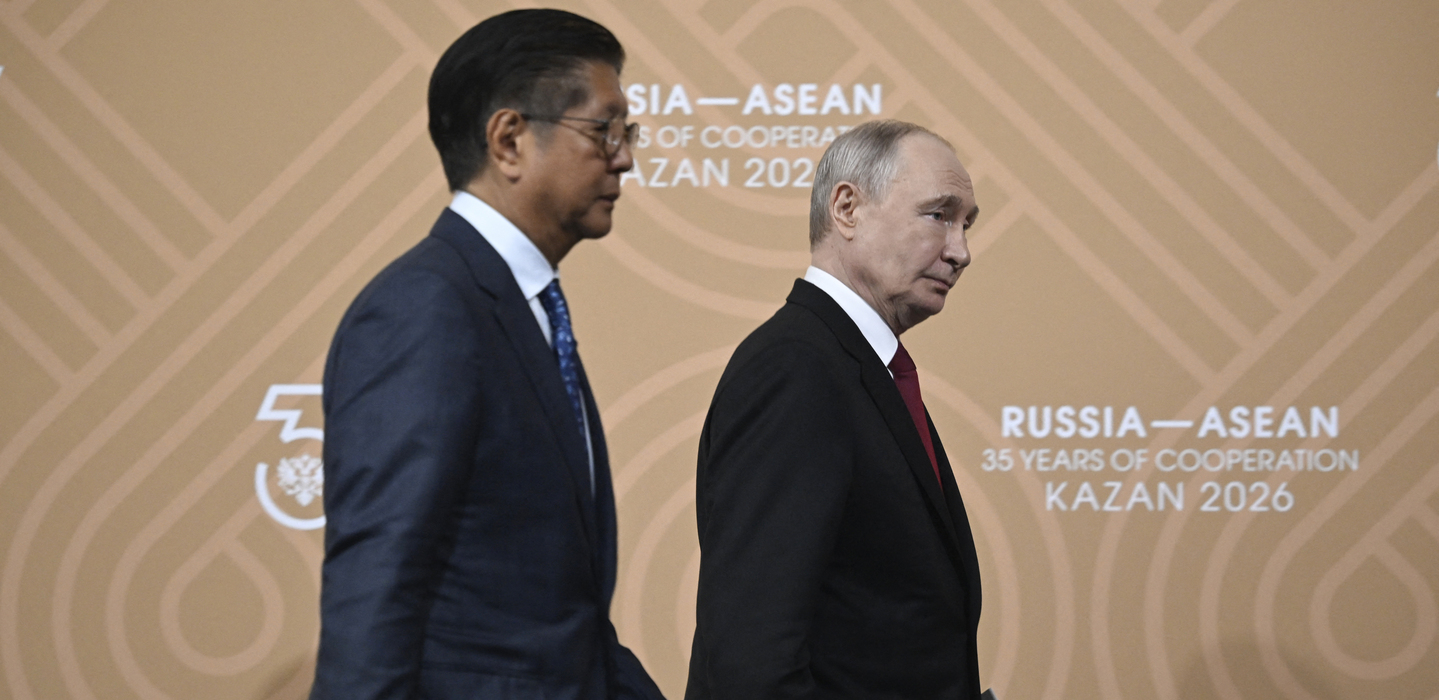
Russia looks set to reap economic benefits from closer ties with Southeast Asian countries that are keen to find reliable energy suppliers and diversify trade ties.

Alexander Gabuev
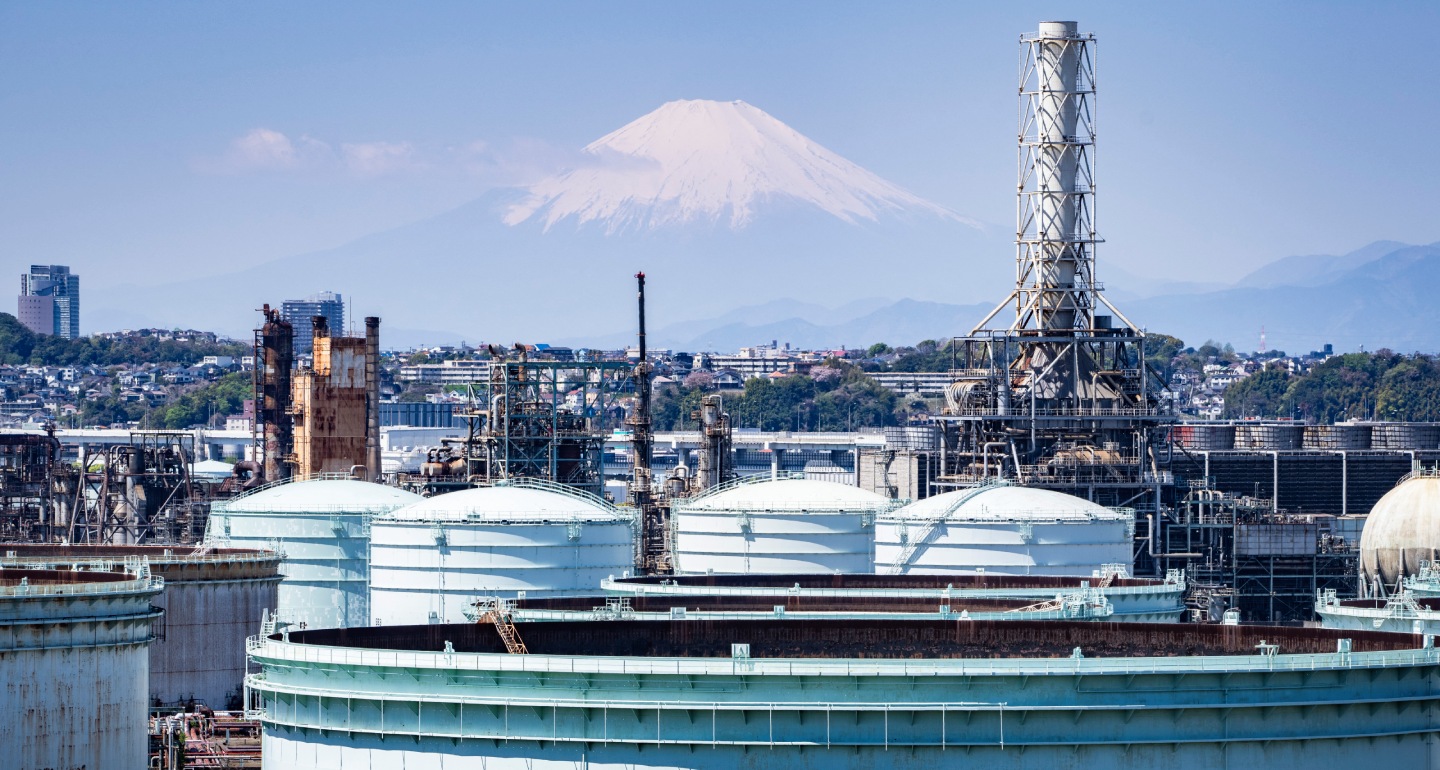
Tokyo would have to surmount a lot of obstacles—not least Western sanctions—if it wanted to return Russian oil imports to even modest pre-2022 volumes.

Vladislav Pashchenko
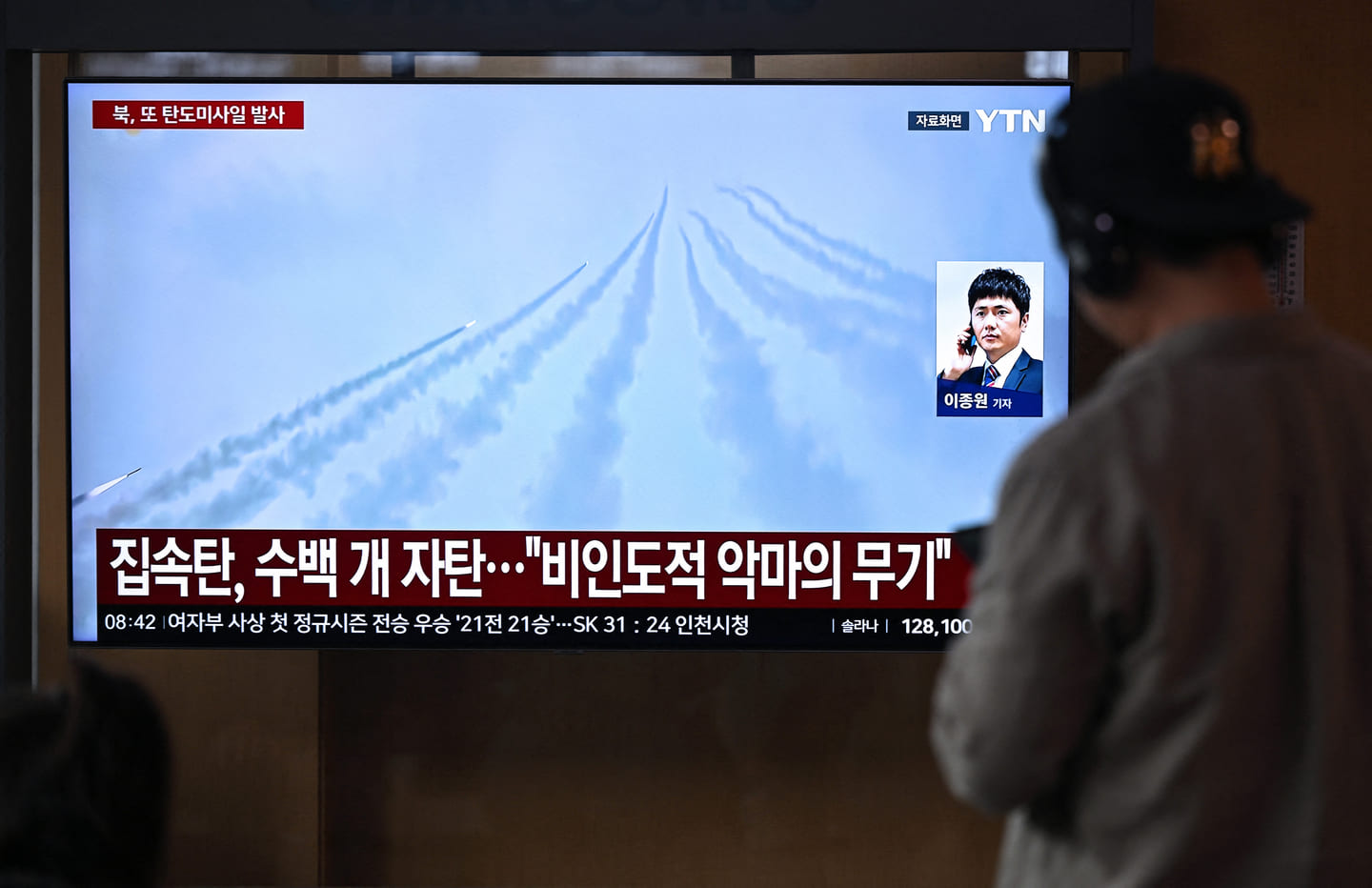
Troubled by the growing salience of nuclear debates in East Asia, Moscow has responded in its usual way: with condemnation and threats. But by exacerbating insecurity, Russia is forcing South Korea and Japan to consider radical security options.

James D.J. Brown

Minsk’s modest progress in creating a more predictable and peaceful image could stall at any minute as a result of tensions and developments in the region or a change in mood by Putin or Trump.

Artyom Shraibman
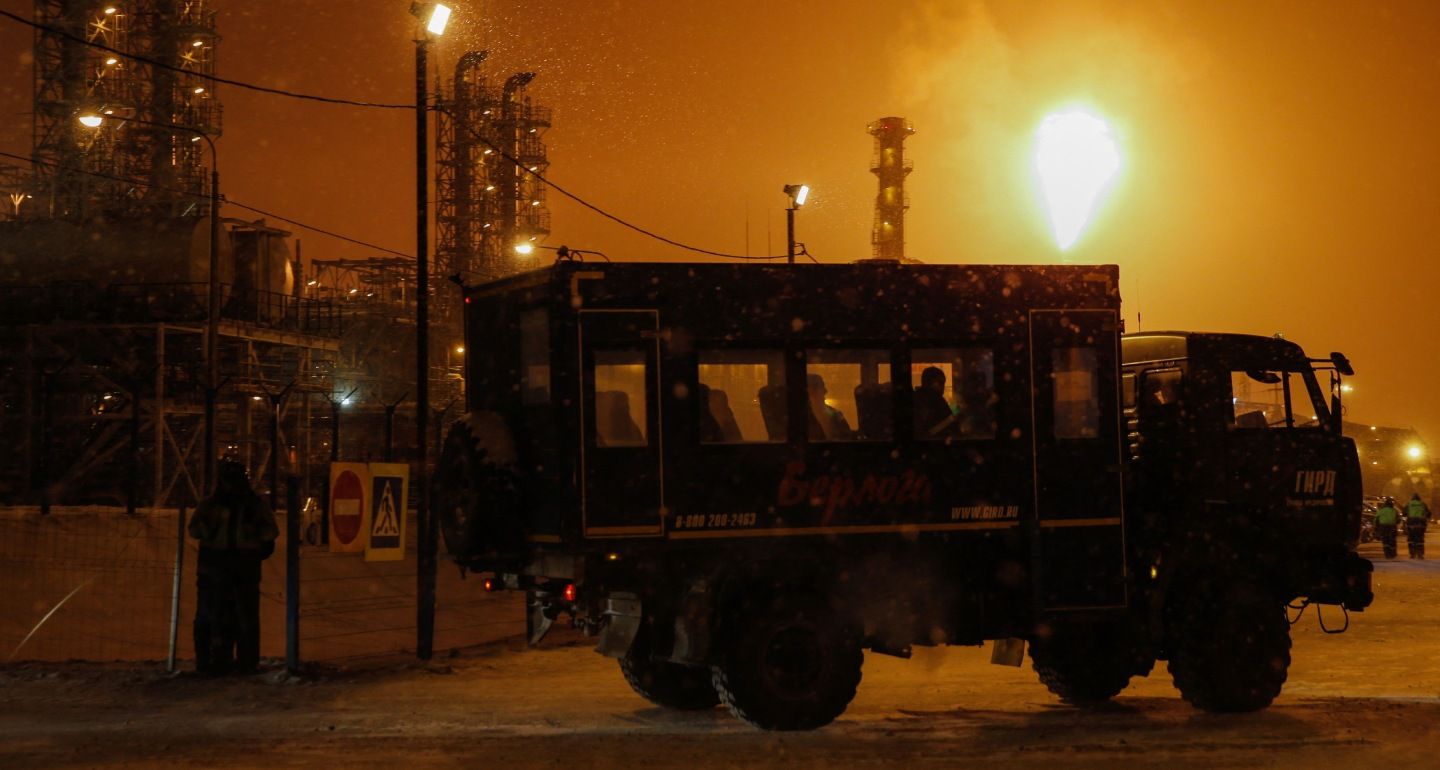
Western powers may soon find it hard to escape an unpalatable dilemma: either they need to invest heavily in ice-class marine capability, both military and commercial, with unclear payback prospects, or they will have to cede leadership in the Arctic to the Sino-Russian tandem.

Sergey Vakulenko