

Article
Anna Ohanyan
{
  "authors": [
    "Anna Ohanyan"
  ],
  "type": "legacyinthemedia",
  "centerAffiliationAll": "dc",
  "centers": [
    "Carnegie Endowment for International Peace"
  ],
  "collections": [],
  "englishNewsletterAll": "ctw",
  "nonEnglishNewsletterAll": "",
  "primaryCenter": "Carnegie Endowment for International Peace",
  "programAffiliation": "russia",
  "programs": [
    "Russia and Eurasia"
  ],
  "projects": [],
  "regions": [],
  "topics": [
    "Democracy"
  ]
}
REQUIRED IMAGE
Scholars have long grappled with the puzzle as to why some regions become peaceful and resilient while others crumble into perpetual insecurity. Much of the scholarship that they produced viewed regional formations as extensions of the state system.
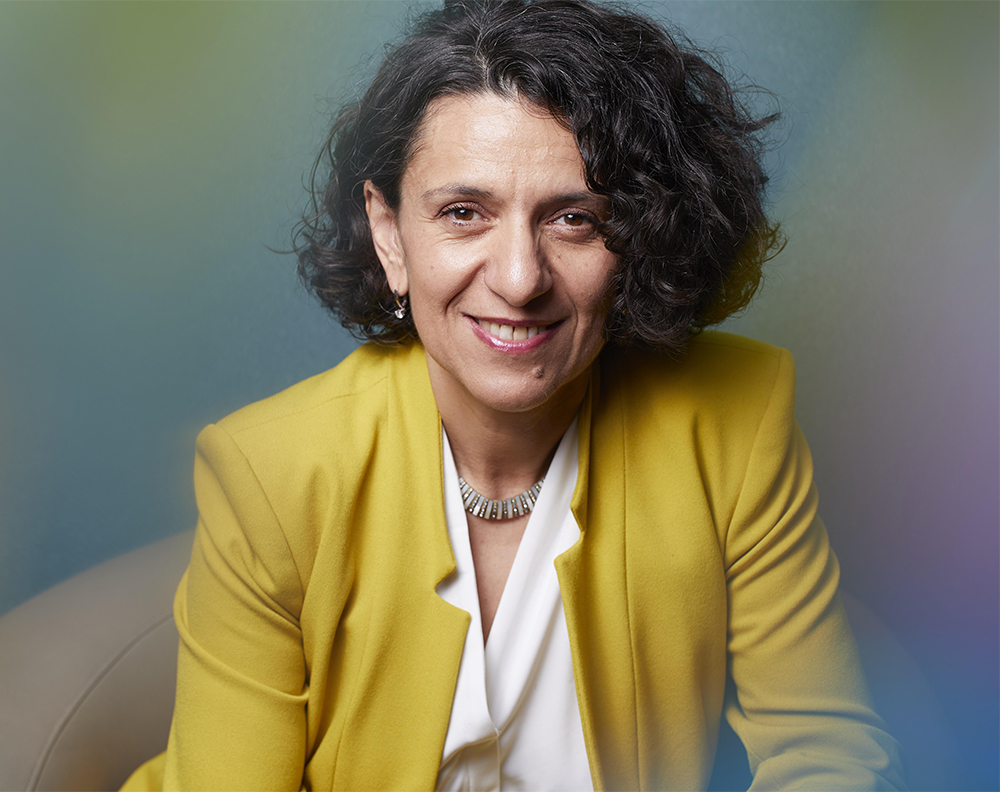
Nonresident Senior Scholar, Russia and Eurasia Program
Anna Ohanyan is a nonresident senior scholar in the Carnegie Russia and Eurasia Program.
Recent Work
Anna Ohanyan
Anna Ohanyan
Carnegie does not take institutional positions on public policy issues; the views represented herein are those of the author(s) and do not necessarily reflect the views of Carnegie, its staff, or its trustees.
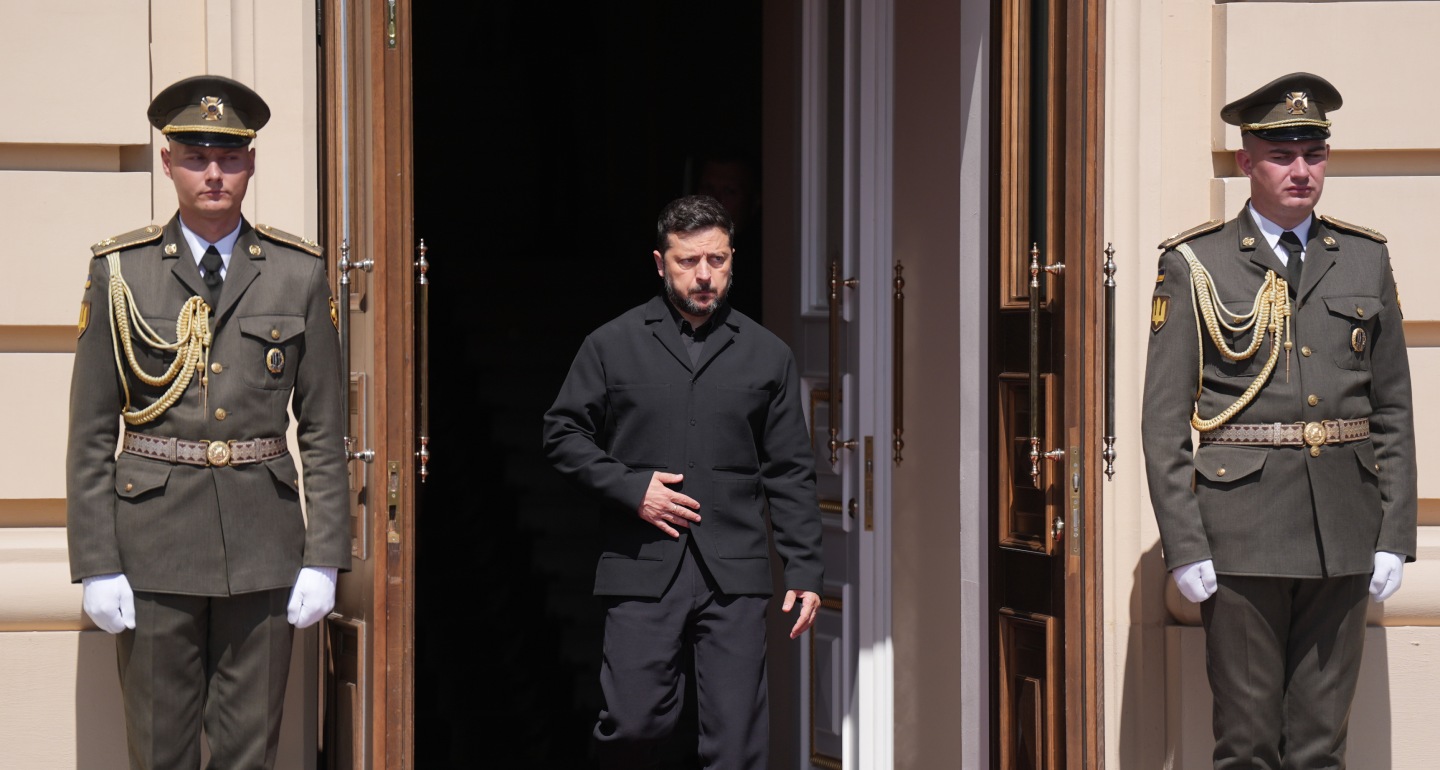
Ultimately, Zelensky sided neither with the reform camp nor with the military establishment as such, but with political control.

Balázs Jarábik

By adopting the law on foreign agents, the ruling Georgian Dream party is inviting Russia and the West to compete for Tbilisi’s favor.
Vladimir Solovyov

Armenia’s Nikol Pashinyan is known as a political survivor, but the current unrest—led by a clergyman—is his biggest domestic political challenge yet.

Alexander Atasuntsev
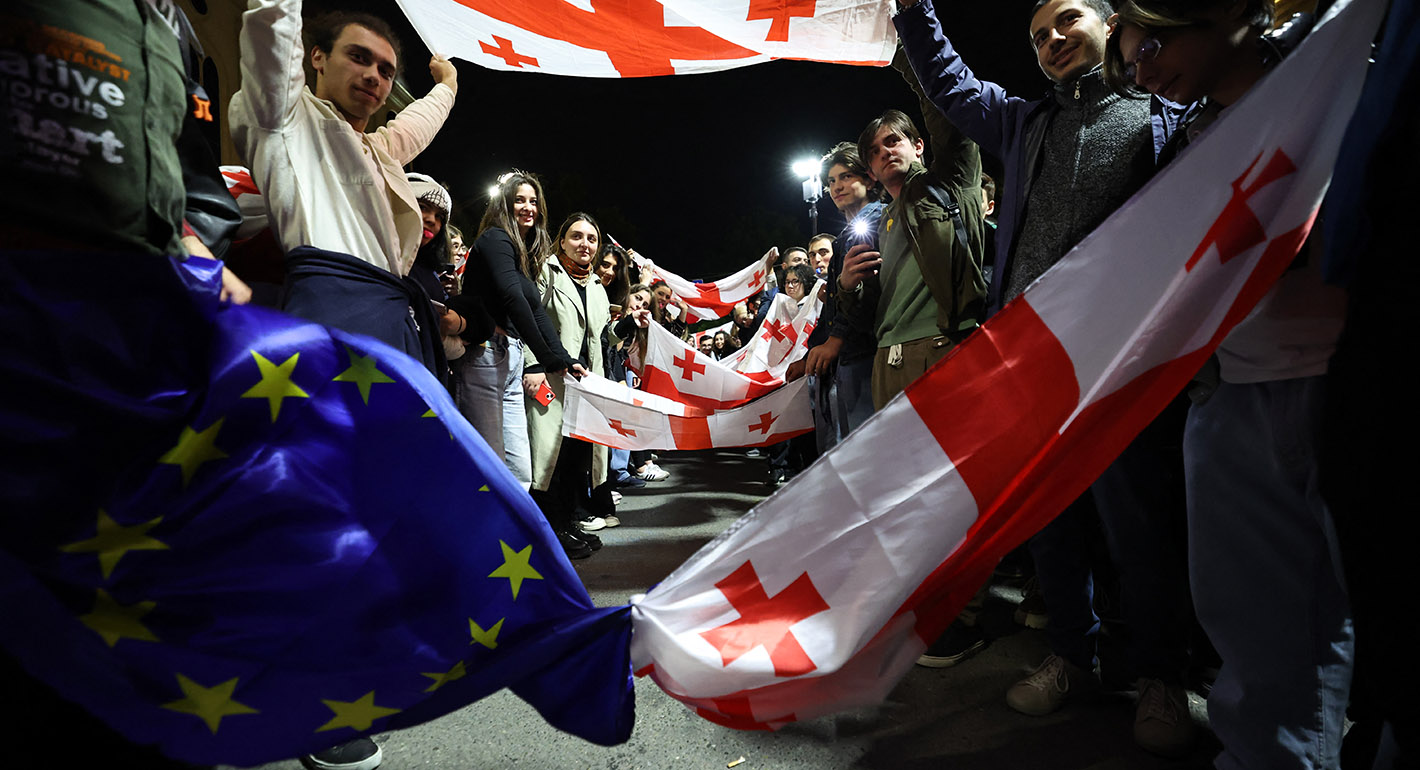
Passage of the controversial bill may drive a wedge between Tbilisi and Brussels and pave the way for a rapprochement with Russia.

Emil Avdaliani
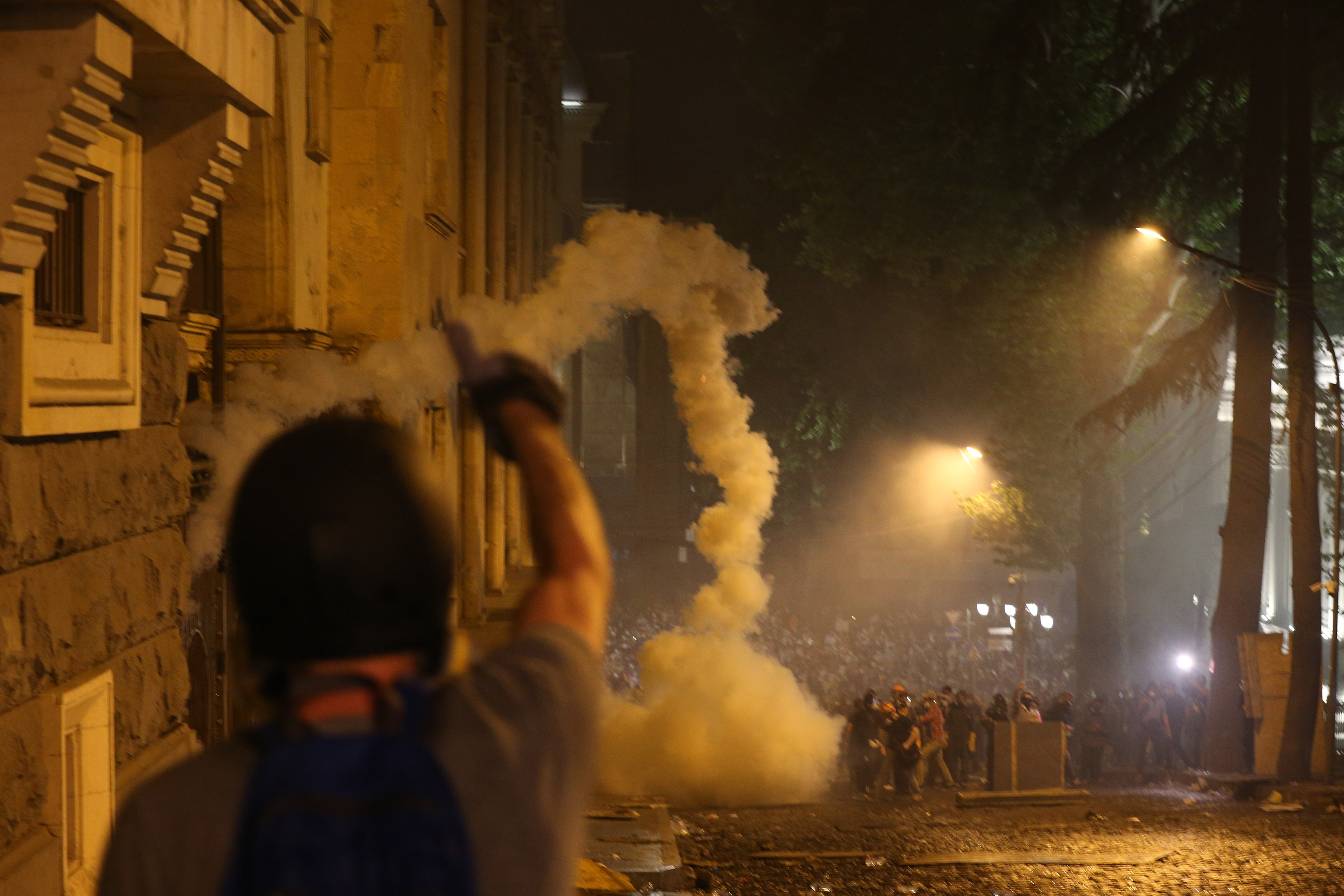
Georgian Dream, which until recently looked certain to win another victory in this year’s elections, now risks repeating last year’s mistake—only this time, the stakes are higher.
Alexander Atasuntsev