

Commentary
In the tenth year of his presidency, President Mirziyoyev’s system is becoming even more personalized than that of his predecessor Karimov.
Galiya Ibragimova
{
  "authors": [
    "Dean Jackson"
  ],
  "type": "legacyinthemedia",
  "centerAffiliationAll": "",
  "centers": [
    "Carnegie Endowment for International Peace"
  ],
  "collections": [
    "U.S. Democracy in Comparative Perspective"
  ],
  "englishNewsletterAll": "",
  "nonEnglishNewsletterAll": "",
  "primaryCenter": "Carnegie Endowment for International Peace",
  "programAffiliation": "",
  "programs": [],
  "projects": [],
  "regions": [
    "North America",
    "United States",
    "South America"
  ],
  "topics": [
    "Political Reform",
    "Democracy",
    "Technology"
  ]
}
REQUIRED IMAGE
This year’s Jan. 8 attack on Brazilian democracy drew quick comparisons to the storming of the U.S. Capitol almost exactly two years prior.

Dean Jackson
Former Project Manager, Influence Operations Researchers Guild
Dean Jackson is principal of Public Circle Research & Consulting and a specialist in democracy, media, and technology. In 2023, he was named an inaugural Tech Policy Press reporting fellow and an affiliate fellow with the Propaganda Research Lab at the University of Texas at Austin. Previously, he was an investigative analyst with the Select Committee to Investigate the January 6th Attack on the U.S. Capitol and project manager of the Influence Operations Researchers’ Guild at the Carnegie Endowment for International Peace. From 2013 to 2021, Jackson managed research and program coordination activities related to media and technology at the National Endowment for Democracy. He holds an MA in international relations from the University of Chicago and a BA in political science from Wright State University in Dayton, OH.
Carnegie does not take institutional positions on public policy issues; the views represented herein are those of the author(s) and do not necessarily reflect the views of Carnegie, its staff, or its trustees.

In the tenth year of his presidency, President Mirziyoyev’s system is becoming even more personalized than that of his predecessor Karimov.

Galiya Ibragimova
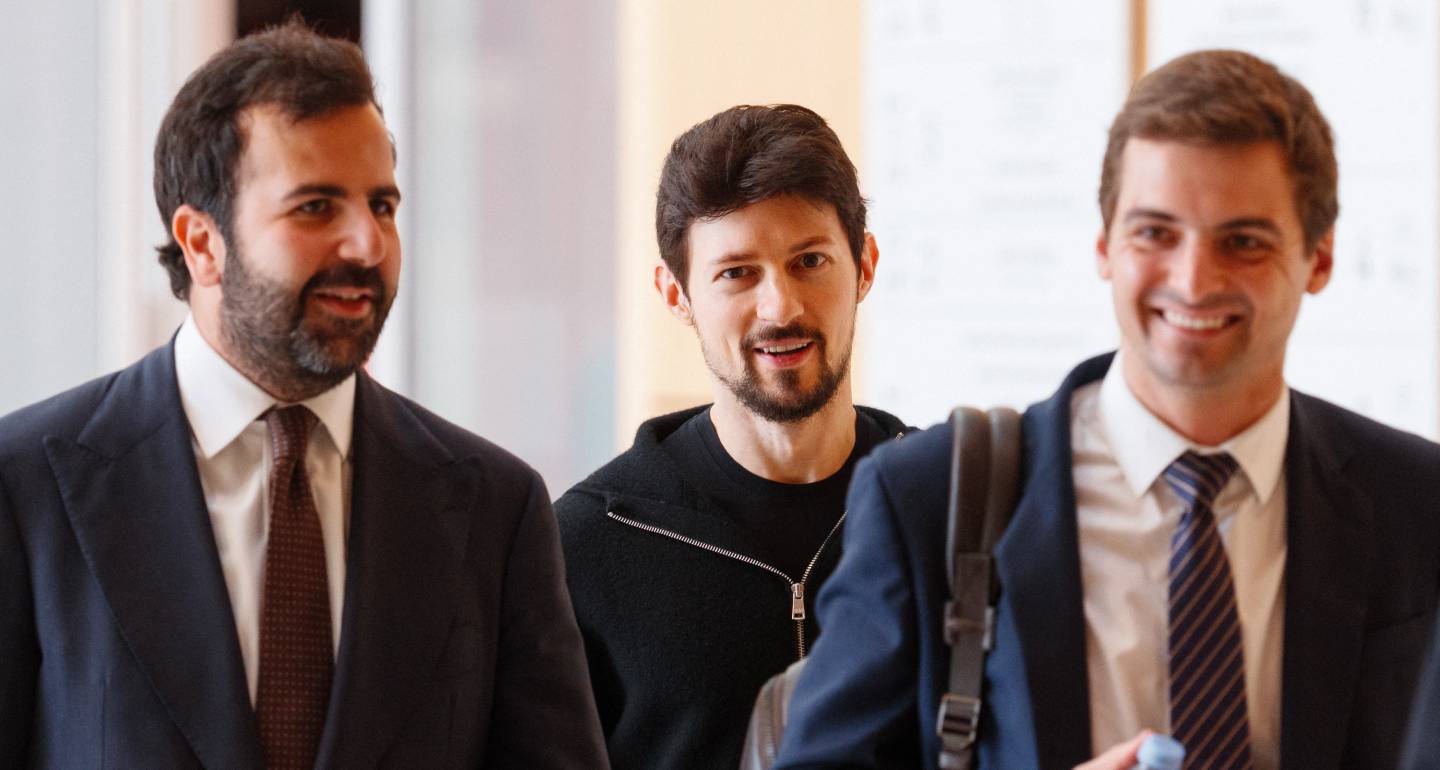
While France and Australia are seeking to establish the legal obligations of messaging apps like Telegram, Russia wants total subordination.

Maria Kolomychenko

The war in Ukraine and a change in ownership led VK to neglect its commercial ventures in favor of implementing the Kremlin’s online agenda. Now it’s been sanctioned by the EU.
Maria Kolomychenko
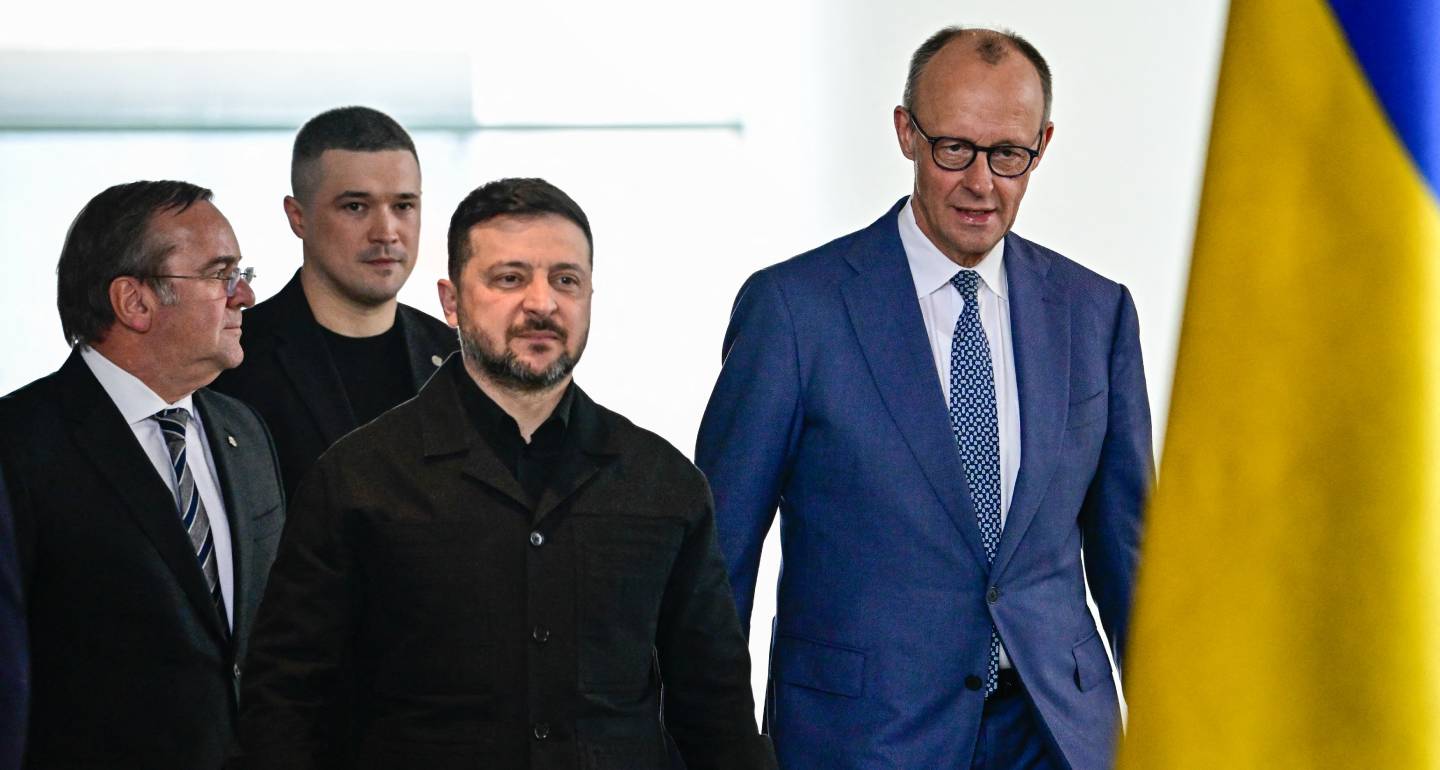
The greater threat to Zelensky comes not from Fedorov alone, but from the convergence between the former defense minister’s political campaign and the anti-corruption investigations moving ever closer to the presidential administration.

Balázs Jarábik
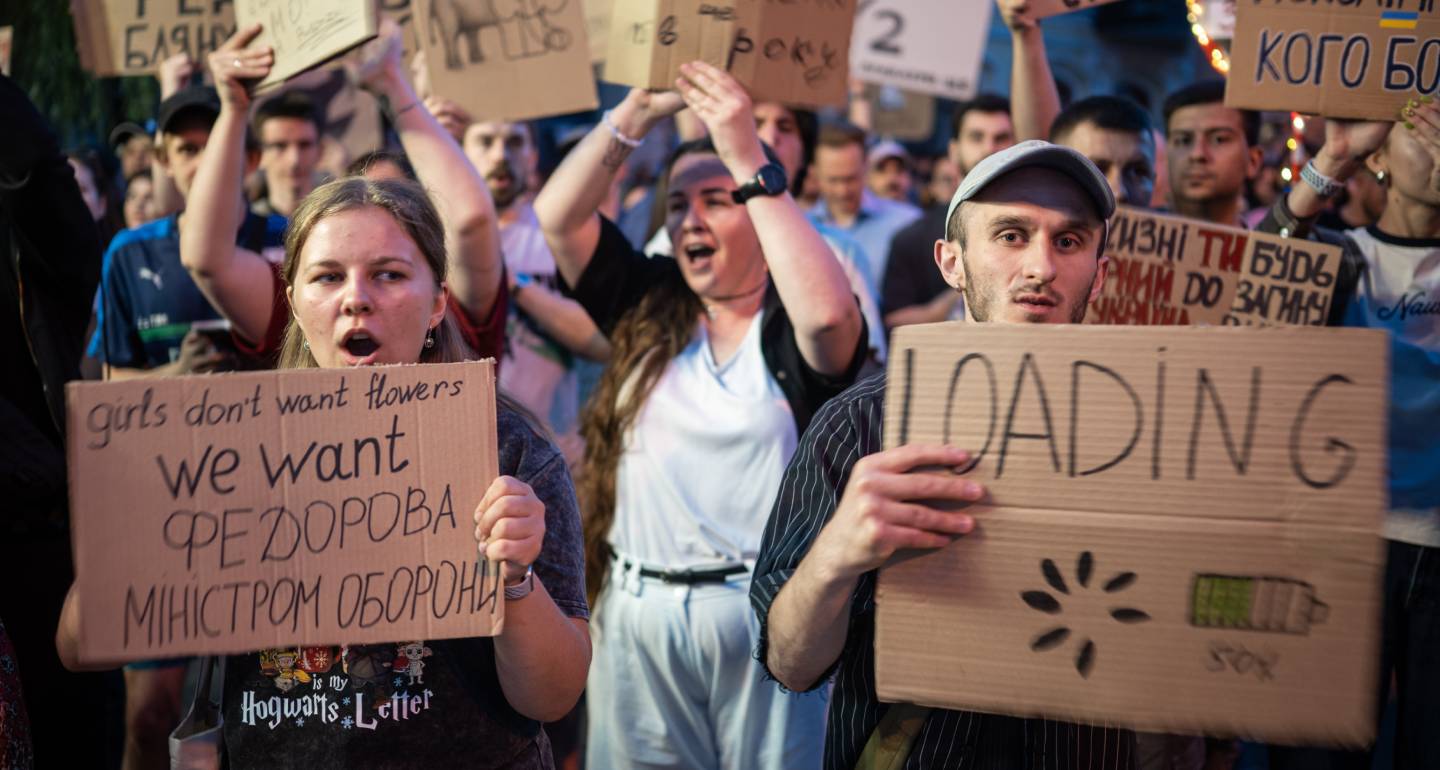
With his public call for new elections in Ukraine, ex-defense minister Mykhailo Fedorov has opened Pandora’s box.

Konstantin Skorkin