

In The Media
David Rothkopf

This comparative analysis of major efforts in Haiti, the Middle East, and Bosnia provides recommendations for better meeting the economic challenges of peace-building.
Source: Washington

This book is built around a detailed analysis of U.S. efforts in Bosnia-Herzegovina, in the Palestinian Territories, and in the Republic of Haiti. It assesses the effectiveness of U.S. strategic planning and the implementation of American economic plans in each of these situations, identifying areas where new approaches and programs may be needed to enhance the likelihood of success in the future.
With the resolution of regional conflicts looming as an increasingly important component of U.S. foreign policy and the concurrent unwillingness to expose U.S. forces to prolonged risk in these situations, post-conflict initiatives will prove to be more important than ever before. This book offers crucial insights into the challenges of promoting stability through the restoration of hope and opportunity to the victims of crises and provides a forward-looking assessment of the future demands and opportunities created in conjunction with the economic dimensions of peacekeeping.
Former Visiting Scholar
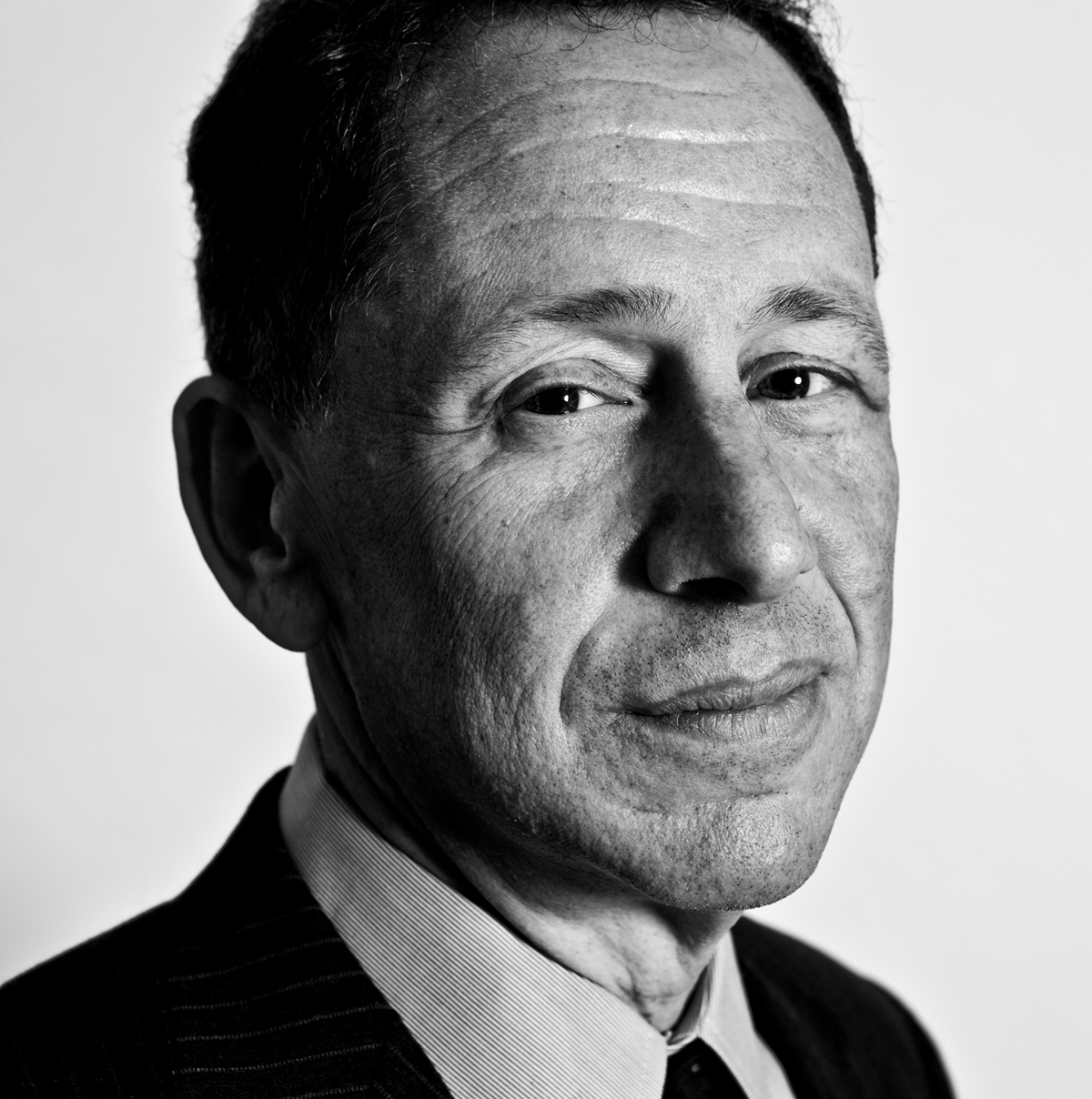
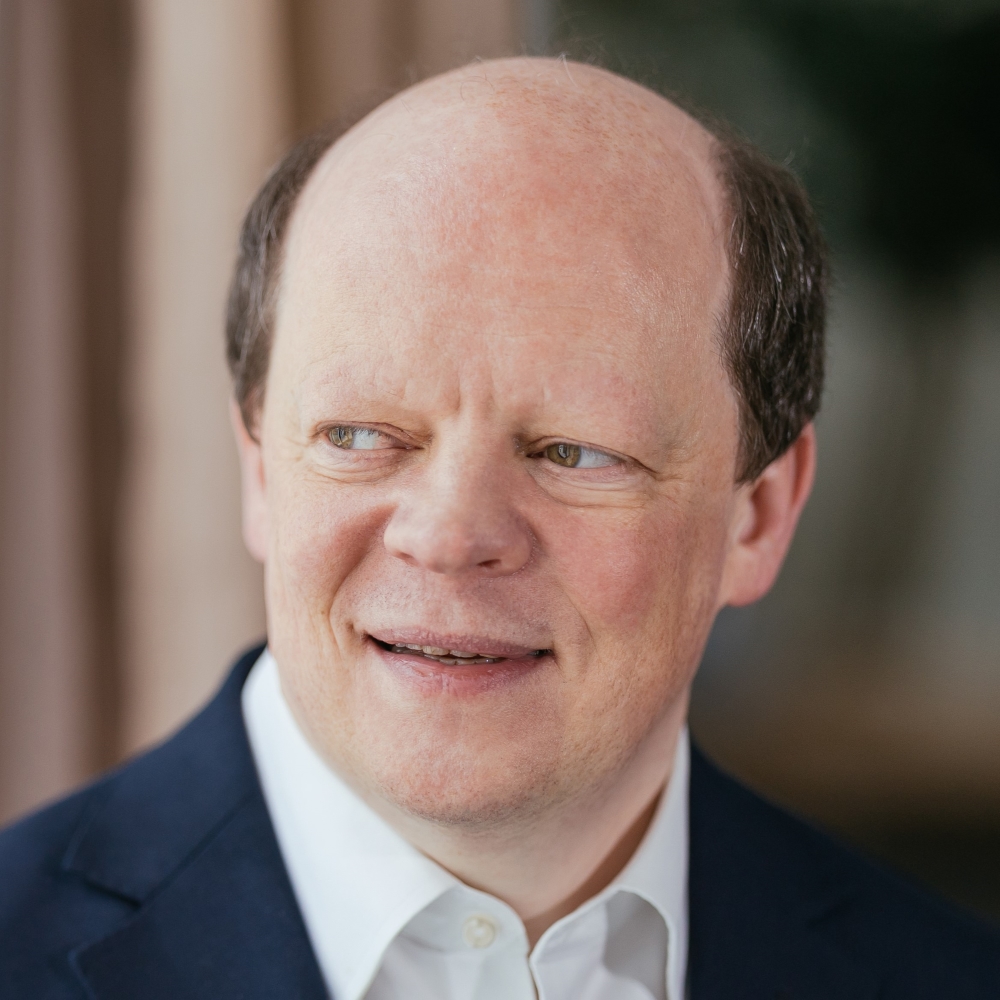
David Rothkopf was a visiting scholar at the Carnegie Endowment as well as the former CEO and editor in chief of the FP Group.
Recent Work
David Rothkopf
David Rothkopf
Carnegie does not take institutional positions on public policy issues; the views represented herein are those of the author(s) and do not necessarily reflect the views of Carnegie, its staff, or its trustees.

While the current surge in grain trading activity in the Caspian Sea is undeniably impressive, it is constrained by financial, infrastructure, geographic, military, and environmental factors.
Nikita Smagin
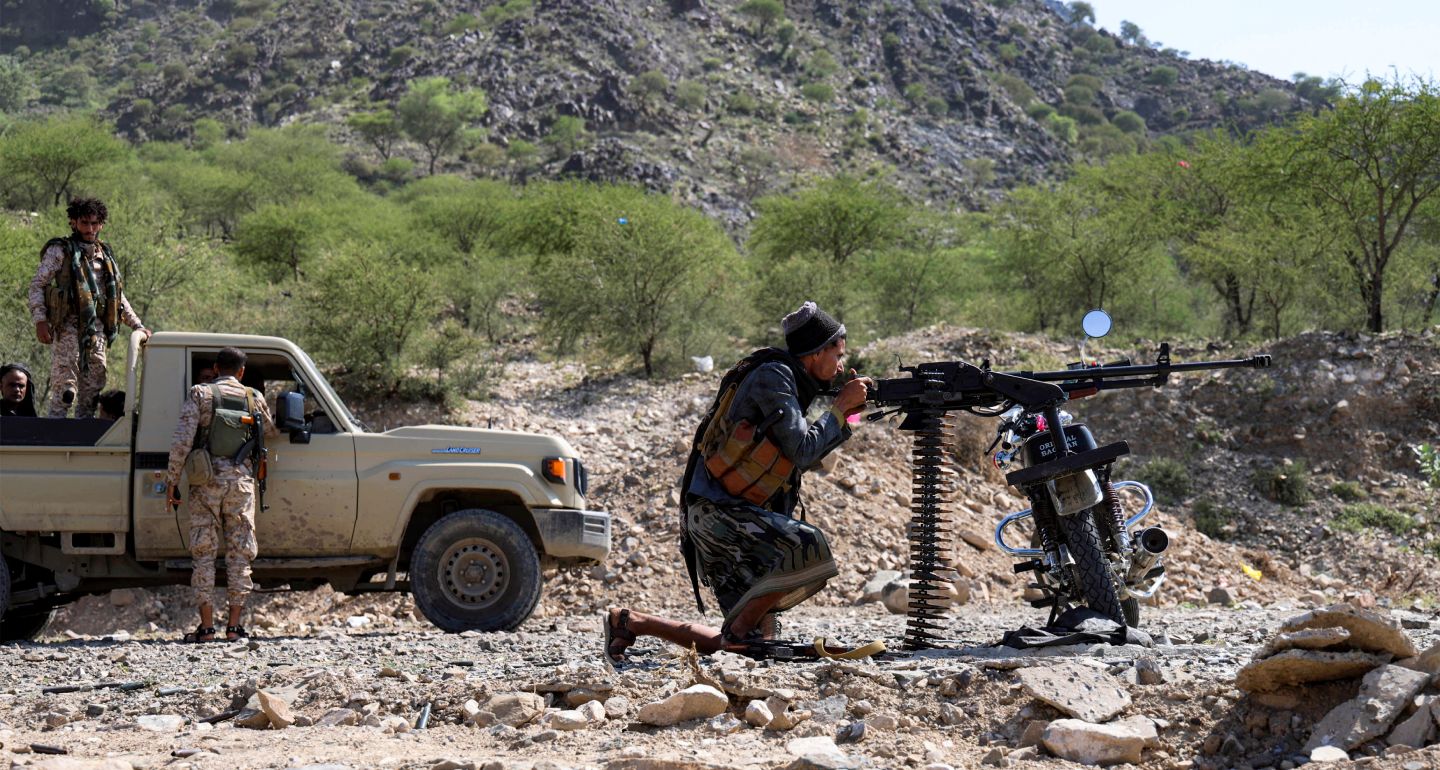
Russia officially endorses Yemen’s formal government while quietly providing military support to the Houthi rebels. However, recent escalation in Yemen has thrust Russia’s game into the spotlight—and risks endangering its relations with the Gulf states.

Ruslan Suleymanov

The concrete goal of an end to the hostilities in Ukraine has been replaced by a host of vague Russian demands concerning a range of issues and regions.

Alexander Baunov
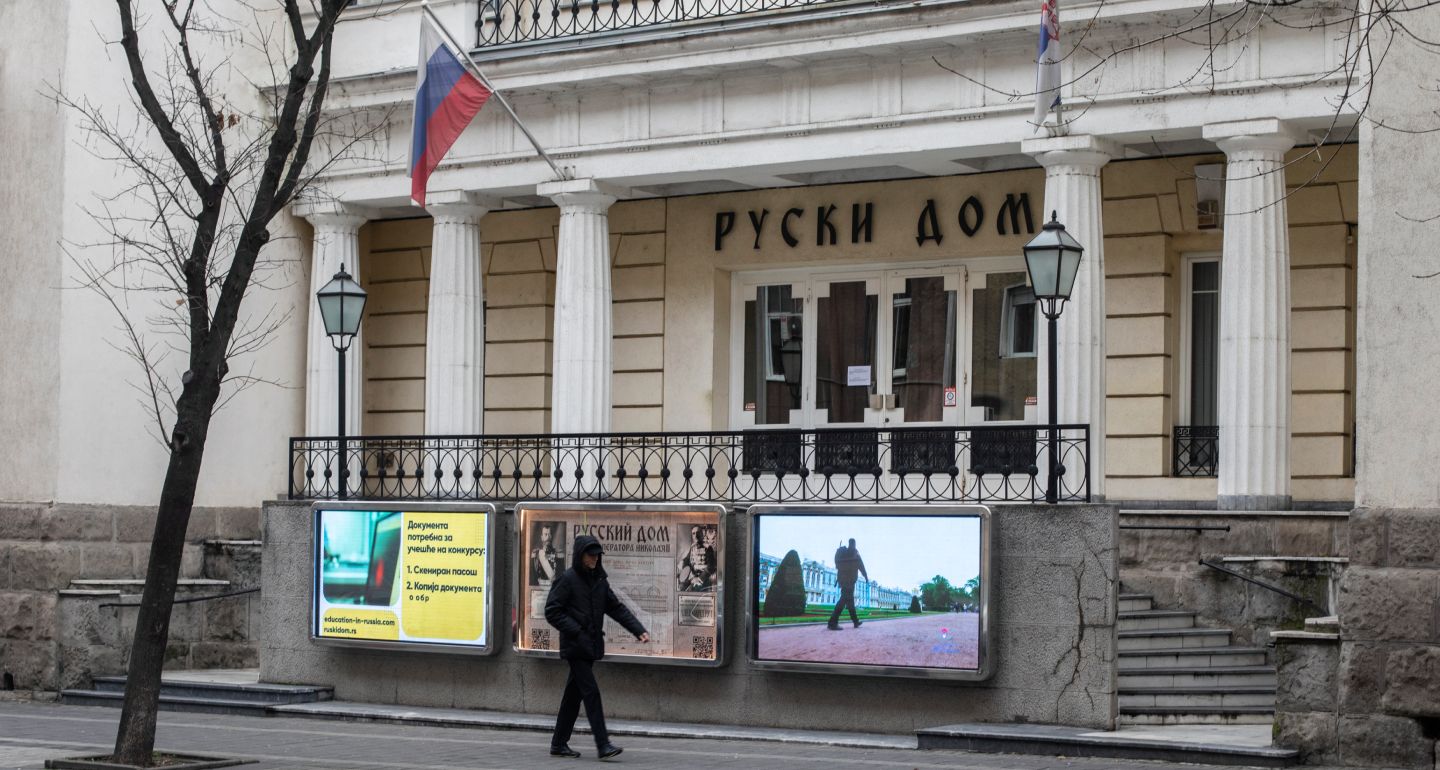
It’s a testing time for Russia’s policy in Serbia and the wider region, but it would be premature to conclude from one political setback that the days of Russian influence are over.

Dimitar Bechev

A gas deal would create palpable economic value, but it wouldn’t fundamentally change the position of either Russia or the EU.
Sergey Vakulenko