

Commentary
Ultimately, Zelensky sided neither with the reform camp nor with the military establishment as such, but with political control.
Balázs Jarábik
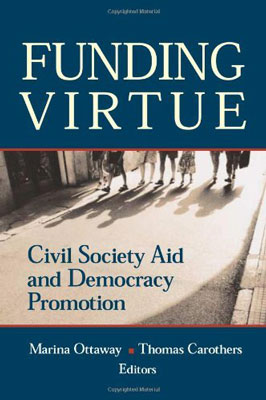
A diverse, distinguished group of democracy experts and civil society practitioners from both donor and recipient countries analyze civil society aid in five regions, including country case studies of South Africa, the Philippines, Peru, Egypt, and Romania.
Source: Washington

Funding Virtue: Civil Society Aid and Democracy Promotion critically examines this burgeoning field. A diverse, distinguished collection of democracy experts and civil society practitioners from both donor and recipient countries analyze civil society aid in five regions, including country case studies of South Africa, the Philippines, Peru, Egypt, and Romania. The authors focus on crucial issues and dilemmas, such as the relationship between donor conceptions of civil society and local realities, the effects of civil society programs, and how aid can be improved. The book's broad geographic reach, practical focus, and analytic rigor make it an invaluable guide to this vital new area of international affairs.
Contributors: Mustapha Kamel Al-Sayyid, Cairo University, Egypt; Carlos Basombrio, Instituto de Defensa Legal, Peru; Imco Brouwer, European University Institute; Thomas Carothers, Carnegie Endowment; Stephen Golub, Open Society Institute; Chris Landsberg, Centre for Policy Studies, South Africa; Marina Ottaway, Carnegie Endowment; Dan Petrescu, World Bank, Romania; Kevin Quigley, Global Alliance, International Youth Foundation; Mary Racelis, University of the Philippines; Michael Shifter, Inter-American Dialogue.
About the Editors
Marina Ottoway, co-editor, is a senior associate at the Carnegie Endowment for International Peace. A leading scholar of African politics, she has written extensively on political change and international aid in developing countries, including her book Africa's New Leaders: Democracy or State Reconstruction? (Carnegie Endowment, 1999).
Thomas Carothers, co-editor, is vice president for studies and director of the Democracy and Rule of Law Project at the Carnegie Endowment for International Peace. A leading specialist in democracy promotion, he has published numerous books on democracy aid, including Aiding Democracy Abroad: The Learning Curve (Carnegie Endowment, 1999).
"...well-written, very insightful, and filled with good information. An indispensable contribution for scholars and activists. Graduate and research collections."
—CHOICE

Harvey V. Fineberg Chair for Democracy Studies; Senior Fellow, Democracy, Conflict, and Governance Program
Thomas Carothers, a senior fellow in the Carnegie Endowment for International Peace’s Democracy, Conflict, and Governance Program, is a leading expert on comparative democratization and international support for democracy.
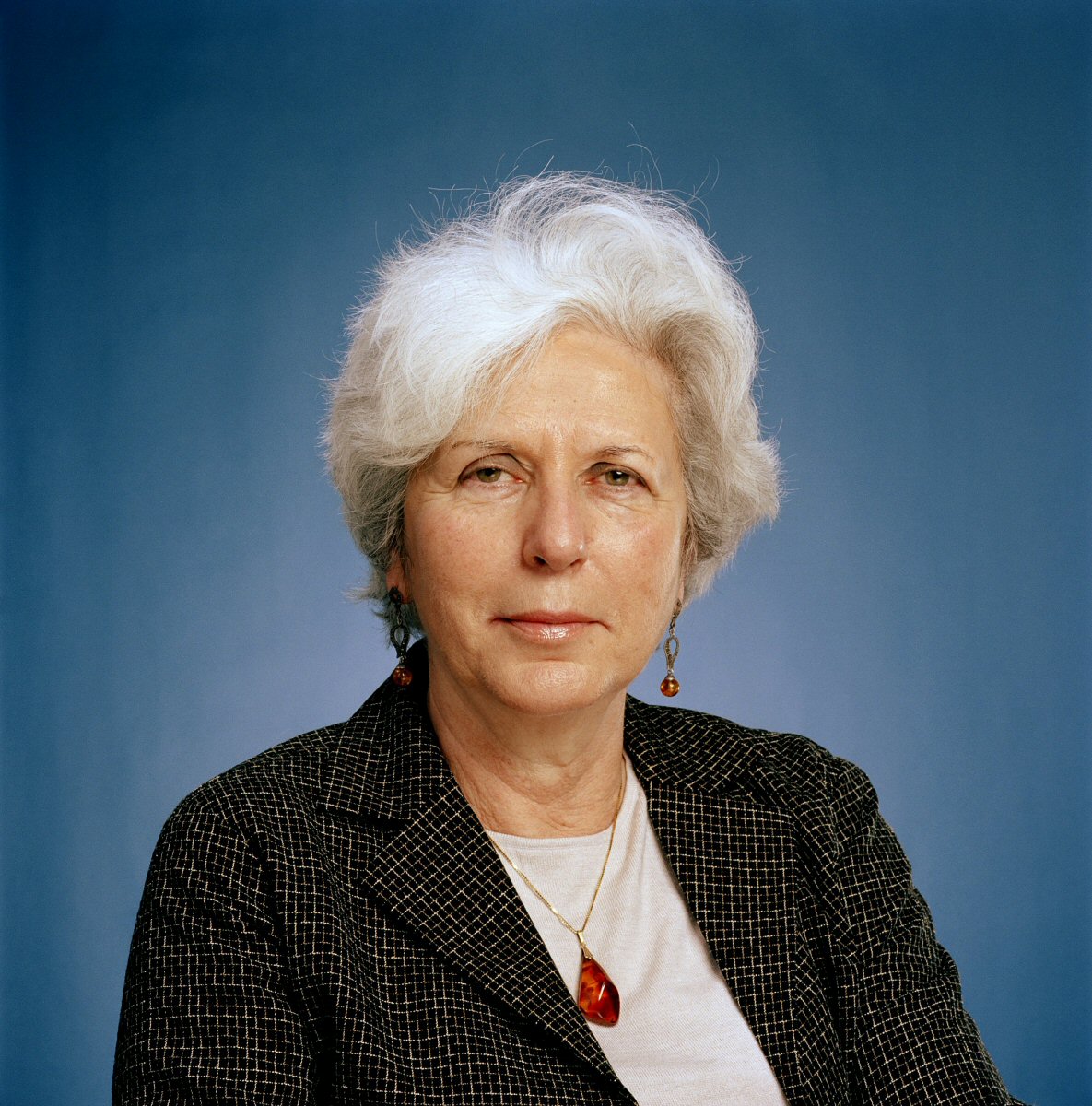
Former Senior Associate, Middle East Program
Before joining the Endowment, Ottaway carried out research in Africa and in the Middle East for many years and taught at the University of Addis Ababa, the University of Zambia, the American University in Cairo, and the University of the Witwatersrand in South Africa.
Carnegie does not take institutional positions on public policy issues; the views represented herein are those of the author(s) and do not necessarily reflect the views of Carnegie, its staff, or its trustees.
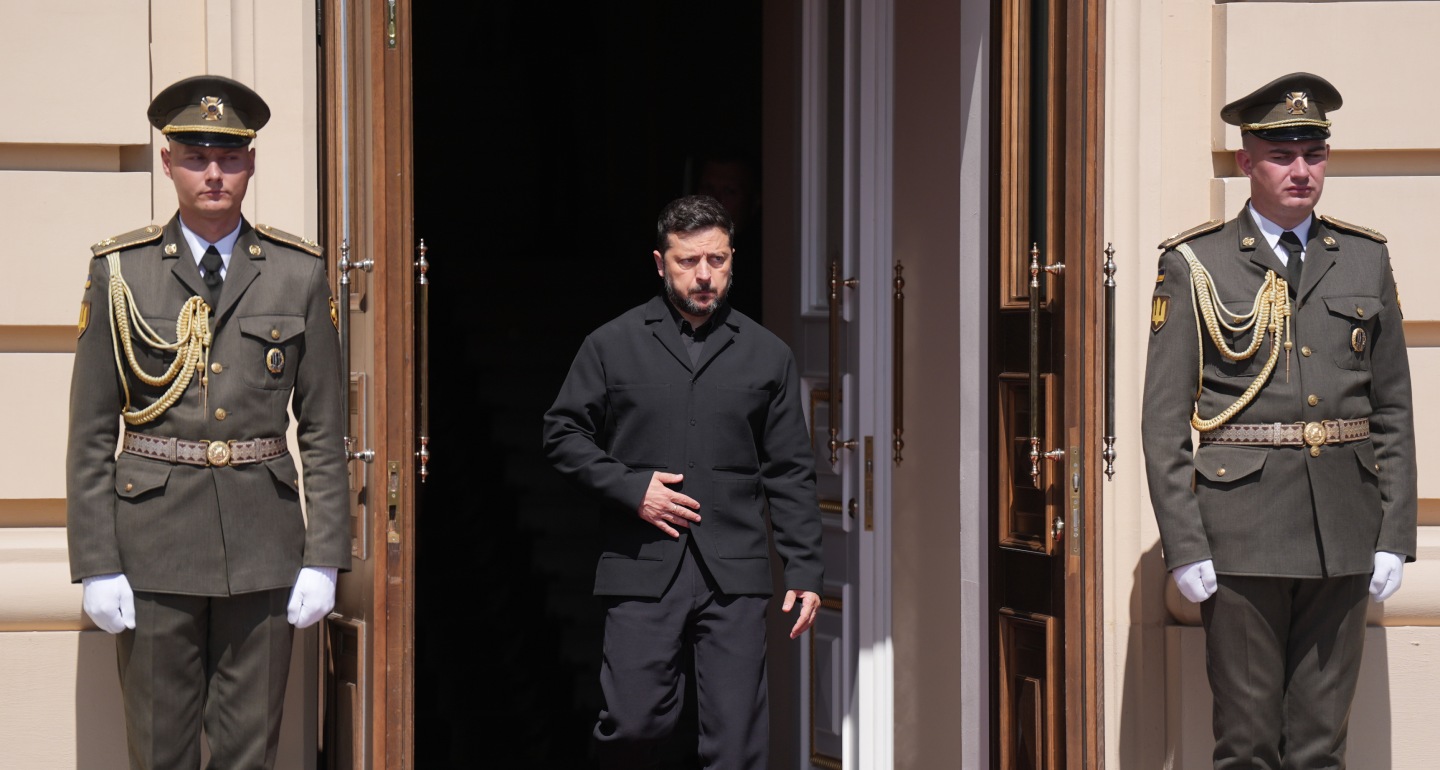
Ultimately, Zelensky sided neither with the reform camp nor with the military establishment as such, but with political control.

Balázs Jarábik
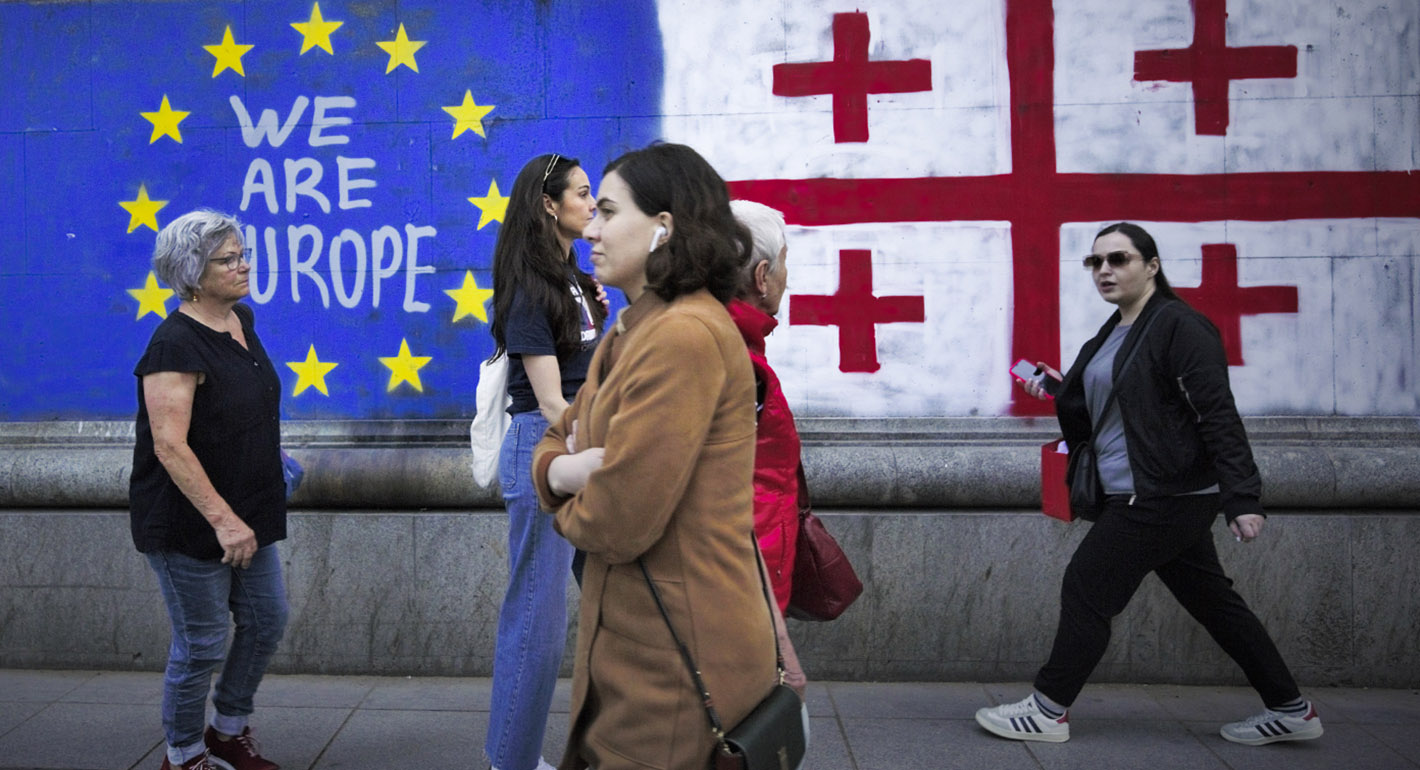
By adopting the law on foreign agents, the ruling Georgian Dream party is inviting Russia and the West to compete for Tbilisi’s favor.
Vladimir Solovyov
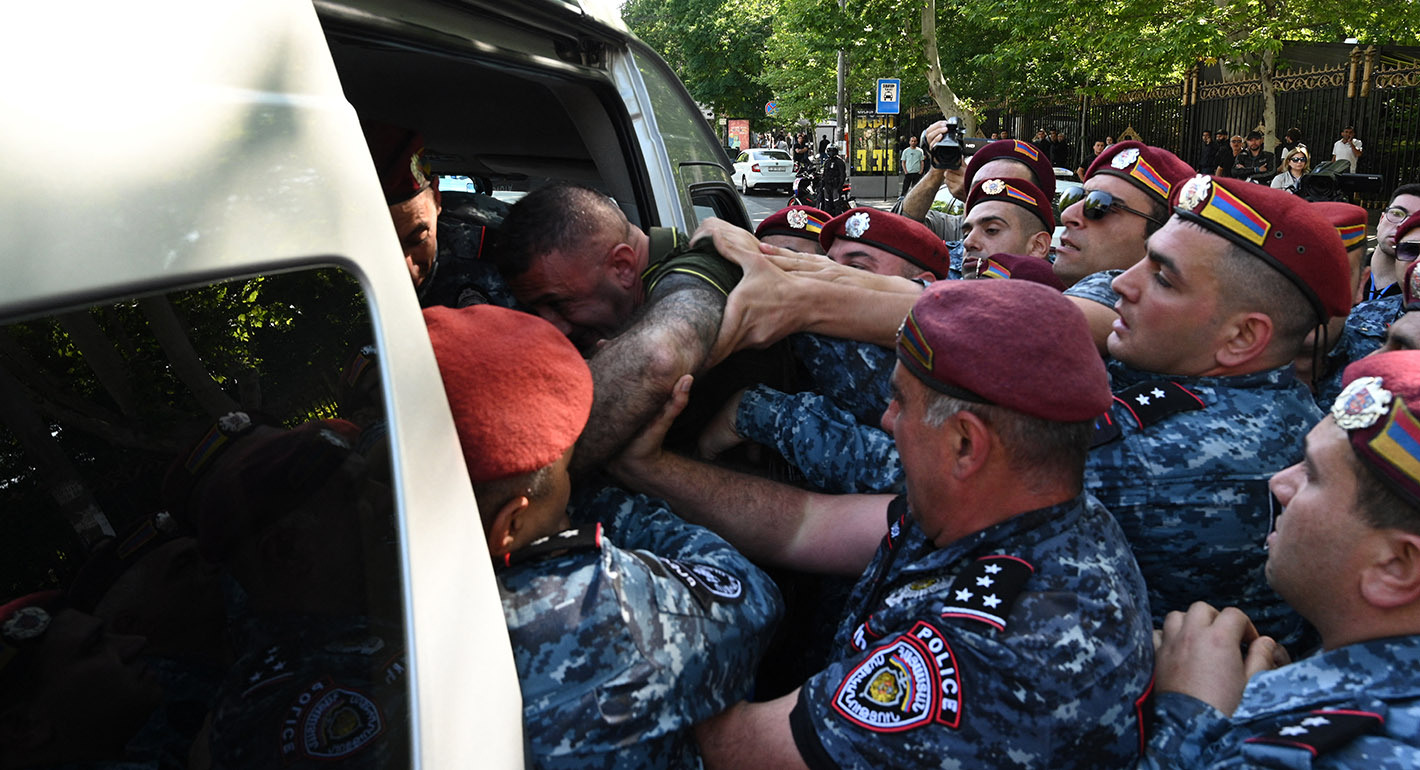
Armenia’s Nikol Pashinyan is known as a political survivor, but the current unrest—led by a clergyman—is his biggest domestic political challenge yet.

Alexander Atasuntsev
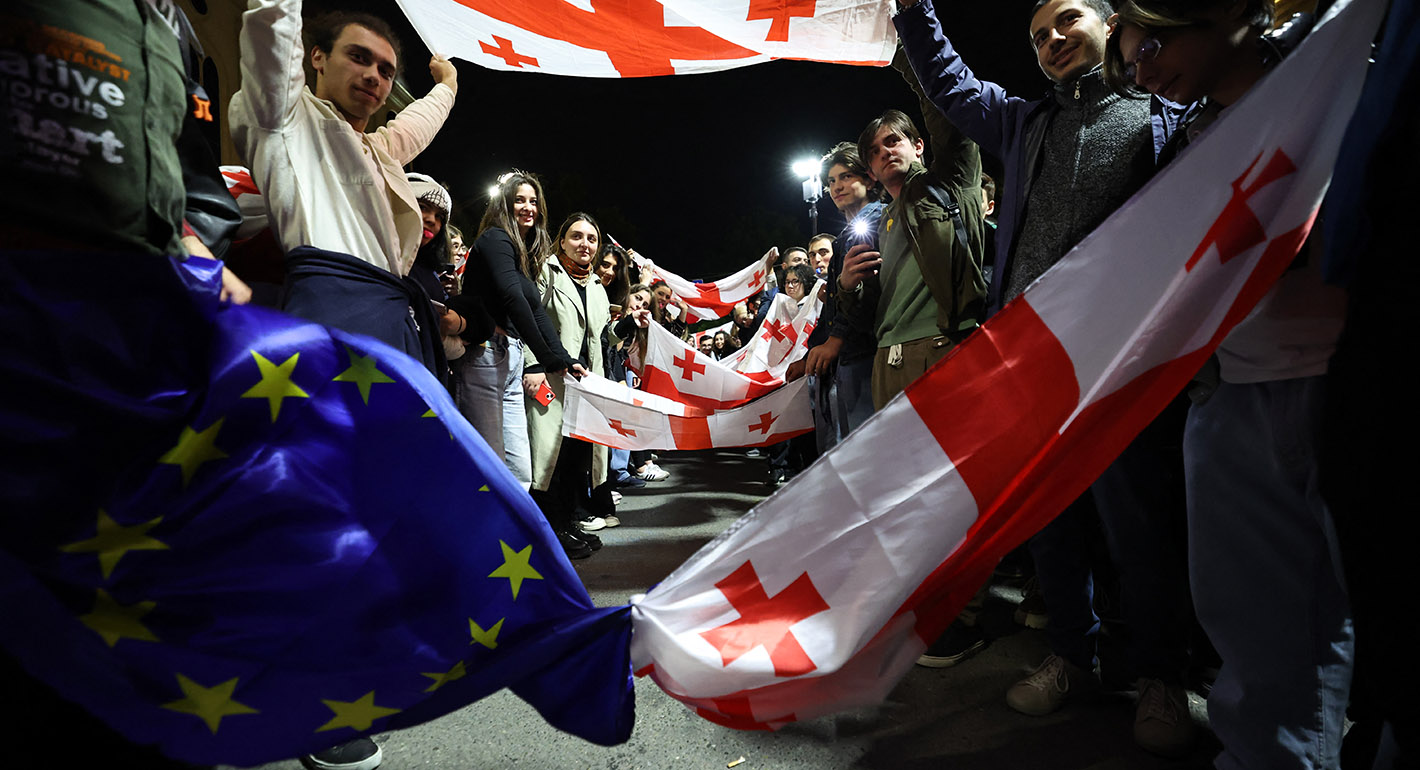
Passage of the controversial bill may drive a wedge between Tbilisi and Brussels and pave the way for a rapprochement with Russia.
Emil Avdaliani
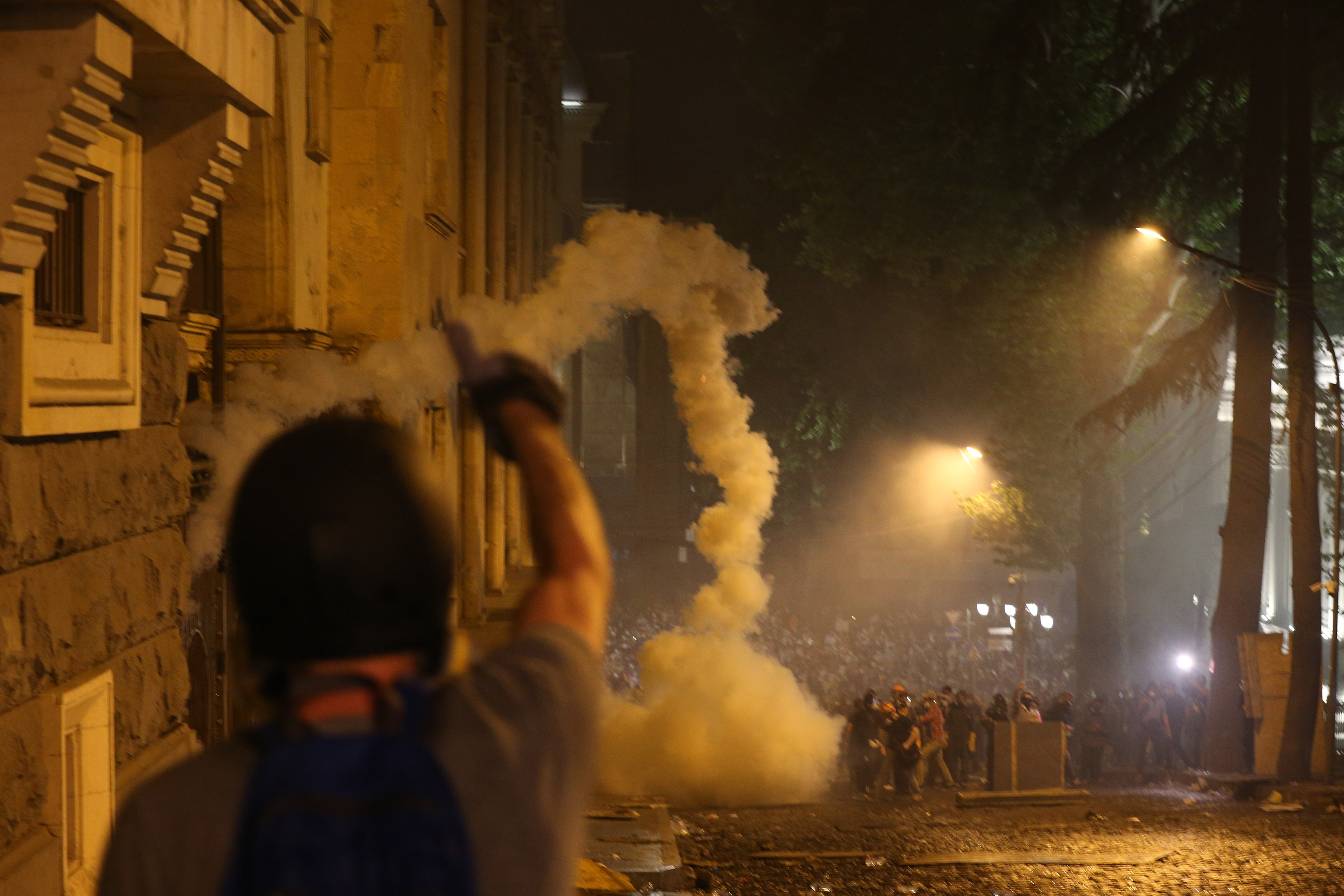
Georgian Dream, which until recently looked certain to win another victory in this year’s elections, now risks repeating last year’s mistake—only this time, the stakes are higher.
Alexander Atasuntsev