

Commentary
A leak of Russian gas price data helps establish that China is paying Russia far less than Central Asian countries and Gazprom’s former European customers.
Sergey Vakulenko

REQUIRED IMAGE
Recently, pressures for fiscal decentralization have increased in various parts of the world. When cultural, ethnic, or linguistic diversity characterizes a country's population, the justification for giving different regions more control over their political and economic decisions seems to acquire more legitimacy.
Recently, pressures for fiscal decentralization have increased in various parts of the world. When cultural, ethnic, or linguistic diversity characterizes a country's population, the justification for giving different regions more control over their political and economic decisions seems to acquire more legitimacy.
In Pitfalls on the Road to Fiscal Decentralization, Vito Tanzi discusses issues relevant to the question of whether or not fiscal decentralization would generate the positive results that its supporters claim. Tanzi argues that if countries meet certain conditions before the process of decentralization begins, positive outcomes are more likely to occur because of decentralization. Likewise, Tanzi notes that there may be alternatives preferable to decentralization that countries should first carefully consider before making any final decisions.
Click on link above for full text of this Carnegie Paper.
A limited number of print copies are also available.
Request a copy
Former Senior Associate
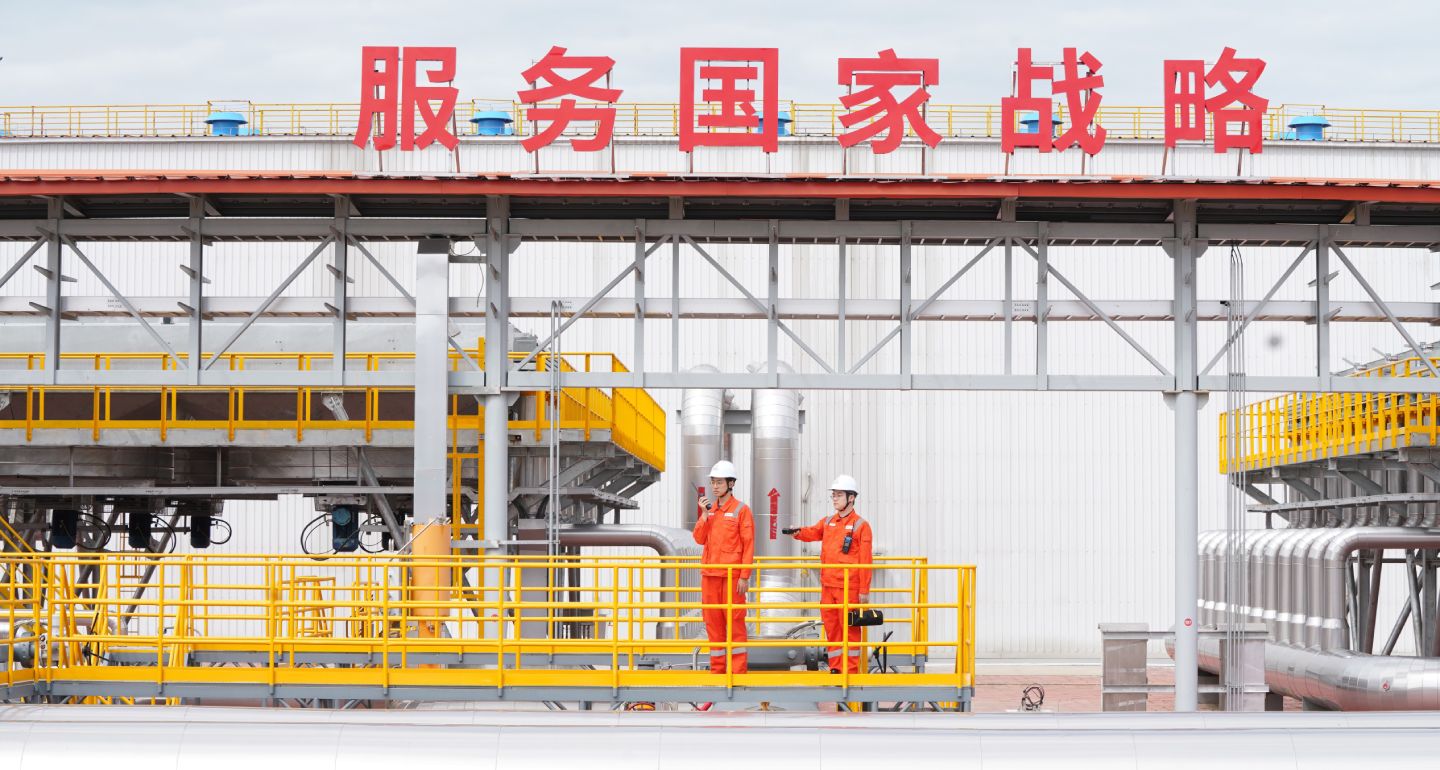
A leak of Russian gas price data helps establish that China is paying Russia far less than Central Asian countries and Gazprom’s former European customers.

Sergey Vakulenko

Without a ceasefire with Ukraine on attacking each other’s energy infrastructure—to which the Kremlin is unlikely to agree—the diesel agreement between Putin and Trump is largely for show, rather than representing a genuine increase in the volumes of Russian diesel on the global market.
Sergey Vakulenko

Russian strikes are weakening the economy sustaining Ukraine’s war effort. Closing the growing funding gap will require more European support and politically contentious reforms in Kyiv.

Balázs Jarábik

For every ruble allocated to social policy, health, and education in 2027, double that amount is earmarked for the army, the police, and the security services.

Alexandra Prokopenko

Cargo traffic through Russia’s Northern Sea Route has increased because of the disruption caused by the conflict in the Middle East, the Ukraine war, and U.S.-China tensions.

Mikhail Korostikov