

Commentary
It is in both countries’ interests to cooperate, since each can provide the other with something in short supply: Russia needs artillery shells for its war, while North Korea needs humanitarian aid.
Fyodor Tertitskiy

REQUIRED IMAGE
On May 12, the United States, North Korea and the other members of the 6-Party talks on North Korea’s nuclear program will hold a first round of working level talks. Don’t expect any progress, however, either at these talks or anytime until after the November U.S. election. Both sides are playing the waiting game and hoping the circumstances will improve their position after the election.
Each day that passes allows North Korea to advance its nuclear capabilities and further establish itself as the ninth nuclear weapon state. The exact size of North Korea’s nuclear arsenal is a mystery, but press reports suggest that portions of the U.S. intelligence community believe Pyongyang has quadrupled its arsenal to 8-9 weapons in the past year.
On May 12, the United States, North Korea and the other members of the 6-Party talks on North Korea’s nuclear program will hold a first round of working level talks. Don’t expect any progress, however, either at these talks or anytime until after the November U.S. election. Both sides are playing the waiting game and hoping the circumstances will improve their position after the election.
Each day that passes allows North Korea to advance its nuclear capabilities and further establish itself as the ninth nuclear weapon state. The exact size of North Korea’s nuclear arsenal is a mystery, but press reports suggest that portions of the U.S. intelligence community believe Pyongyang has quadrupled its arsenal to 8-9 weapons in the past year. It’s not known if North Korea is willing to trade its nuclear capabilities for a new relationship with the United States, but it is clear that the price they may demand for yielding their nuclear assets has gone up, not down, since the slow moving nuclear crisis began in October 2002. It also appears that Pyongyang hopes to find a more willing negotiating partner should Senator John Kerry win the November election.
The Bush administration continues to hold to a tough public line, maintaining that the U.S. will only improve relations with Pyongyang once that state agrees to the complete, verified, and irreversible dismantlement of its nuclear program. The goal is the right one, but demanding that Pyongyang move first to disarm before any benefits begin to flow to the North has allowed North Korea to play the victim in the international arena. Even close U.S. allies in the region are asking the U.S. to show more flexibility. It appears, however, that the United States is prepared to maintain this line as long as the negotiating process, such as it is, continues. On-going talks, despite a total lack of progress, allow the President and his campaign to maintain the U.S. is successfully managing the nuclear issue, when in fact it is moving closer and closer to growing out of anyone’s control. In the end, the President’s advisors believe they will be in a stronger position to negotiate if and when they win re-election.
So with both sides waiting out the clock, there is little hope that progress
will be made anytime soon. However, as the clock continues to tick, Pyongyang
may look to create an even greater crisis at a time of its choosing to put pressure
on the U.S. to negotiate under duress. Previously, such gambits were unsettling.
Now that North Korea’s nuclear capabilities are coming of age, they are
more dangerous than ever.
Additional Resources:
Click here to return to ProliferationNews.org
Carnegie does not take institutional positions on public policy issues; the views represented herein are those of the author(s) and do not necessarily reflect the views of Carnegie, its staff, or its trustees.
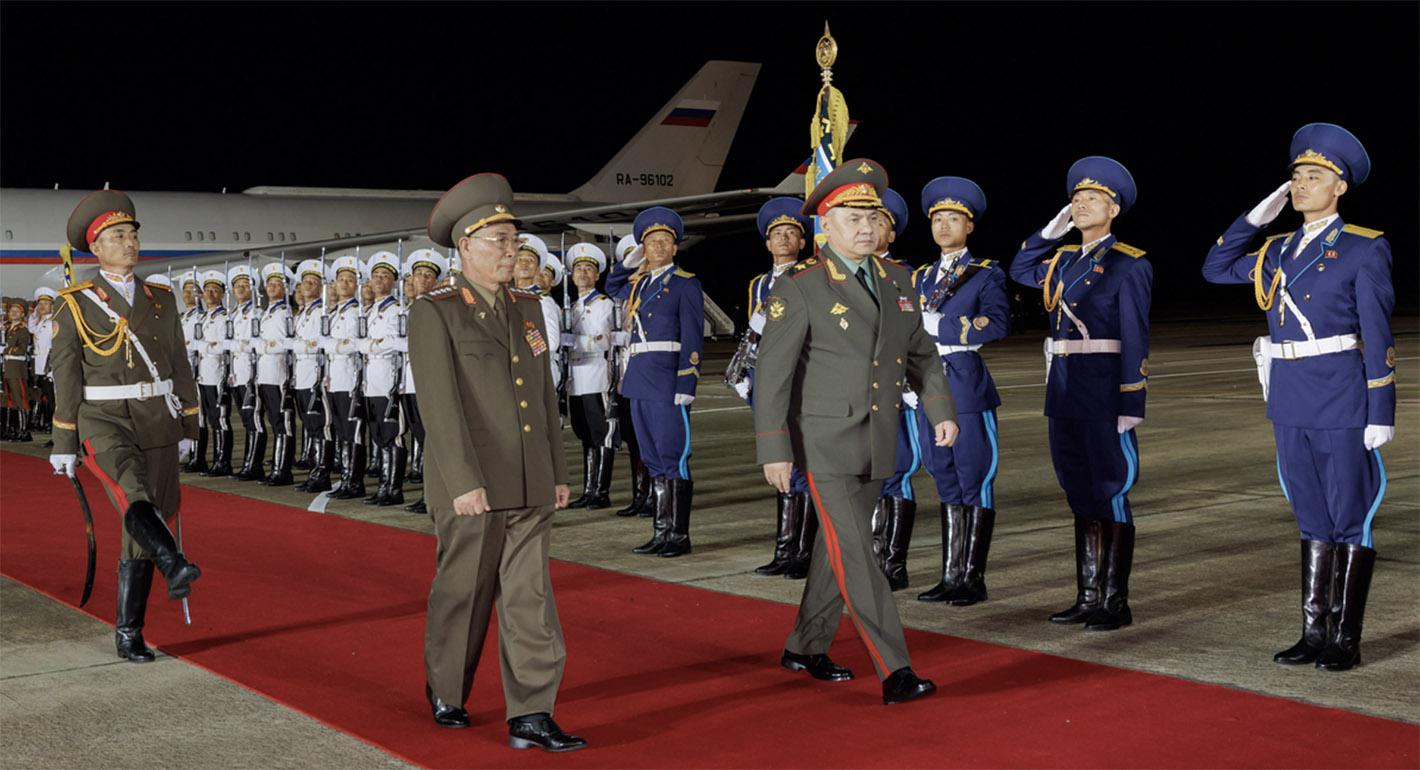
It is in both countries’ interests to cooperate, since each can provide the other with something in short supply: Russia needs artillery shells for its war, while North Korea needs humanitarian aid.

Fyodor Tertitskiy
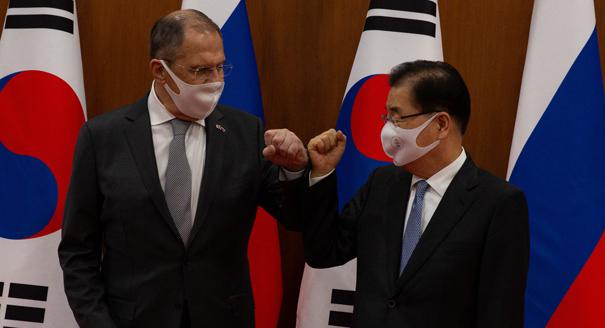
The U.S.-Russia standoff has escalated so much in recent years that other countries find it almost impossible to maintain good relations with both Washington and Moscow. Those who manage to tread that line successfully include South Korea.
Fyodor Tertitskiy
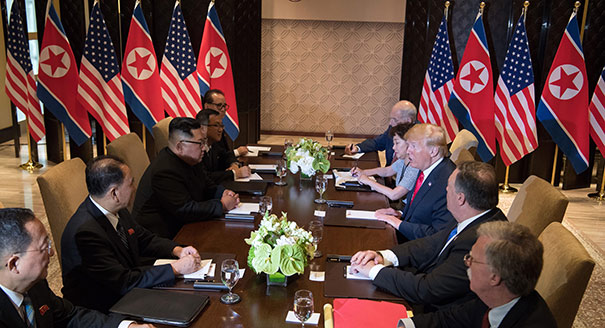
It’s not impossible that the Singapore summit will spark a process that succeeds. But the president’s all-or-nothing approach to denuclearizing North Korea is a misrepresentation to the summit’s outcome.

James M. Acton
The upcoming 19th Party Congress and top political appointments will determine what course China will take in the future under President Xi Jinping’s leadership.


Yukon Huang, Paul Haenle, James M. Acton, …
The smart way to get tough on Iran would be to commit to the nuclear deal, enforce it to the hilt, and work with global partners on a long-term strategy to deal with Iran’s challenge.


William J. Burns, Jake Sullivan