

Commentary
Trump has promised Belarus a massive potash deal. But Minsk is seeking something greater: restored Western transit and greater room for maneuver from Russia.
Balázs Jarábik

REQUIRED IMAGE
The following is adapted from the remarks of Dr. Hans Blix, chairman of the Weapons of Mass Destruction Commission, to the 2004 Carnegie International Non-Proliferation Conference, June 21 and 22, 2004.
Source: Carnegie
The following is adapted from the remarks of Dr. Hans Blix, chairman of the Weapons of Mass Destruction Commission, to the 2004 Carnegie International Non-Proliferation Conference, June 21 and 22, 2004.
Every government has the duty, in accordance with established principles of international law, to ensure that its territory is not used as a base for attacks against other states. And if there is a failure in this duty, then the world will endorse forcible intervention, as it did with the Taliban government in Afghanistan. This is hardly an area for unilateral actions, but rather one for more international cooperation in day-to-day field work of national intelligence, police and financial institutions to trace persons, resources, weapons and dangerous material. It is also an area for action in the U.N. and other international organizations to promote such cooperation and to delegitimize terrorist actions.
Any government learning that a 9/11, perhaps with weapons of mass destruction, is about to happen cannot sit and wait, but will seek to prevent it. However, such preventive action, if undertaken without the authorization of the Security Council, would have to rely critically upon solid intelligence if it were to be internationally accepted. The case of Iraq cannot be said to have strengthened faith in national intelligence as a basis for preemptive military action without Security Council authorization. Saddam Hussein did not have any weapons of mass destruction in March 2003, and the evidence invoked of the existence of such weapons had begun to fall apart even before the invasion started.
Saddam Hussein was not a valid object for counterproliferation. He was not an imminent or even a remote threat to the United States or to Iraq's neighbors.
A continuation of the inspections, as desired by the majority of members of the Security Council, would have allowed visits to all sites suspected by national intelligence agencies and would have yielded no weapons of mass destruction because there were none. Launching the war would have become more difficult unless Iraq resumed the cat-and-mouse play with inspectors, in which case I'm convinced that the Security Council would have authorized force.
We cannot devise inspection systems that give 100 percent guarantee about the absence of limited research efforts or equipment or facilities of limited size. We must settle for something practical. The additional protocol adopted in '97 brings substantial improvements in the agency's right of information and access, and hence, in the effectiveness of safeguards. It is to be welcome that Japan and the European Union members have now accepted the protocol and, thereby, set an example for other states. I note that the new IAEA safeguard system has drawn inspiration from the various inspection methods first used in Iraq. In a way, one could say that Iraq almost serves like a laboratory for new inspection techniques; for instance, in the greater use of satellite imagery; analysis of environmental samples; and information from national intelligence services.
Today, most people recognize that there were no stocks or stores of weapons of mass destruction in Iraq in March 2003. For my own part, I had become increasingly skeptical about contentions and evidence presented by the U.S. and U.K. But UNMOVIC was not able, even in March 2003, to exclude that weapons unaccounted for could exist. It was only by the end of May 2003, after the occupation, that I concluded they did not exist. By that time, the occupying powers had interrogated large numbers of scientists, administrators and military people, offered them rewards for tips leading to weapons stores, and received no leads. Prior to the invasion defectors had been generous with such leads, but they proved all misleading.
In August 2002, Vice President Cheney had said that inspections were useless, at best; he and Secretary of Defense Rumsfeld prefer to give credence to the defectors. Yet the conclusion emerges that the presence of U.N. inspectors during the '90s, coupled with sanctions and outside military and diplomatic pressure, had kept Saddam in his box, without weapons of mass destruction, although he preferred to look defiant. Unlike the defectors and the national intelligence, the inspectors at least did not get it wrong.
I take some pride in the achievements of the international inspections. Professional work on the ground and analysis of documents plus critical thinking steered it clear of false conclusions that there were weapons of mass destruction.
This experience is of importance for the situations in the future, when inspections might be needed in the spheres of biological weapons and missiles, for which there exist no specialized international organizations. Perhaps UNMOVIC, with a somewhat modified mandate and with a small core staff and a roster of trained inspectors, could become a permanent, relatively low-cost instrument for the Security Council.
Inspections constitute important and impartial search machines with broad rights of access to sites, documents and persons. Although their vision is not unlimited, what they see and report is a vital contribution to the knowledge on which governments and the international community, including the Security Council, must base their conclusions and actions.
Carnegie does not take institutional positions on public policy issues; the views represented herein are those of the author(s) and do not necessarily reflect the views of Carnegie, its staff, or its trustees.

Trump has promised Belarus a massive potash deal. But Minsk is seeking something greater: restored Western transit and greater room for maneuver from Russia.

Balázs Jarábik

Minsk clearly expected the dialogue with Washington to yield more results, in particular the lifting of EU sanctions and permission to export potash.

Artyom Shraibman

Ongoing uncertainty in the Middle East allows Moscow to both increase its influence in Tehran and continue to enjoy the financial windfall of higher oil prices.

Nikita Smagin
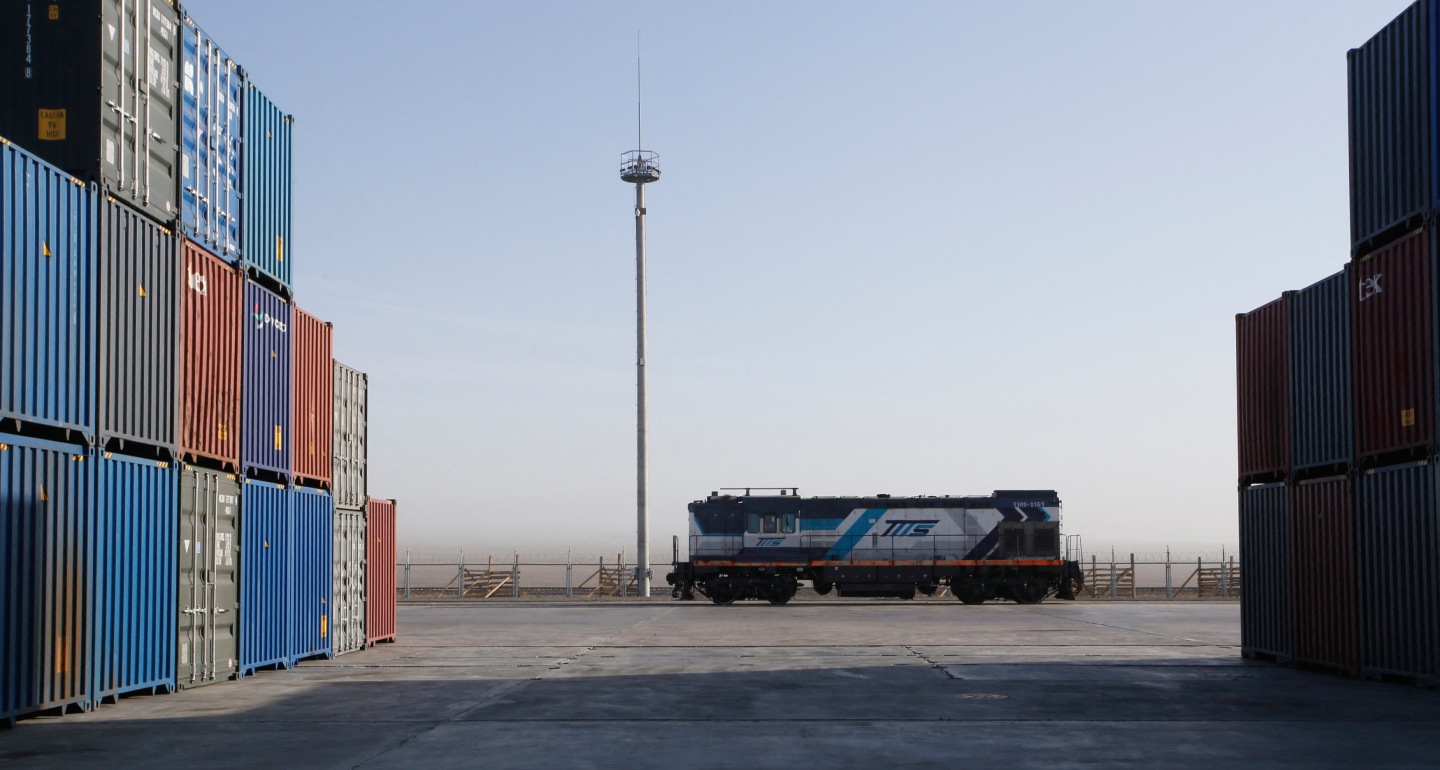
This year’s wars have made alternative routes to transit through Russia no less risky for Central Asian countries.

Galiya Ibragimova
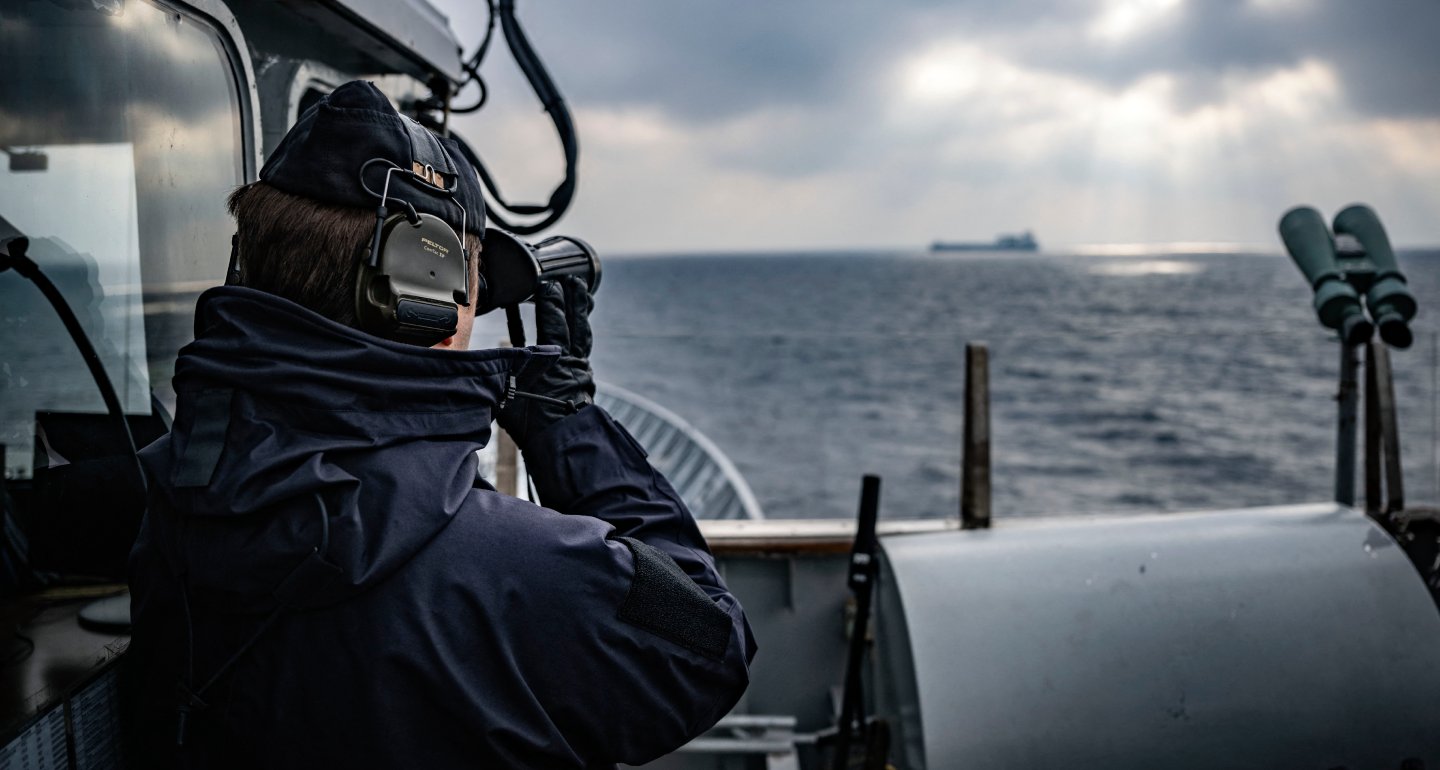
Governments in Estonia, Latvia, and Lithuania want to ensure that a U.S. military withdrawal would not leave them dangerously exposed to a Russian attack.

Sergejs Potapkins