

Commentary
By fueling the arguments of both supporters and opponents of Armenian Prime Minister Nikol Pashinyan, Azerbaijan wants to ensure he is re-elected with a weaker mandate.
Bashir Kitachaev

REQUIRED IMAGE
The regime of Bashar al-Asad is under pressure from Syrian citizens who want a different political system and from the United States, which wants Syria to change its regional policy. As a result, it is impossible to separate completely a domestic process of political reform from the external pressures.
Source: Carnegie Endowment
The issue of political reform in Syria straddles the line between reform of political institutions and removal from power of a particular regime and entails both domestic and external actors. In a new Carnegie Paper, Reform in Syria: Steering between the Chinese Model and Regime Change, the author explores the complexity of Syrian political reform.
The regime of Bashar al-Asad is under pressure from Syrian citizens who want a different political system and different leadership. He is also under pressure from the United States, which wants Syria to change its regional policy: stop intruding in Lebanese affairs, reduce support of Palestinian groups, and make a bigger effort to prevent infiltration of radical Islamists into Iraq. As a result, it is impossible to separate completely a domestic process of political reform from the external pressures. The two are entangled to a much greater extent than in any other country in the region except Iraq, and the analysis found in this Carnegie Paper reflects this entanglement.
Click on link above for the full text of this Carnegie Paper.
A limited number of print copies are available.
Request a copy
About the Author
Ellen Lust-Okar is an associate professor in the Department of Political Science and chair of the Council on Middle East Studies at Yale University.
Ellen Lust-Okar
Carnegie does not take institutional positions on public policy issues; the views represented herein are those of the author(s) and do not necessarily reflect the views of Carnegie, its staff, or its trustees.

By fueling the arguments of both supporters and opponents of Armenian Prime Minister Nikol Pashinyan, Azerbaijan wants to ensure he is re-elected with a weaker mandate.

Bashir Kitachaev

A much-discussed disagreement over internet restrictions in Russia was never an existential threat for Putin: It was about elite groups protecting their interests.

Alexandra Prokopenko

By reminding the world that Lukashenko is a threat to NATO and Ukraine, Kyiv is trying to return the focus to why the Belarusian regime needs to be contained rather than rewarded.

Artyom Shraibman

The demands of the Kremlin’s war in Ukraine, demographic problems, and public hostility toward Central Asians mean Russia does not have enough workers.

Salavat Abylkalikov
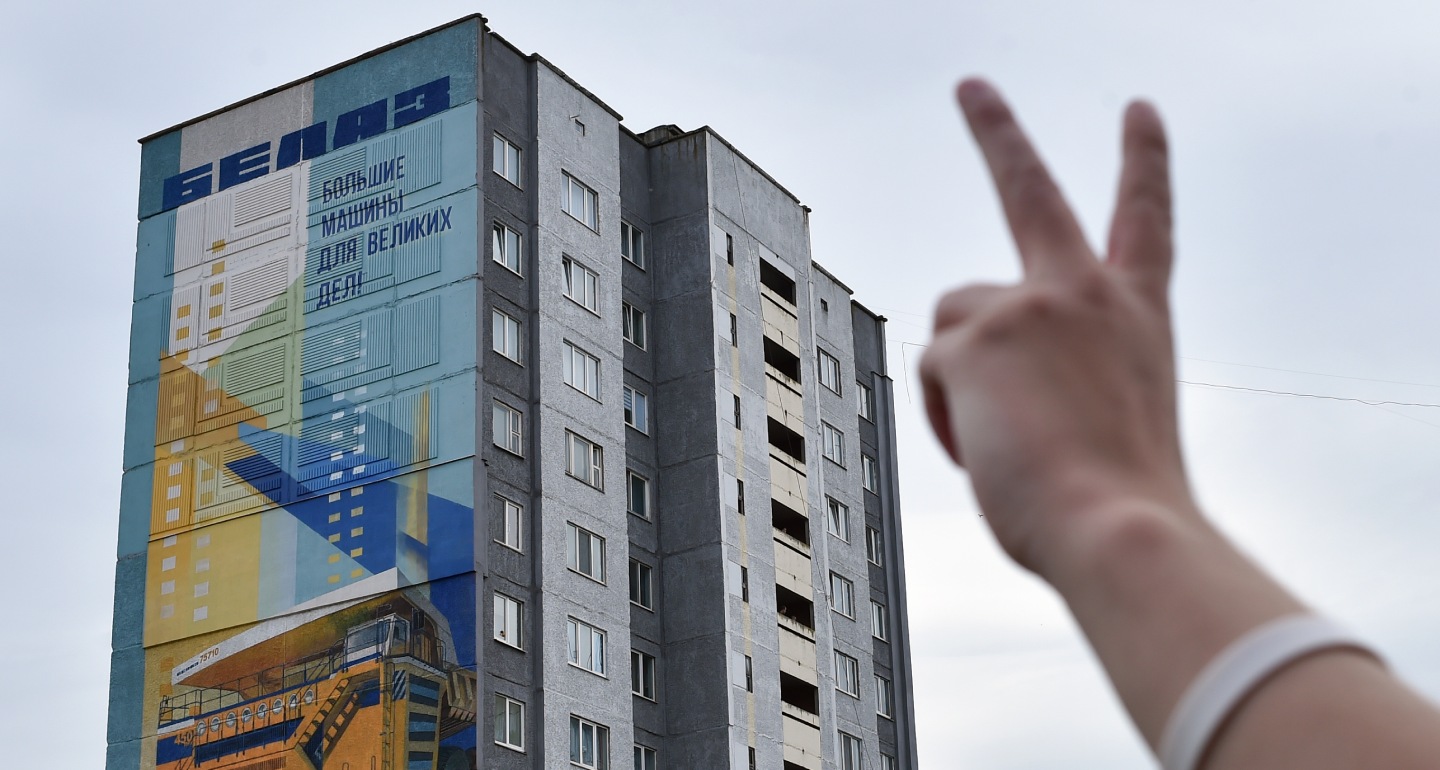
Minsk’s faith in the future of its larger neighbor’s economy is fading as Belarusian firms in Russia see record losses.

Olga Loiko