

Commentary
Ongoing uncertainty in the Middle East allows Moscow to both increase its influence in Tehran and continue to enjoy the financial windfall of higher oil prices.
Nikita Smagin

REQUIRED IMAGE
A recent article by Roger Stern suggests that because of a likely decline in Iranian oil exports and the attendant revenues, "Iran's claim to need nuclear power could be genuine". However, the suggestion that the Iranian nuclear power program is a response to an impending decline in Iranian oil exports is surely mistaken.
A recent article (Roger Stern, "The Iranian Petroleum Crisis and United States National Security", PNAS, January 2, 2007) suggests that, because of a likely decline in Iranian oil exports and the attendant revenues, "
Dramatic increases in OECD energy efficiency are a wise and necessary response to climate change in any case. If this contributes to the resolution of the Iranian nuclear crisis, so much the better. However, the suggestion that the Iranian nuclear power program is a response to an impending decline in Iranian oil exports is surely mistaken. Here are four reasons why:
1) Nuclear power's only use is making electricity, so it can displace only electricity producing fuels. Some 75% of
2) Nuclear energy is more expensive in
3)
4) If
Mr. Stern's wise suggested reductions in petroleum use in the OECD countries would of course impair budgets in several oil producing regions of concern to our government, including
Oil price declines have not numbered among either political party's accomplishments since that time, and oil is arguably underpriced in any case when its environmental and security implications are taken into account. But the contribution of inefficient end use to producing nation treasuries remains a worthy target.
So good luck, Mr. Stern.
Peter Bradford is a visiting lecturer on Nuclear Power and Public Policy at
Peter Bradford
Carnegie does not take institutional positions on public policy issues; the views represented herein are those of the author(s) and do not necessarily reflect the views of Carnegie, its staff, or its trustees.

Ongoing uncertainty in the Middle East allows Moscow to both increase its influence in Tehran and continue to enjoy the financial windfall of higher oil prices.

Nikita Smagin
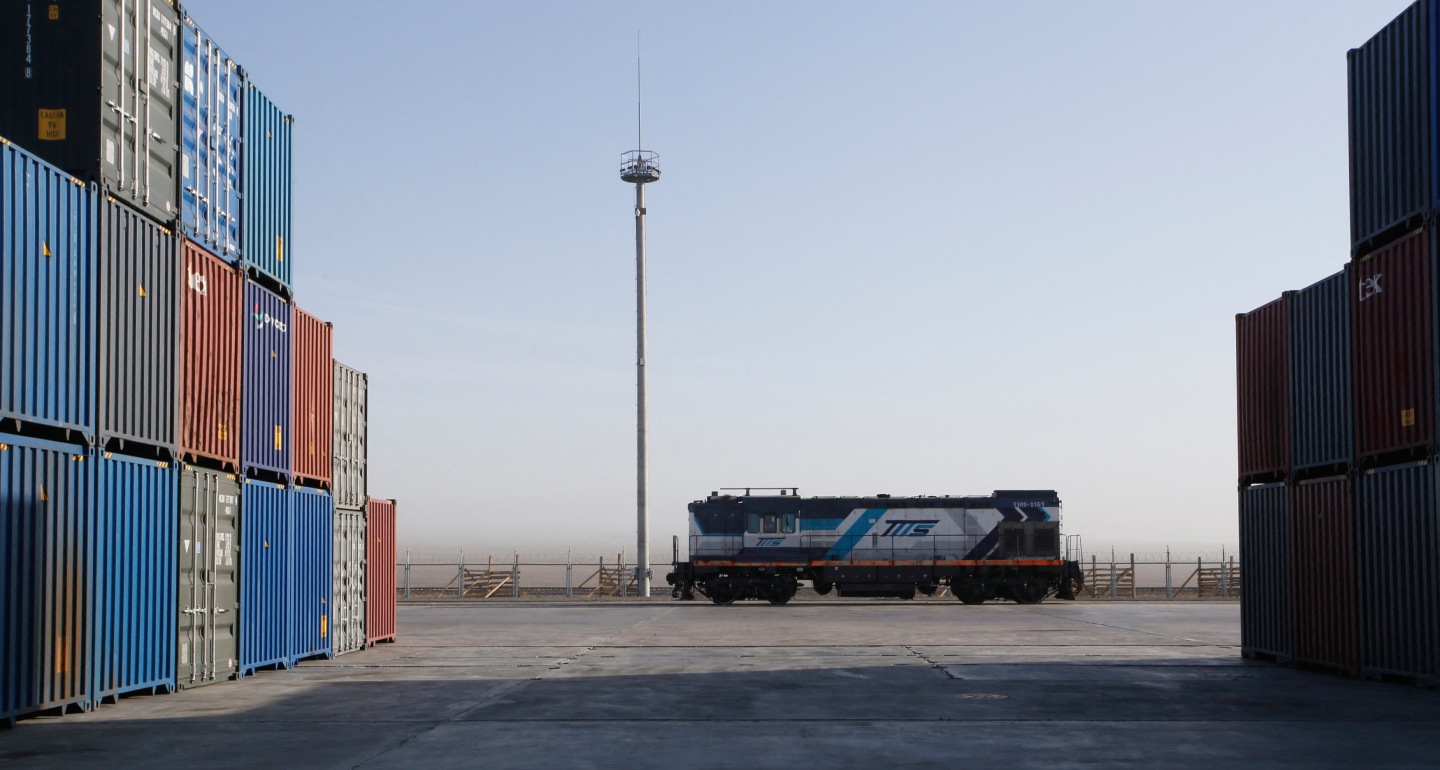
This year’s wars have made alternative routes to transit through Russia no less risky for Central Asian countries.

Galiya Ibragimova
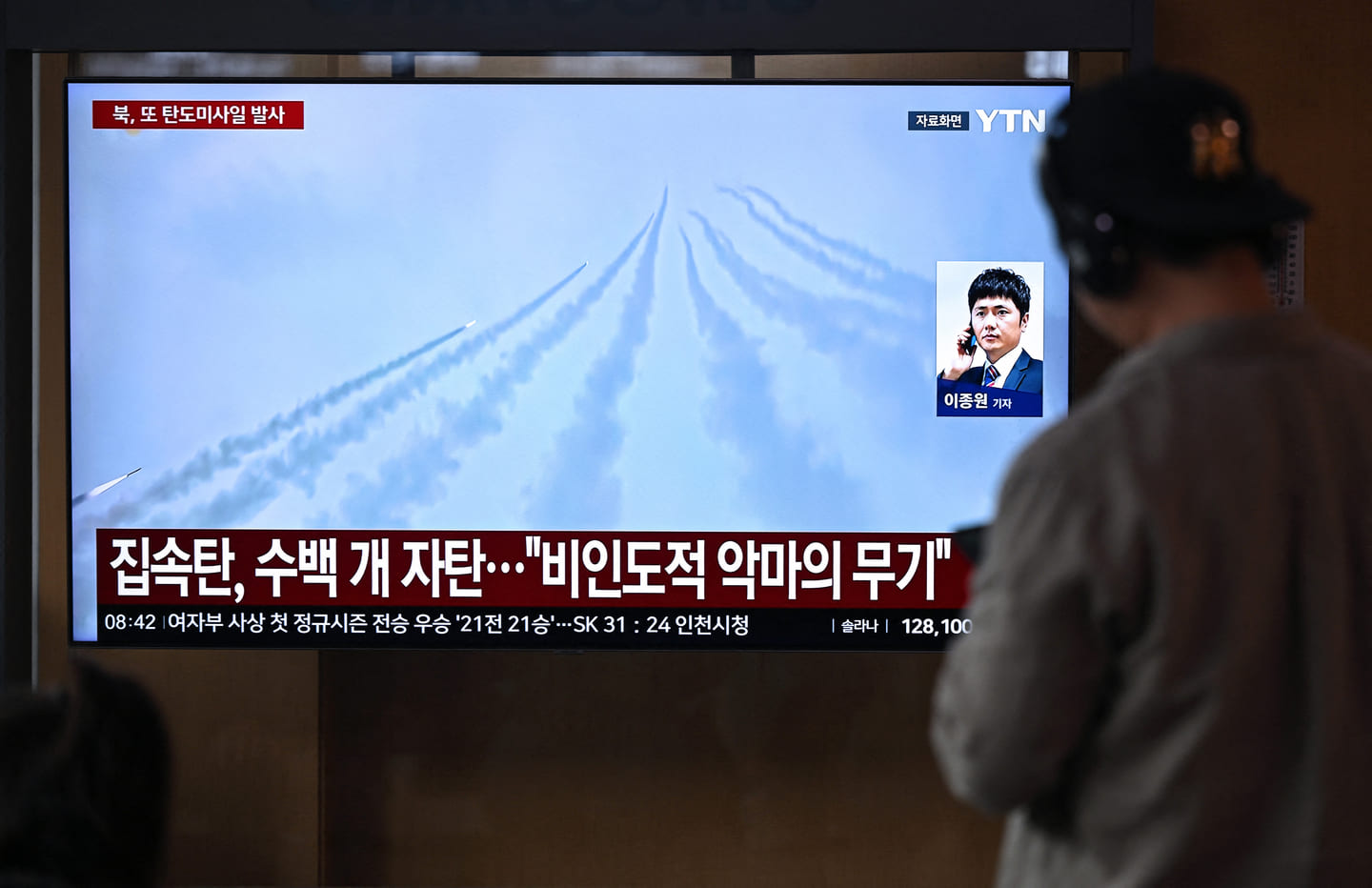
Troubled by the growing salience of nuclear debates in East Asia, Moscow has responded in its usual way: with condemnation and threats. But by exacerbating insecurity, Russia is forcing South Korea and Japan to consider radical security options.

James D.J. Brown
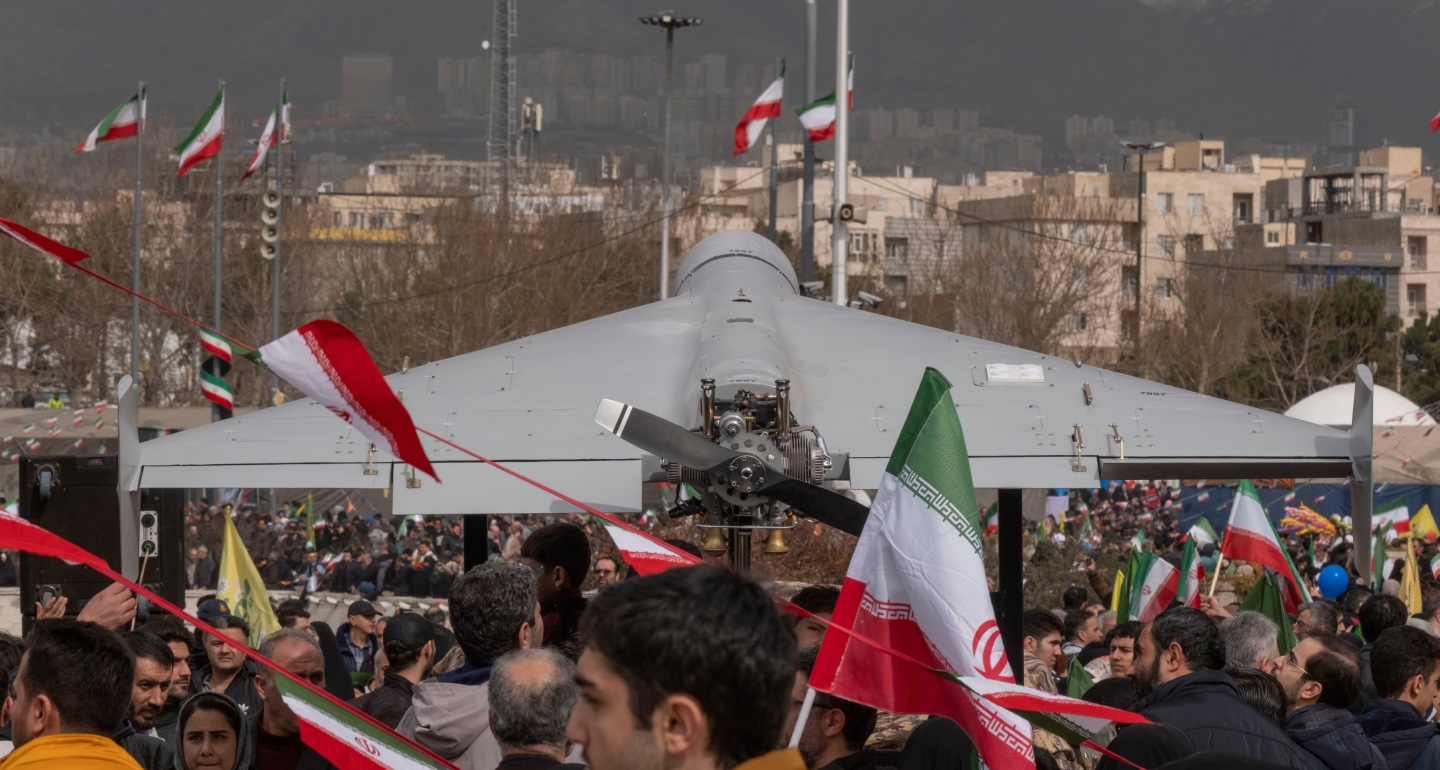
The Russian leadership wants to avoid a dangerous precedent in which it is squeezed out of Iran by the United States and Israel—and left powerless to respond in any meaningful way.
Nikita Smagin
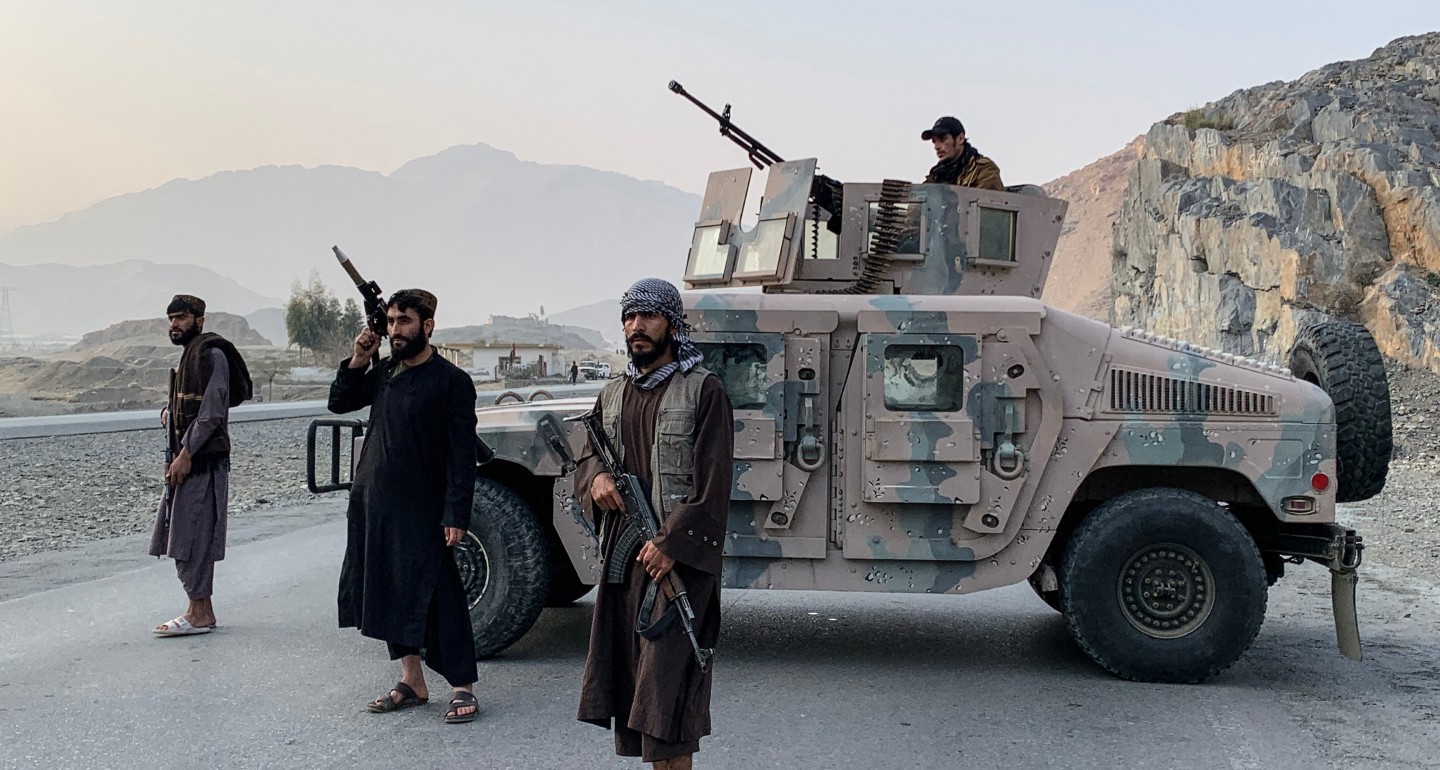
Not only does the fighting jeopardize regional security, it undermines Russian attempts to promote alternatives to the Western-dominated world order.

Ruslan Suleymanov