

In The Media
Martha Brill Olcott

REQUIRED IMAGE
The question of the relationship between Islamic believers and the state is a critical one; depending on how it is resolved, it either encourages, permits, or discourages the use of violence in the name of Islam.
Source: Carnegie Endowment
In this Carnegie Paper, Roots of Radical Islam in Central Asia, senior associate Martha Brill Olcott explores the actions of regional Islamic communities, particularly in Uzbekistan, to protest against governments that are “both largely unresponsive and…[made up] almost entirely by those who reject the teachings of Islam” – actions that include the evolution of the jihadi movements and the rise of key Islamic clerics and leaders.
Olcott contends that “the question of the relationship between Islamic believers and the state is a critical one; depending on how it is resolved, it either encourages, permits, or discourages the use of violence in the name of Islam.”
Click on icon above for the full text of this Carnegie Paper.
Martha Brill Olcott, is senior associate in the Russian and Eurasian Program at the Carnegie Endowment. She specializes in the problems of transitions in Central Asia and the Caucasus as well as the security challenges in the Caspian region more generally.
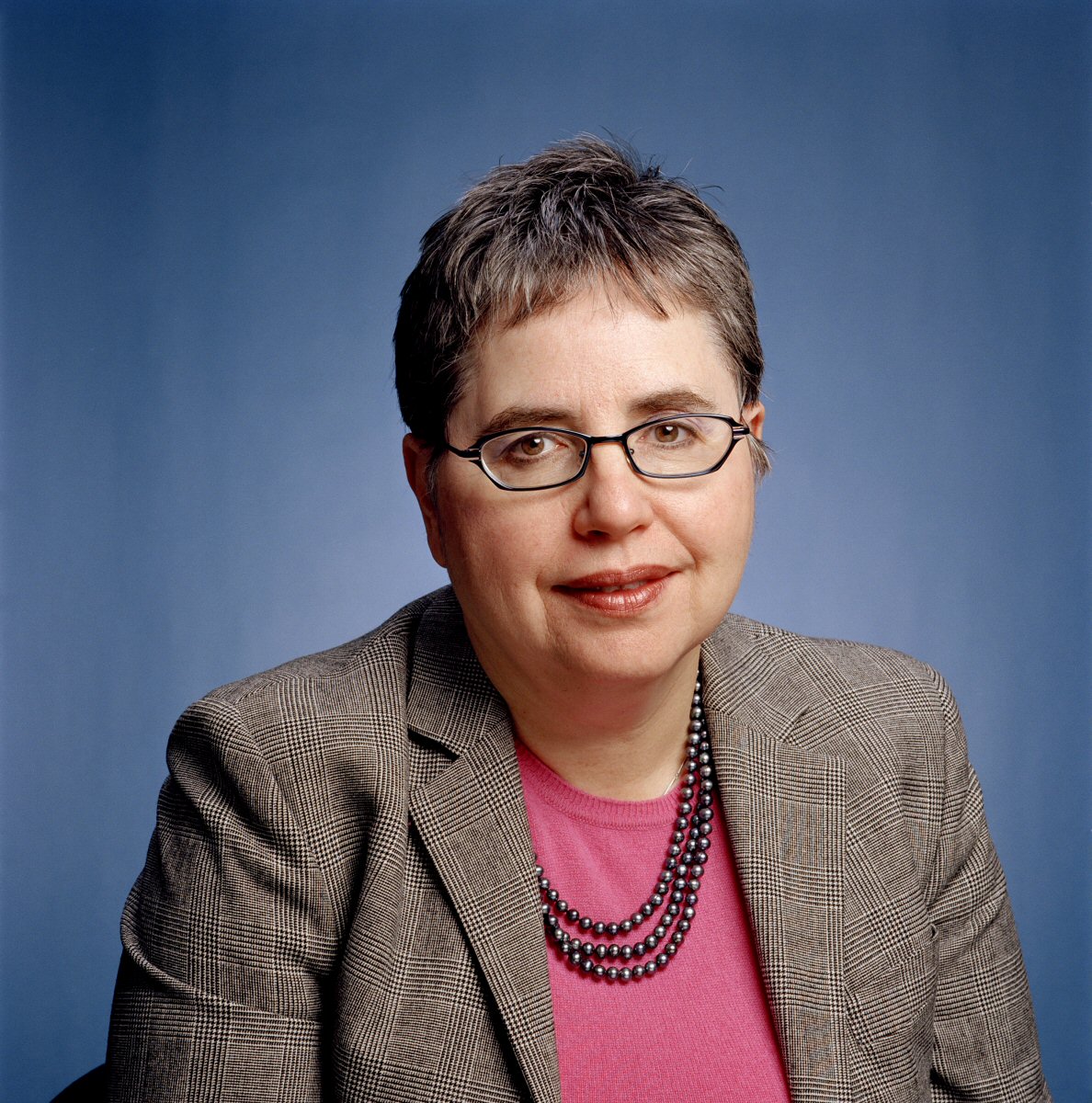
Former Senior Associate, Russia and Eurasia Program and, Co-director, al-Farabi Carnegie Program on Central Asia
Olcott is professor emerita at Colgate University, having taught political science there from 1974 to 2002. Prior to her work at the endowment, Olcott served as a special consultant to former secretary of state Lawrence Eagleburger.
Recent Work
Martha Brill Olcott
Martha Brill Olcott
Carnegie does not take institutional positions on public policy issues; the views represented herein are those of the author(s) and do not necessarily reflect the views of Carnegie, its staff, or its trustees.

Japan’s long-term security policy is driven by concerns about China, and there is little appetite for (or interest in) pursuing a confrontation with Moscow.

James D.J. Brown

The truth of the strategic situation is that Europe and Russia are extremely unlikely to be able to “turn the page” on their confrontation within the next two decades.

Arkady Moshes

Putin’s conservative staffing policies and search for ever greater control have cemented parliament’s transformation into a bureaucratic appendage of the executive branch.

Andrey Pertsev

Russia’s AI-driven propaganda campaigns operate in a fragmented, chaotic, and often illogical manner. That’s not necessarily a problem for the Kremlin, though: It’s much easier to mimic genuine public debate that way.

Ilya Klishin

Russian strikes are weakening the economy sustaining Ukraine’s war effort. Closing the growing funding gap will require more European support and politically contentious reforms in Kyiv.

Balázs Jarábik