

Commentary
In order to secure its economic interests in Libya, Russia is seeking to bolster Haftar’s influence over a future UN-brokered diplomatic settlement.
Samuel Ramani
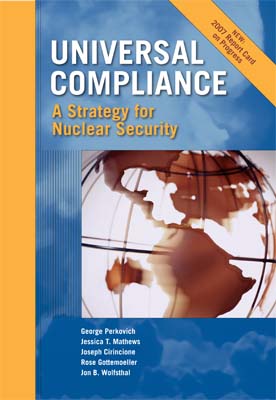
A team of leading nonproliferation experts offers a blueprint for rethinking the international nonproliferation regime. They offer a fresh approach to deal with states and terrorists, nuclear weapons, and fissile materials through a twenty-step, priority action agenda.
"By far the most comprehensive, the most creative, the most useful analysis and prescription I have ever seen…superb."
—Robert Gallucci, Dean, Georgetown University, School of Foreign Service
A team of leading nonproliferation experts offers a blueprint for rethinking the international nonproliferation regime. They offer a fresh approach to deal with states and terrorists, nuclear weapons, and fissile materials through a twenty-step, priority action agenda.
Starting with the premise that the United States cannot solve the nuclear proliferation challenge alone, the authors consulted with experts and officials in the United States and twenty countries across Europe, Asia, the Middle East, the former Soviet states, and Russia. The final report carefully captures the varying national interests driving nonproliferation policies—critical knowledge if the United States’ strategy is to win international support.
This new edition surveys the policies pursued by the U.S. and other governments over the past two years and compares them with Universal Compliance’s priority action agenda. New material also explores how the U.S.-India nuclear deal, the unresolved Iranian crisis, the North Korean nuclear test, and other developments challenge the future of the nonproliferation regime.
Click on the links above for full text and the 2007 Report Card on Progress or the links to the right for specific sections.
About the Authors
George Perkovich is vice president for studies at the Carnegie Endowment for International Peace. Jessica T. Mathewsis president of the Carnegie Endowment for International Peace. Joseph Cirincione is a senior fellow and director for nuclear policy at the Center for American Progress and formerly director for nonproliferation at the Carnegie Endowment. Rose Gottemoeller is director of Carnegie Moscow Center. Jon B. Wolfsthal is senior fellow with the Center for Strategic Studies' International Security Program and formerly deputy director for nonpoliferation at the Carnegie Endowment.
For more news and resources on proliferation issues, visit the Carnegie Proliferation News website.

Japan Chair for a World Without Nuclear Weapons, Senior Fellow
George Perkovich is the Japan Chair for a World Without Nuclear Weapons and a senior fellow in the Carnegie Endowment for International Peace’s Nuclear Policy Program. He works primarily on nuclear deterrence, nonproliferation, and disarmament issues.

Distinguished Fellow
Mathews is a distinguished fellow at the Carnegie Endowment for International Peace. She served as Carnegie’s president for 18 years.
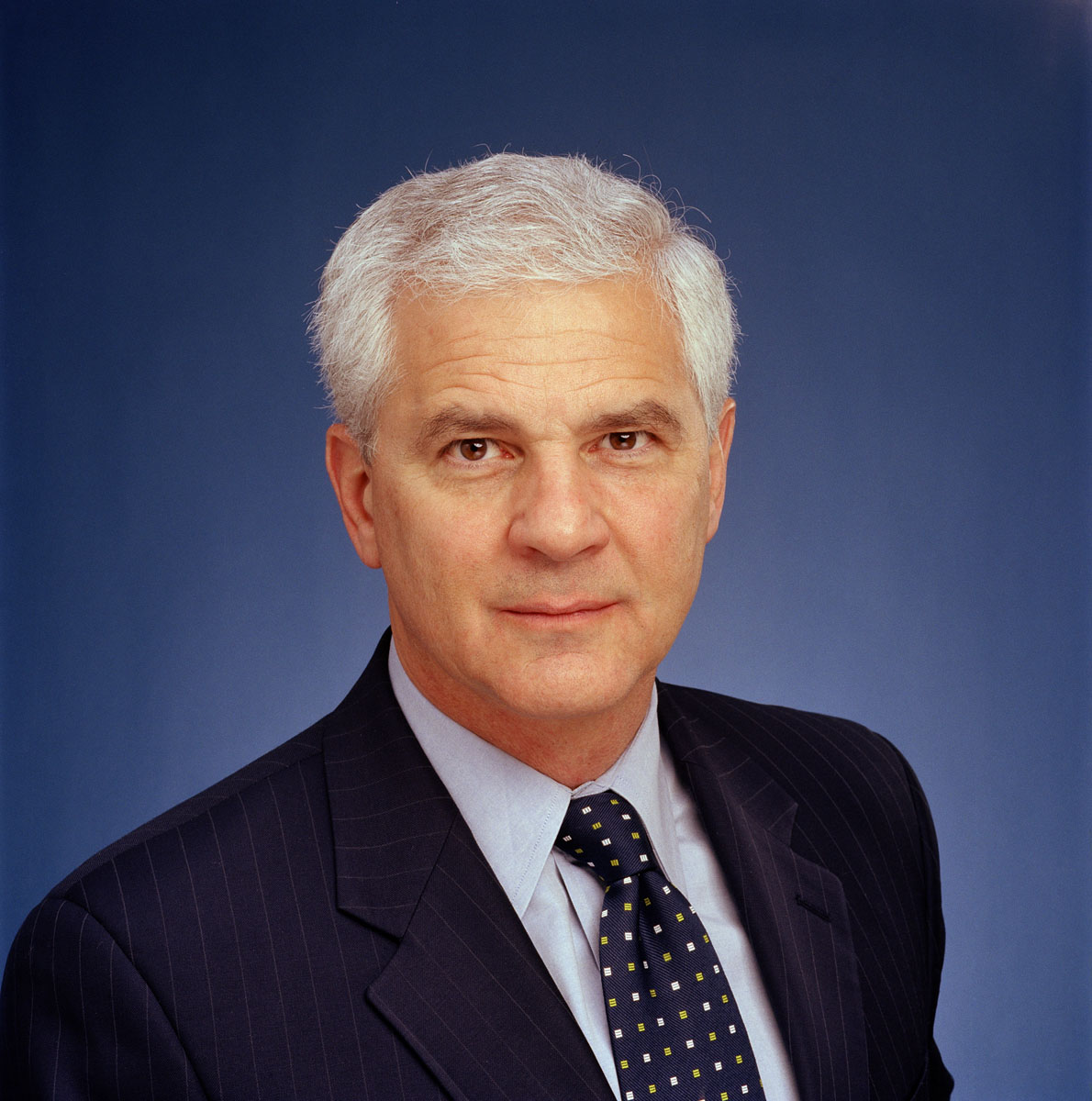
Former Senior Associate, Director for NonProliferation
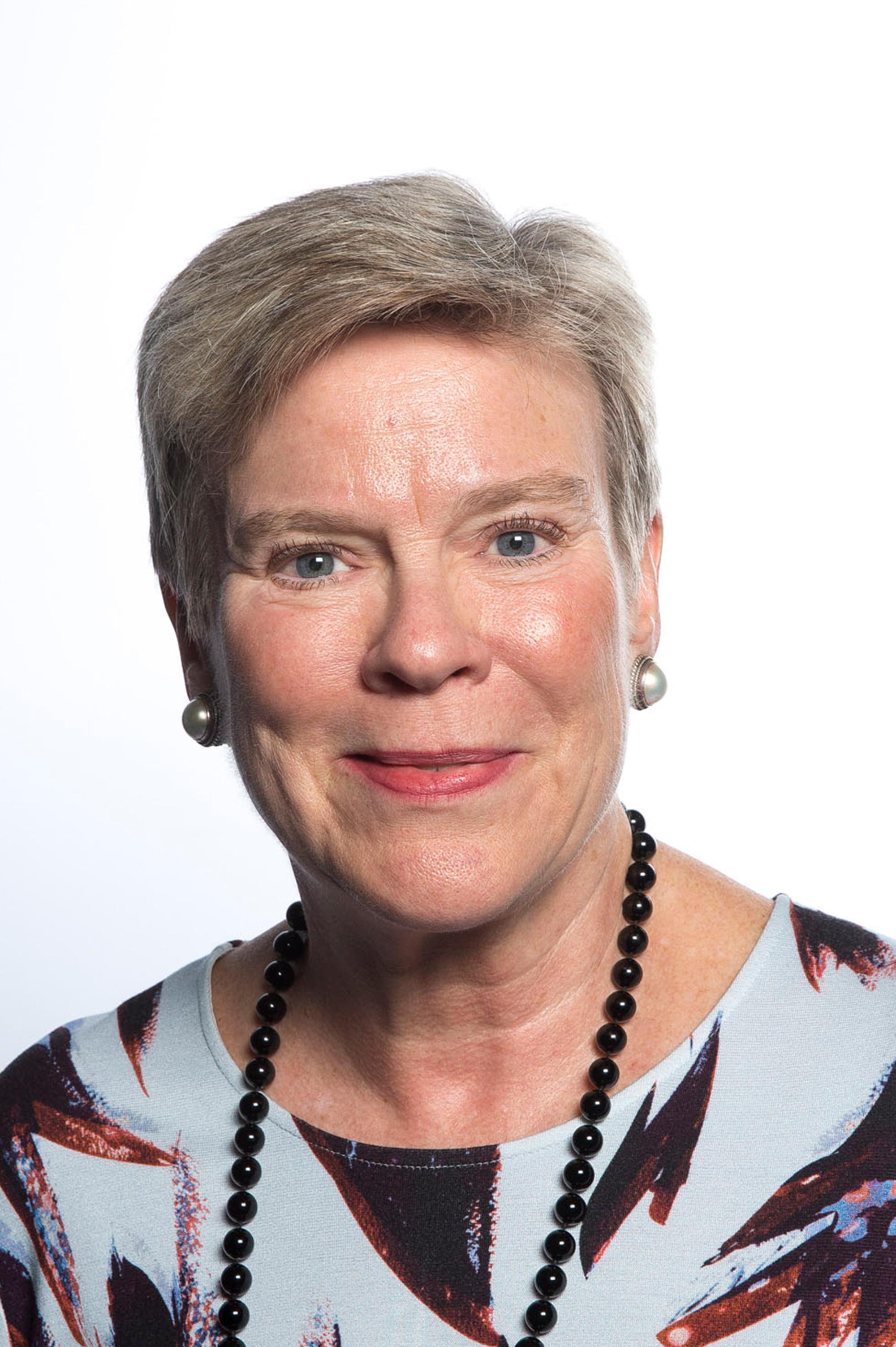
Nonresident Senior Fellow, Nuclear Policy Program
Rose Gottemoeller is a nonresident senior fellow in Carnegie’s Nuclear Policy Program. She also serves as lecturer at Stanford University’s Freeman Spogli Institute for International Studies and is a research fellow at the Hoover Institution. Ambassador Gottemoeller served as the deputy secretary general of NATO from 2016 to 2019.
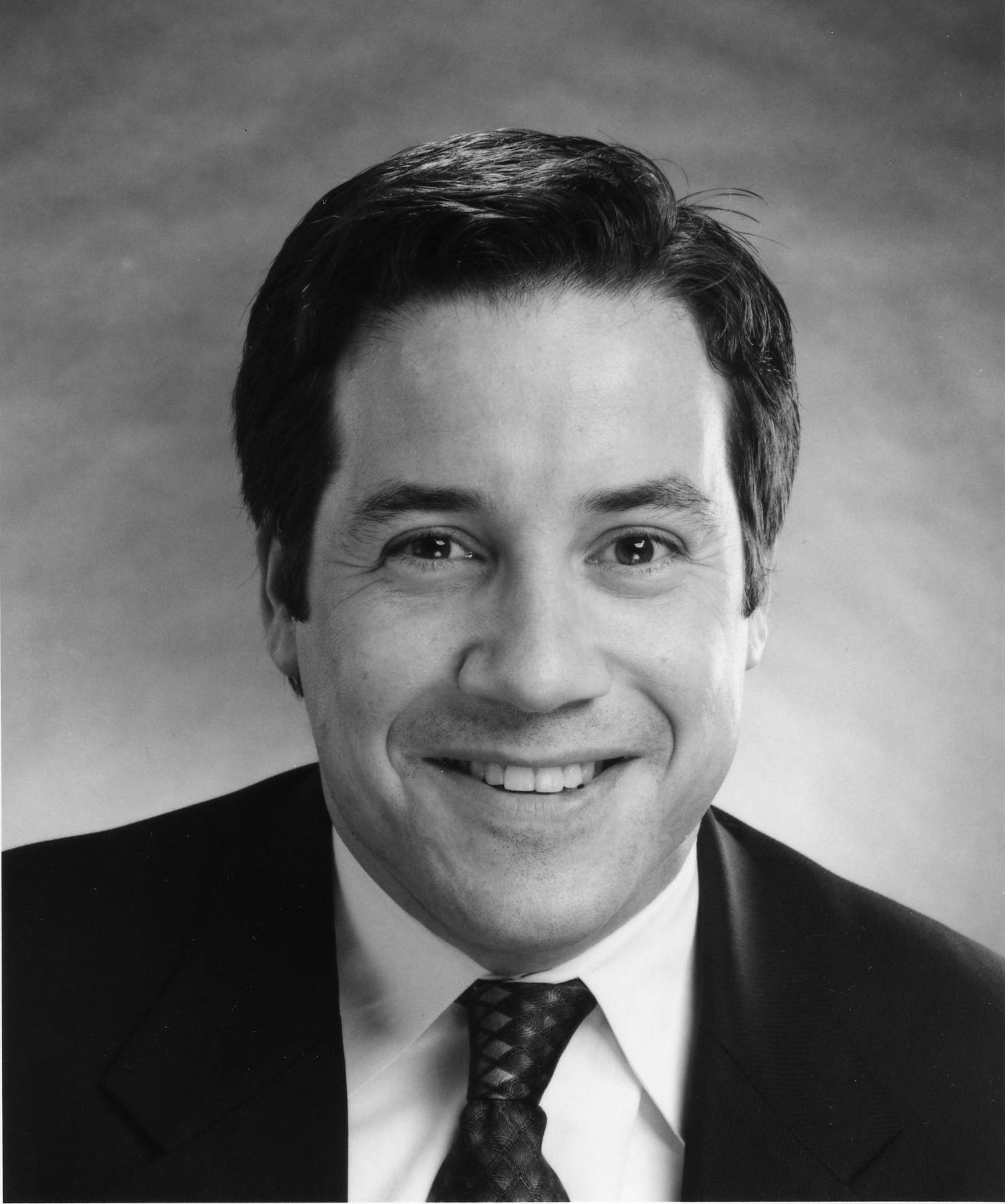
Former Nonresident Scholar, Nuclear Policy Program
Jon Wolfsthal was a nonresident scholar with the Nuclear Policy Program.
Carnegie does not take institutional positions on public policy issues; the views represented herein are those of the author(s) and do not necessarily reflect the views of Carnegie, its staff, or its trustees.
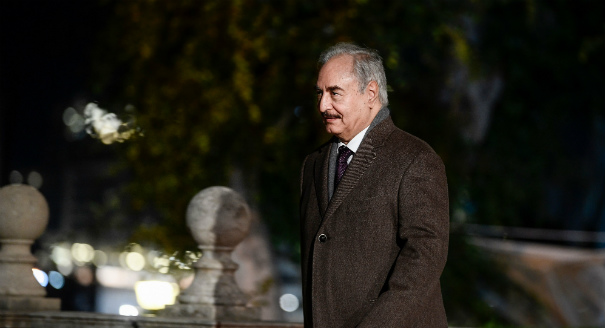
In order to secure its economic interests in Libya, Russia is seeking to bolster Haftar’s influence over a future UN-brokered diplomatic settlement.
Samuel Ramani
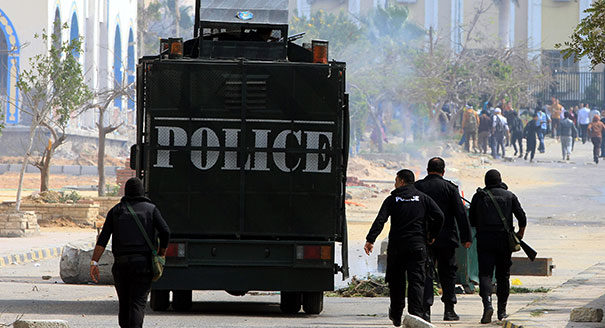
The Arab states in transition are confronted with a seemingly intractable task: rebuilding state institutions and social contracts in an era of global change. Conventional approaches to security sector reform that fail to grasp the dilemmas and challenges complicating this effort are certain to fail.

Yezid Sayigh
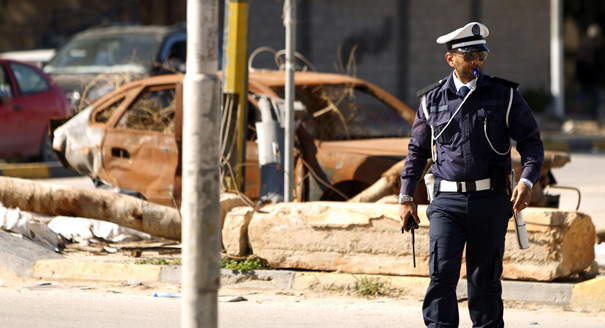
The presence and influence of the Islamic State continues to spread in the civil war chaos of post-Qaddafi Libya, inserting itself into an already messy conflict between the rival Operation Dignity and Operation Dawn.
Frederic Wehrey, Ala’ Alrababa’h

The ISIS cannot be defeated through military strikes only. The Islamic State is just a tip of the radical Islamist iceberg, which is firmly entrenched in the Muslim world.
Alexey Malashenko

The Arab transformations have only just begun. The coming year will offer signs as to whether countries of the Arab world are heading toward or away from democracy and pluralism.

Marwan Muasher