

Commentary
Russian strikes are weakening the economy sustaining Ukraine’s war effort. Closing the growing funding gap will require more European support and politically contentious reforms in Kyiv.
Balázs Jarábik
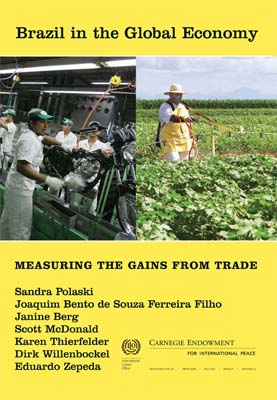
Despite holding a leading position in world trade negotiations, Brazil will benefit little from increased trade. Policy makers face acute challenges as the country struggles to generate sufficient employment and improve labor incomes.
The Brazilian economy has experienced sustained growth since 2000, after several turbulent decades. The country’s engagement with the global economy has played a largely positive, if secondary, role and Brazil has assumed a leading position in world trade negotiations. At the same time, the country has struggled to generate sufficient employment and improve labor incomes. Unemployment hovers at about 8 percent, and of those who work, slightly more than half do so informally. Average earnings today are lower than in the mid-1990s.
Brazilian policy makers face complicated challenges as they try to grow the economy in ways that will generate better livelihoods and incomes. The current global economic downturn is likely to make these tasks even more difficult. The purpose of this study is to contribute to the knowledge base upon which the Brazilian government and public, as well as the international community, evaluate the policy choices the country faces in the realm of trade. It employs computable general equilibrium models of the global and Brazilian economies to simulate a range of possible trade agreements, and explores the effects of these changes on the Brazilian economy, including its sectors, workforce, and households.
Overall, this study shows that the impact of increased trade on the Brazilian economy will be very small, even from a new global agreement at the World Trade Organization or from a very ambitious free trade pact with the largest developing countries. In addition, Brazil will expose its economy to stronger effects from other global policy shocks, such as world price volatility, as it opens its markets. After a careful analysis of the benefits and costs of trade liberalization and specific trade policy choices, increased global economic engagement may still be seen as beneficial for the Brazilian economy. However, it is important in policy debates that the nature and costs of structural adjustment be taken into account and that the pattern of trade achieved serves the country’s long-term development goals.
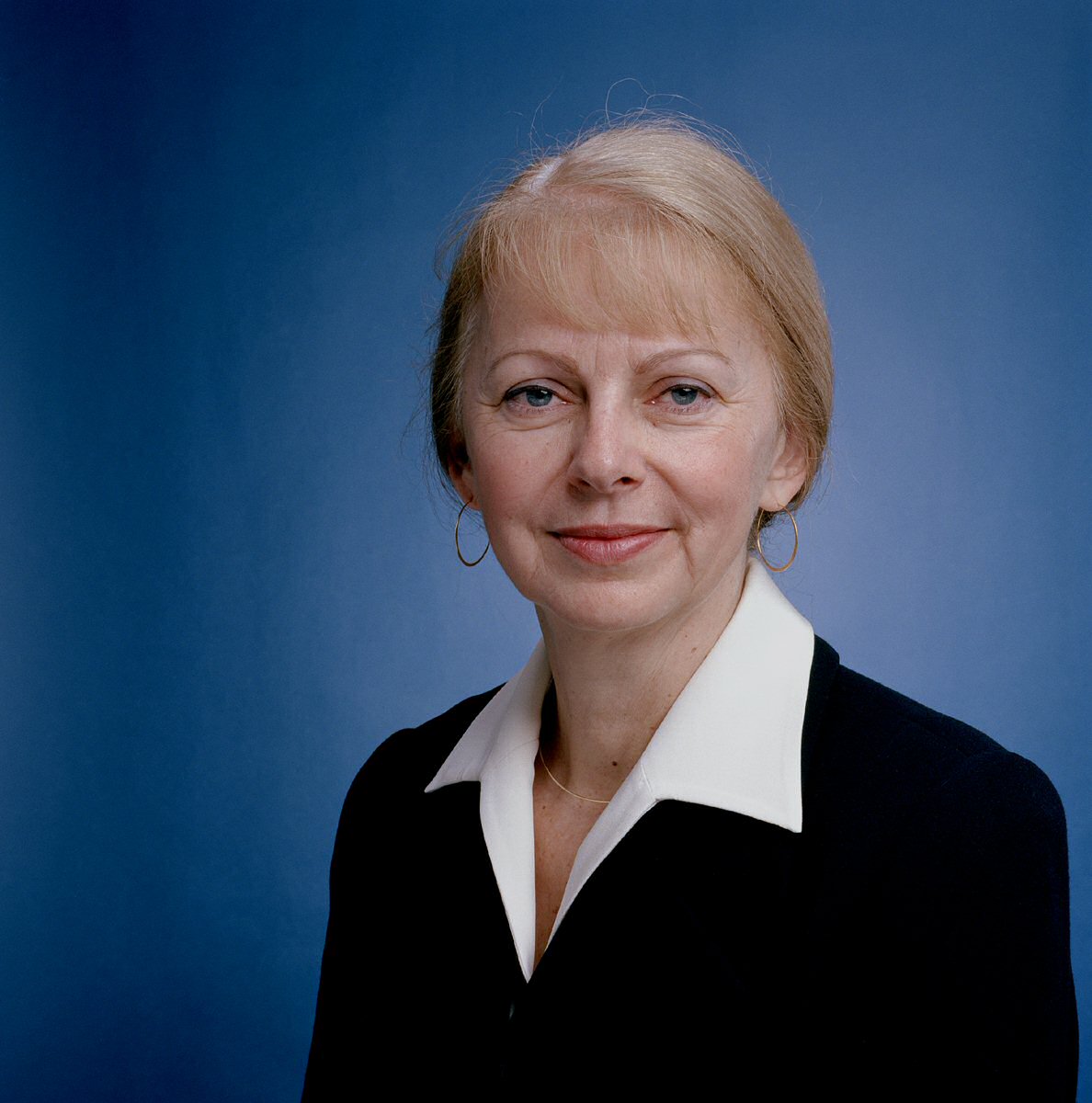
Former Senior Associate, Director, Trade, Equity and Development Program
Until April 2002, Polaski served as the U.S. Secretary of State’s Special Representative for International Labor Affairs, the senior State Department official dealing with such matters.
Joaquim Bento de Souza Ferreir
Janine Berg
Scott McDonald
Karen Thierfelder
Dirk Willenbockel
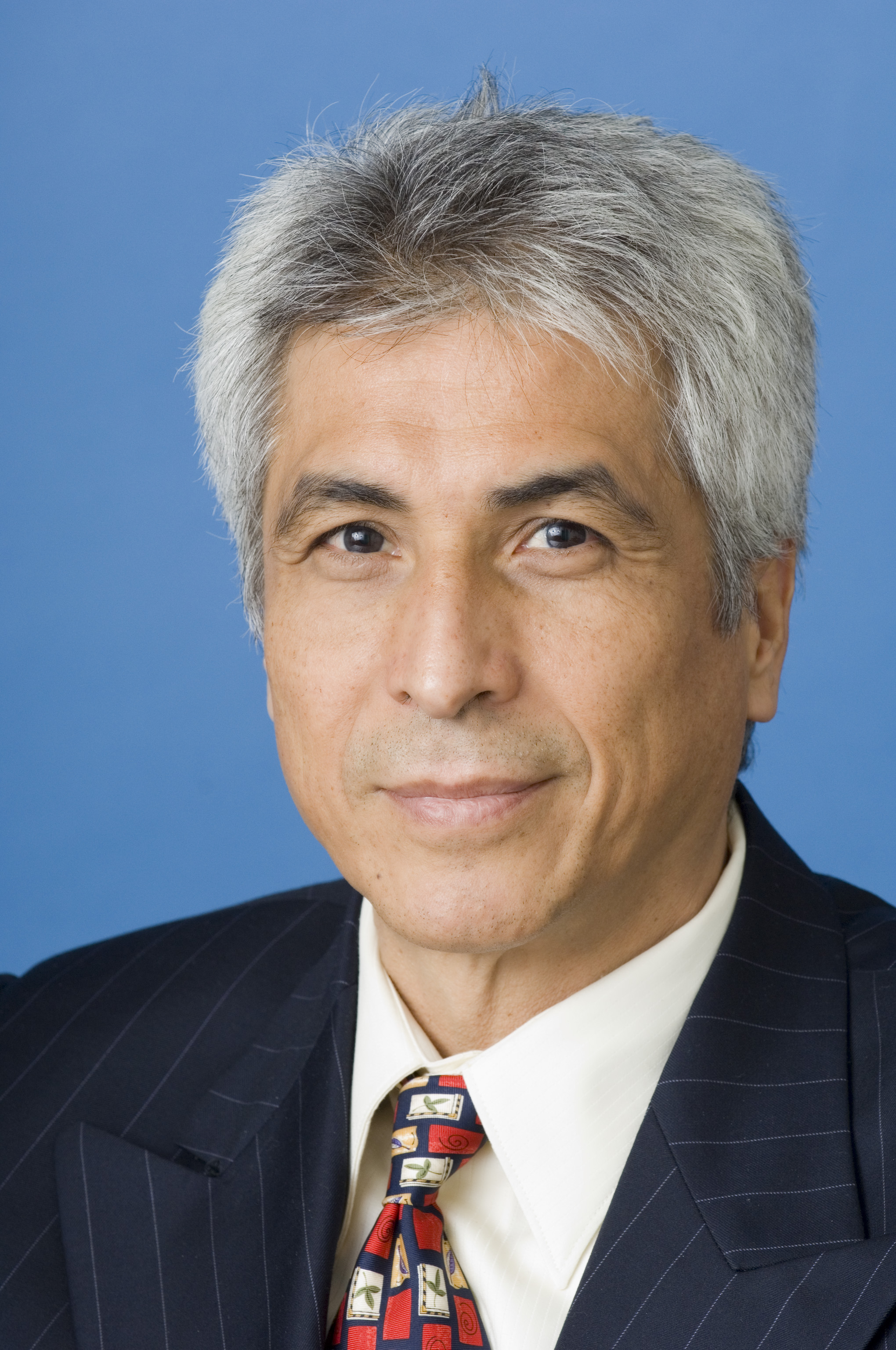
Former Senior Associate, Trade, Equity and Development Program
Zepeda is inter-regional policy coordinator of the Development Policy and Analysis Division, Department of Economic and Social Affairs at the United Nations General Secretariat. He was previously a senior associate in the Trade, Equity, and Development Program at the Carnegie Endowment for International Peace.
Carnegie does not take institutional positions on public policy issues; the views represented herein are those of the author(s) and do not necessarily reflect the views of Carnegie, its staff, or its trustees.

Russian strikes are weakening the economy sustaining Ukraine’s war effort. Closing the growing funding gap will require more European support and politically contentious reforms in Kyiv.

Balázs Jarábik

For every ruble allocated to social policy, health, and education in 2027, double that amount is earmarked for the army, the police, and the security services.

Alexandra Prokopenko

Depleted financial reserves and a shrinking tax base mean it is no longer possible to simultaneously deliver high defense spending, price stability, and economic growth.
Alexandra Prokopenko
A much-discussed disagreement over internet restrictions in Russia was never an existential threat for Putin: It was about elite groups protecting their interests.
Alexandra Prokopenko

The demands of the Kremlin’s war in Ukraine, demographic problems, and public hostility toward Central Asians mean Russia does not have enough workers.
Salavat Abylkalikov