

Commentary
The Russian army is not currently struggling to recruit new contract soldiers, though the number of people willing to go to war for money is dwindling.
Dmitry Kuznets
Source: Getty
Economies are gradually growing again, with both production and demand indicators showing improvement. Asia is leading the recovery effort, but expectations that the region can revive the rest of the world alone are unrealistic.
This week’s news confirms that economies around the world are cautiously growing again, with Asia leading. Both production and final demand indicators worldwide showed improvement, though indicators relating to consumer demand continue to give mixed signals, especially in the United States.
The recovery in Asia, particularly in China, is contributing to the nascent global export recovery reviewed in this space last week. However, any expectations that China or the broader Asian region can pull the world out of the doldrums are clearly unrealistic.
Policy makers participating in the Jackson Hole Symposium reiterated that the United States and Europe will persist in measures that reinvigorate domestic demand and return their financial system to health.
Recent news out of Asia points to a sharp recovery
Asia can “go it alone,” provided that exports are no longer a big drag
Assuming that, as described in last week’s Bulletin, global import demand keeps rising from its depressed levels, Asia—whose banks and consumer balance sheets are not impaired—has the capacity to sustain local growth.
China’s role continues to be critical
China is the critical player in the Asian recovery effort. The recent improvements across Asia can often be attributed in part to China and its increased import demand.
China also accounts for a large part of trade between Asia and the rest of the world. Excluding China, the Asian trade balance is in near equilibrium, and was actually negative during 2008.

But Asia will not pull the rest of the world out of recession on its own
Despite growth in China and the rest of Asia, the impact that a “rebalancing” of global trade with Asia will have on recovery in the rest of the world should not be overestimated.
Worldwide production and financial indicators improved last week
After lengthy declines, an uptick in production indicators in the United States and Europe suggests that these regions may soon follow Asia out of recession.
Confidence in Europe is improving swiftly, while the data on U.S. consumer remain mixed
Economic Policy: Large economies stay the course—cautious but supportive
Despite continued signs of improvement in the global economy, policy makers in the United States, EU, and China announced that stimulus policies will remain in place for the foreseeable future. However, concerns about inflation and asset bubbles are prompting central banks in a few smaller economies to consider increasing interest rates from their record low levels. Actions by the United States and Chinese authorities also indicate plans to scale back stimulus programs.
Looking ahead
To see how demand is evolving in Asia, look for the release of Japan real household spending on Thursday August 27 and retail sales on August 30. Japan’s July trade balance will be released on Tuesday August 25. U.S. durable orders and new home sales on will be released on Wednesday August 26, and personal income and spending on Friday August 28.
This analysis was produced by the editorial staff of the International Economic Bulletin, including Shimelse Ali, Bennett Stancil, and Uri Dadush.
Carnegie does not take institutional positions on public policy issues; the views represented herein are those of the author(s) and do not necessarily reflect the views of Carnegie, its staff, or its trustees.
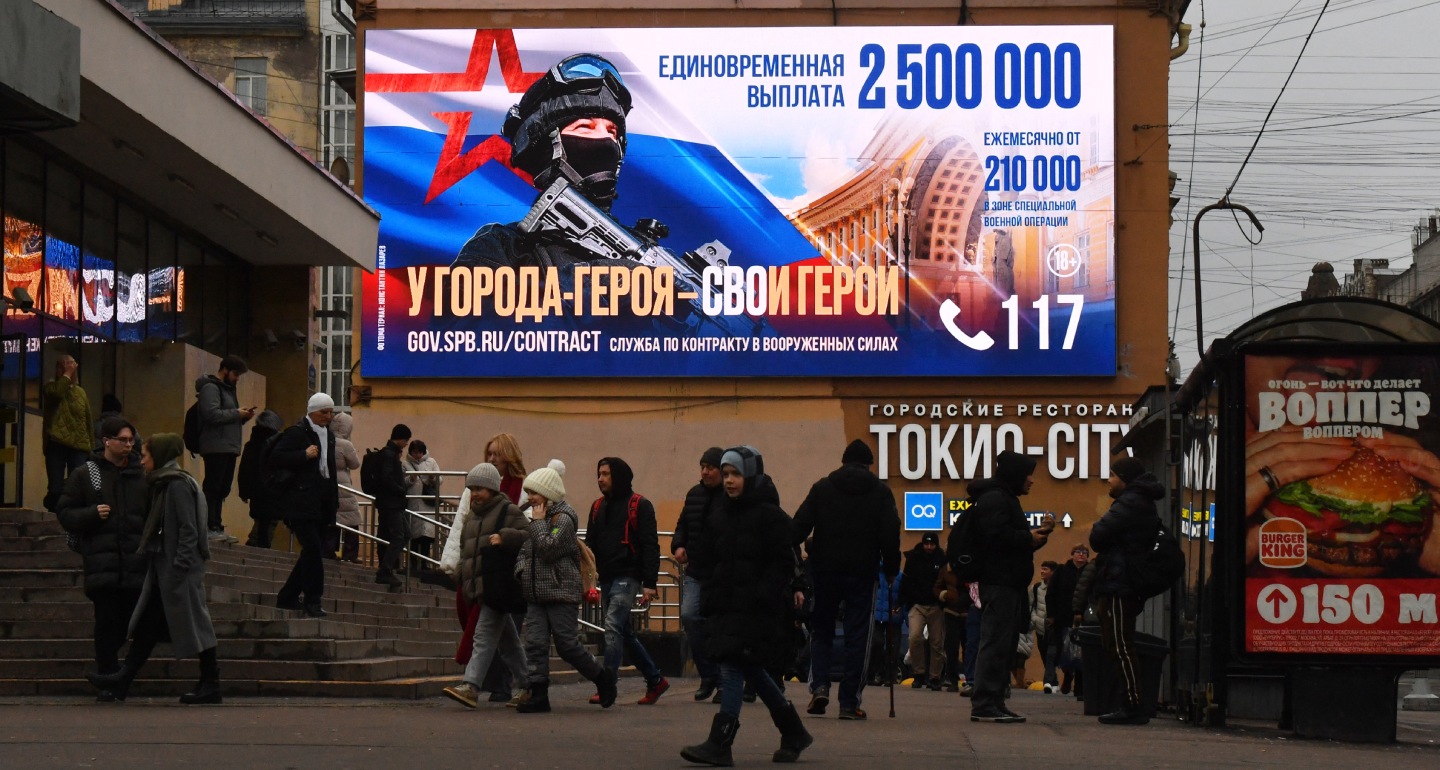
The Russian army is not currently struggling to recruit new contract soldiers, though the number of people willing to go to war for money is dwindling.

Dmitry Kuznets
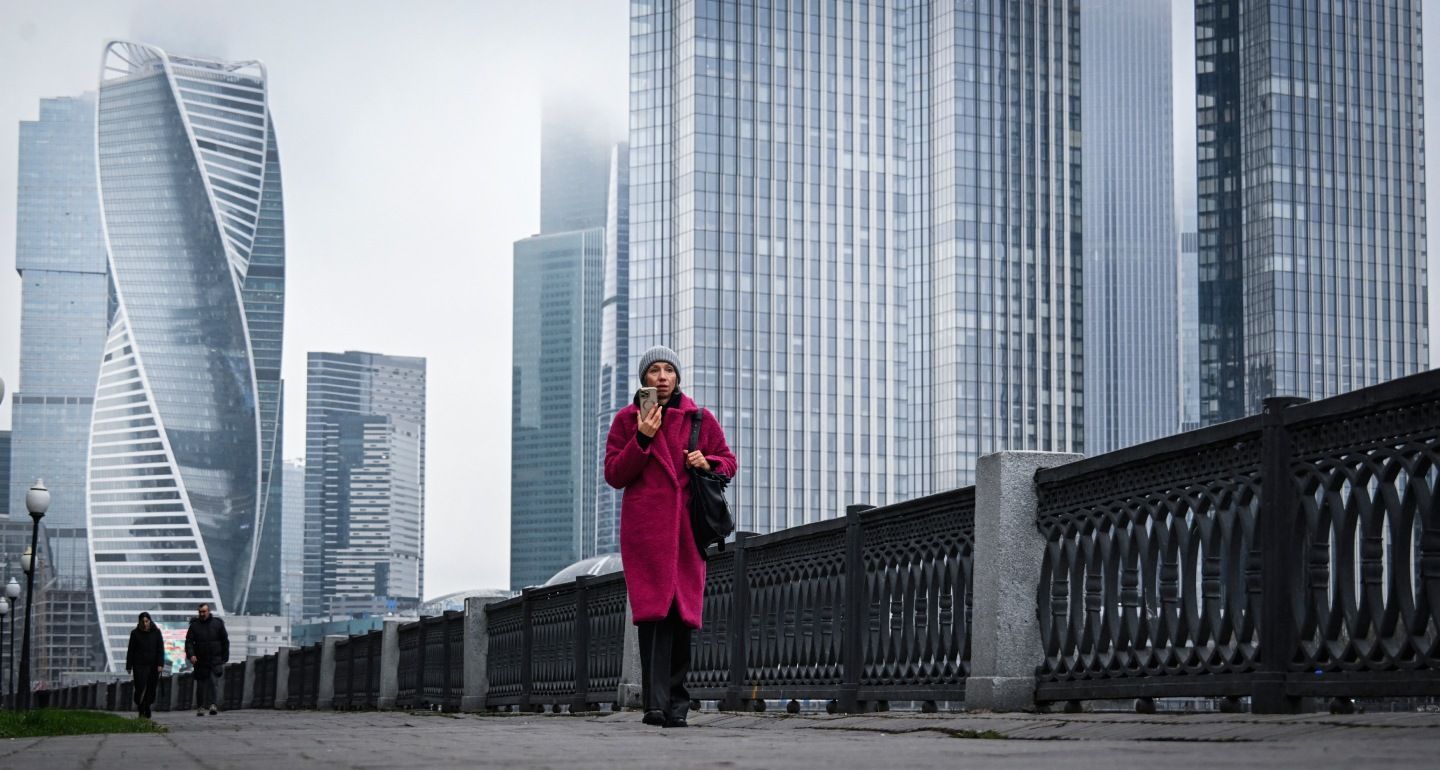
The paradox of the European Commission’s decision is that the main victims will not be those it formally targets. Major Russian businesses associated with the Putin regime have long adapted to sanctions with the help of complex schemes involving third countries, offshore companies, and nonpublic entities.

Alexandra Prokopenko
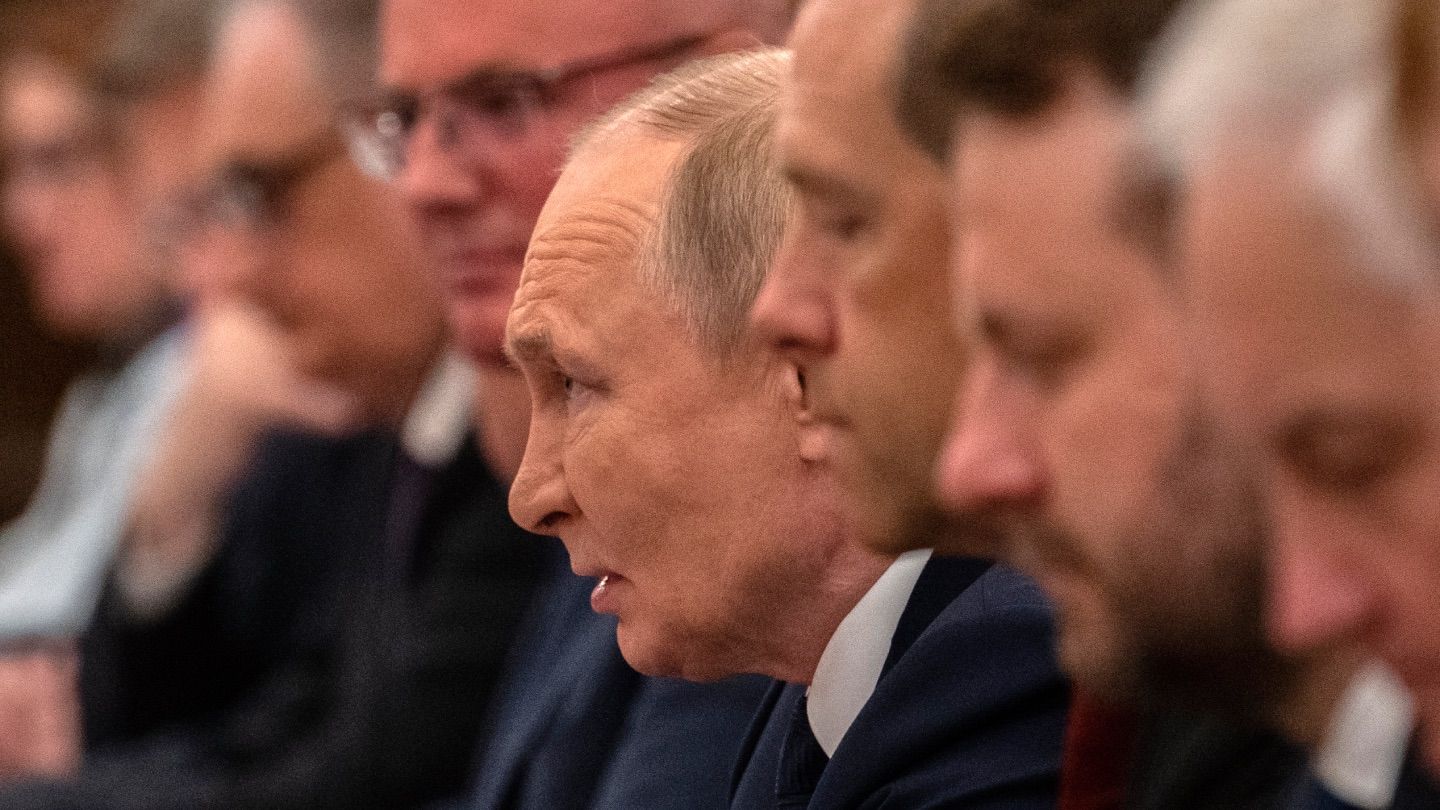
A new book by Alexandra Prokopenko looks at why the Russian ruling class became the regime’s willing servants—and how they might fare in a post-Putin world.

Vladislav Gorin
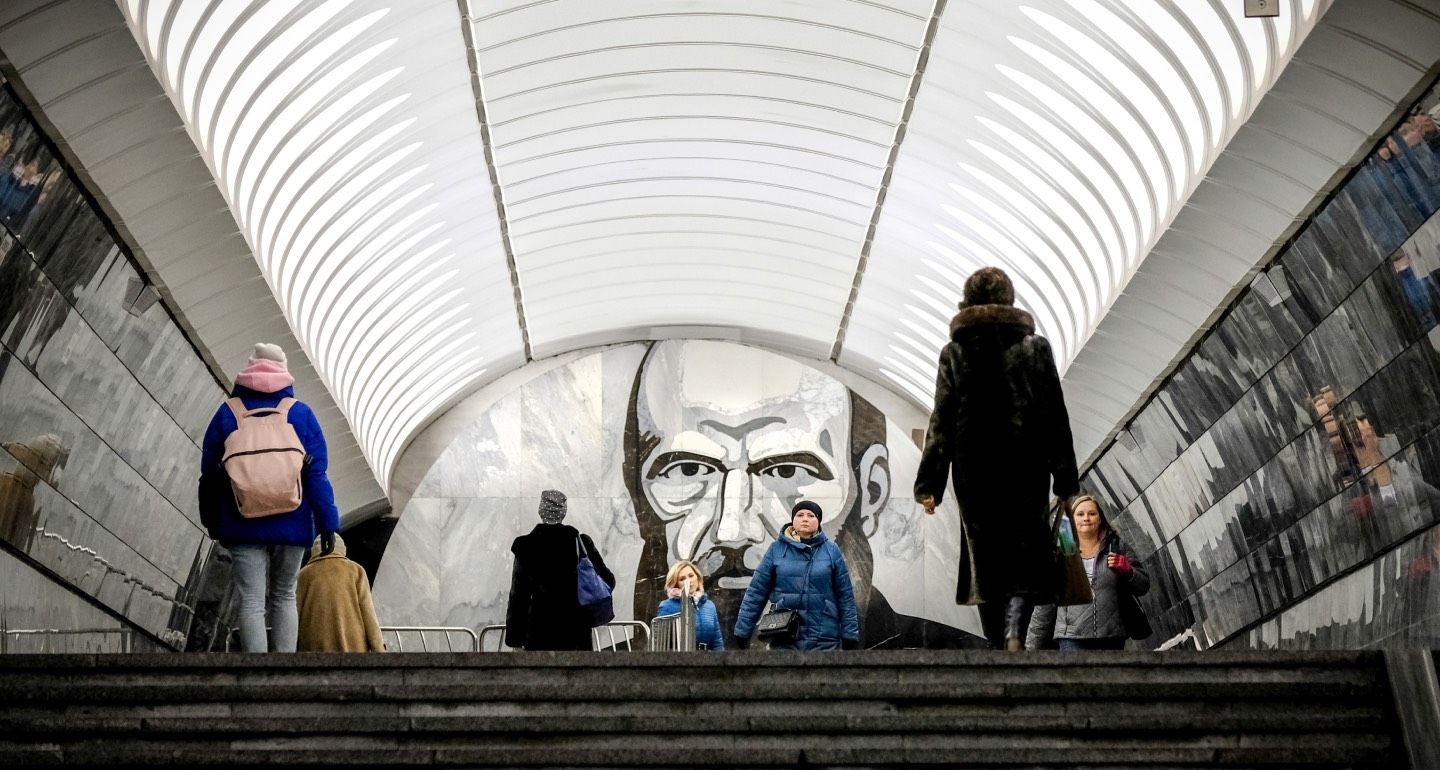
The volume of frozen private assets might seem insignificant compared with Russia’s sovereign reserves, but these are the savings of millions of people who believed that foreign securities were a safe investment and in the institution of private property.
Yulia Starostina
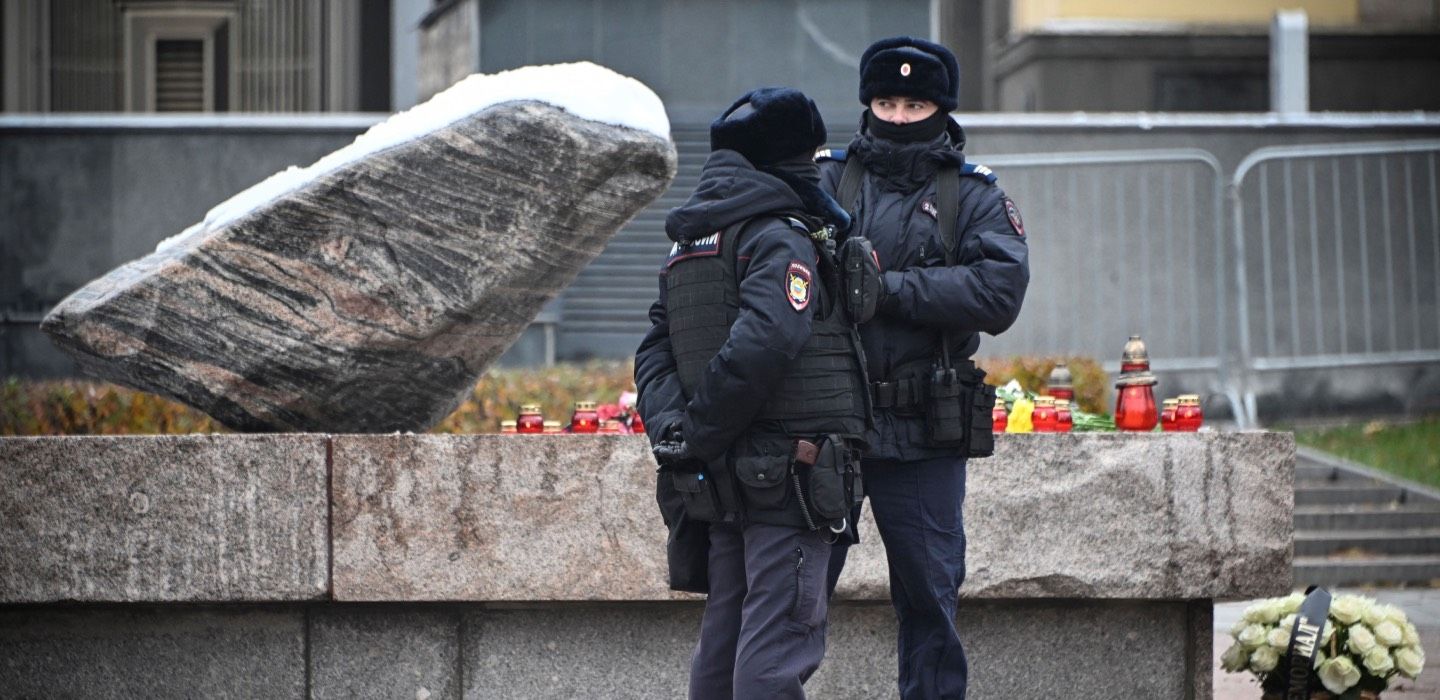
International compliance and anti-money laundering standards are currently formulated in such a way that the Western financial system does not differentiate between Russian political prisoners and ISIS militants.
Alexandra Prokopenko