

Commentary
Dmitri Trenin
By the beginning of the twenty-first century, Russia had recovered from its domestic crisis, and so had its global ambitions. While Moscow’s principal interests still lie mostly toward the West, the Middle East is back on Moscow’s radar screen and Russia’s withdrawal from the region has been reversed.
Source: The Century Foundation

The Middle East is important to Moscow for several reasons – its physical proximity; the Muslim factor, as continuing religious and political turbulence within the Muslim world brings radical ideas and militants from the Middle East into Russia and impacts Russia’s policy in the Caucasus, the central Russian republics of Tatarstan and Bashkortostan, and post-Soviet Central Asia; large emigration from Russia to Israel, where 20 percent of the population are former Soviet Jews; the energy riches of the region; and Russian attention to the current U.S. focus on the region, and American military involvement in Iraq and Afghanistan.
Reprinted with permission from The Century Foundation.
Former Director, Carnegie Moscow Center
Trenin was director of the Carnegie Moscow Center from 2008 to early 2022.
Recent Work
Dmitri Trenin
Dmitri Trenin
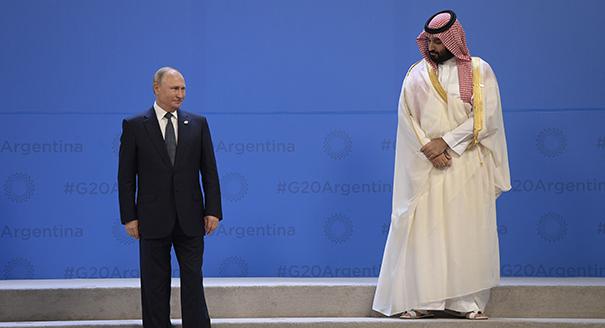
The coronavirus crisis has impacted Moscow’s Middle Eastern policies, while also creating opportunities.
Dmitri Trenin
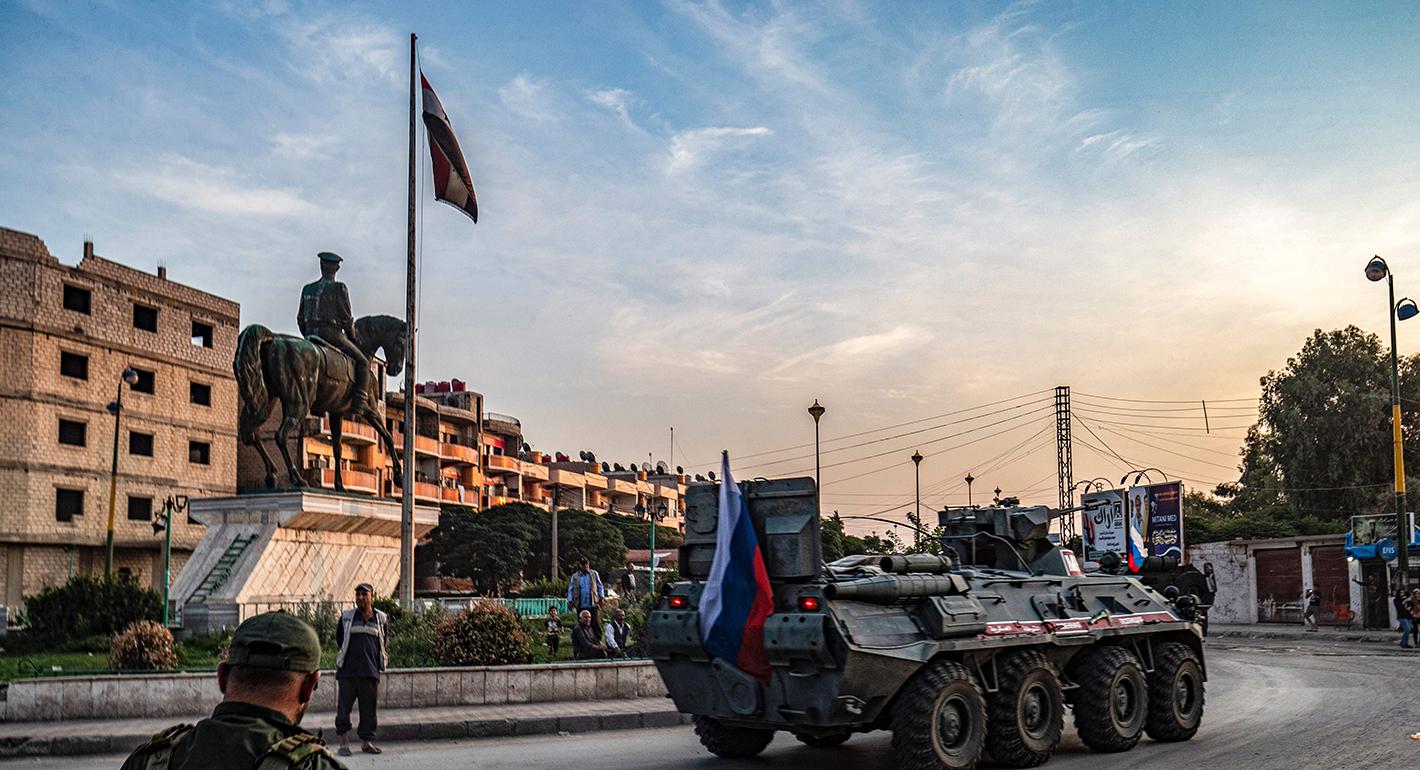
Russia faces opportunities and challenges as it seeks to restructure and reform the Syrian armed forces, which it sees as a key to concluding the civil war on terms favorable to the Assad regime, containing Iranian involvement, and winding down Russia’s combat role.

Yezid Sayigh
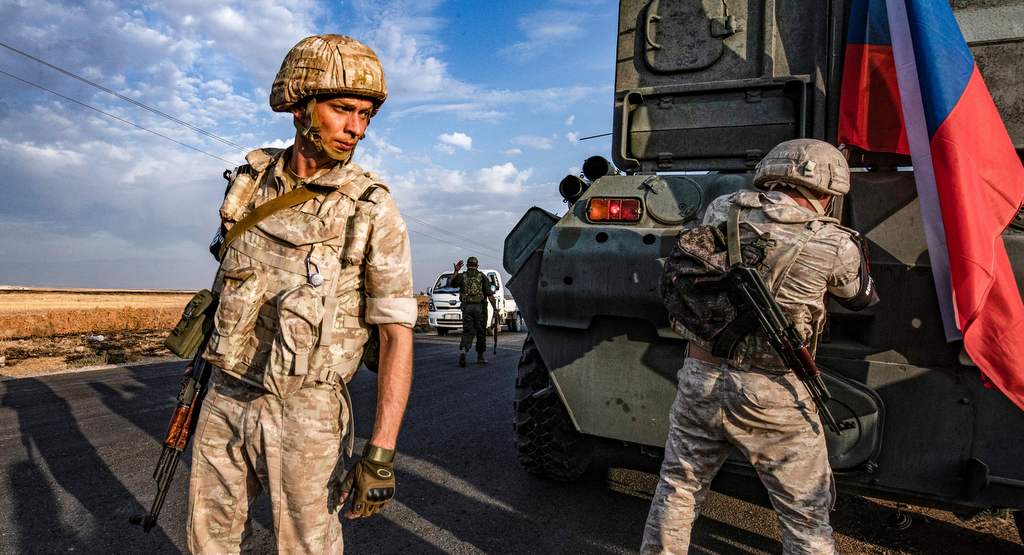
Russia is back and here to stay. Others had better accept it and learn to deal with it — without undue expectations, but also without inordinate fear.
Dmitri Trenin
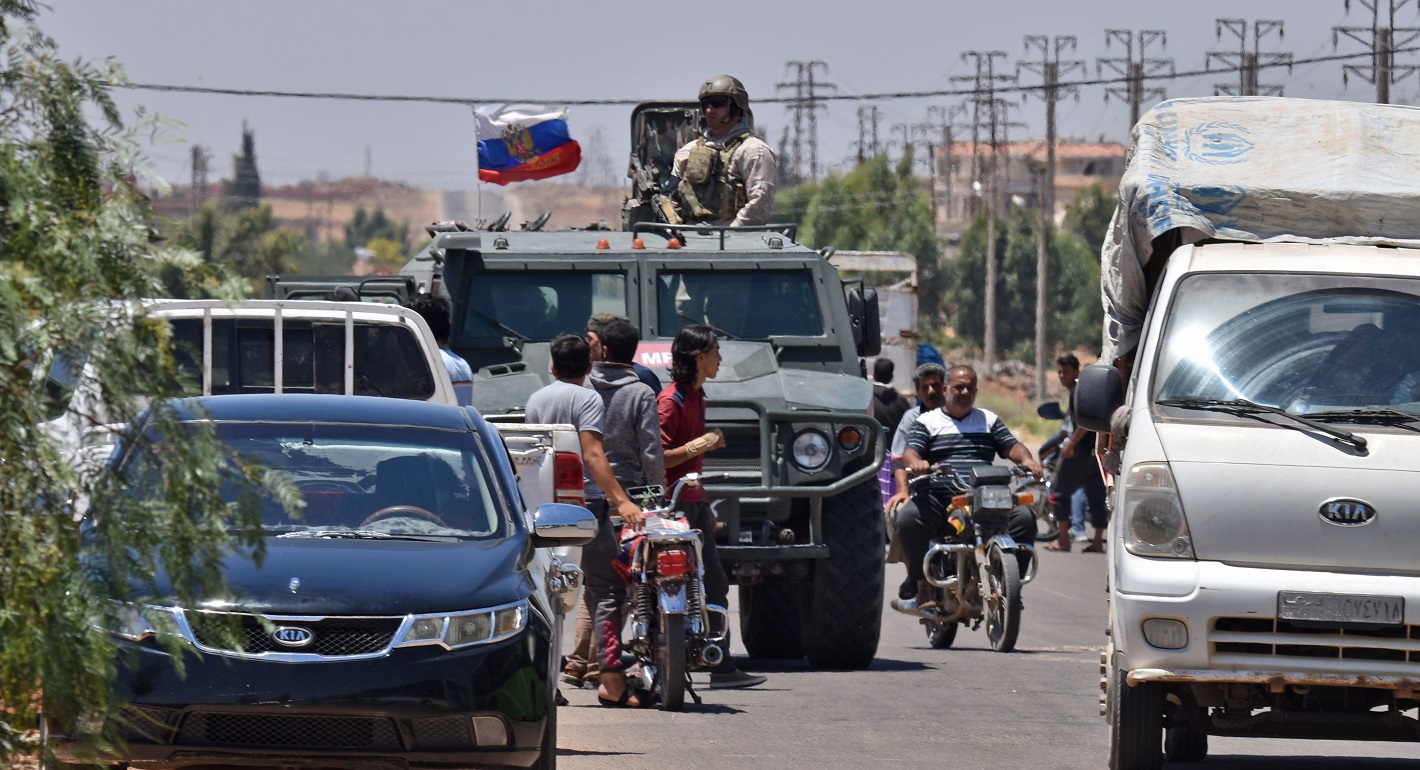
America’s withdrawal creates an opportunity and a challenge for Moscow.
Dmitri Trenin
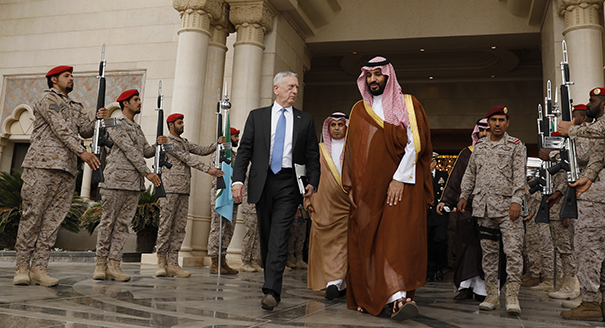
Mohammed bin Salman will weather the Khashoggi murder, his tightening grip over Saudi security explains why.
Yezid Sayigh