

Commentary
Ongoing uncertainty in the Middle East allows Moscow to both increase its influence in Tehran and continue to enjoy the financial windfall of higher oil prices.
Nikita Smagin
Source: Getty
Militarily, the antiquated tactical U.S. nuclear weapons in Europe serve little to no purpose to NATO. But they remain a valuable bargaining chip and a strong symbol of U.S. security assurance to its European allies and partners.
Militarily, the antiquated tactical U.S. nuclear weapons in Europe serve little to no purpose to NATO. But they remain a valuable bargaining chip and a strong symbol of U.S. security assurance to its European allies and partners.
During the recent meeting of NATO's foreign ministers and secretaries of state in Tallinn, Estonia, it became increasingly clear that there is disagreement over the fundamental purpose of NATO and the utility of maintaining its tactical nuclear weapons. The debate encompassed three main views. First, NATO should remain a regional military alliance that focuses on the territorial integrity of its member states. Second, NATO is primarily a regional military alliance, but should also be used for humanitarian intervention if its member states decide to do so. Third, NATO is more than a regional military alliance; it represents "Western" values and should therefore expand its membership and geographical focus to include like-minded states worldwide.
What these three positions reveal is that NATO does not have a common understanding of risks and threats. While the countries of central and Eastern Europe still fear the perceived threat of Russia, the countries of Western and Southern Europe are more focused on new security challenges stemming mainly from non-state actors.
The result of this security divide is the current controversy over the nearly 200 remaining U.S. tactical nuclear weapons stationed in Belgium, Italy, the Netherlands, Turkey, and Germany. Eastern European countries like Poland view these weapons as a sign that the United States is taking the mutual defense clause enshrined in Article 5 of NATO's charter seriously. As a U.S. ally, and perhaps given Iran's nuclear ambitions, Turkey is also very cautious about the possible withdrawal of U.S. nuclear weapons from its soil. More fundamental is the concern in Europe over the obvious imbalance between NATO's 200 tactical nuclear weapons and Russia’s estimated 3,000 non-strategic weapons.
So what should be the way ahead? Germany’s current position is to lead efforts for the removal of tactical nuclear weapons from Europe. This was formulated in the November 2009 agreement that brought Germany's ruling parties into coalition, which came as a surprise for many NATO countries. The German coalition agreement was, in fact, an attempt to gain popular domestic support by advancing a nuclear disarmament agenda. In Germany, as in many other European countries, the majority of the population favors the withdrawal. But Germany could have simply resolved the issue over time. The only German weapons system capable of delivering nuclear weapons is the Tornado strike fighter, which will be phased out by 2030 at the latest. The new multi-role Euro Fighter, which will replace the Tornado, is not currently designed to deliver tactical nuclear weapons. For many Germans, then, the question is, given the maximum range of these strike fighters, what could they possibly hit that is not a NATO or European country?
By February 2010 the Netherlands, Norway, Belgium, and Luxembourg joined Germany's proposal for the withdrawal of nuclear weapons and debated the issue at the NATO meeting in Tallinn. However, U.S. Secretary of State Hillary Clinton has stated clearly that there will be no withdrawal without an agreement with Russia about their tactical nuclear arsenal in Europe. In order to reach an agreement, it would be a helpful and necessary step to resolve the critical status of the Treaty on the Conventional Forces in Europe (CFE). Russia postponed its treaty commitments after NATO member countries did not ratify the adapted CFE Treaty, which addresses the significant changes in Europe's military balance after the collapse of the Warsaw Pact. The NATO countries, on the other hand, demand the withdrawal of Russian troops from Georgia and Moldova in accordance with the 1999 Istanbul commitments before they ratify the adapted CFE.
Russia will rely on nuclear weapons to compensate for the imbalance as long as it perceives a conventional superiority of NATO forces in Europe. Only when this Russian perception is assuaged will it be possible to find a solution regarding the status of tactical nuclear weapons in Europe. What remains is the need for providing reliable U.S. and NATO commitments to collective defense, especially to Poland and Turkey. Dealing with these threat perceptions will require finding ways to develop a security architecture that can deter today's threats without anachronistic nuclear thinking.
Oliver Schmidt works for the German Council on Foreign Relations (DGAP) in Berlin, Germany's oldest non-partisan, non-governmental think tank.
Oliver Schmidt
Carnegie does not take institutional positions on public policy issues; the views represented herein are those of the author(s) and do not necessarily reflect the views of Carnegie, its staff, or its trustees.
Ongoing uncertainty in the Middle East allows Moscow to both increase its influence in Tehran and continue to enjoy the financial windfall of higher oil prices.

Nikita Smagin
Governments in Estonia, Latvia, and Lithuania want to ensure that a U.S. military withdrawal would not leave them dangerously exposed to a Russian attack.

Sergejs Potapkins
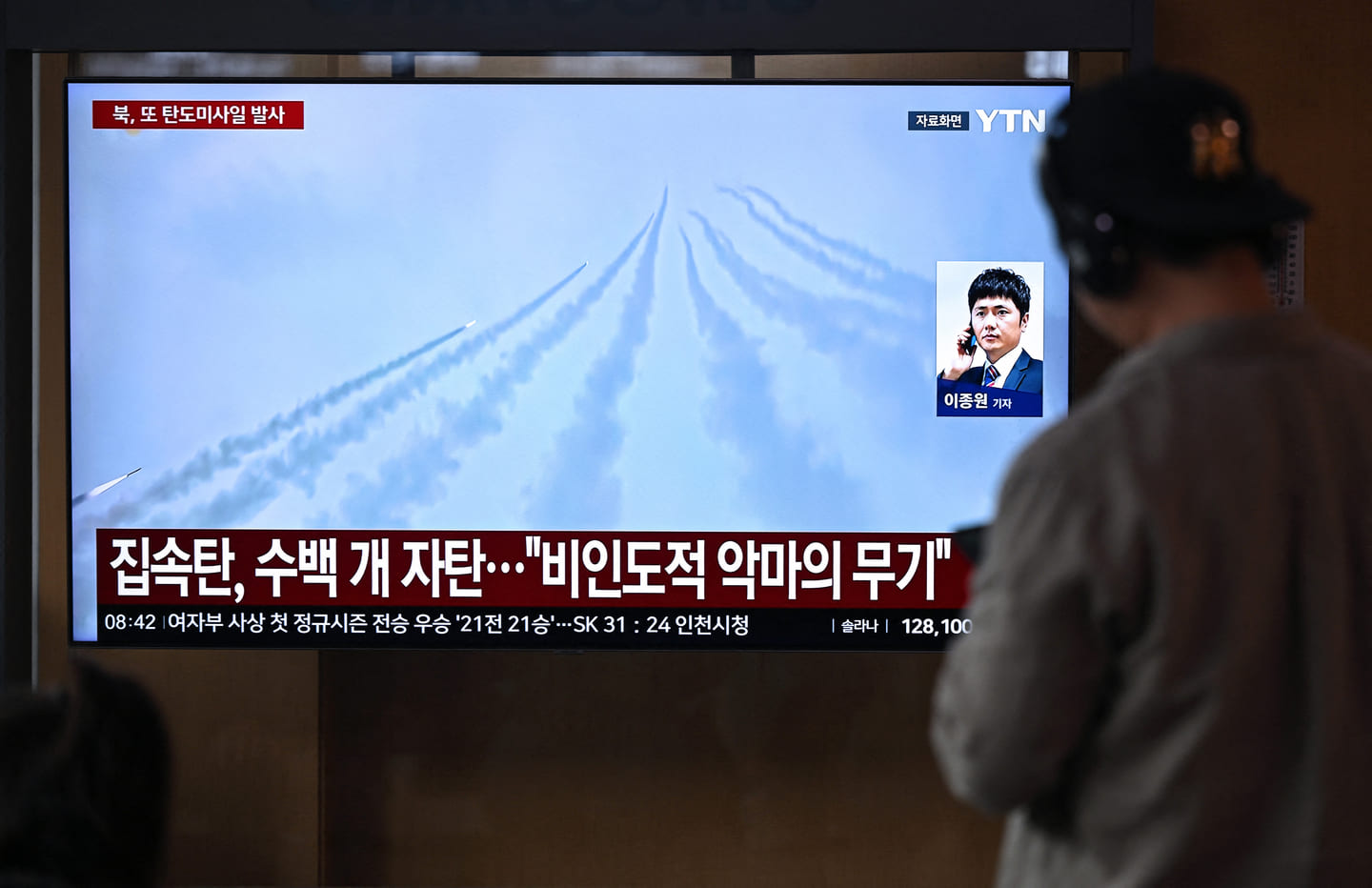
Troubled by the growing salience of nuclear debates in East Asia, Moscow has responded in its usual way: with condemnation and threats. But by exacerbating insecurity, Russia is forcing South Korea and Japan to consider radical security options.

James D.J. Brown
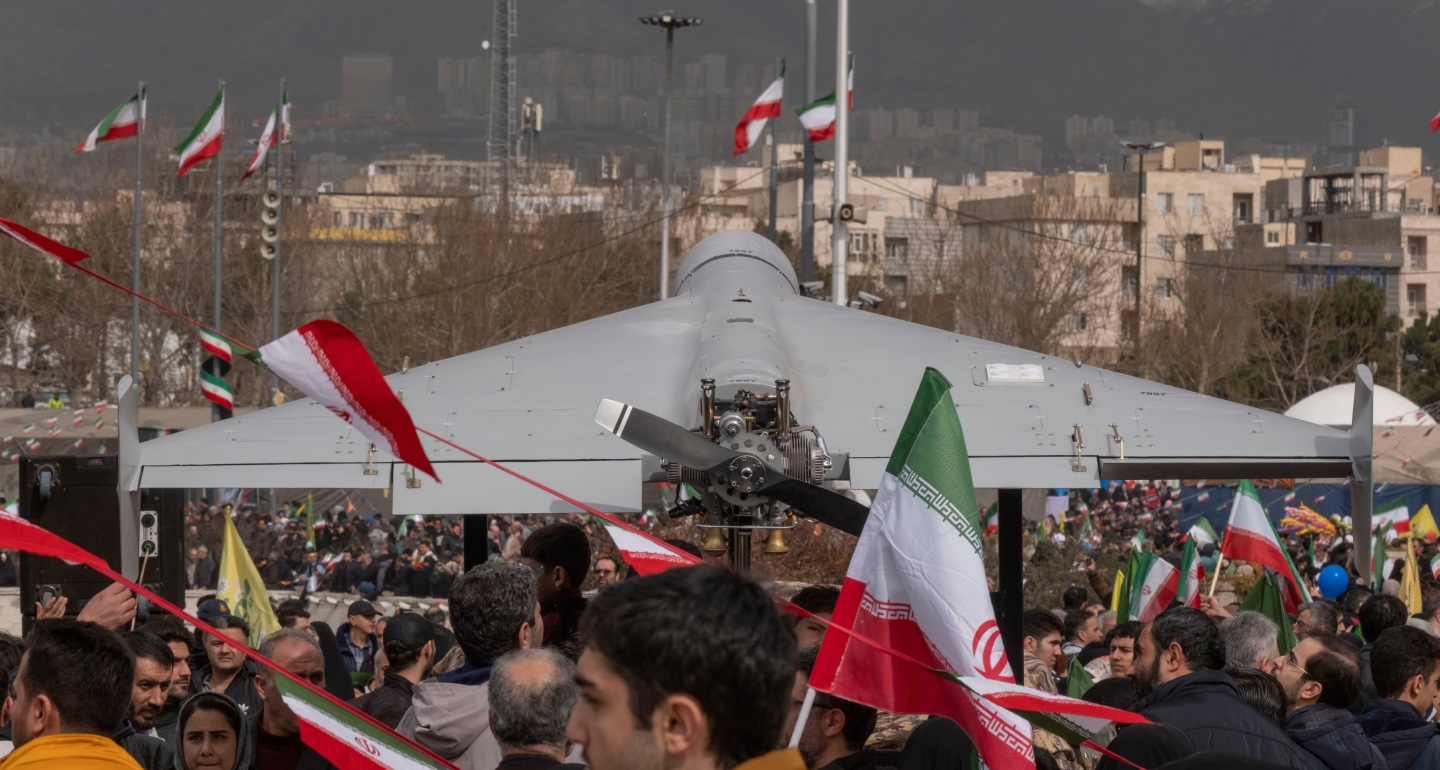
The Russian leadership wants to avoid a dangerous precedent in which it is squeezed out of Iran by the United States and Israel—and left powerless to respond in any meaningful way.
Nikita Smagin
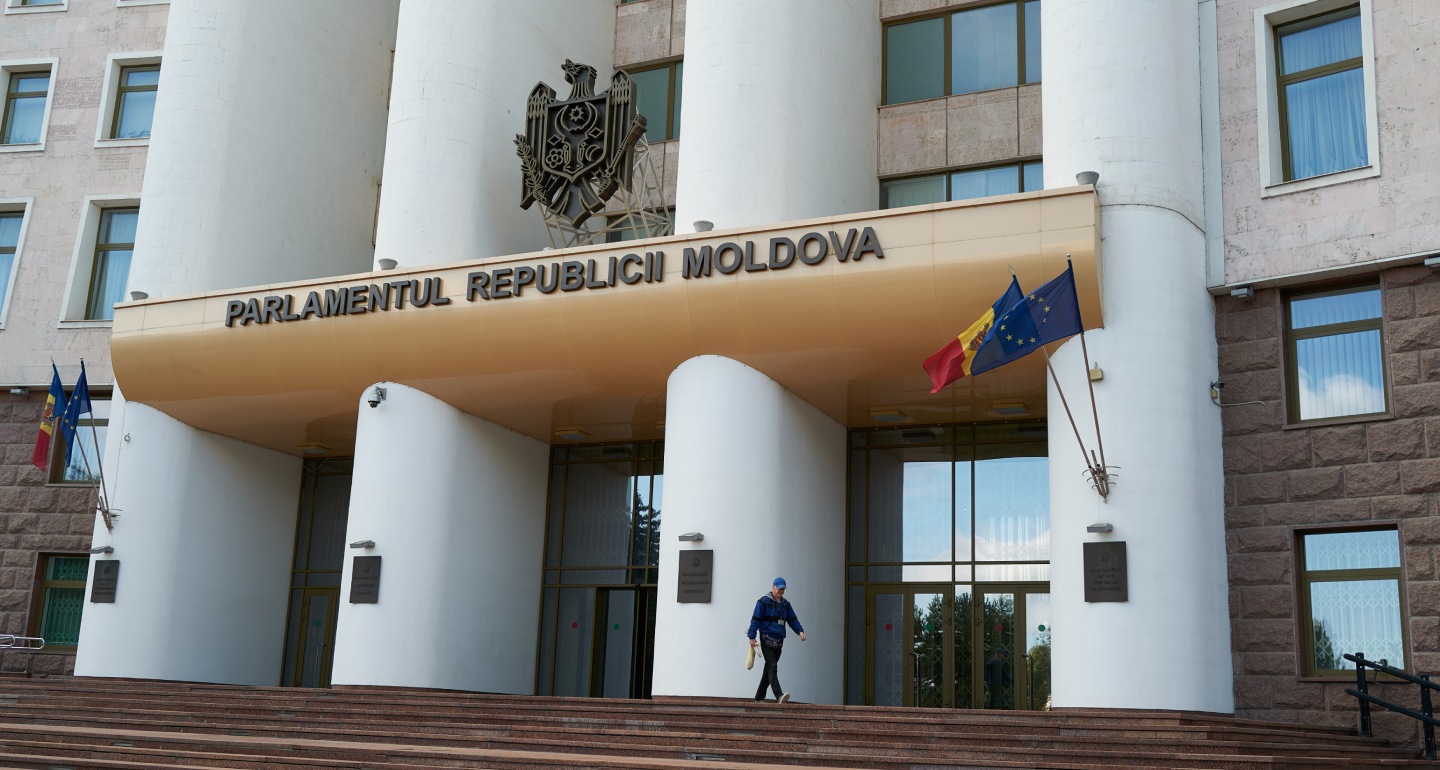
Moldova’s reintegration plan was drawn up to demonstrate to Brussels that Chișinău is serious about the Transnistria issue—and to get the West to react.
Vladimir Solovyov