

Commentary
Dmitri Trenin
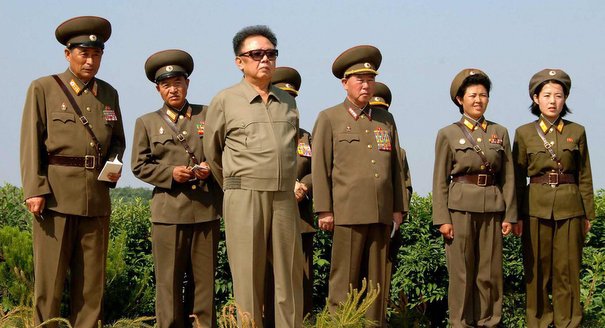
Source: Getty
In order to gain China’s vote, the new UN Security Council resolution on the North Korean torpedo attack condemns the act of war, but does not name the perpetrator of the attack.
The “toothless” UN Security Council resolution on the North Korean torpedo attack is discouraging. The act of war is condemned, yet the perpetrator remains unnamed. Such is the price of bringing China aboard and ensuring unanimity among the five permanent members of the Security Council.
Beijing is Pyongyang’s only ally, but it is also the only outside power with a measure of influence in the Stalinist kingdom. North Korea is not a place for sprinters; progress there requires staying power. Whatever is behind the recent attack, it is not the last gasp of the regime.
The fate of the Kim dynasty is more or less known, but not the circumstances of its exit. To preserve peace on the Korean Peninsula, a modicum of unity among the five countries dealing with North Korea is a conditio sine qua non. Under these circumstances, taking account of China’s sensibilities makes sense.
Former Director, Carnegie Moscow Center
Trenin was director of the Carnegie Moscow Center from 2008 to early 2022.
Recent Work
Dmitri Trenin
Dmitri Trenin
Carnegie does not take institutional positions on public policy issues; the views represented herein are those of the author(s) and do not necessarily reflect the views of Carnegie, its staff, or its trustees.
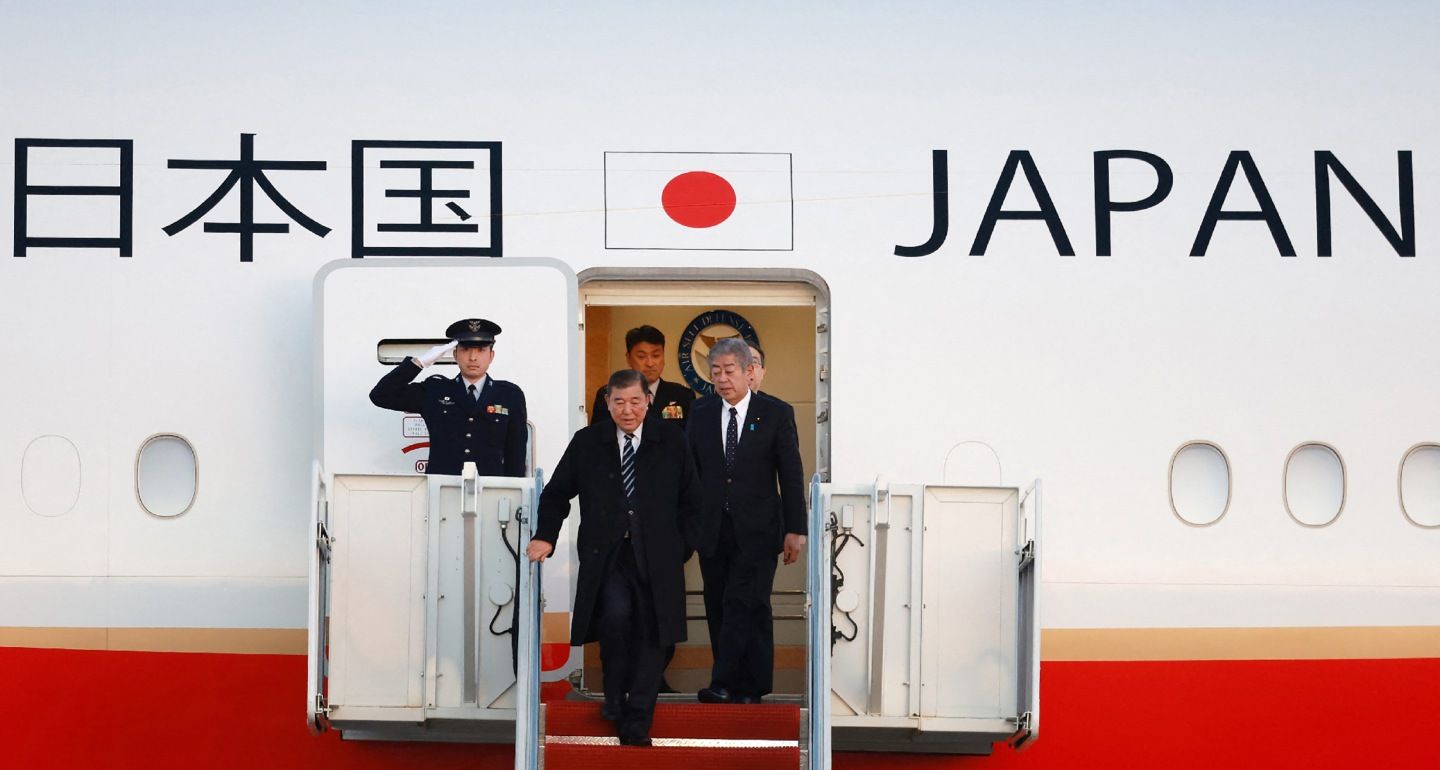
For Japan, much more so than for European countries, there is no alternative to the United States.

James D.J. Brown
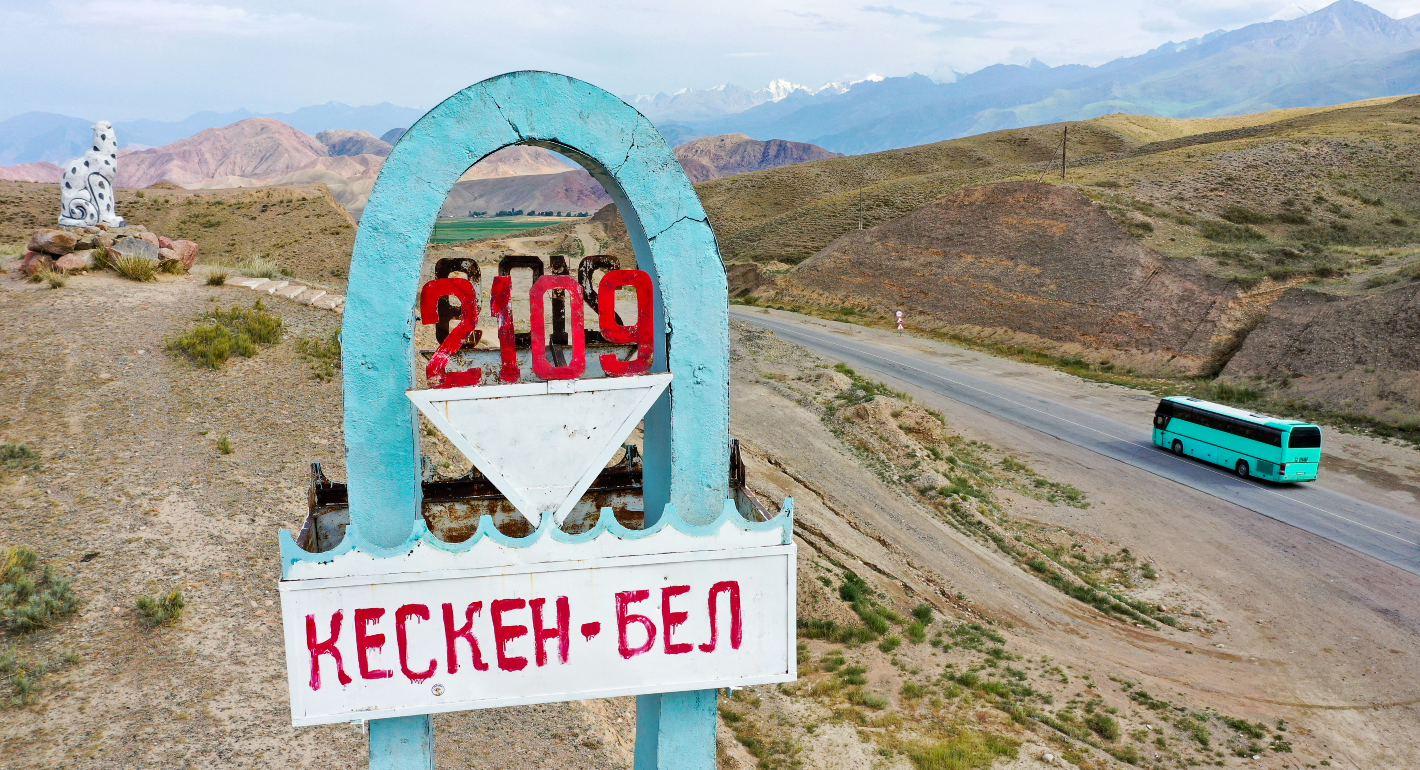
China’s relationships with Central Asian borrowers are hardly one-size-fits-all. Chinese financial players have adapted and used different models, demonstrating the country’s flexibility as a lender.

Nargiza Muratalieva
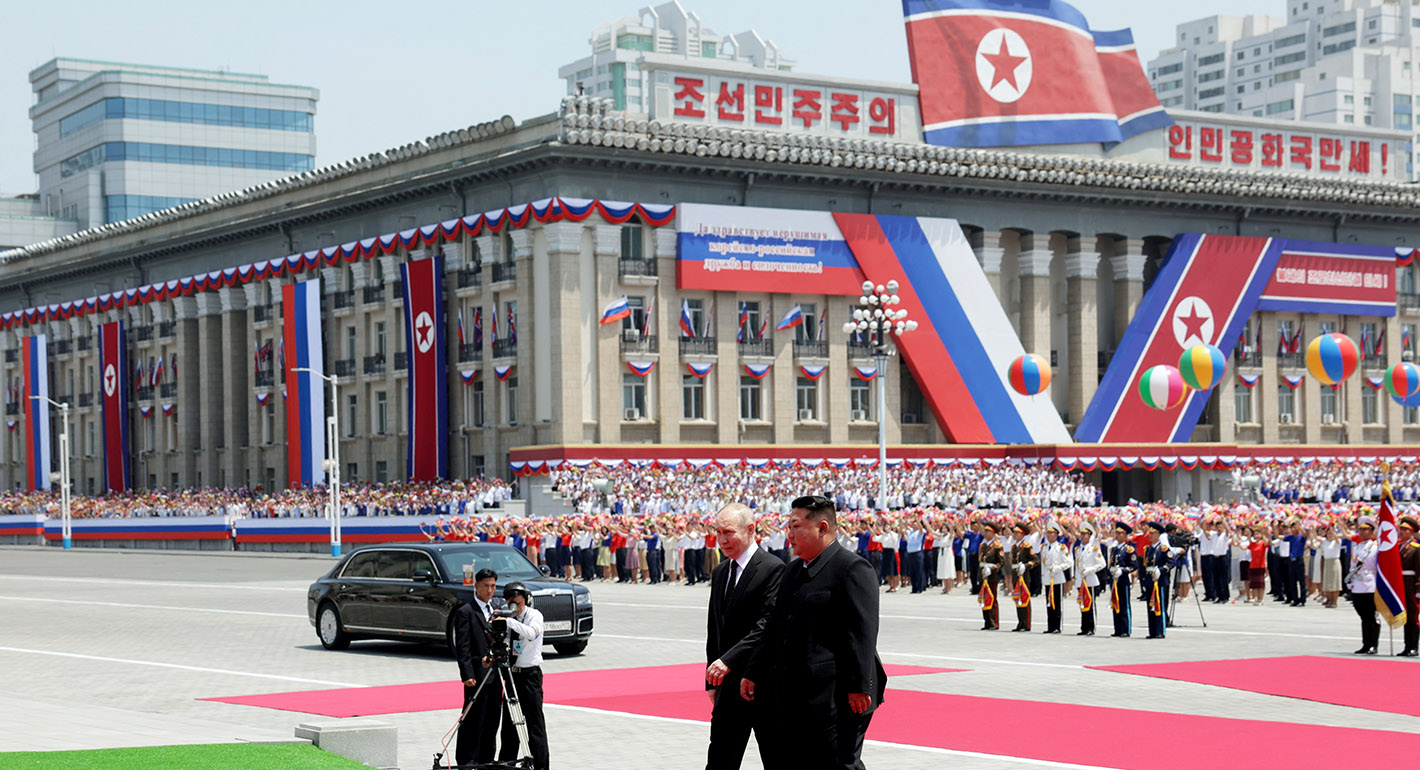
The new approach will badly damage Russia’s relations with some Asian countries, in particular South Korea, which is now likely to greenlight weapons shipments to Ukraine.

Fyodor Tertitskiy
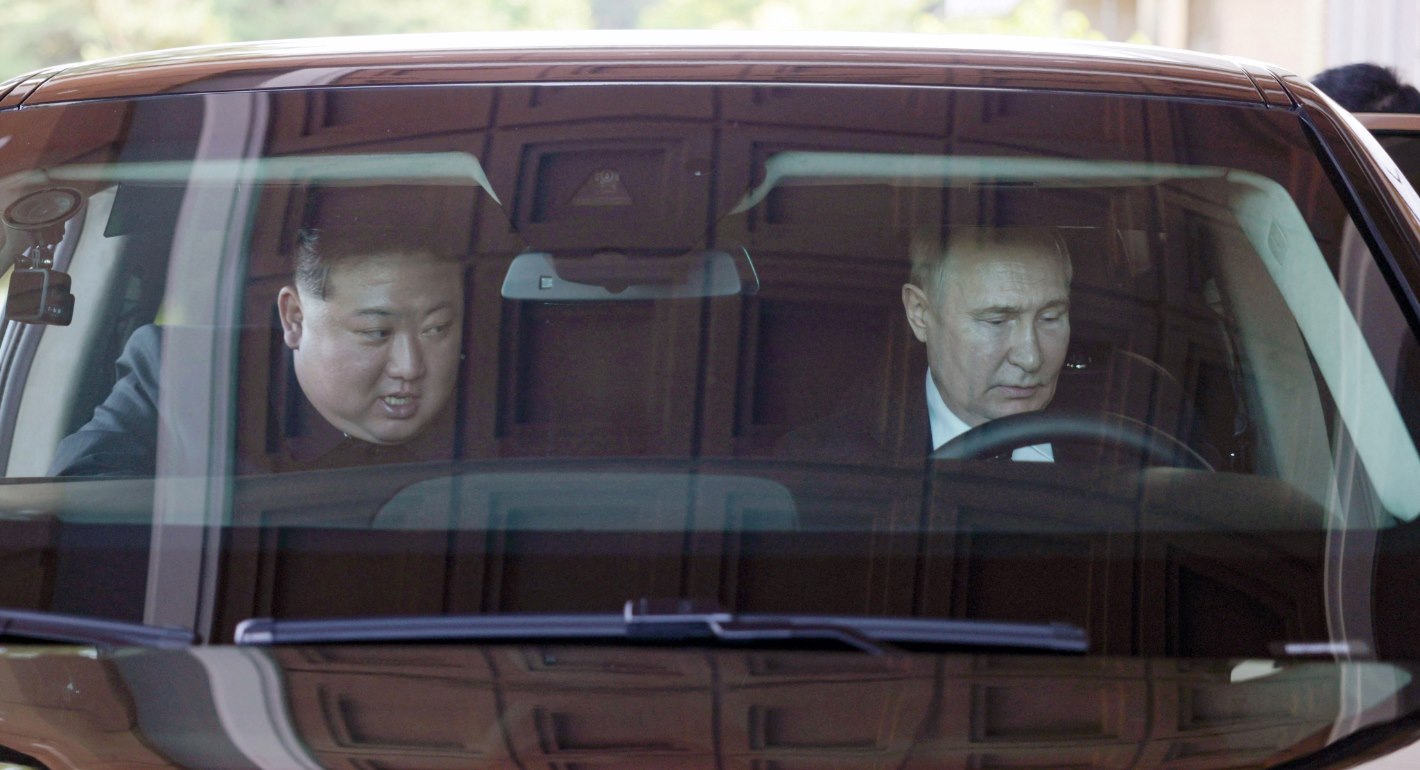
Unlike Kim Jong Un, Vladimir Putin chose to bring about his country’s international isolation himself. Modern Russia is not an inheritance, but a regime built by his own hands.

Alexander Baunov
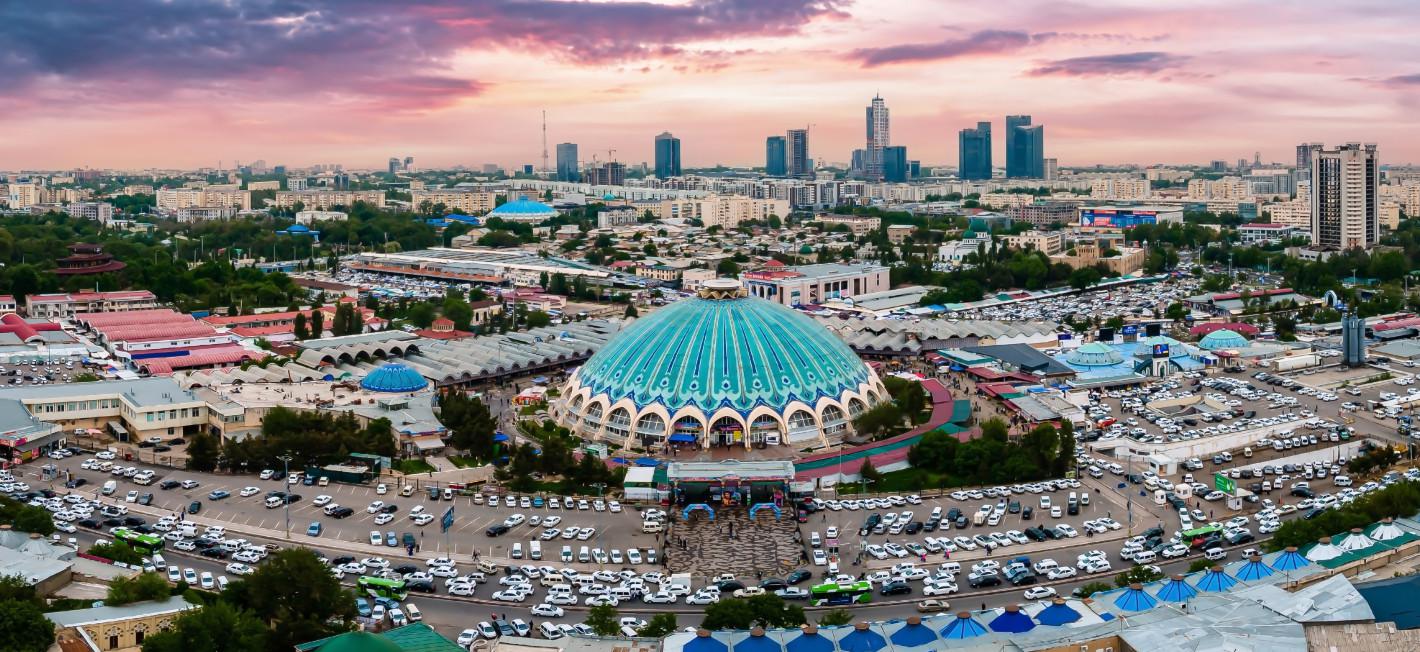
China has been investing in solar and wind energy projects in Kazakhstan and Uzbekistan, increasingly adapting its approach to the needs and regulations in each country.
Yunis Sharifli