• Research
  • Politika
  • About
Carnegie Russia Eurasia center logoCarnegie lettermark logo
  • Donate
The New Role of Central and Eastern Europe in International Democracy Support

Source: Getty

Paper

The New Role of Central and Eastern Europe in International Democracy Support

Democratic actors in Central and Eastern Europe bring unique experiences and legitimacy to international democracy support and their democracy promotion efforts have the potential to make a significant contribution.

Link Copied
By Tsveta Petrova
Published on Jun 6, 2011

Additional Links

Full Text
Project hero Image

Project

Rising Democracies Network

The Carnegie Rising Democracies Network is a research network of leading experts on democracy and foreign policy, dedicated to examining the growing role of non-Western democracies in international democracy support and conflict issues. The Rising Democracies Network is carried out in partnership with the Robert Bosch Stiftung, and with additional support from the Ford Foundation and the UK Foreign, Commonwealth and Development Office.

Learn More

The new democracies of Central and Eastern Europe are increasingly engaging in international democracy support, especially in the former Soviet Union and the Western Balkans. They have leveraged their membership in a number of Euro-Atlantic international organizations and used their bilateral diplomatic ties with democratization laggards to motivate and pressure them to observe democratic norms and practices. They have also been supplying small but growing amounts of democracy assistance.

The democracy promotion efforts of these countries—countries that are still grappling with some domestic democracy issues of their own—have been limited in scope and inconsistent, ad hoc, and given a low priority at times. Still, these countries have very recent, in fact ongoing experience with democratization that gives them valuable expertise and perspectives that other donors do not have, and therefore special credibility in the eyes of recipients. They also tend to tailor their efforts to the needs of their recipients and work primarily in their neighborhood, where they have considerable knowledge of local sociopolitical realities and where their own experiences are highly relevant. 

The Eastern EU democracy promoters have also managed to keep the countries in the post-communist space that are not democratizing fast enough relatively high on the agenda of a number of Euro-Atlantic organizations. These efforts, however, have not yet produced the desired liberalization of neighboring autocracies. They have been important in inspiring and preparing prodemocratic forces in neighboring hybrid regimes to organize several electoral revolutions in the 2000s, but even such democratization has proven short-lived in many cases.

About the Author

Tsveta Petrova

Tsveta Petrova is a lecturer in political science at Columbia University, whose research focuses on democracy, democratization, and democracy promotion in Central and Eastern Europe.

Tsveta Petrova

Tsveta Petrova is a lecturer in political science at Columbia University, whose research focuses on democracy, democratization, and democracy promotion in Central and Eastern Europe.

Eastern EuropeEuropePolitical ReformDemocracy

Carnegie does not take institutional positions on public policy issues; the views represented herein are those of the author(s) and do not necessarily reflect the views of Carnegie, its staff, or its trustees.

More Work from Carnegie Russia Eurasia Center

  • Paper
    Loyal but Powerless: The Downgrading of Russia’s Elite

    The ruling elites in contemporary Russia are not a political class, but a community of managers who are not subject to competition or public accountability. The state is becoming an operating apparatus without any internal autonomy.

      Alexandra Prokopenko

  • Commentary
    Carnegie Politika
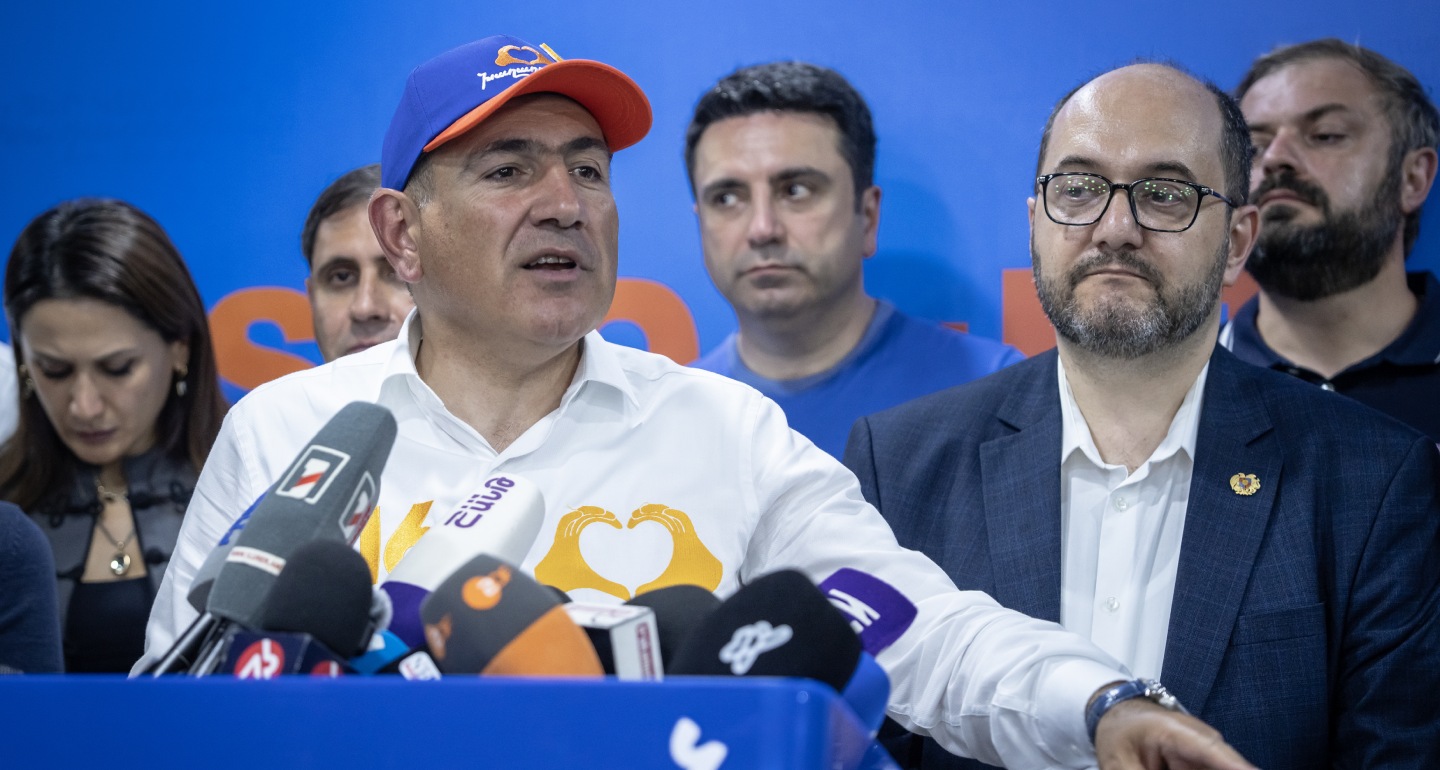
    What Does Pashinyan’s Parliamentary Victory Mean for Armenia’s Future?

    Pashinyan’s pro-European party has been re-elected with a decisive victory. But the pro-Russian opposition could still slow Armenia’s progress toward peace with Azerbaijan and rapprochement with Europe.

      Mikayel Zolyan

  • Book
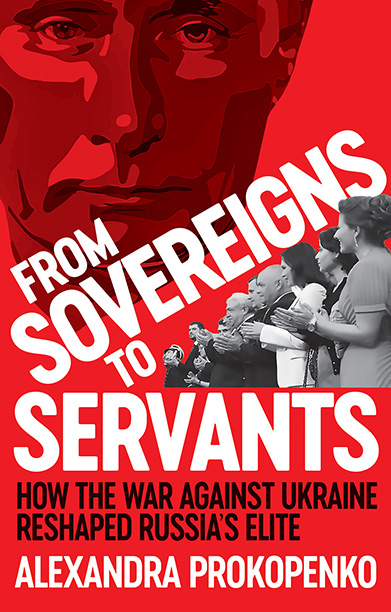
    From Sovereigns to Servants. How the War Against Ukraine Reshaped Russia’s Elite

    How did Putin co-opt Russia’s political and economic elites, ensuring no more than fitful resistance to the regime’s war on Ukraine?

      Alexandra Prokopenko

  • Commentary
    Carnegie Politika
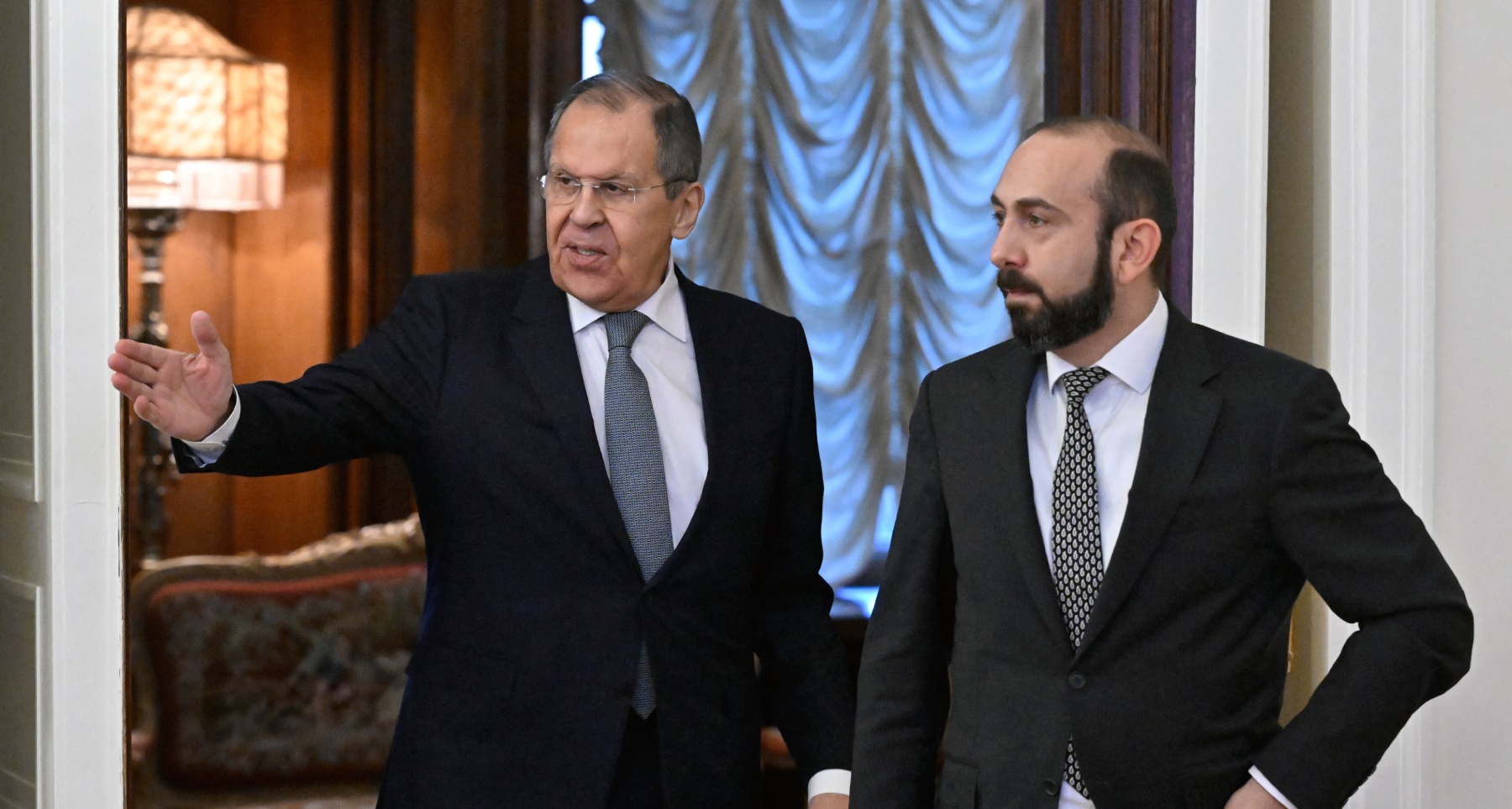
    Will Russia–Armenia Relations Improve Following Pashinyan’s Re-Election?

    For all the menacing rhetoric, the Armenian prime minister remains a leader with whom Putin is prepared to interact: not as an ally, but as a partner, albeit a problematic one.

      • Alexander Atasuntsev

      Alexander Atasuntsev

  • Commentary
    Carnegie Politika
    Who Does Azerbaijan Want to See Win Armenia’s Elections?

    By fueling the arguments of both supporters and opponents of Armenian Prime Minister Nikol Pashinyan, Azerbaijan wants to ensure he is re-elected with a weaker mandate.

      Bashir Kitachaev

Get more news and analysis from
Carnegie Russia Eurasia Center
Carnegie Russia Eurasia logo, white
  • Research
  • Politika
  • About
  • Experts
  • Events
  • Contact
  • Privacy
  • For Media
Get more news and analysis from
Carnegie Russia Eurasia Center
© 2026 Carnegie Endowment for International Peace. All rights reserved.