

Commentary
Nathalie Tocci, Jan Techau
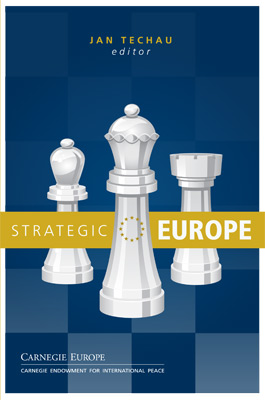
The obvious and often painful mismatch between aspiration and reality in European foreign policy has plagued discourse on European integration during the last decade.
The obvious and often painful mismatch between aspiration and reality in European foreign policy has plagued discourse on European integration during the last decade. Today, the simple truth is that the Lisbon institutions have brought more ambiguity than clarity about Europe’s capacity and role in the world.
In the fall of 2011, Carnegie Europe asked a select group of policymakers, diplomats, academics, think tank experts, and journalists to contribute concise and timely interpretations about what a truly strategic Europe would look like.
The resulting volume looks to reinvigorate the debate about Europe’s global impact with new perspectives, fresh impulses, and thought-provoking ideas on how Europe can better position itself as a strategic player on the world stage.

Director, Europe Team, Eurasia Group
Techau is director with Eurasia Group's Europe team, covering Germany and European security from Berlin. Previously, he was director of Carnegie Europe.
Recent Work

Nathalie Tocci, Jan Techau
Jan Techau
Carnegie does not take institutional positions on public policy issues; the views represented herein are those of the author(s) and do not necessarily reflect the views of Carnegie, its staff, or its trustees.
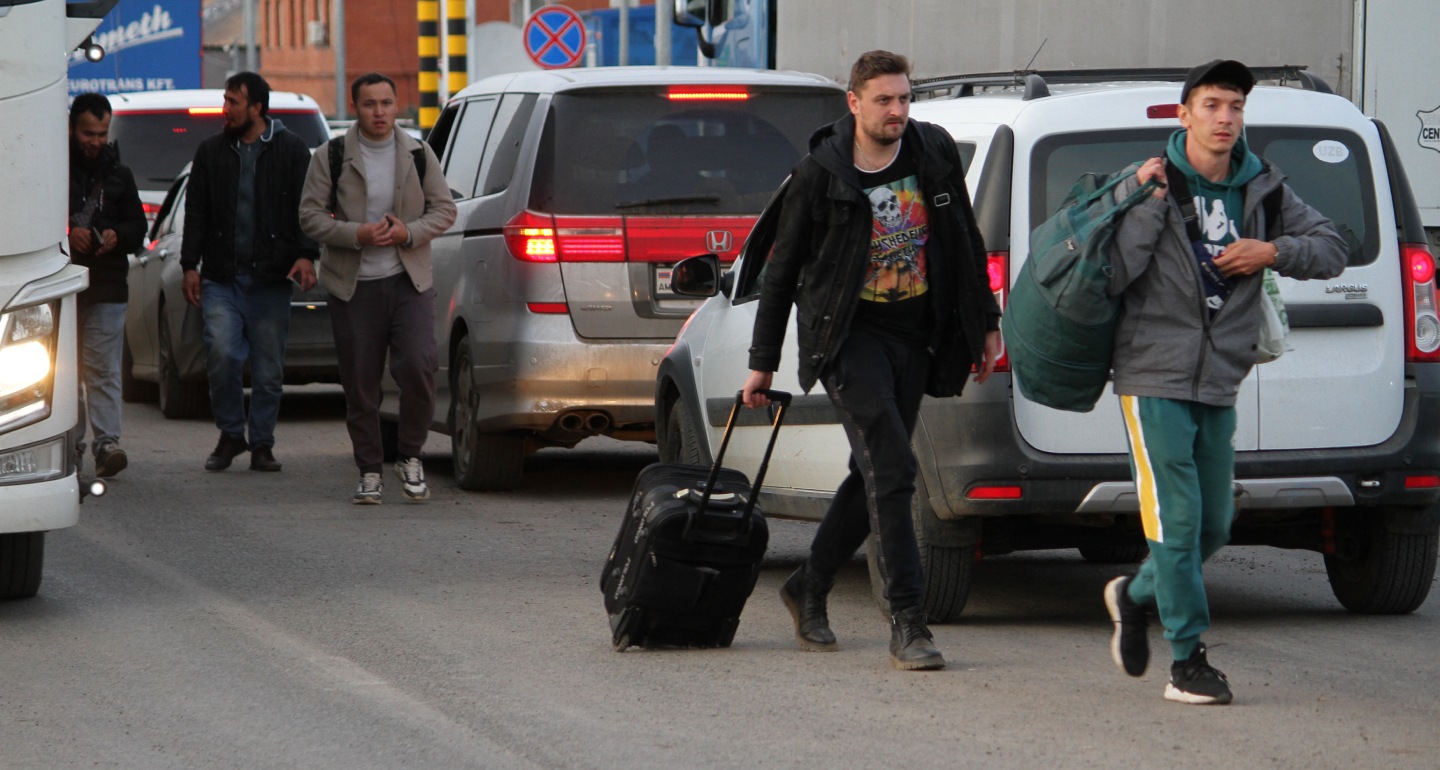
The current U.S. indifference to human rights means Astana no longer has any incentive to refuse extradition requests from its authoritarian neighbors—including Russia.

Temur Umarov
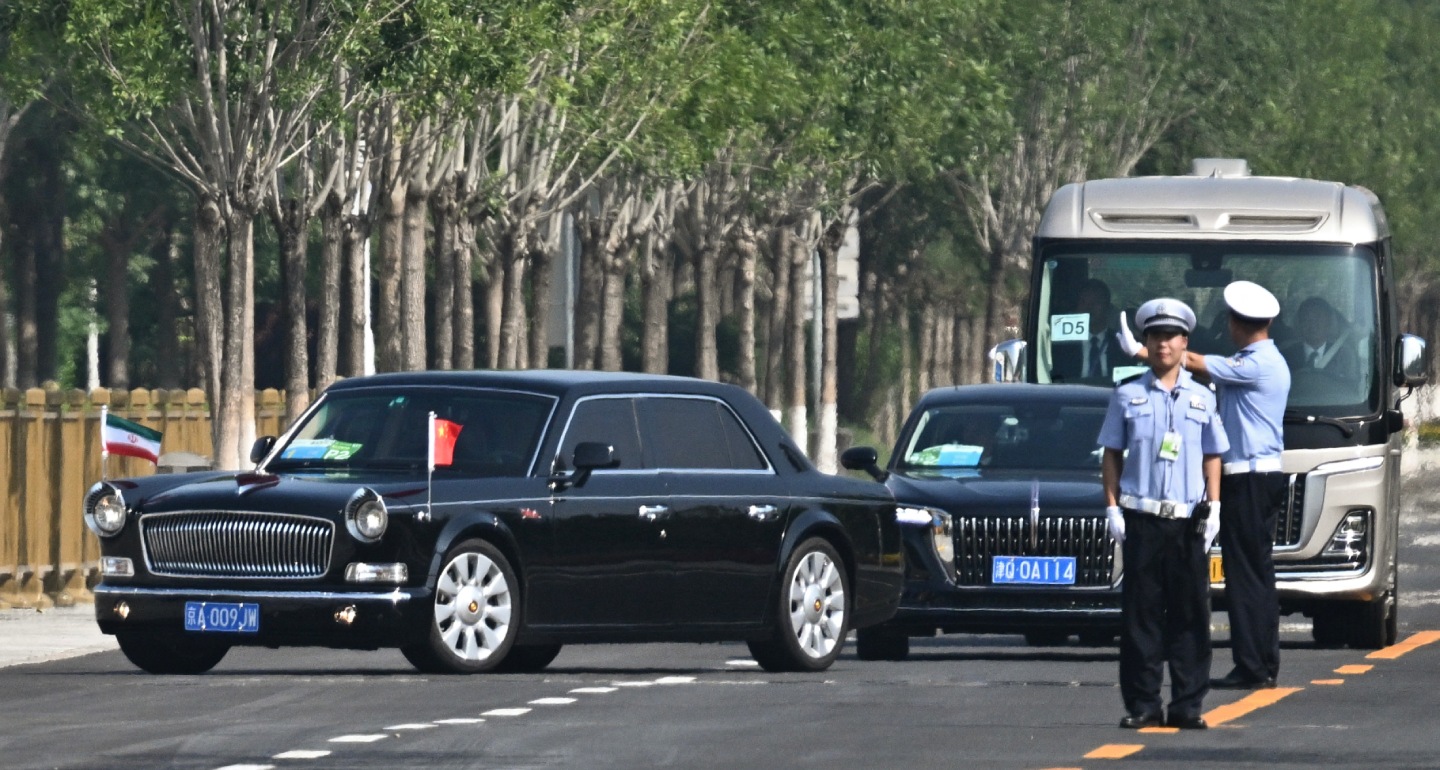
Most of Moscow’s military resources are tied up in Ukraine, while Beijing’s foreign policy prioritizes economic ties and avoids direct conflict.

Alexander Gabuev, Temur Umarov
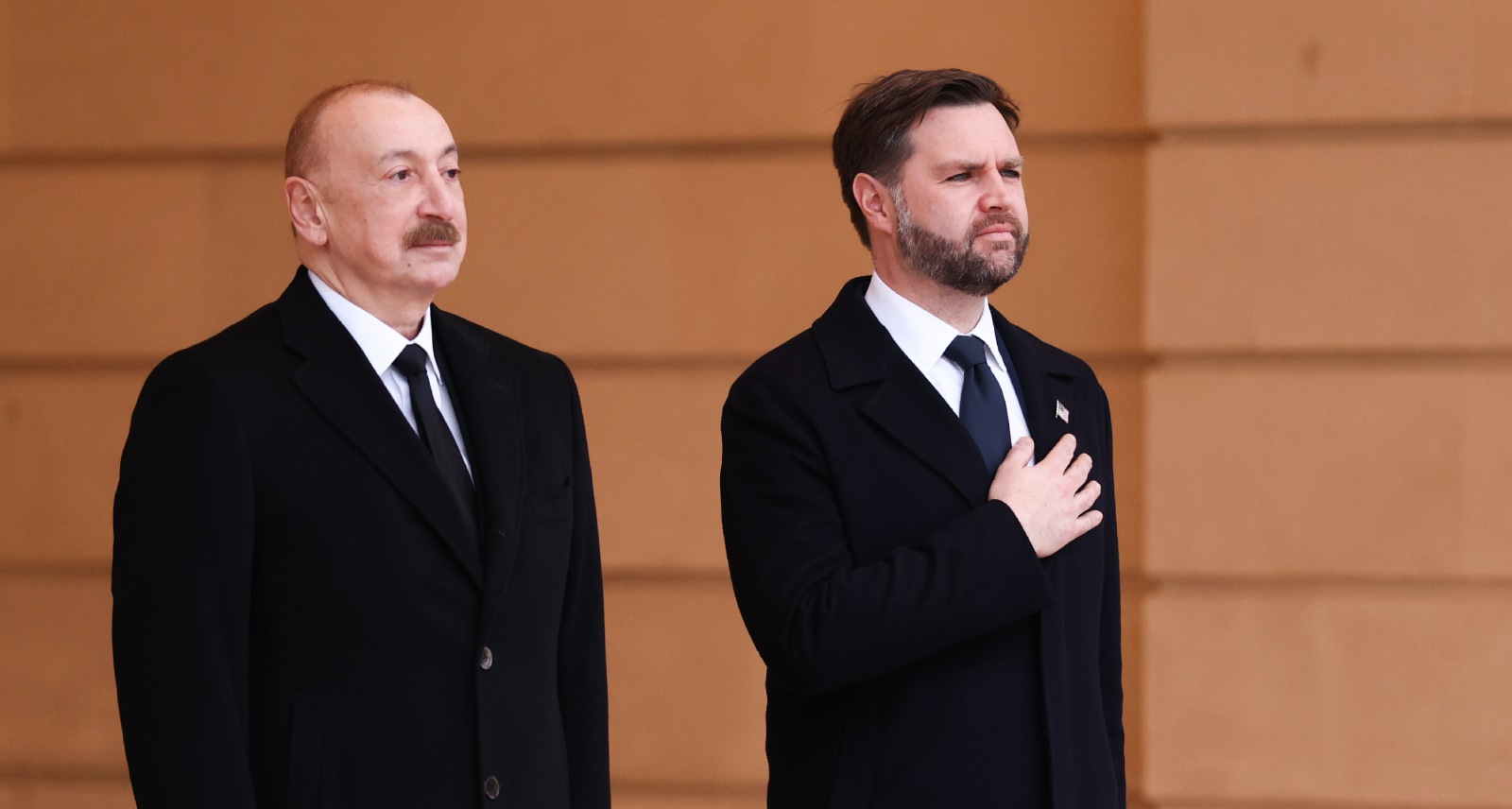
With the White House only interested in economic dealmaking, Georgia finds itself eclipsed by what Armenia and Azerbaijan can offer.

Bashir Kitachaev
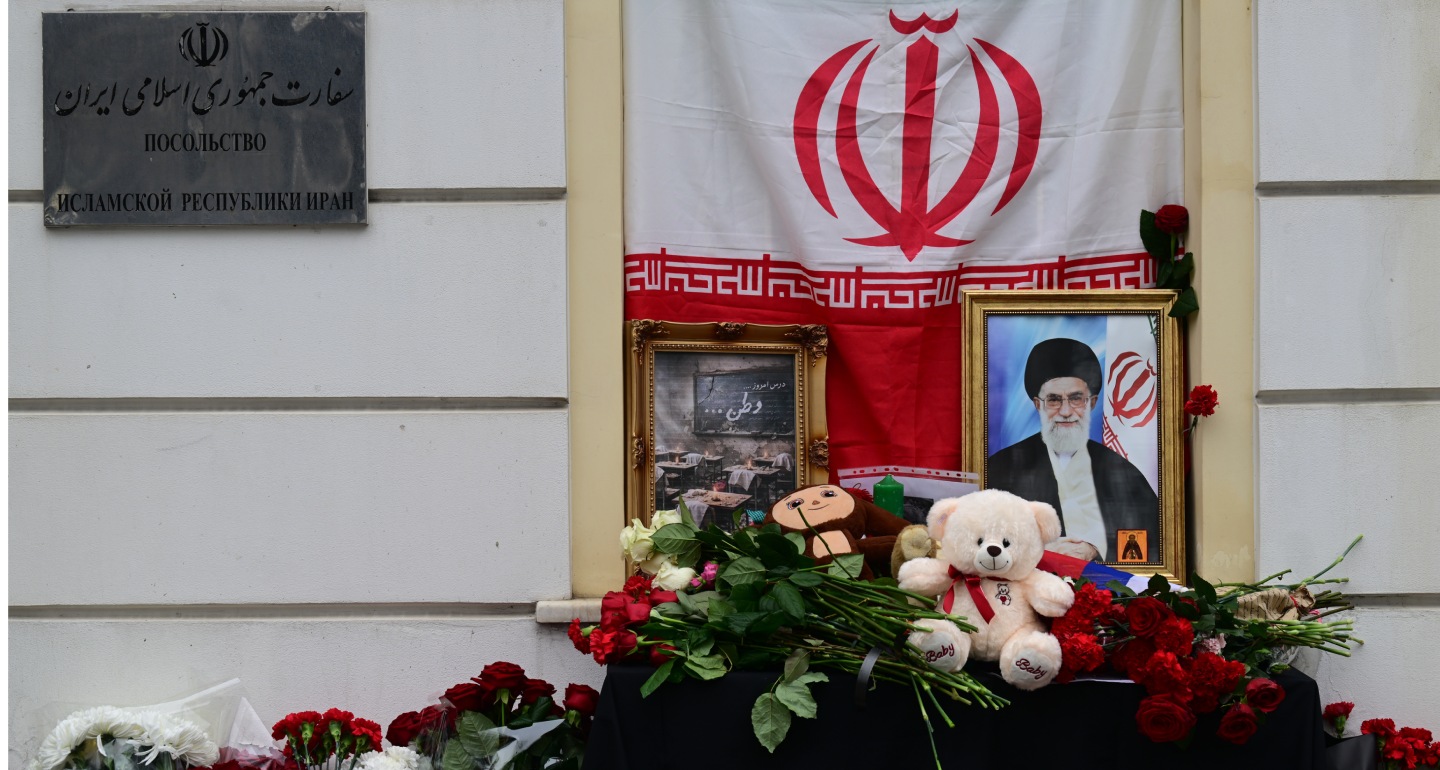
If the regime in Tehran survives, it could be obliged to hand Moscow significant political influence in exchange for supplies of weapons and humanitarian aid.

Nikita Smagin
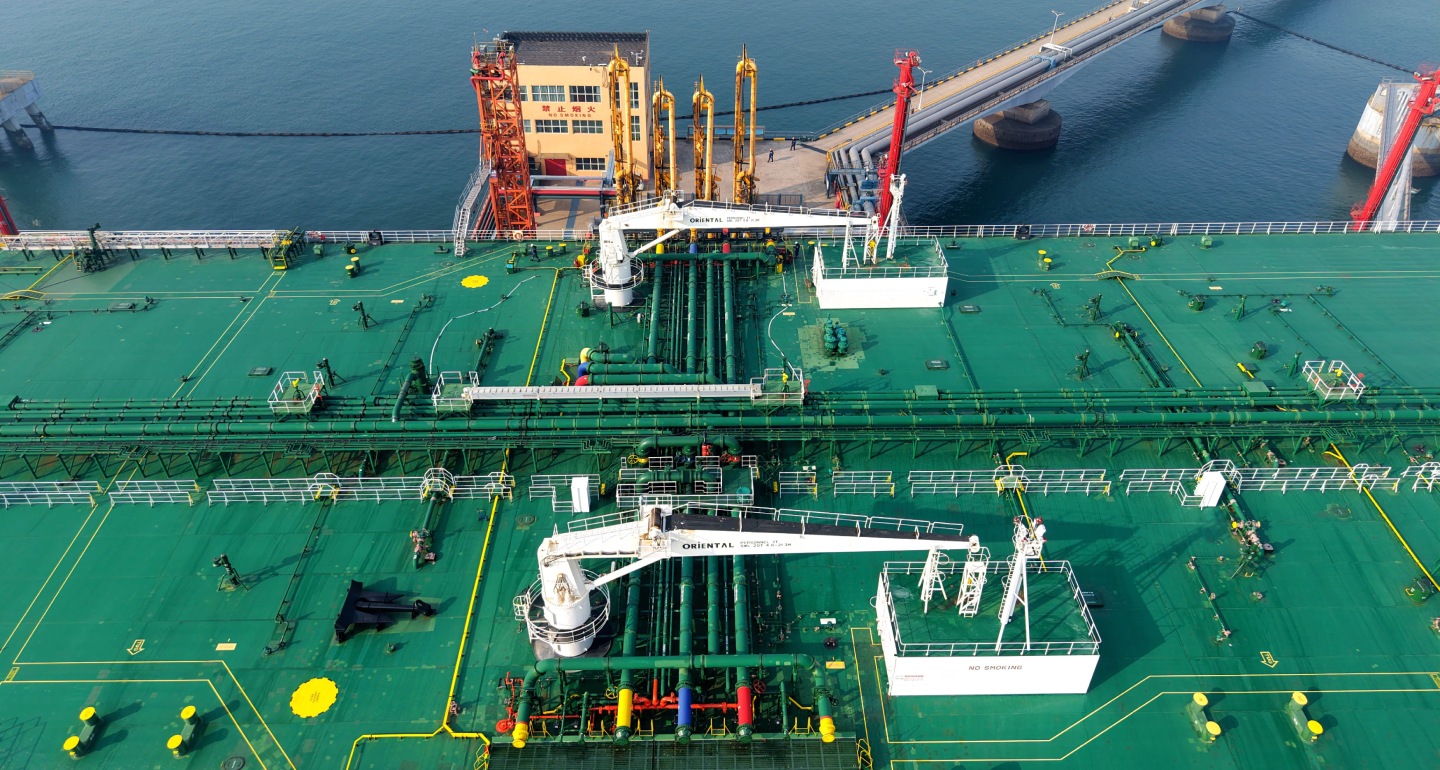
The interventions in Iran and Venezuela are in keeping with Trump’s strategy of containing China, but also strengthen Russia’s position.

Mikhail Korostikov