

Paper
Richard Youngs, Thomas Carothers
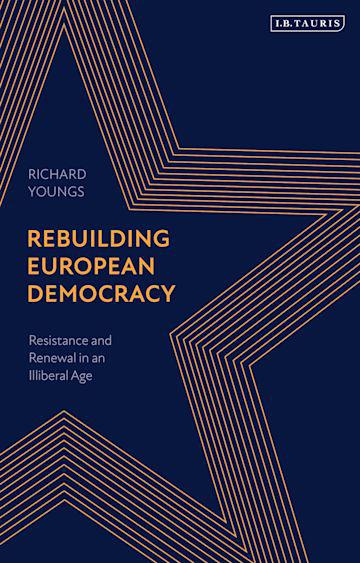
Despite serious concerns over the state of European democracy, a spirit of democratic resistance has gained significant traction. Still, to turn the tide decisively in democracy’s favor, more ambitious renewal will be needed.
Source: Bloomsbury Publishing
In recent years serious concerns emerged over the state of European democracy. Many democracy indices are reporting a year-on-year drift towards less liberal politics in the countries of the European Union. The coronavirus pandemic has intensified these fears.
There is another side of the democratic equation, however. Rebuilding European Democracy: Resistance and Renewal in an Illiberal Age argues that governments, EU institutions, political parties, citizens, and civil society organizations have gradually begun to push back in defense of democracy and have developed responses to Europe’s democratic malaise at multiple levels. Europe’s democracy problems have been grave and far-reaching. Yet, a spirit of democratic resistance has slowly taken shape.
This book argues that the pro-democratic fightback may be belated, but it is real and has assumed significant traction with various types of democratic reform underway, including citizen initiatives, political-party changes, digital activism, and EU-level responses.

Senior Fellow, Democracy, Conflict, and Governance Program
Richard Youngs is a senior fellow in the Democracy, Conflict, and Governance Program, based at Carnegie Europe. He works on EU foreign policy and on issues of international democracy.
Recent Work

Richard Youngs, Thomas Carothers
Richard Youngs
Carnegie does not take institutional positions on public policy issues; the views represented herein are those of the author(s) and do not necessarily reflect the views of Carnegie, its staff, or its trustees.
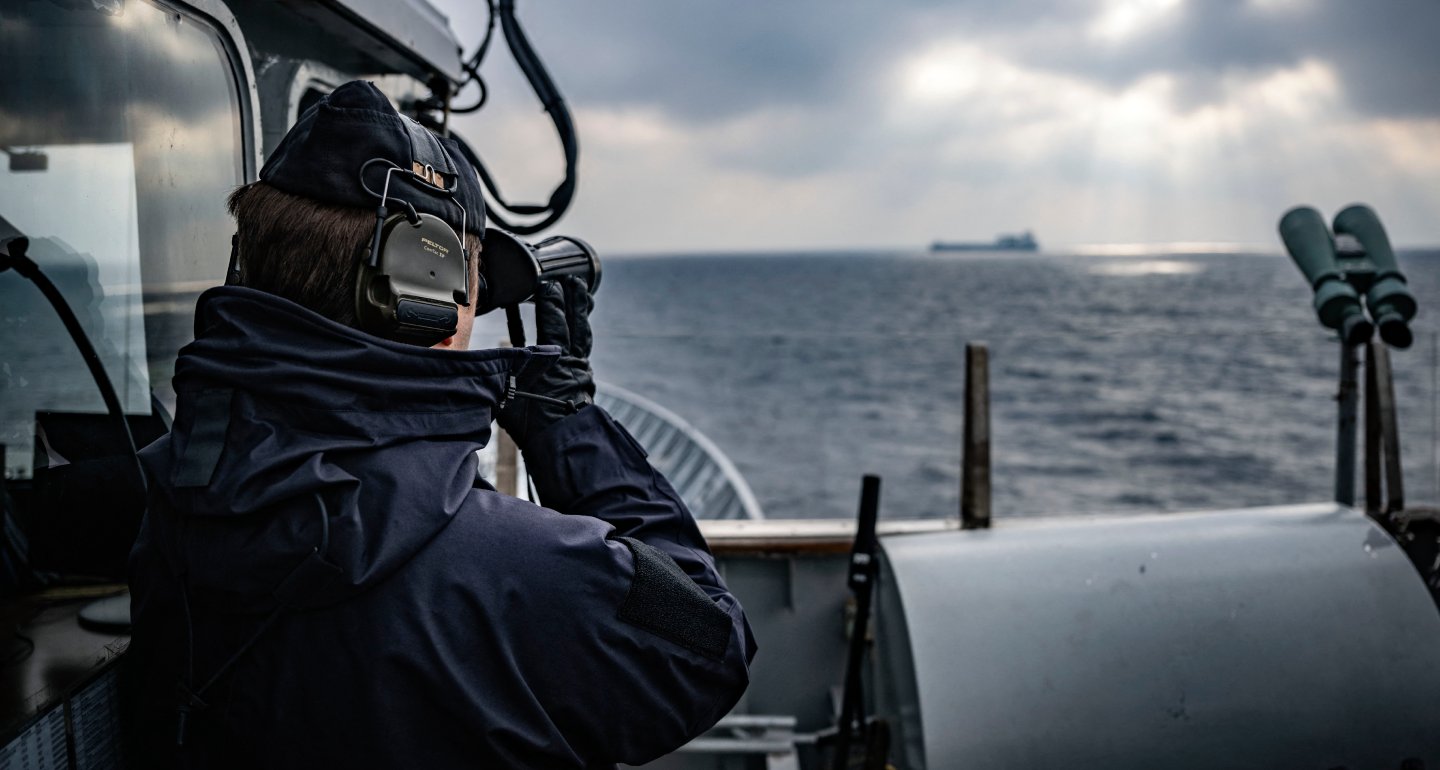
Governments in Estonia, Latvia, and Lithuania want to ensure that a U.S. military withdrawal would not leave them dangerously exposed to a Russian attack.

Sergejs Potapkins
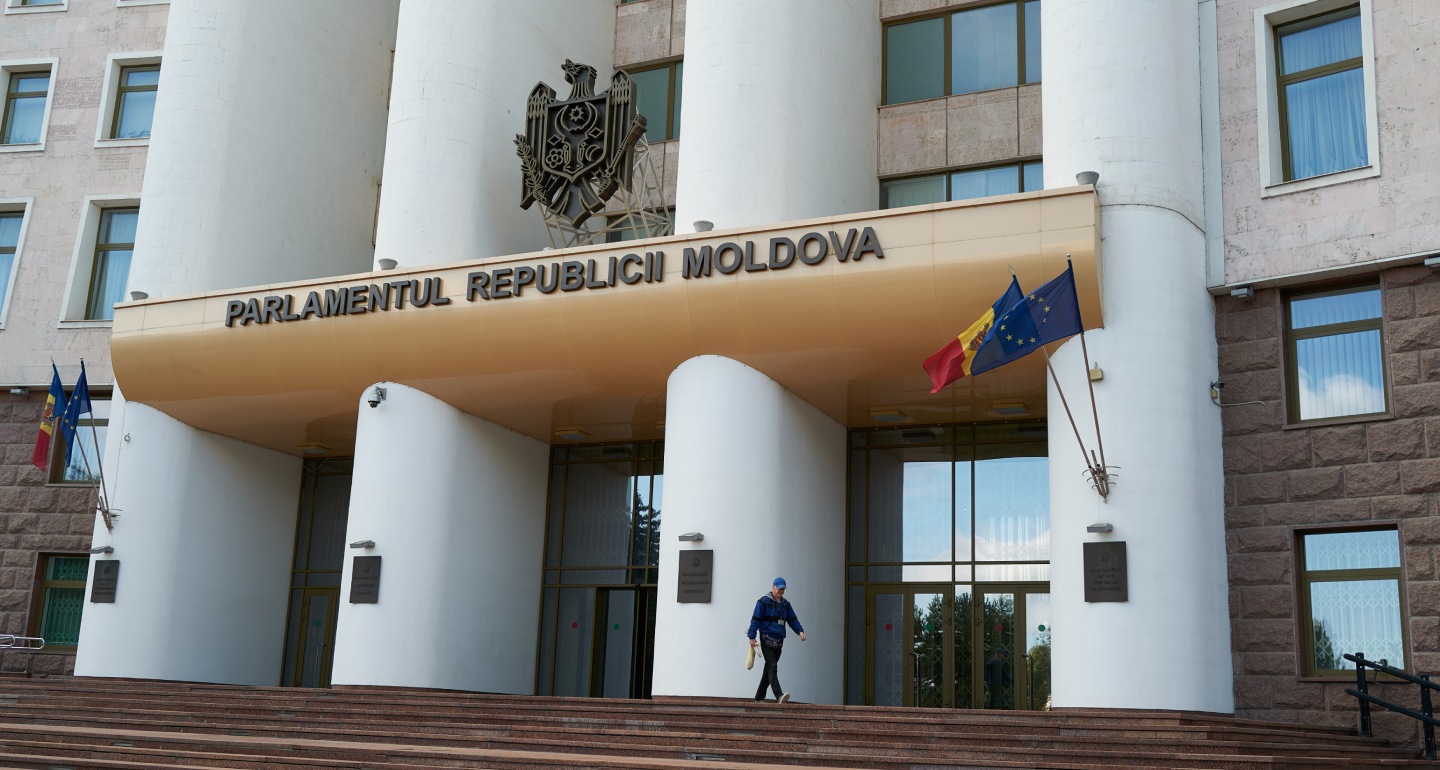
Moldova’s reintegration plan was drawn up to demonstrate to Brussels that Chișinău is serious about the Transnistria issue—and to get the West to react.
Vladimir Solovyov
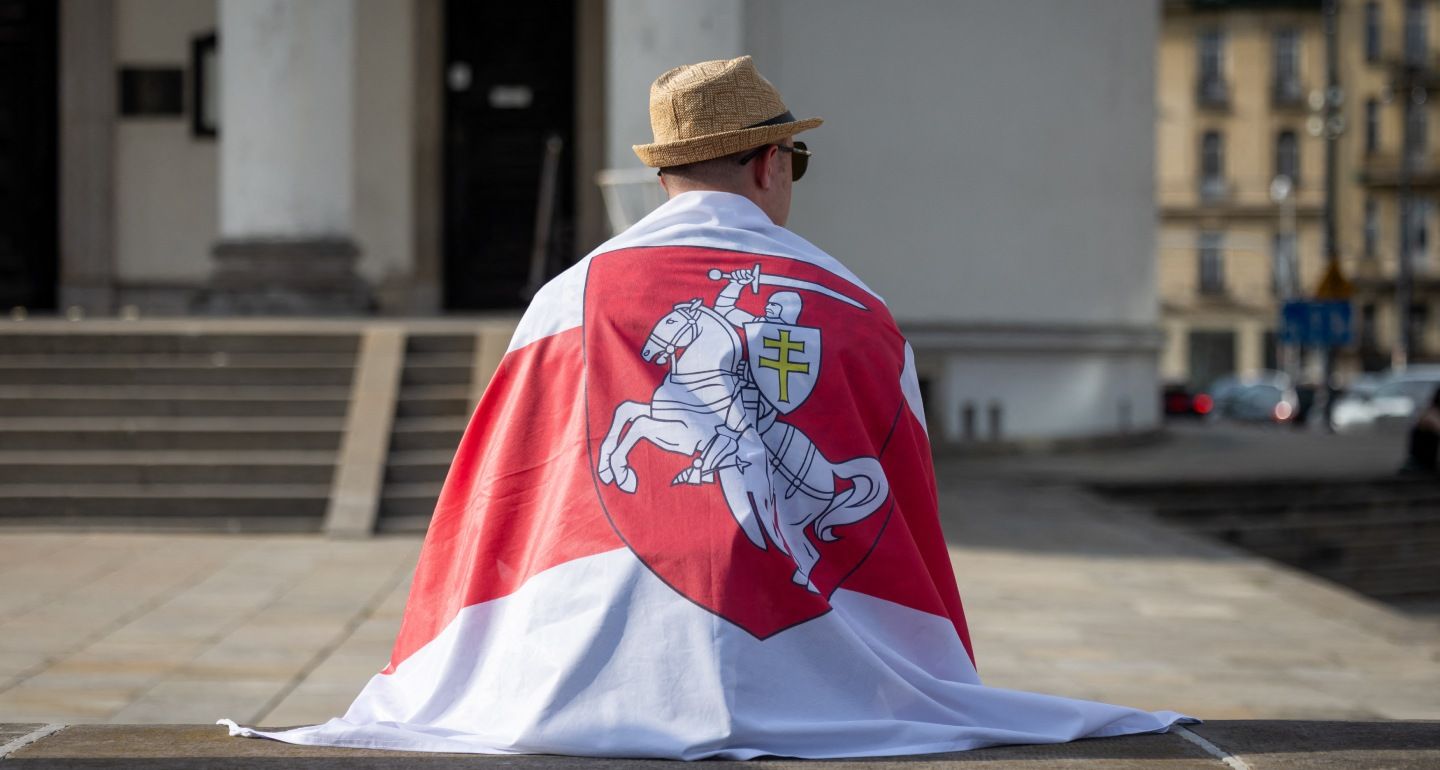
Minsk’s modest progress in creating a more predictable and peaceful image could stall at any minute as a result of tensions and developments in the region or a change in mood by Putin or Trump.

Artyom Shraibman
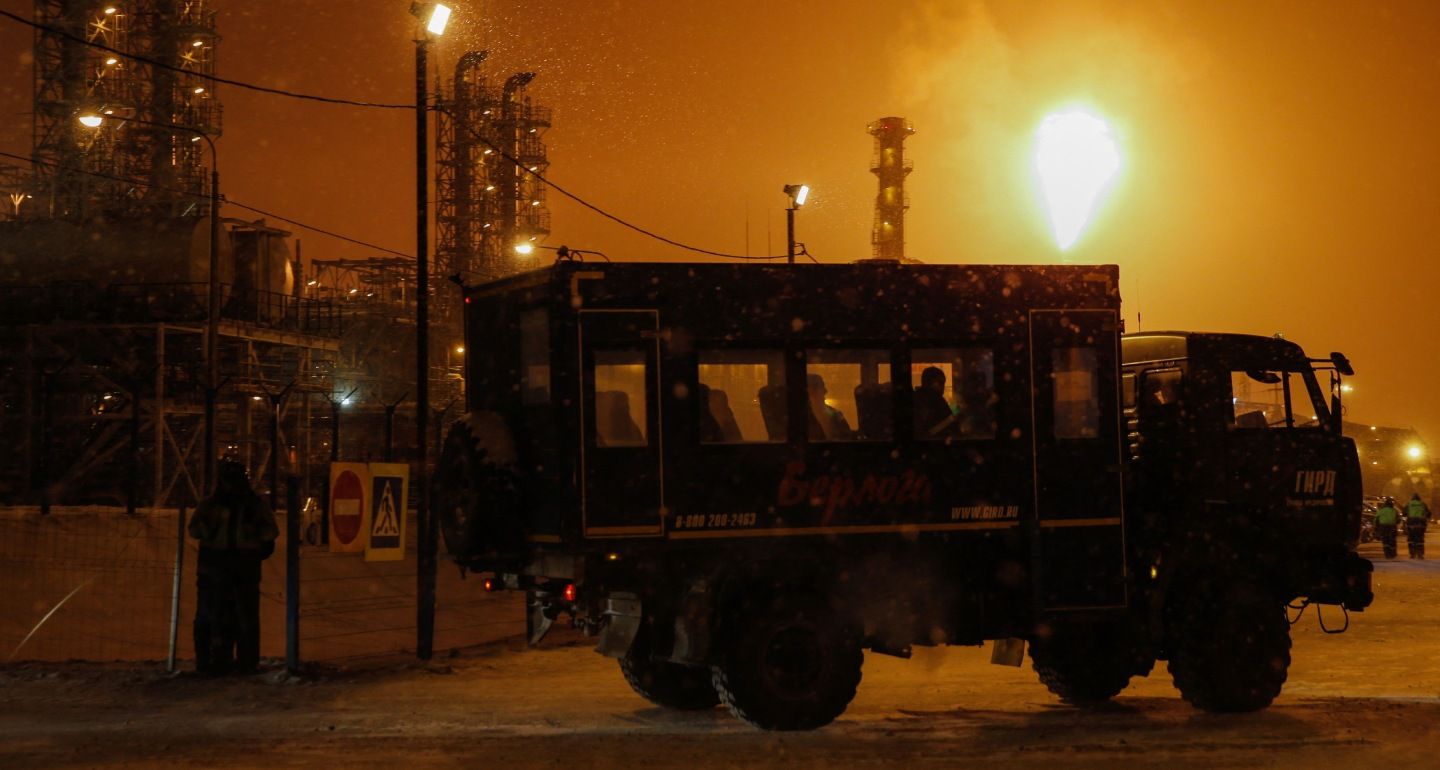
Western powers may soon find it hard to escape an unpalatable dilemma: either they need to invest heavily in ice-class marine capability, both military and commercial, with unclear payback prospects, or they will have to cede leadership in the Arctic to the Sino-Russian tandem.

Sergey Vakulenko
As Russia’s war in Ukraine reshapes domestic standards across the region, Moldova’s path of political consolidation makes it a frontier—rather than an outlier—in a broader European trend.

Balázs Jarábik