

{
  "authors": [
    "Temur Umarov",
    "Nargiza Muratalieva",
    "Yanliang Pan",
    "Yunis Sharifli"
  ],
  "type": "event",
  "centerAffiliationAll": "dc",
  "centers": [
    "Carnegie Endowment for International Peace"
  ],
  "englishNewsletterAll": "asia",
  "nonEnglishNewsletterAll": "",
  "primaryCenter": "Carnegie Endowment for International Peace",
  "programAffiliation": "AP",
  "programs": [
    "Asia"
  ],
  "projects": [
    "China Local/Global"
  ],
  "regions": [
    "China",
    "Central Asia",
    "Kazakhstan",
    "Kyrgyz Republic",
    "Tajikistan",
    "Turkmenistan",
    "Uzbekistan"
  ],
  "topics": [
    "Energy",
    "Trade"
  ]
}
Money and Energy: China’s Flexible Approach to Central Asian Investment
Wed, March 26th, 2025
Live Online
Invalid video URL
Is China’s economic engagement with developing countries a one-way street? Not necessarily. While some in the West argue that China imposes its own opaque and predatory investment rules, Chinese actors must often adapt to local needs and practices. Central Asian countries have been able to leverage their rich natural resources to shape a more mutually beneficial partnership. What strategies have they used to do so? What continuing challenges will they face?
China Local/Global, a multi-year Carnegie Asia program project, has been exploring these adaptive strategies, examining how Chinese actors respond to local partner demands across seven global regions. Join us for a discussion on how five Central Asian economies—Kazakhstan, Kyrgyzstan, Tajikistan, Turkmenistan, and Uzbekistan—have navigated their relationships with China.
Please join the authors of several China Local/Global publications for a virtual discussion examining Central Asia’s strategic relations with China. Temur Umarov, a fellow at the Carnegie Russia Eurasia Center, will moderate a discussion featuring Nargiza Muratalieva, associate professor at the American University of Central Asia, Yanliang Pan, a researcher at the James Martin Center for Nonproliferation Studies, and Yunis Sharifli, nonresident fellow at The China-Global South Project.
Carnegie does not take institutional positions on public policy issues; the views represented herein are those of the author(s) and do not necessarily reflect the views of Carnegie, its staff, or its trustees.
Event Speakers
Fellow, Carnegie Russia Eurasia Center

Temur Umarov is an expert on China and Central Asia, and a fellow at the Carnegie Russia Eurasia Center.
Nargiza Muratalieva
Associate Professor, American University of Central Asia

Nargiza Muratalieva holds a PhD in political science and is a part-time associate professor in the International and Comparative Politics Department at the American University of Central Asia. She is a contributor to the Spheres of Influence Uncovered project, part of the Berlin-based Network for Border Crossing Journalism. Her research is focused on international relations and regional cooperation in Central Asia.
Yanliang Pan
Research Associate, James Martin Center for Nonproliferation Studies

Yanliang Pan is a research associate at the James Martin Center for Nonproliferation Studies, where his nuclear energy-related research focuses on issues of supply security across the nuclear fuel cycle and in nuclear heavy manufacturing.
Yunis Sharifli
Nonresident Fellow, The China-Global South Project
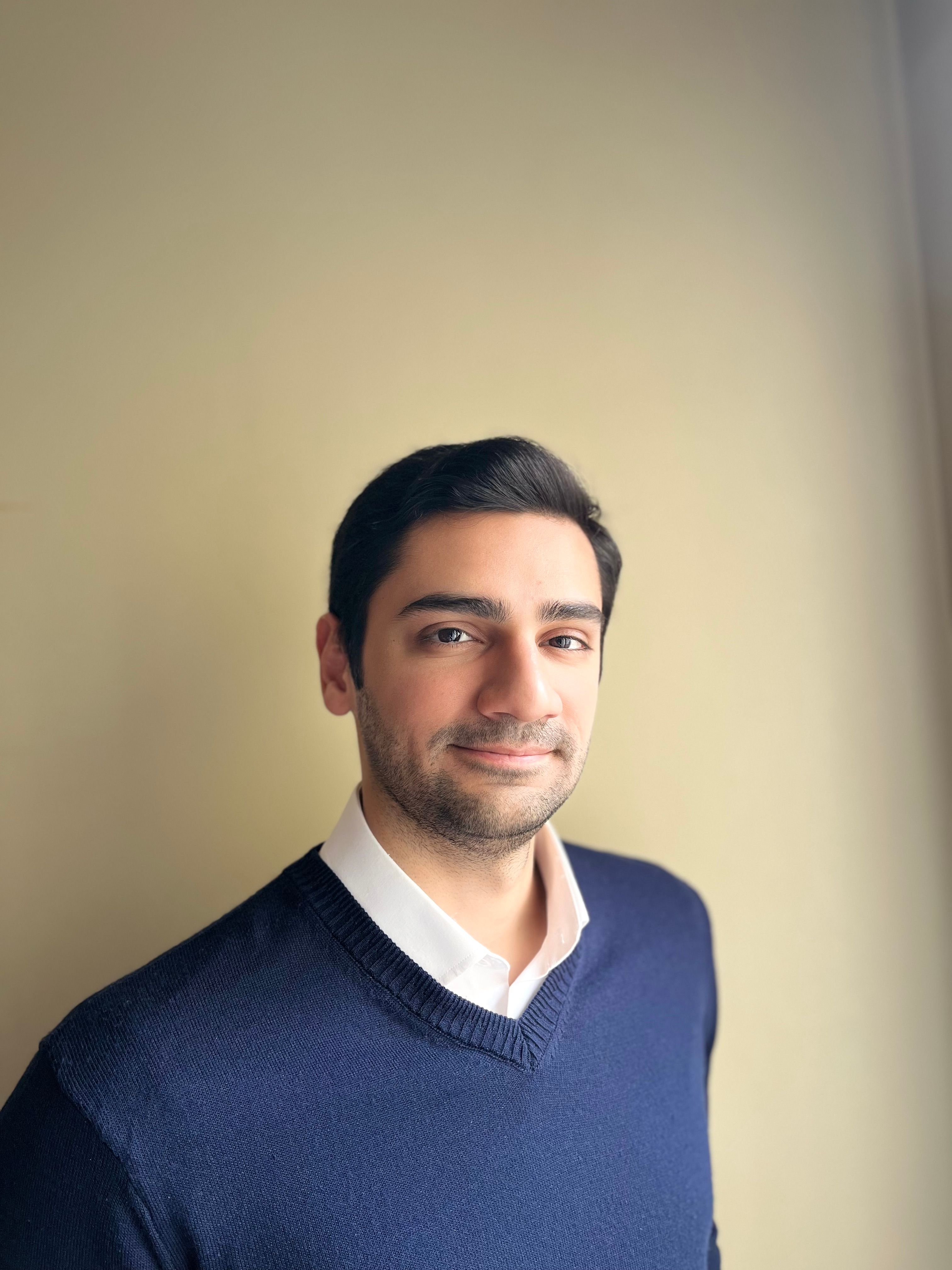
Yunis Sharifli is a non-resident fellow at The China-Global South Project, specializing in China-Central Asia relations. His expertise encompasses China’s engagement with Central Asia and the South Caucasus, focusing on energy, connectivity, and regional dynamics. Previously, he was a research fellow at the Central Asia Barometer and the Caucasian Center for International Relations and Strategic Studies.