

Article
Леонид Гозман, Michael McFaul
{
  "authors": [
    "Michael McFaul"
  ],
  "type": "legacyinthemedia",
  "centerAffiliationAll": "dc",
  "centers": [
    "Carnegie Endowment for International Peace"
  ],
  "collections": [],
  "englishNewsletterAll": "ctw",
  "nonEnglishNewsletterAll": "",
  "primaryCenter": "Carnegie Endowment for International Peace",
  "programAffiliation": "russia",
  "programs": [
    "Russia and Eurasia"
  ],
  "projects": [],
  "regions": [
    "Caucasus",
    "Russia"
  ],
  "topics": []
}
REQUIRED IMAGE
Source: Carnegie
Moscow Times, October 26, 1999
All countries have the right to defend their people from terrorists. Russia is no exception. The Russian military campaign in Chechnya, however, has moved well beyond the earlier limited objective of combating terrorism. The new strategy and the means being deployed to execute this strategy suggest a new ulterior motive - Prime Minister Vladimir Putin's presidential election campaign.
If the original motivations and objectives of the Russian
counteroffensive were the right ones, the means now being deployed are the wrong
ones. The Russian military should have kept its focus on the Chechen commanders
who invaded Dagestan. Instead, the Russian forces currently occupying northern
Chechnya now seem poised to seize the Chechen capital. If anything is to be
learned from the failed Russian intervention in 1994-96, however, it is that
Russian occupation of Grozny will only strengthen the resolve of Chechen guerrillas,
not defeat them. This new Russian offensive is also likely to provoke new terrorist
attacks in Russia, not deter them.
In moving beyond the more limited objectives of pursuing
terrorists within Chechnya, the current conventional invasion has also undermined
opportunities for cooperation in fighting terrorism between the elected government
of Chechnya and the Russian government. Before the Russian invasion, Chechen
President Aslan Maskhadov and Moscow had a mutual enemy in Shamil Basayev. Maskhadov
might have been willing to cooperate with Russia in seeking the arrest of Basayev
and his comrades before the Russian military invasion. Now that Russian forces
are threatening to invade Grozny, all Chechens - including Basayev and Maskhadov
- have united to defend their homeland. If fighting terrorism was the central
aim of the Russian intervention in
Chechnya, the recent escalation of the conflict has been counterproductive.
The most appalling aspect of the current intervention, however,
has been the means deployed. Lobbing missiles into markets is a crime against
humanity. What is even more appalling is that Putin has denied responsibility
for these deaths, suggesting absurdly instead that the recent slaughter of innocents
in Grozny resulted from gunfights among rival Chechen gangs. The prime
minister - who months ago appeared to be the first Russian leader in a long
time ready to take responsibility for his actions - is now running from that
responsibility.
As grotesque as the means deployed may be, the real objective
of the current campaign is Putin's presidential bid. If fighting terrorism were
the real aim, Putin would have met with Maskhadov long ago to devise a plan
to arrest Basayev. Instead, Putin is spearheading this large-scale offensive
into Chechnya as a means to thrust himself onto the national political stage.
So
far, the strategy has succeeded as he is now the second most popular political
figure in Russia, next to former Prime Minister Yevgeny Primakov. Over the long
haul, this strategy could backfire if the Russian troops in Chechnya meet resistance
and take heavy casualties. Commanders on the ground might also take the war
into their own hands and ignore Moscow's political games. With no other cards
to play but the Chechen gambit, however, Putin
is willing to take the risk. He may also be counting on early presidential elections,
as he is privy to information about President Boris Yeltsin's health that other
candidates do not possess.
Killing innocent people to win an election is sinister. Yet, Putin's plan is not the last gruesome detail in this story. The plot thickens when one discovers who is backing Putin - Russian liberals. For Russian "liberal" politicians and entrepreneurs most concerned with who will become Russia's next president after the elections in June 2000, Putin is their best bet. Putin, they believe, is the one politician loyal to their economic interests who can defeat Primakov or the mayor of Moscow, Yury Luzhkov. For these liberals, a Chechen war is the lesser of two evils.
The current silence on Chechnya from Russian liberals is
depressing. Why have we not seen Grigory Yavlinsky and his Yabloko party organize
demonstrations to protest the slaughter of innocents as they did during the
assault on Grozny in 1994? Why has Anatoly Chubais - a Putin associate from
St. Petersburg and the man probably most responsible for Putin's rise to power
-not urged restraint? And where are the courageous reporters who provided real
news from the front line during the last Chechen war? In 1994, liberals could
blame the disastrous decision to invade Chechnya on sinister characters in the
Kremlin - like presidential bodyguard Alexander Korzhakov - over whom they had
no sway. This time around, however, it is one of their own - Putin- who is in
charge.
Clinton administration liberals have likewise been slow
to respond. During the Kosovo war, President Bill Clinton and his advisors led
us to believe that NATO forces were fighting for the human rights of the innocent
Kosovars. And in situations where the United States was not prepared to intervene
militarily, such as in East Timor, Secretary of State Madeleine Albright
nonetheless stated that we must express our moral outrage against crimes against
humanity everywhere. To date, the U.S. response to this crime against humanity
has been muted. No one has even called these attacks crimes against humanity.
In addition to telephone calls to their Russian counterparts and public denunciations,
Washington must use every means available to try to prevent the invasion of
Grozny. In this situation, U.S. leaders can use financial leverage and personal
relationships with Putin's allies to try to help stop this war. Failure to do
so raises questions about the commitment to human rights not only in Russia
but also in the United States.
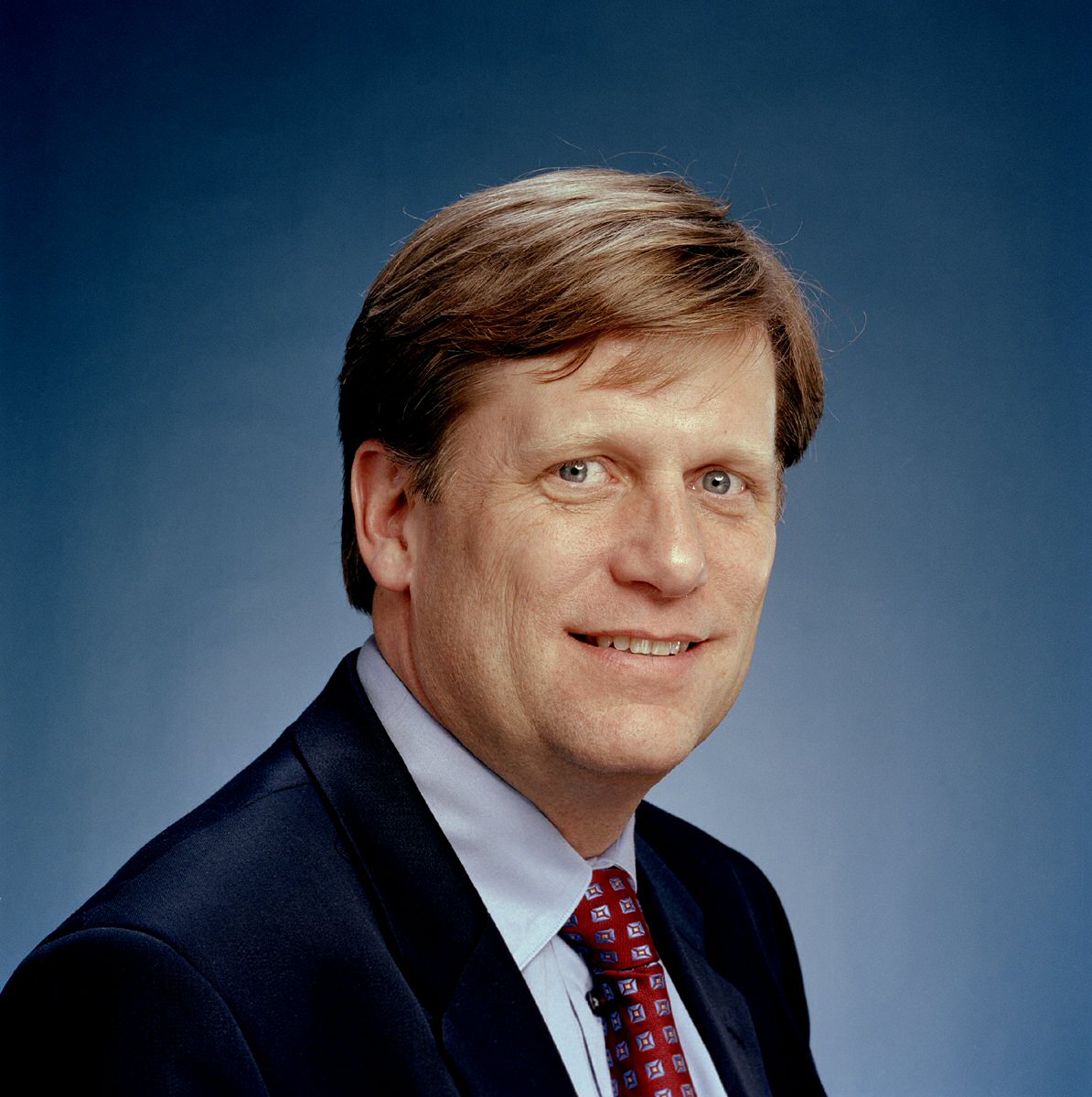
Former Senior Associate
In addition to his role at Carnegie, McFaul is Peter and Helen Bing Senior Fellow at the Hoover Institution and associate professor of political science at Stanford University.
Recent Work
Леонид Гозман, Michael McFaul
Michael McFaul, Sanja Tatic
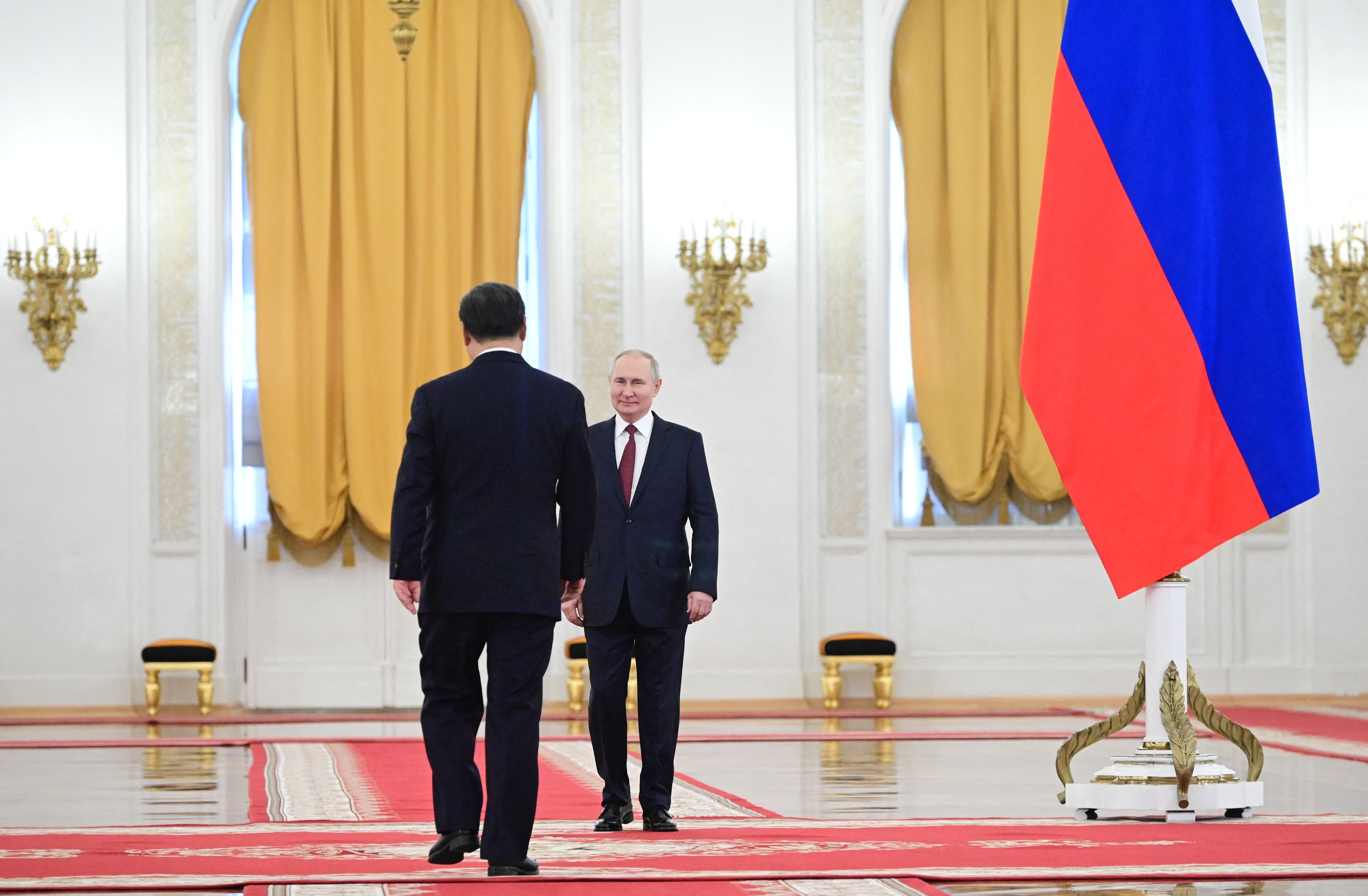
Beijing is trying to navigate the overall situation regarding Ukraine, especially the substance of interactions between Washington and Moscow.
Ellen Nakashima, Zhao Long, Pavlo Klimkin, …
While China will remain a significant political and economic force in the Global South, its ambition to leverage the Global South as a counterbalance to the United States and the Global North is far from assured.

Xue Gong
Faced with an increase in strategic maneuvering by Moscow and Pyongyang, Beijing will not sit idly by and allow Putin and Kim to shape the security environment on its behalf.

Tong Zhao
China’s growing attention to Central Asia is perceived as a harbinger of tectonic shifts in regional geopolitics.

Temur Umarov
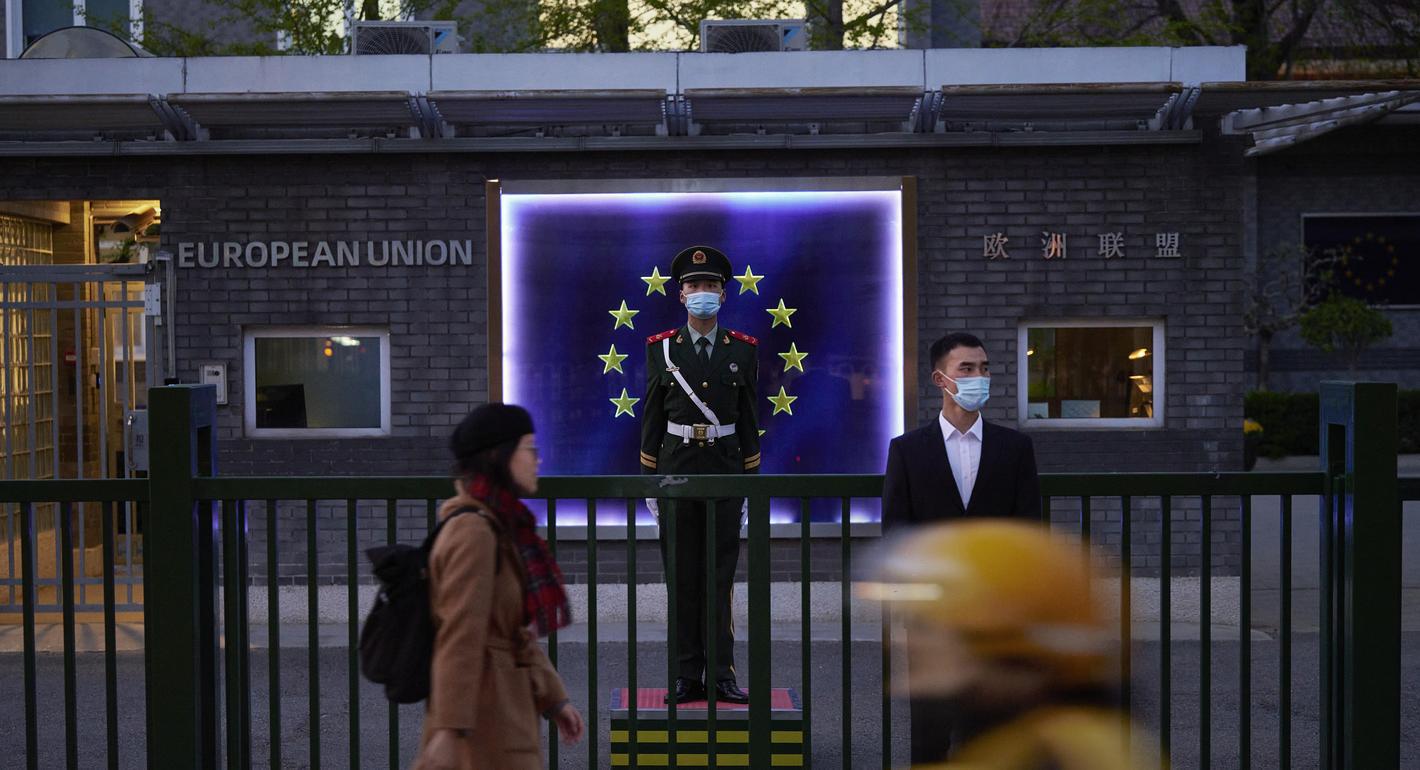
The Russian invasion of Ukraine is a turning point in the EU-China relationship, and evolution of the China-Russia relationship will continue to impact EU-China relations.
Yifan Ding, Alice Ekman