

Article
Леонид Гозман, Michael McFaul
{
  "authors": [
    "Michael McFaul"
  ],
  "type": "legacyinthemedia",
  "centerAffiliationAll": "dc",
  "centers": [
    "Carnegie Endowment for International Peace"
  ],
  "collections": [],
  "englishNewsletterAll": "ctw",
  "nonEnglishNewsletterAll": "",
  "primaryCenter": "Carnegie Endowment for International Peace",
  "programAffiliation": "russia",
  "programs": [
    "Russia and Eurasia"
  ],
  "projects": [],
  "regions": [
    "Caucasus",
    "Russia"
  ],
  "topics": []
}
REQUIRED IMAGE
Source: Carnegie
Reprinted from Parliamentary Elections Bulletin, No. 4 (January 2000).
Like almost every discussion about Russia in the last ten years, the post-mortem
on Russia's recent parliamentary election has polarized simplistically between
"optimists" and "pessimists." Optimists argue that people
voted, parties participated, the process was free and fair, and the outcome
was a victory for "reform." Pessimists believe people did not care,
parties did not matter, the process was rigged, and the outcome was a setback
for "reform."
The optimists and the pessimists are both right and both wrong. In trying to
fit everything into a simple black and white picture, both sides see only half
of the more complex story of Russia's developing political system. Both the
outcome and the process of the vote reveal positive and negative trends about
Russia's protracted transition to democracy.
Clearly, Prime Minister Putin scored big victories in last Sunday's vote that
could translate into positive developments for Russian reform. Unity, the pro-Putin
electoral bloc, soundly defeated Fatherland, the electoral coalition headed
by Putin's chief rival for the presidential election next year, Yevgeny Primakov.
The Communists finished first, another Putin objective, as he and his election
team want to face Communist leader Gennady Zyuganov in next year's presidential
vote. Putin must also be happy with the surprising showing of the Union of Right
Forces; Russian liberalism has risen from the dead. The balance of power within
the parliament as a whole has moved in a decisively pro-government direction,
making the passage of tax reform, budget discipline, and Start II ratification
more likely than ever before.
The bad news is that the Kremlin and Putin helped to produce these results by
deploying the massive resources of the Russian federal state to support their
parties and undermine their enemies. It has become fashionable in the West to
cite Russia's weak state as the source of Russia's ills. In the realm of electoral
politics, however, the Russian state looks more robust than ever, wielding its
power in ways that exacted damage to Russia's fragile democratic institutions.
To be sure, the central feature of electoral democracy - the citizen's right
to chose its leaders in a competitive election - is still alive and well in
Russia. Given Russia's autocratic past, the successful completion of Russia's
third parliamentary vote this decade must be recognized as a positive sign for
democratic consolidation in Russia. At the same time, the supporting institutions
that make elections free, fair, competitive, and meaningful - that is, the those
features of a political system that distinguish electoral democracies from liberal
democracies- emerged from this election both strengthened and scarred.
Take the party system. In several respects, this last election helped to strengthen
Russia's "old" parties. Four parties that have competed in Russia's
previous two Duma votes - the Communist Party of the Russian Federation, the
Union of Right Forces (though by another name before), Yabloko, and the Liberal
Democratic Party of Russia - all crossed the five percent threshold in last
Sunday's vote. These four parties have well-defined platforms, loyal electorates,
and party memberships. Strikingly, these four parties each garnered roughly
the same percentage in 1999 that they won in the last parliamentary vote. The
core of Russia's nascent multi-party system has consolidated.
Unity, however, unleashed a radical assault on party development. The state,
not the people, created this electoral bloc which can boost no history, no platform,
and no membership. Riding on Putin's coattails, Unity's only distinguishing
campaign slogan was a pledge to eliminate proportional representation as a component
of Russia's parliamentary election law, an act that would surely weaken Russian
party development. If Russia's party system took two steps forward and one step
backward in this vote, the independent media took one step forward and two steps
backward. The state's two national channels brazenly supported Unity and trashed
Fatherland, exposing some truths but also stretching some truths about Fatherland's
leaders. Some independent media outlets, including the privately-owned national
television network NTV, some independent regional television stations, and dozens
of regional newspapers (including many owned by the Communist Party) did not
tow the Kremlin line. On average, though, this election had more bias election
coverage than the last parliamentary vote.
Regional autonomy also suffered a setback in this campaign period. The Kremlin
bribed, coerced, and threatened regional leaders into supporting Unity. Some
resisted, but most relented. Those regional leaders that did defy the Kremlin
were not always serving the interest of liberal democracy. In fact, some of
these anti-Kremlin regional bosses (as well as some pro-Kremlin regional leaders)
undertook the most egregious violation of the democratic process by preventing
some candidates from participating in the election.
Russians value their right to vote. Sixty percent turned out last Sunday. The
vast majority of voters also shunned extreme nationalists and communists and
placed their hopes for the future with more mainstream options. At the same
time, the might of the Russian state also showed that it can create virtual
parties, manipulate voters, coerce oppositions forces, and even prevent candidates
from participating in the election process. In this latest contest between Russia's
quasi-authoritarian state and quasi-democratic society, score two points for
the state, and one point for the people.
Former Senior Associate
In addition to his role at Carnegie, McFaul is Peter and Helen Bing Senior Fellow at the Hoover Institution and associate professor of political science at Stanford University.
Recent Work
Леонид Гозман, Michael McFaul
Michael McFaul, Sanja Tatic
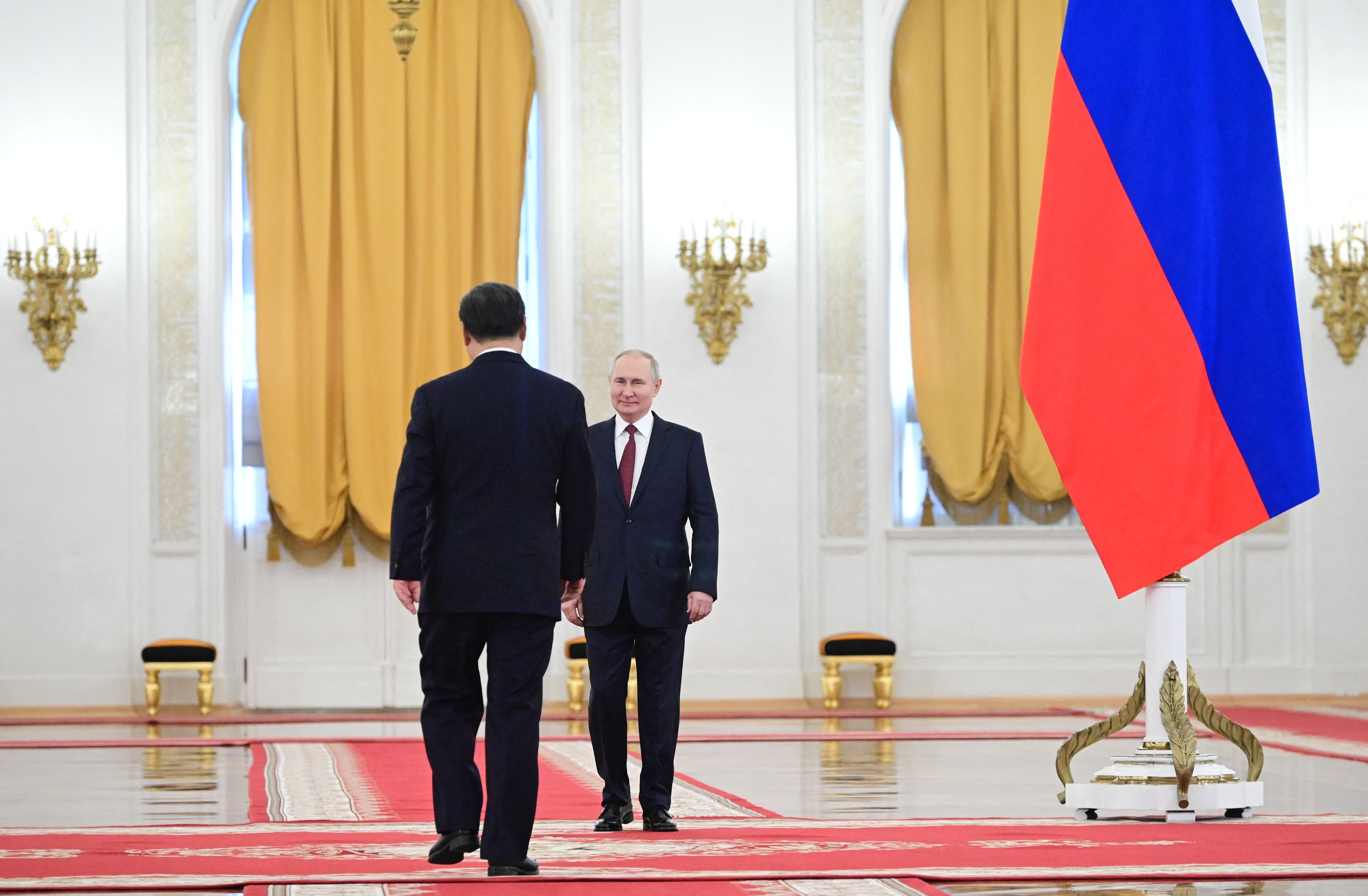
Beijing is trying to navigate the overall situation regarding Ukraine, especially the substance of interactions between Washington and Moscow.
Ellen Nakashima, Zhao Long, Pavlo Klimkin, …
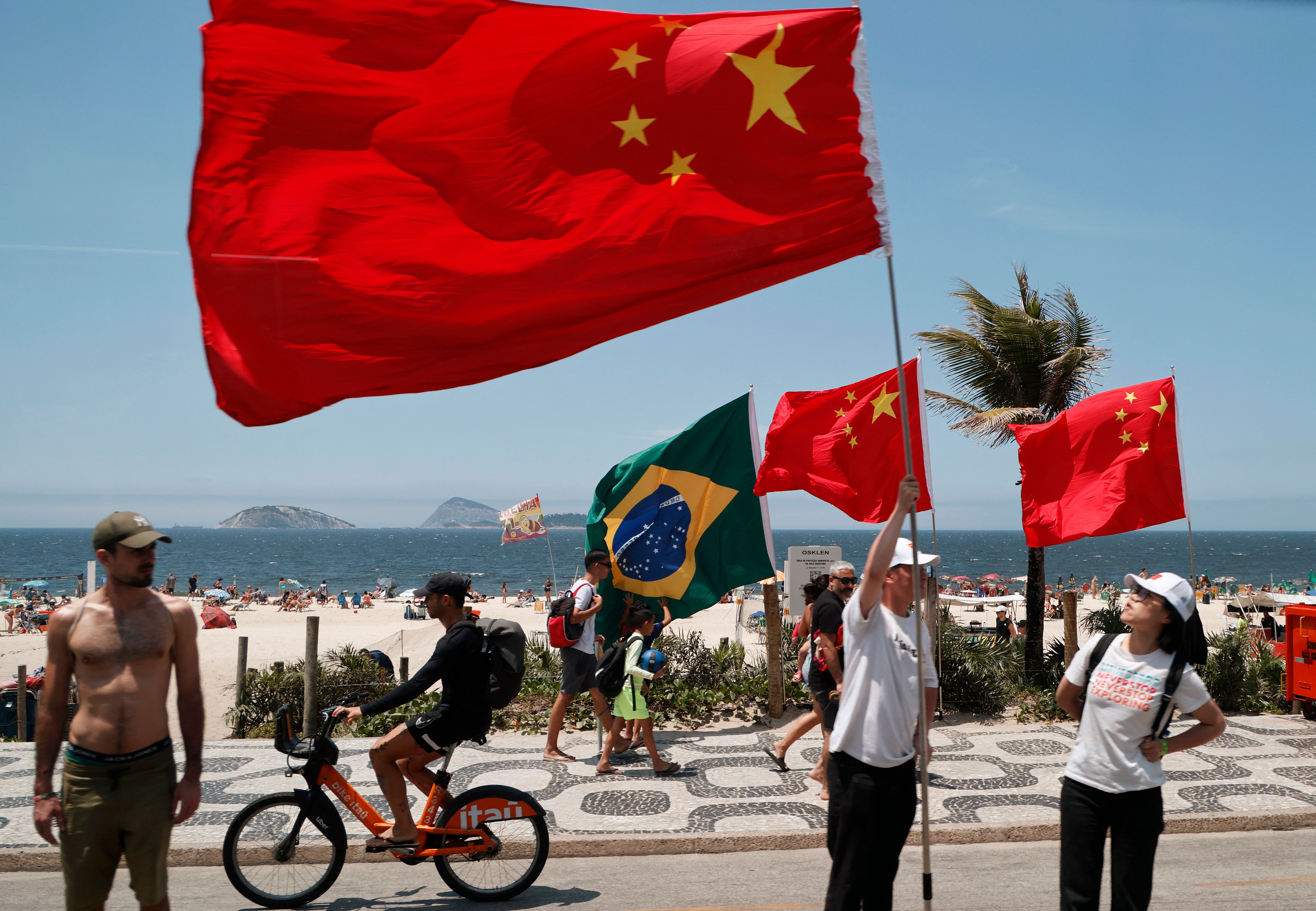
While China will remain a significant political and economic force in the Global South, its ambition to leverage the Global South as a counterbalance to the United States and the Global North is far from assured.

Xue Gong
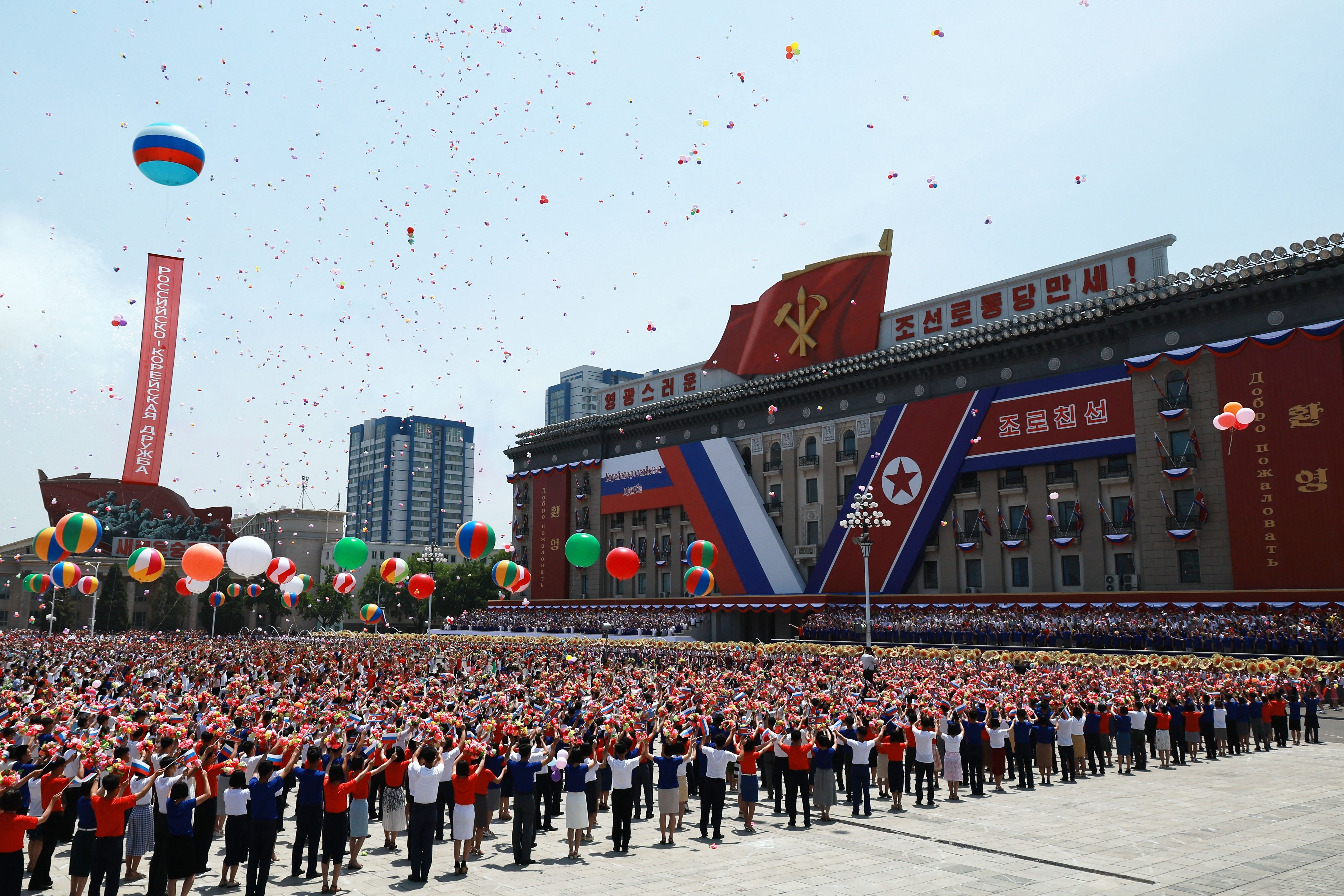
Faced with an increase in strategic maneuvering by Moscow and Pyongyang, Beijing will not sit idly by and allow Putin and Kim to shape the security environment on its behalf.

Tong Zhao
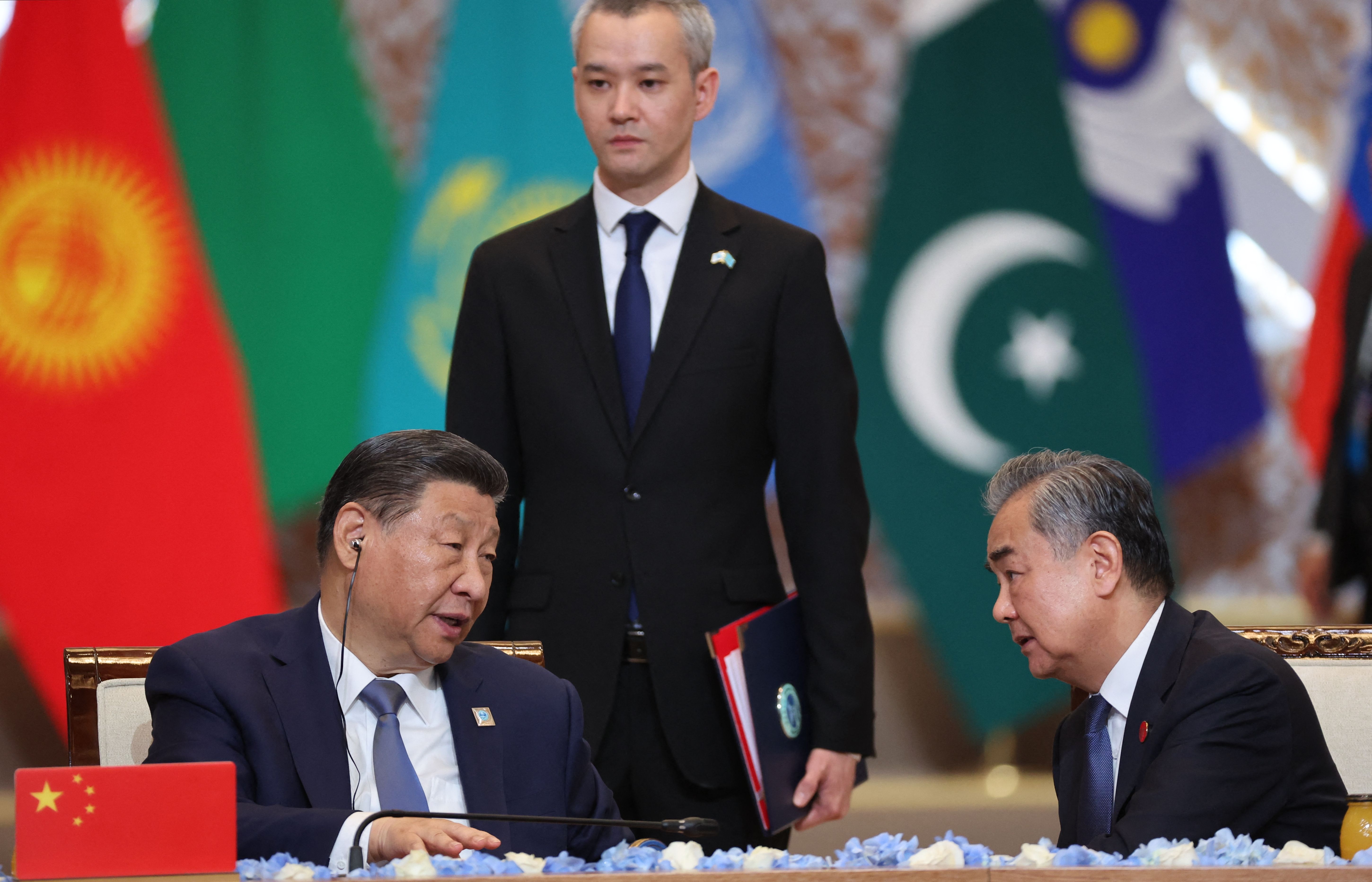
China’s growing attention to Central Asia is perceived as a harbinger of tectonic shifts in regional geopolitics.

Temur Umarov
The Russian invasion of Ukraine is a turning point in the EU-China relationship, and evolution of the China-Russia relationship will continue to impact EU-China relations.
Yifan Ding, Alice Ekman