

Paper
Mr. Daniel Brumberg
{
  "authors": [
    "Daniel Brumberg"
  ],
  "type": "other",
  "centerAffiliationAll": "dc",
  "centers": [
    "Carnegie Endowment for International Peace"
  ],
  "collections": [],
  "englishNewsletterAll": "democracy",
  "nonEnglishNewsletterAll": "",
  "primaryCenter": "Carnegie Endowment for International Peace",
  "programAffiliation": "DCG",
  "programs": [
    "Democracy, Conflict, and Governance"
  ],
  "projects": [],
  "regions": [
    "Middle East",
    "Iran",
    "Afghanistan"
  ],
  "topics": [
    "Security",
    "Foreign Policy"
  ]
}
REQUIRED IMAGE
Source: Carnegie
After the September 11 attacks, relations between the United States and Iran looked more and more hopeful. The two countries' common goal of eliminating Afghanistan's Taliban seemed to be an opportunity to build on progress seen since the election of Iranian reformists. However, President Bush's inclusion of Iran in an "axis of evil" now calls into question the likelihood of a true rapprochement. Moreover, Iranian hard-liners' growing opposition to any reconciliation with Washington, ongoing development of nuclear technology, meddling in post-Taliban Afghanistan, and relentless support for Palestinian terrorists all are stumbling blocks to improved relations. Some security issues call for the threat of sticks, but the United States must also seek to engage Iran by offering it carrots-cooperation in Afghanistan and an end to economic sanctions, in return for a commitment by Iran's leaders to cease support for terrorism and back a two-state solution to the Palestinian-Israeli conflict.
Click on the link above for full text of this Policy Brief.
A limited number of print copies are also available.
Request a copy
About the Author
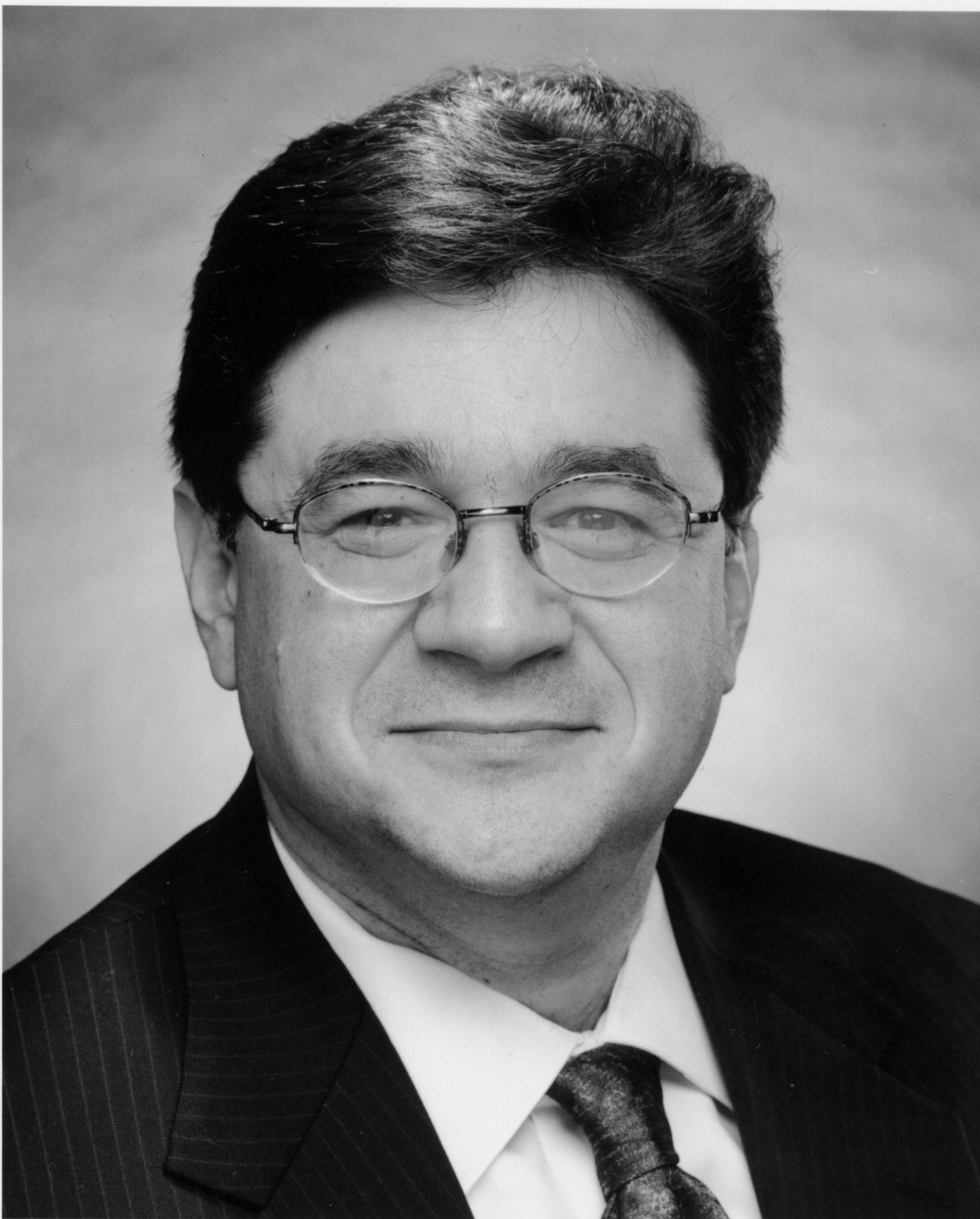
Daniel Brumberg is associate professor of government at Georgetown University and a visiting scholar with the Democracy and Rule of Law Project at the Carnegie Endowment. Mr. Brumberg is the author of many publications on political and social change in the Middle East, including Reinventing Khomeini: The Struggle for Reform in Iran (University of Chicago Press, 2001).
Former Senior Associate
Recent Work
Mr. Daniel Brumberg


Thomas Carothers, Marina Ottaway, Ms. Amy Hawthorne, …
Carnegie does not take institutional positions on public policy issues; the views represented herein are those of the author(s) and do not necessarily reflect the views of Carnegie, its staff, or its trustees.

But their "principal to principal" model will only be as effective as the political strength of each leader back home.

Damien Ma

U.S. unpredictability has allowed China to capitalize on its positioning as the “responsible great power”. Paradoxically, the more China wins the perception game, the more likely expectations will rise for Beijing to deliver not just words but to demonstrate with its deeds.

Chong Ja Ian

Hanoi and Beijing have long treated each other as distant cousins rather than comrades in arms. That might be changing as both sides draw closer to hedge against uncertainty and America’s erratic behavior.

Nguyễn Khắc Giang

Across Asia, China is better positioned to withstand energy shocks from the fallout of the Iran war. Its abundant coal capacity can ensure stability in the near term. Yet at the same time, the country’s energy transition away from coal will make it even less vulnerable during the next shock.
Damien Ma

Malaysia’s chairmanship sought to fend off short-term challenges while laying the groundwork for minimizing ASEAN’s longer-term exposure to external stresses.

Elina Noor