

Article
Andrew Kuchins
{
  "authors": [
    "Andrew Kuchins"
  ],
  "type": "other",
  "centerAffiliationAll": "dc",
  "centers": [
    "Carnegie Endowment for International Peace"
  ],
  "collections": [],
  "englishNewsletterAll": "ctw",
  "nonEnglishNewsletterAll": "",
  "primaryCenter": "Carnegie Endowment for International Peace",
  "programAffiliation": "russia",
  "programs": [
    "Russia and Eurasia"
  ],
  "projects": [],
  "regions": [
    "Caucasus",
    "Russia"
  ],
  "topics": [
    "Foreign Policy"
  ]
}
REQUIRED IMAGE
Source: Carnegie
The foundation for a genuine long-term partnership between the United States and Russia is far stronger today than at any time since the collapse of the Soviet Union. Strong U.S. Russian relations are essential both for Russia to achieve its goals of economic modernization and integration with the west and for the united States to achieve many of its key foreign and security goals.
The heightened sense of urgency after 9/11 of the dangers of terrorists possibly acquiring weapons of mass destruction makes cooperation with Russia more important than ever. Presidents Bush and Putin must take advantage of the critical opportunities at their upcoming meeting in Russia to reach key agreements, remove major irritants in U.S.-Russian relations, and initiate a new partnership less burdened by Cold War legacies.
Click on the link above for full text of this Policy Brief.
A limited number of print copies are also available.
Request a copy
About the Author
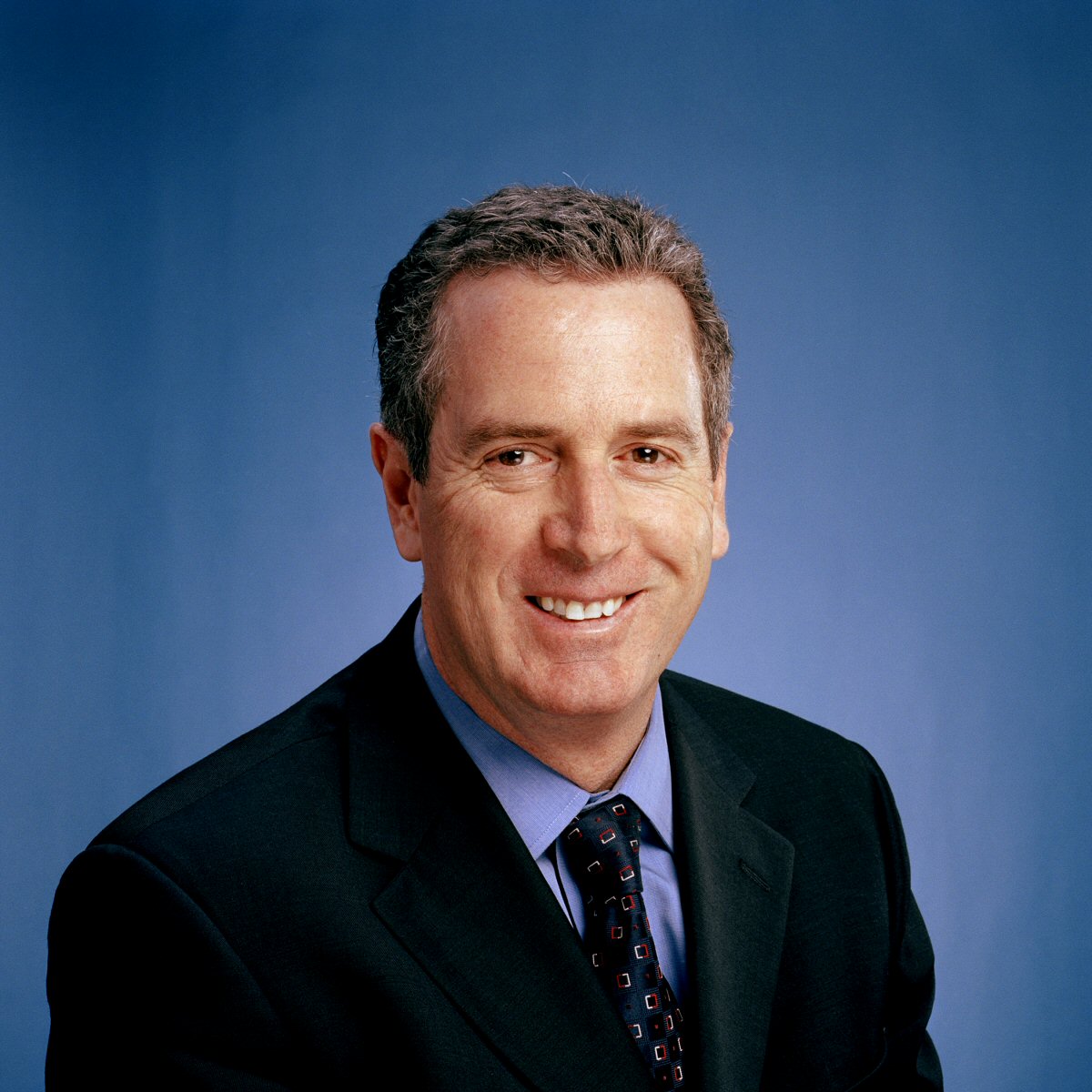
Andrew Kuchins is director of the Russian and Eurasian Program at the Carnegie Endowment. He conducts research and writes widely on Russian foreign and security policy and is the editor of Russia after the Fall (forthcoming September 2002, Carnegie Endowment).
Before coming to the Endowment, Mr. Kuchins served from 1997 to 2000 as associate director of of the Center for International Security and Cooperation at Stanford University. From 1993 to 1997 he was a senior program officer at the John D. and Catherine T. MacArthur Foundation where he developed and managed a grant-making program to support scientists and researchers in the former Soviet Union. From 1989 to 1993 he was executive director of the Berkeley-Stanford Program on Soviet and Post-Soviet Studies.
Former Senior Associate and Director, Russian & Eurasian Program
Recent Work
Andrew Kuchins
Andrew Kuchins
Carnegie does not take institutional positions on public policy issues; the views represented herein are those of the author(s) and do not necessarily reflect the views of Carnegie, its staff, or its trustees.

But their "principal to principal" model will only be as effective as the political strength of each leader back home.

Damien Ma

U.S. unpredictability has allowed China to capitalize on its positioning as the “responsible great power”. Paradoxically, the more China wins the perception game, the more likely expectations will rise for Beijing to deliver not just words but to demonstrate with its deeds.

Chong Ja Ian

Hanoi and Beijing have long treated each other as distant cousins rather than comrades in arms. That might be changing as both sides draw closer to hedge against uncertainty and America’s erratic behavior.

Nguyễn Khắc Giang

Across Asia, China is better positioned to withstand energy shocks from the fallout of the Iran war. Its abundant coal capacity can ensure stability in the near term. Yet at the same time, the country’s energy transition away from coal will make it even less vulnerable during the next shock.
Damien Ma

Malaysia’s chairmanship sought to fend off short-term challenges while laying the groundwork for minimizing ASEAN’s longer-term exposure to external stresses.

Elina Noor