

Paper
Mr. Daniel Brumberg
{
  "authors": [
    "Daniel Brumberg"
  ],
  "type": "legacyinthemedia",
  "centerAffiliationAll": "dc",
  "centers": [
    "Carnegie Endowment for International Peace"
  ],
  "collections": [],
  "englishNewsletterAll": "democracy",
  "nonEnglishNewsletterAll": "",
  "primaryCenter": "Carnegie Endowment for International Peace",
  "programAffiliation": "DCG",
  "programs": [
    "Democracy, Conflict, and Governance"
  ],
  "projects": [],
  "regions": [
    "Iran",
    "Afghanistan"
  ],
  "topics": [
    "Political Reform",
    "Foreign Policy"
  ]
}
REQUIRED IMAGE
Source: Carnegie
Published July/September 2002 in The International Spectator .
Read the full text on The International Spectator website.
While the unhappy course of US-Iranian relations reflects the fragmented nature of foreign policy making in both Washington and Tehran., such divisions have proven especially costly in Iran because they echo a power struggle over the very nature of Iran's Islamic Republic. The case of Afghanistan demonstrates how a push by reformists for improved US-Iranian relations can alarm hardliners and thus invite a crackdown. Yet the Bush administration has hurt the reformists by adopting the bellicose language of Washington's own hardliners. Paradoxically, the best way to strengthen moderates in both Washington and Tehran may be for Europe to stop playing "good cop" to the America's "bad cop." A tougher line on human rights, WMD, terrorism, and Palestine will signal that Tehran can no longer play Europe and the US off and thus avoid hard foreign policy choices.

Former Senior Associate
Recent Work
Mr. Daniel Brumberg



Thomas Carothers, Marina Ottaway, Ms. Amy Hawthorne, …
Carnegie does not take institutional positions on public policy issues; the views represented herein are those of the author(s) and do not necessarily reflect the views of Carnegie, its staff, or its trustees.

Malaysia’s chairmanship sought to fend off short-term challenges while laying the groundwork for minimizing ASEAN’s longer-term exposure to external stresses.

Elina Noor

For Malaysia, the conjunction that works is “and” not “or” when it comes to the United States and China.
Elina Noor
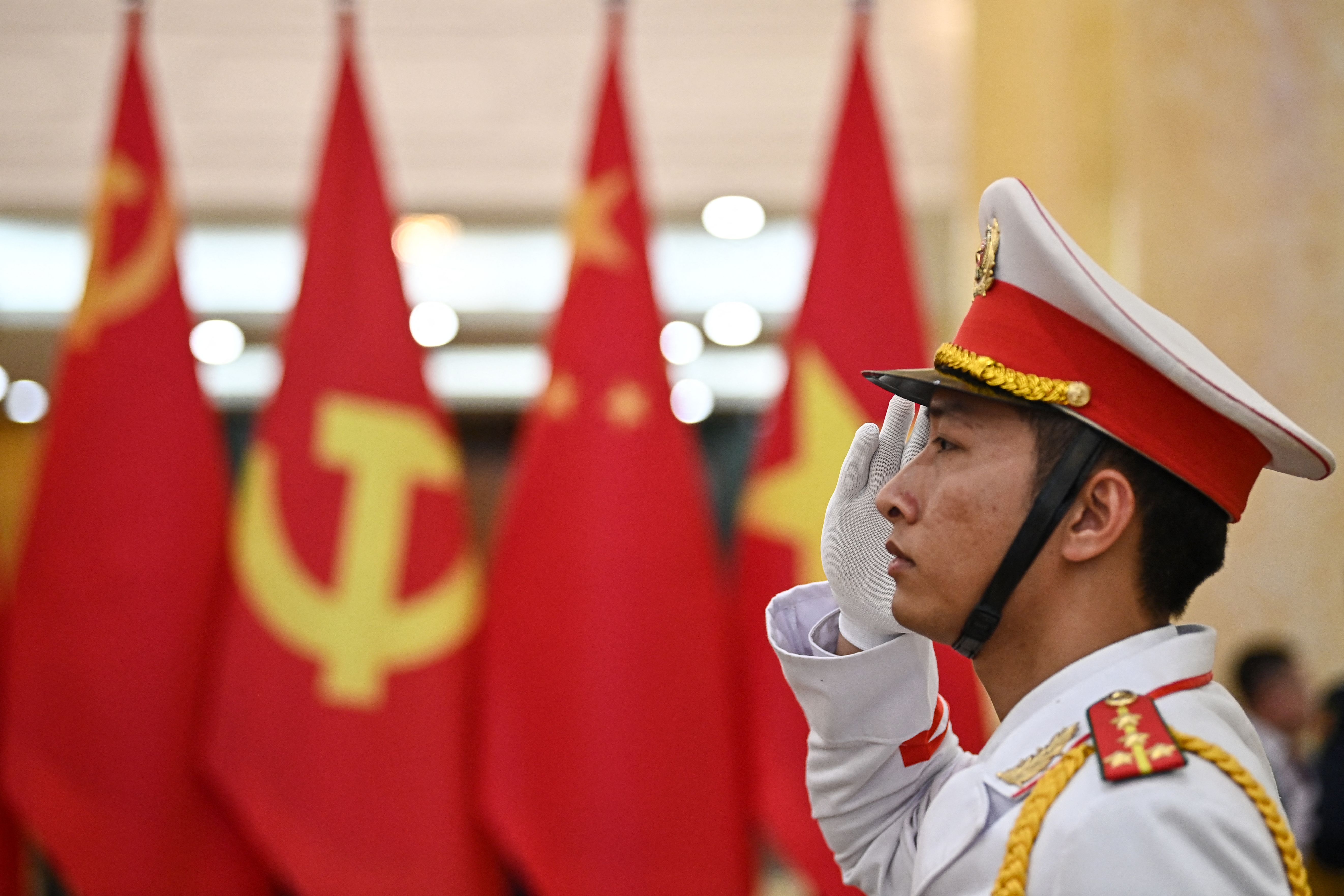
In July 2025, Vietnam and China held their first joint army drill, a modest but symbolic move reflecting Hanoi’s strategic hedging amid U.S.–China rivalry.

Nguyễn Khắc Giang
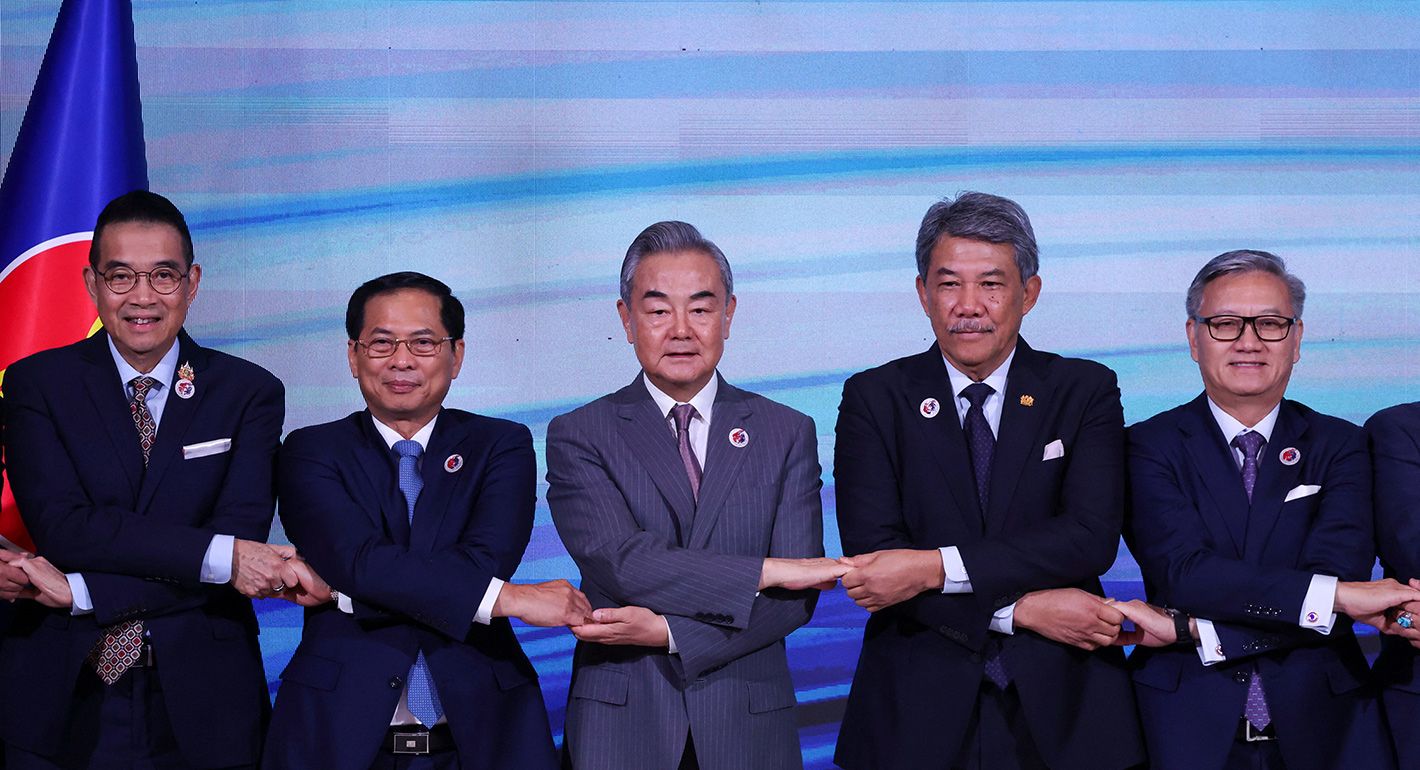
The Thai-Cambodian conflict highlights the limits to China's peacemaker ambition and the significance of this role on Southeast Asia’s balance of power.

Pongphisoot (Paul) Busbarat
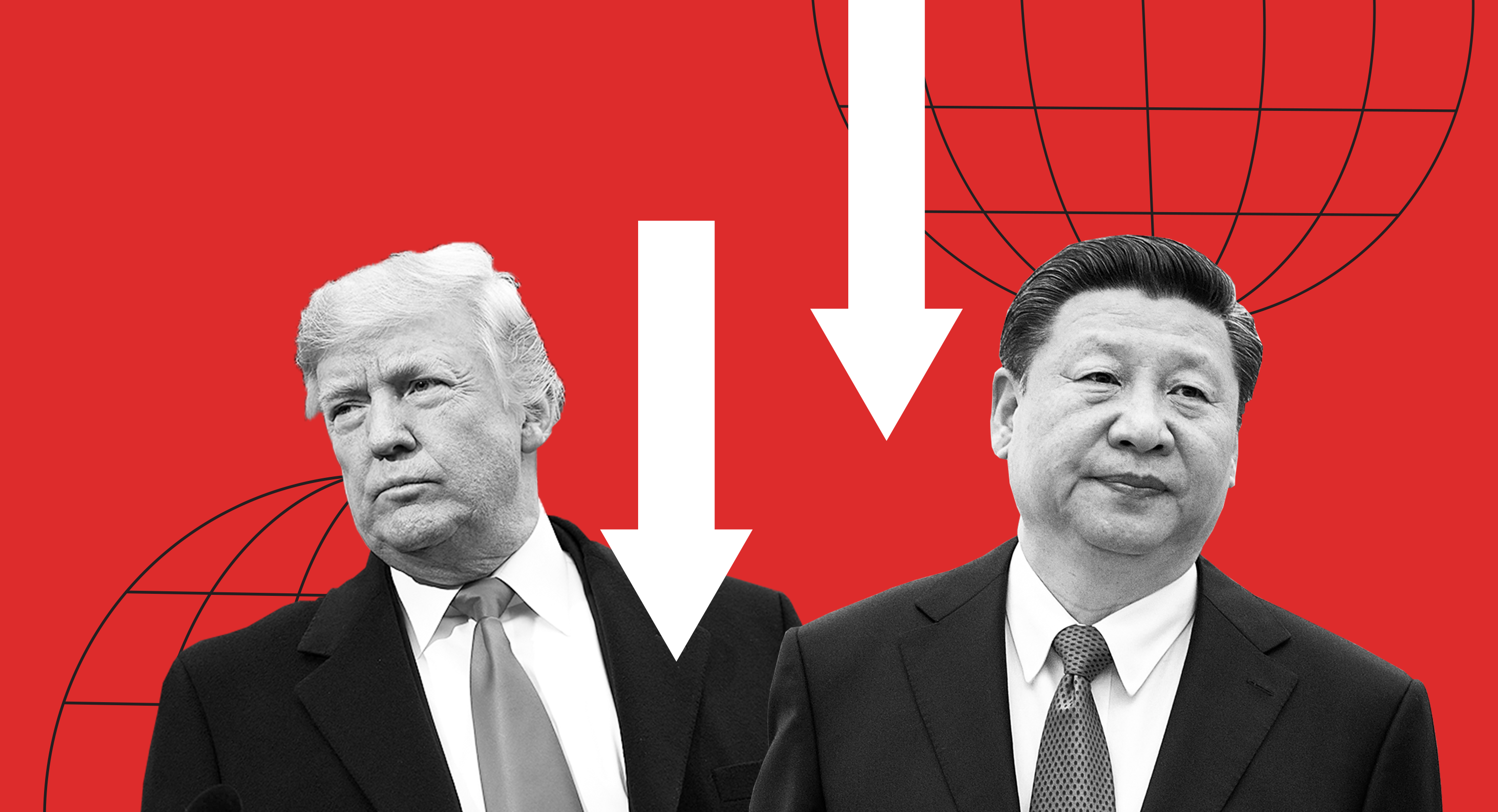
Beijing believes that Washington is overestimating its own leverage and its ability to handle the trade war’s impacts.


Rick Waters, Sheena Chestnut Greitens