

Other
Fiona Hill, Anatol Lieven, Thomas de Waal
{
  "authors": [
    "Anatol Lieven"
  ],
  "type": "legacyinthemedia",
  "centerAffiliationAll": "dc",
  "centers": [
    "Carnegie Endowment for International Peace"
  ],
  "collections": [],
  "englishNewsletterAll": "ctw",
  "nonEnglishNewsletterAll": "",
  "primaryCenter": "Carnegie Endowment for International Peace",
  "programAffiliation": "russia",
  "programs": [
    "Russia and Eurasia"
  ],
  "projects": [],
  "regions": [
    "Caucasus",
    "Russia"
  ],
  "topics": [
    "Security"
  ]
}
REQUIRED IMAGE
Source: Carnegie
By
Originally published in the New York Times, November 3, 2002
WASHINGTON - Direct responsibility for last month's terrorist attack in Moscow lies with the Chechen militants and Chechen-based international Muslim extremists who carried it out. But its roots are embedded in the history of Chechen-Russian conflict.
Chechen resistance to the Russian conquest of the Caucasus, beginning in the 19th century, was prolonged and bloody. Then, in 1944, Stalin deported almost the entire population, roughly 400,000 people, to Central Asia, where many died. This legacy helps explain why Chechen nationalism has been more radical and anti-Russian than that of Russia's other Muslim ethnic minorities.
When the Soviet Union collapsed in 1991, the Chechens, led by Gen. Dzhokhar Dudayev, deposed the old Soviet leadership of the Chechen-Ingush Autonomous Republic and seized power in Grozny, the capital. But there was no realauthority, and criminal groups (the so-called Chechen Mafia) and armed radicals dominated. The resulting anarchy was one reason Russia felt that Chechnya, which was never a separate republic, could not become independent. Russia was also determined not to undermine its territorial integrity or to encourage other areas to secede.
In 1994, President Boris N. Yeltsin decided that Chechnya must again be under
Moscow's control, and later that year began a full military
intervention. The war shattered the Chechen economy and left behind armed, unemployed
and brutalized young Chechens. Atrocities committed by Russian troops also helped
radicalize ordinary Chechens.
Moreover, as with the Soviet-Afghan war, the conflict in Chechnya drew militants, and financial support, from across the Islamic world. The militants won local influence and helped the Chechens inflict heavy losses on Russian forces, leading to a 1996 agreement that gave Chechnya quasi-independence.
The chief Chechen general, Aslan Maskhadov, was easily elected president - Mr. Dudayev had been killed in a rocket attack - but other warlords and the militants defied him. Although Russia had initially supported President Maskhadov as an alternative to radical commanders like Shamil Basayev, it now views him as unreliable.
After the agreement was concluded, Chechnya became a base for kidnappers, who combined greed with hatred of Russia and the West. They kidnapped at least 1,100 people in neighboring areas of Russia, treating the victims with terrible cruelty.
In 1998, Islamists joined Chechen commanders and began a jihad to driveRussia from other areas of the Caucasus, including neighboring Dagestan, aiming to create a single Islamic republic.
After Russia defeated the jihadis in Dagestan in August 1999, bombs in Moscow and elsewhere killed more than 300 people. The attackers were never satisfactorily identified, but the Russian government blamed radical Chechens and Islamic militants.
In October 1999, Russia renewed its military intervention, a decision many analysts believe was driven partly by President Vladimir V. Putin's calculation that it would help him in the 2000 election.
However that may be, this savage war seems likely to continue, especially because
the divided Chechen resistance makes it hard to believe that, even if the Russian
and Chechen governments reached a settlement, peace would follow.
Anatol Lieven, a senior associate at the Carnegie Endowment for International
Peace in Washington, is author of “Chechnya: Tombstone of Russian Power”

Former Senior Associate
Recent Work

Fiona Hill, Anatol Lieven, Thomas de Waal
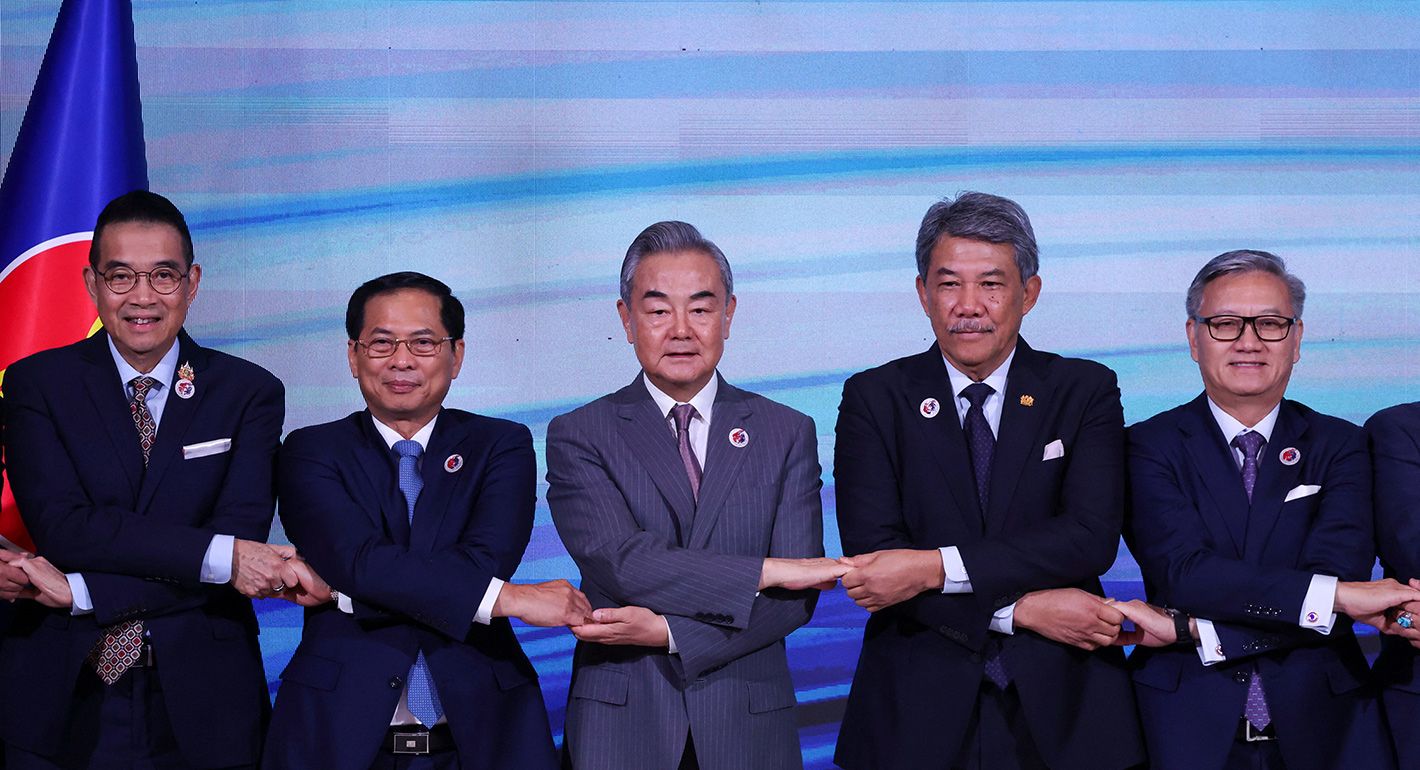
The Thai-Cambodian conflict highlights the limits to China's peacemaker ambition and the significance of this role on Southeast Asia’s balance of power.

Pongphisoot (Paul) Busbarat
Beijing believes that Washington is overestimating its own leverage and its ability to handle the trade war’s impacts.


Rick Waters, Sheena Chestnut Greitens
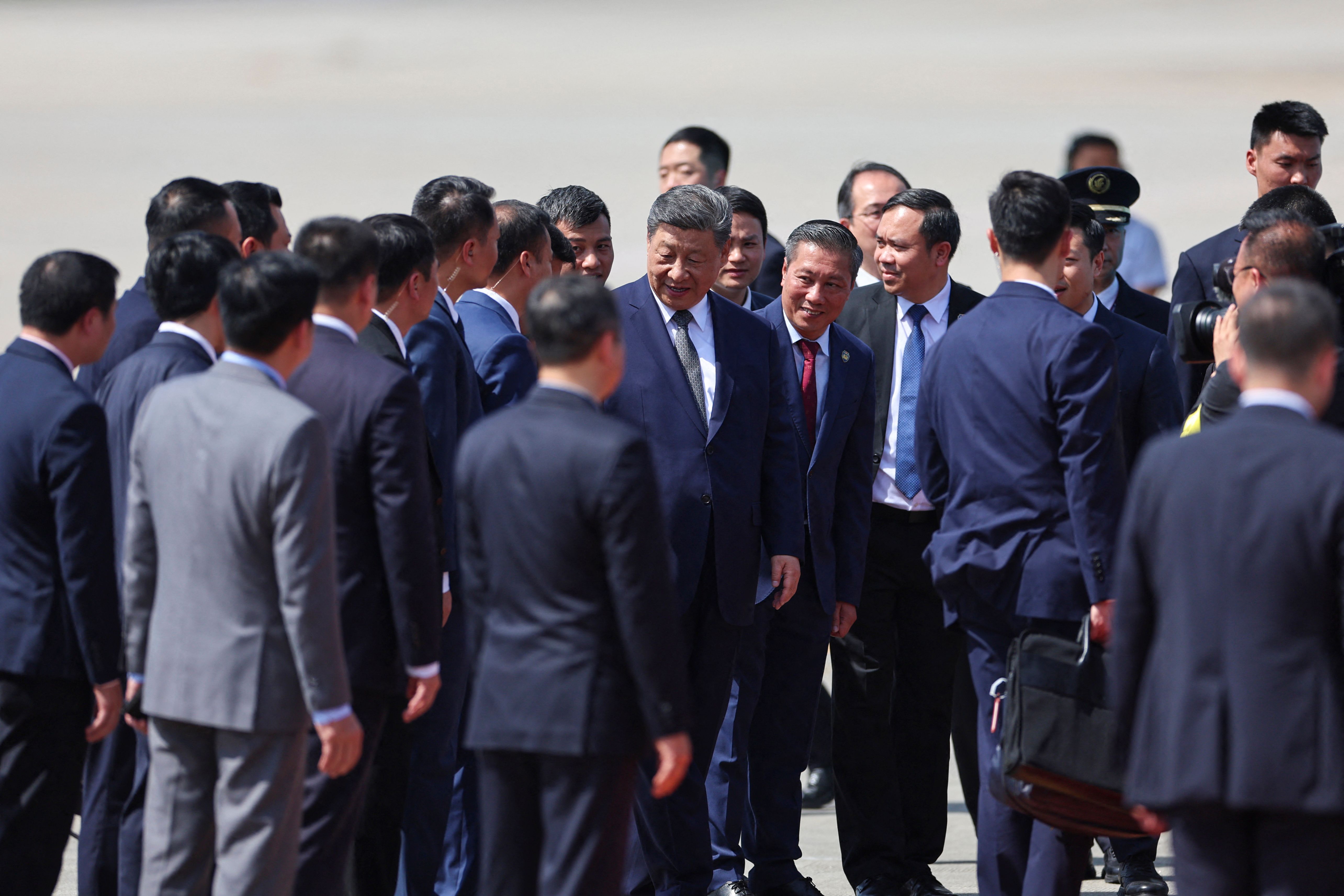
Tapping our network of China experts in the region, Carnegie China offers this latest “China Through a Southeast Asian Lens” report to offer preliminary assessments of whether the U.S. effort to reshape the global trading order will lead countries in the region to tilt toward Beijing.



Selina Ho, Khin Khin Kyaw Kyee, Joseph Ching Velasco, …
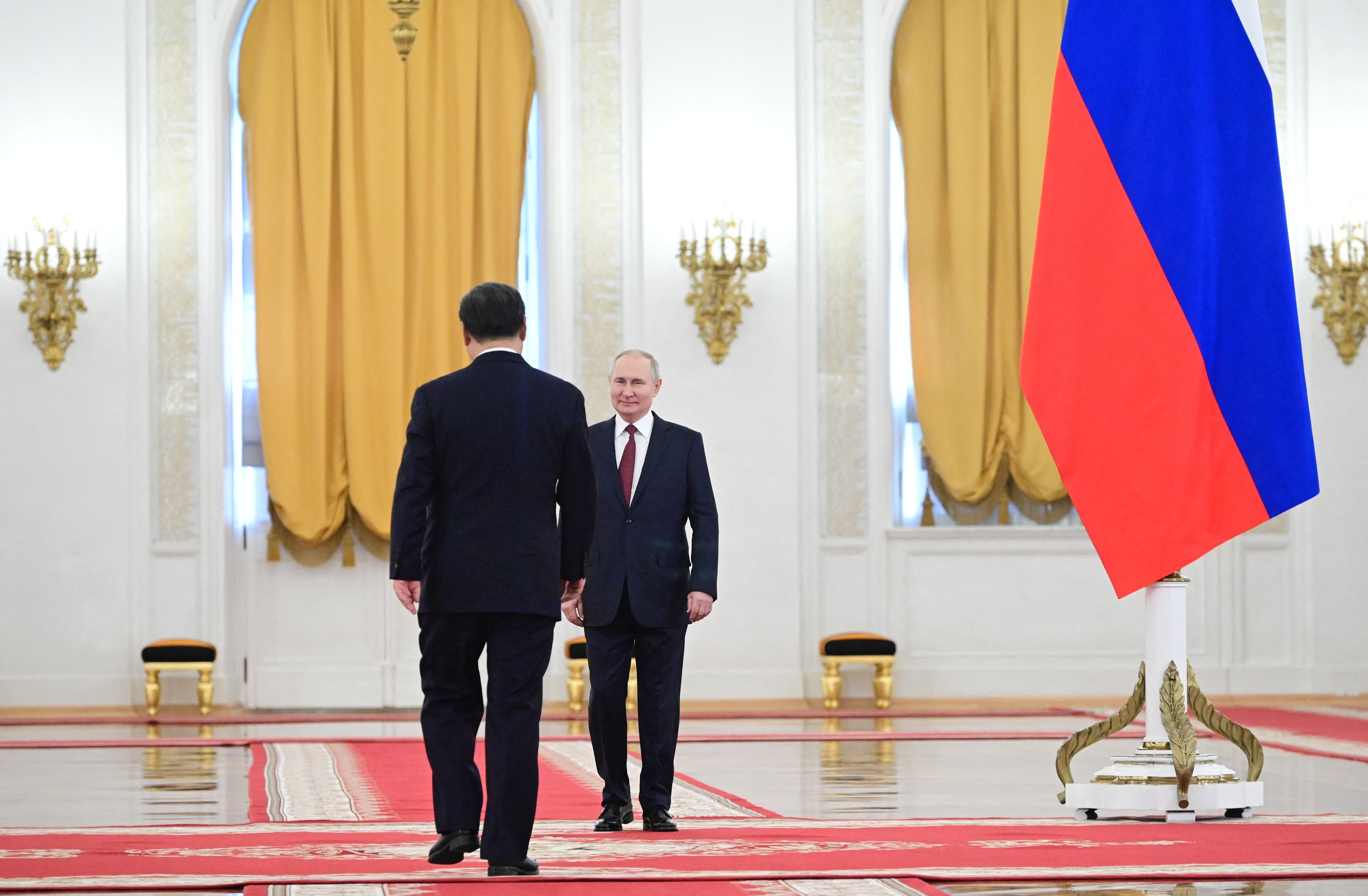
Beijing is trying to navigate the overall situation regarding Ukraine, especially the substance of interactions between Washington and Moscow.



Ellen Nakashima, Zhao Long, Pavlo Klimkin, …
While China will remain a significant political and economic force in the Global South, its ambition to leverage the Global South as a counterbalance to the United States and the Global North is far from assured.

Xue Gong