

Report
- +2
George Perkovich, Jessica Tuchman Mathews, Joseph Cirincione, …
{
  "authors": [
    "Joseph Cirincione"
  ],
  "type": "legacyinthemedia",
  "centerAffiliationAll": "dc",
  "centers": [
    "Carnegie Endowment for International Peace"
  ],
  "collections": [],
  "englishNewsletterAll": "ctw",
  "nonEnglishNewsletterAll": "",
  "primaryCenter": "Carnegie Endowment for International Peace",
  "programAffiliation": "NPP",
  "programs": [
    "Nuclear Policy"
  ],
  "projects": [],
  "regions": [
    "Middle East",
    "Iraq"
  ],
  "topics": [
    "Security",
    "Nuclear Policy"
  ]
}
REQUIRED IMAGE
Source: Carnegie
Reprinted with permission from the International Herald Tribune, November 13, 2002
Now that the Security Council has sent inspectors back into
Iraq with a sweeping new mandate to search everything everywhere, the question
is: Can they do the job?
With the Security Council united and Iraq facing a credible threat of war if
it obstructs inspections, there is a good chance that the inspectors will be
able to disarm Saddam Hussein, but only if the United Nations gives them the
resources they need.
Iraq is roughly the size of Spain. The new inspection system, the UN Monitoring,
Verification and Inspection Commission (UNMOVIC), must be ready to cover this
huge area with maximum effectiveness from the outset.
To do so, the chief inspector, Hans Blix, should supplement his team of new
investigators with experts from the previous efforts. They have irreplaceable,
on-the-ground experience.
The beefed-up teams must work quickly to reestablish a baseline by focusing
first on the outstanding issues left over from the inspections terminated in
1998 - in particular unresolved questions regarding the production of VX nerve
agent, the alleged Iraqi disposal of missile warheads and the extent of the
country's biological weapons program. Iraq is likely to be most cooperative
earlier in the inspection process, and all efforts should be made to address
these outstanding issues as soon as possible.
Iraq has had four unimpeded years to construct new underground sites, build
mobile facilities and alter records. To overcome that advantage, inspectors
must be equipped with the full range of reconnaissance, surveillance, listening,
encryption and photo interpretation capabilities.
The new resolution gives them the right to use such tools; now the United Nations
must quickly supply them. We should not nickel and dime these teams but give
them the best available equipment, including helicopters, planes, unmanned aerial
vehicles, U-2s and access to satellite imagery. Any Iraqi interference with
these flights must be seen as a material breach of the resolution.
The United States and other nations are free to provide the inspectors with
intelligence data. They should begin doing so immediately. More than 30 governments
provided the previous inspectors with intelligence data, but more regular intelligence
sharing was limited to fewer than five.
Inspectors need information not available from open sources or commercial satellites
and prompt, direct access to defectors. These confidential exchanges would be
best managed by someone with an intelligence background who is trusted by those
governments that provide the bulk of the intelligence.
Inspectors must be protected on the ground by intelligence and security experts
who can secure their offices and living quarters from Iraqi eavesdropping and
harassment. The new resolution will send UN security forces in to guard the
inspectors, but the force should be bigger and more robust than the previous
paltry efforts.
The previous inspection system, UNSCOM, was, from the beginning, subject to
aggressive Iraqi efforts against operations in New York and inspectors in the
field. UNMOVIC and the International Atomic Energy Agency must have the necessary
technology and management structure to ensure the security of information and
communications. The Security Council must regard any evidence of such interference
as a direct breach of Iraqi obligations.
The inspectors must also be able to track procurement efforts both inside and
outside Iraq, including at Iraqi embassies abroad. This is how in early 1995
inspectors cracked open the secret biological weapons program, months before
information from defectors.
UNSCOM achieved a remarkable success with weak technological assets, a small
budget and restricted authority. Everything it lacked should be corrected before
UNMOVIC returns.
The more robust the inspection regime the greater will be its chances of success.
The tougher the initial conditions placed on Iraq, the greater is the likelihood
that war can be avoided.
The writer, a senior associate at the Carnegie Endowment for International
Peace, is author of "Deadly Arsenals: Tracking Weapons of Mass Destruction."
He contributed this comment to the International Herald Tribune.
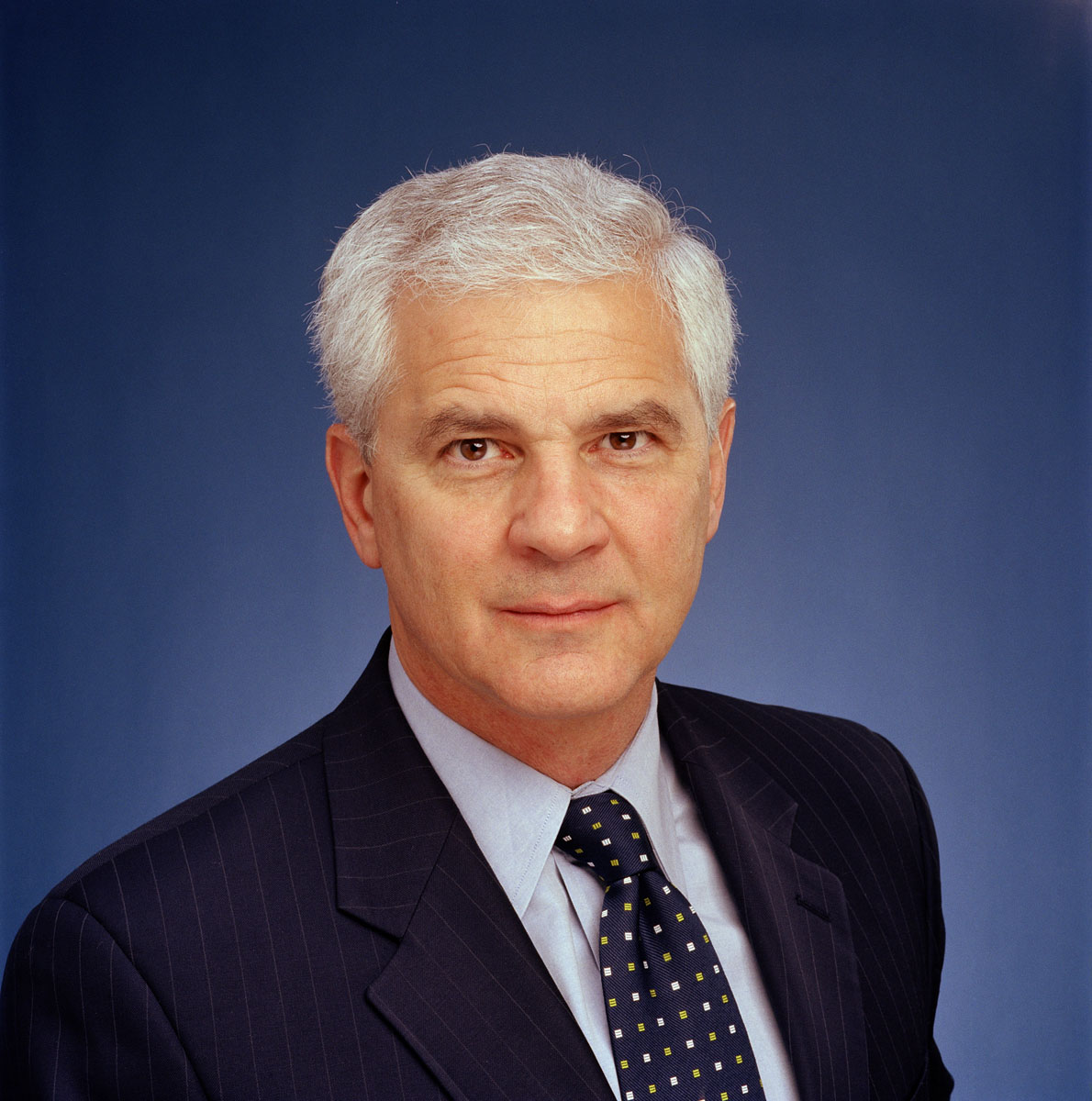
Former Senior Associate, Director for NonProliferation
Recent Work


George Perkovich, Jessica Tuchman Mathews, Joseph Cirincione, …
Joseph Cirincione
Carnegie does not take institutional positions on public policy issues; the views represented herein are those of the author(s) and do not necessarily reflect the views of Carnegie, its staff, or its trustees.

The Thai-Cambodian conflict highlights the limits to China's peacemaker ambition and the significance of this role on Southeast Asia’s balance of power.

Pongphisoot (Paul) Busbarat

Beijing believes that Washington is overestimating its own leverage and its ability to handle the trade war’s impacts.


Rick Waters, Sheena Chestnut Greitens
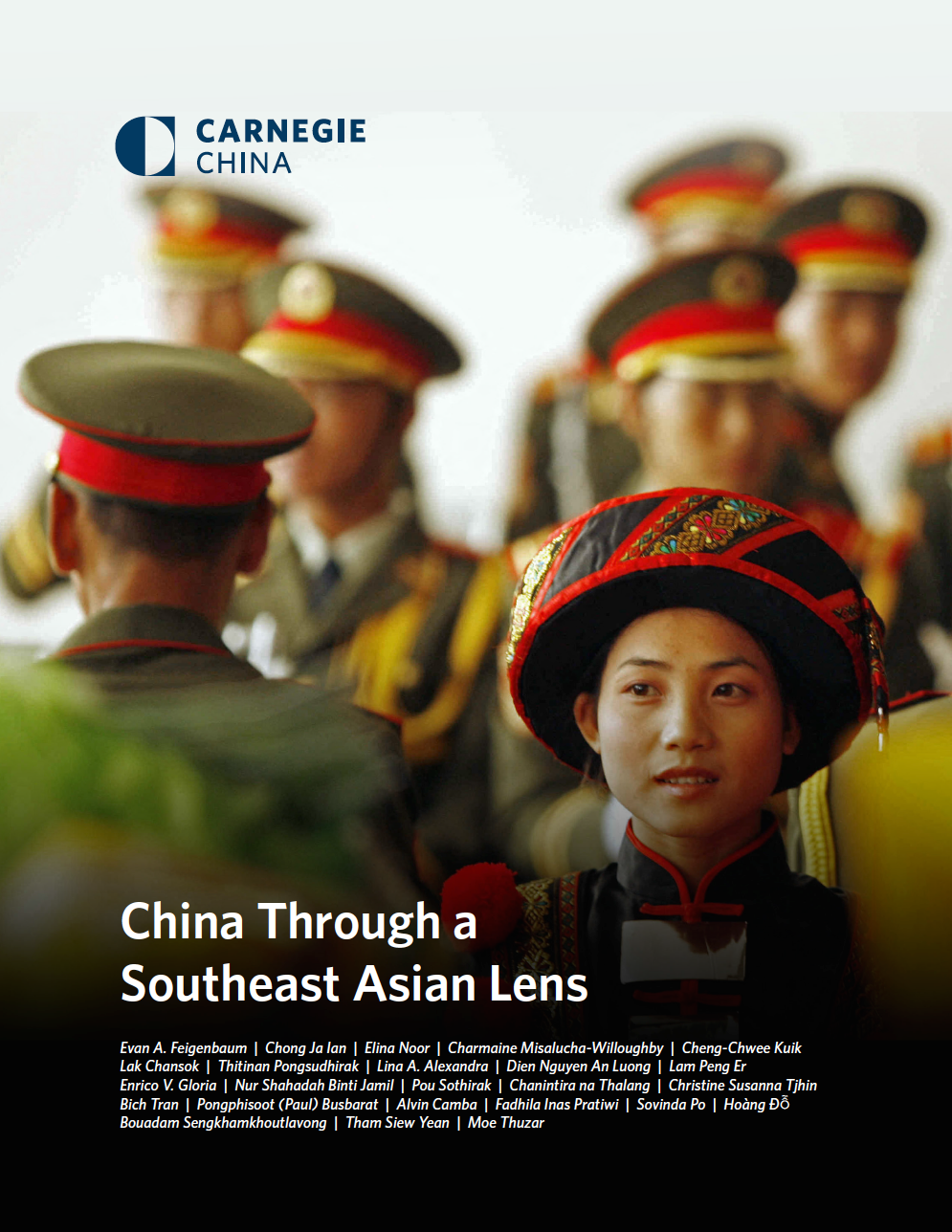
Tapping our network of China experts in the region, Carnegie China offers this latest “China Through a Southeast Asian Lens” report to offer preliminary assessments of whether the U.S. effort to reshape the global trading order will lead countries in the region to tilt toward Beijing.


Selina Ho, Khin Khin Kyaw Kyee, Joseph Ching Velasco, …
Because strategic, economic, and ideological perceptions of China contain multiple, sometimes contradictory facets in Southeast Asia, receptions of and responses to Beijing diverge across and within state lines.



Evan A. Feigenbaum, Chong Ja Ian, Elina Noor
Most Southeast Asian states behave as if the actions of their Northeast Asian neighbors and the Philippines will be sufficient to maintain a regional status quo from which they can benefit.
Chong Ja Ian