

Commentary
The Thai-Cambodian conflict highlights the limits to China's peacemaker ambition and the significance of this role on Southeast Asia’s balance of power.
Pongphisoot (Paul) Busbarat
{
  "authors": [
    "Marina Ottaway",
    "Judith S. Yaphe"
  ],
  "type": "other",
  "centerAffiliationAll": "dc",
  "centers": [
    "Carnegie Endowment for International Peace"
  ],
  "collections": [],
  "englishNewsletterAll": "democracy",
  "nonEnglishNewsletterAll": "",
  "primaryCenter": "Carnegie Endowment for International Peace",
  "programAffiliation": "DCG",
  "programs": [
    "Democracy, Conflict, and Governance"
  ],
  "projects": [],
  "regions": [
    "Middle East",
    "Iraq"
  ],
  "topics": [
    "Political Reform",
    "Democracy",
    "Security"
  ]
}
REQUIRED IMAGE
Source: Carnegie
Plans for the political reconstruction of Iraq are bound to fail if they do not take into consideration that Iraq is not a political blank slate to be transformed at American will into a democratic, secular, pluralist, and federal state. It is a difficult country with multiple social groups and power centers with conflicting agendas. The United States must not try to impose a system of its own devising on these groups. Loose talk about bringing democracy to Iraq confuses what external actors can do and what Iraqis alone can accomplish.
The United States should also not underestimate the extent to which broader U.S. policies toward the Middle East and its handling of Iraq's oil will affect the willingness of parties within and outside Iraq to cooperate in its peaceful reconstruction. Washington's next steps in the Israeli-Palestinian conflict, in relations with Iran, and in shaping a new regional security system will determine whether the Iraq war is the beginning or the end of regional crisis and bloodshed.
Click on the link above for the full text of this Carnegie publication.
About the Authors
Marina Ottaway is senior associate in the Democracy and Rule of Law Project at the Carnegie Endowment. Her new book, Democracy Challenged: The Rise of Semi-Authoritarianism, a comparative study of semiauthoritarian regimes in Africa, the Caucasus, Latin America, and the Middle East, was published in January 2003.
Judith S. Yaphe is senior research fellow and Middle East project director at the Institute for National Strategic Studies of the National Defense University. She specializes in Iraq, Iran, Arabian and Persian Gulf security issues, political Islam, and Islamic extremism. Comments made by her are solely hers and do not represent the views of the National Defense University or any other government agency.
Also by Marina Ottaway:
Promoting Democracy in the Middle East: The Problem of U.S. Credibility (Carnegie Working Paper No. 35)
Democratic Mirage in the Middle East (Carnegie Policy Brief No. 20), coauthored with Thomas Carothers, Amy Hawthorne, and Daniel Brumberg
Funding Virtue: Civil Society Aid and Democracy Promotion (2000), coedited with Thomas Carothers
Africa's New Leaders: Democracy or State Reconstruction? (1999)

Former Senior Associate, Middle East Program
Before joining the Endowment, Ottaway carried out research in Africa and in the Middle East for many years and taught at the University of Addis Ababa, the University of Zambia, the American University in Cairo, and the University of the Witwatersrand in South Africa.
Judith S. Yaphe
Carnegie does not take institutional positions on public policy issues; the views represented herein are those of the author(s) and do not necessarily reflect the views of Carnegie, its staff, or its trustees.
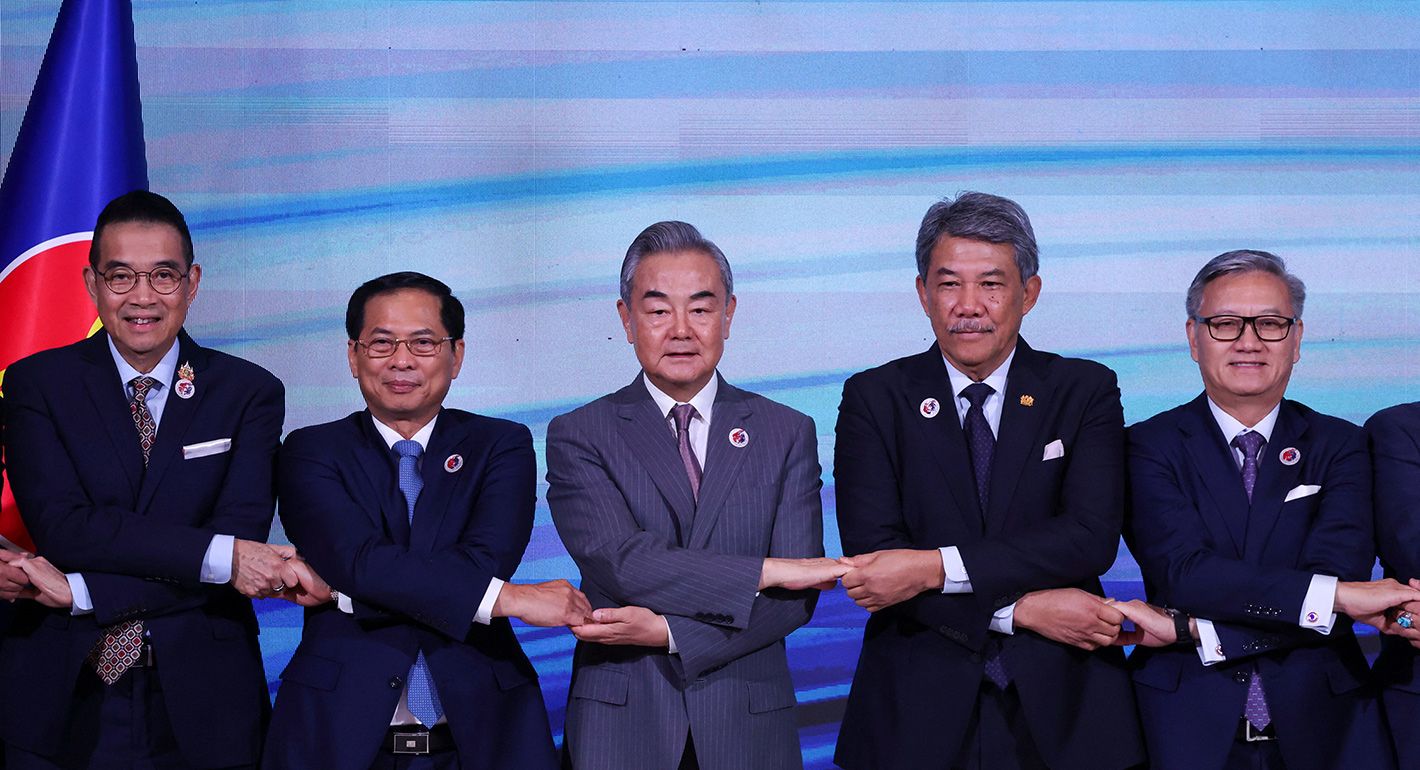
The Thai-Cambodian conflict highlights the limits to China's peacemaker ambition and the significance of this role on Southeast Asia’s balance of power.

Pongphisoot (Paul) Busbarat
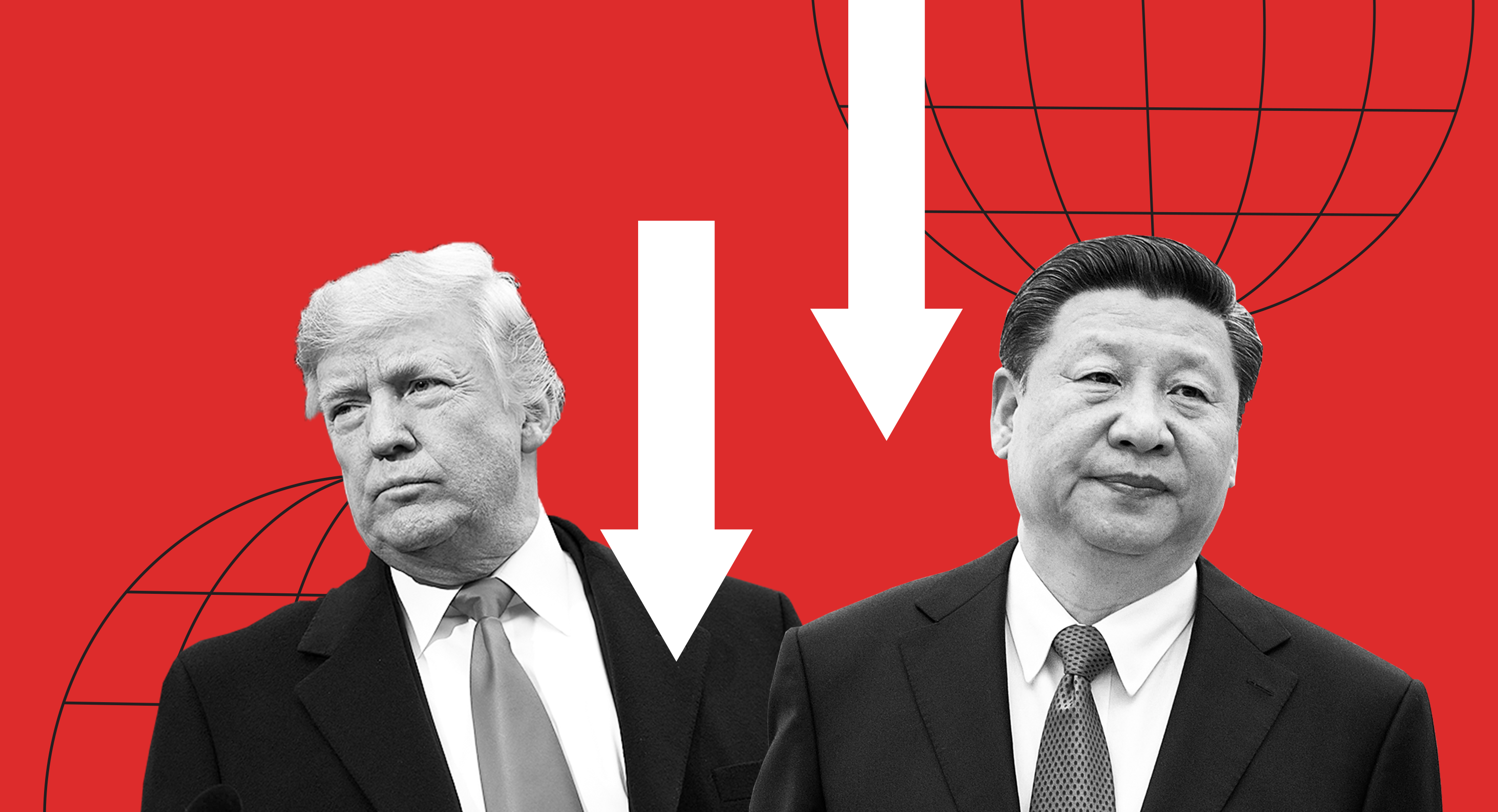
Beijing believes that Washington is overestimating its own leverage and its ability to handle the trade war’s impacts.


Rick Waters, Sheena Chestnut Greitens
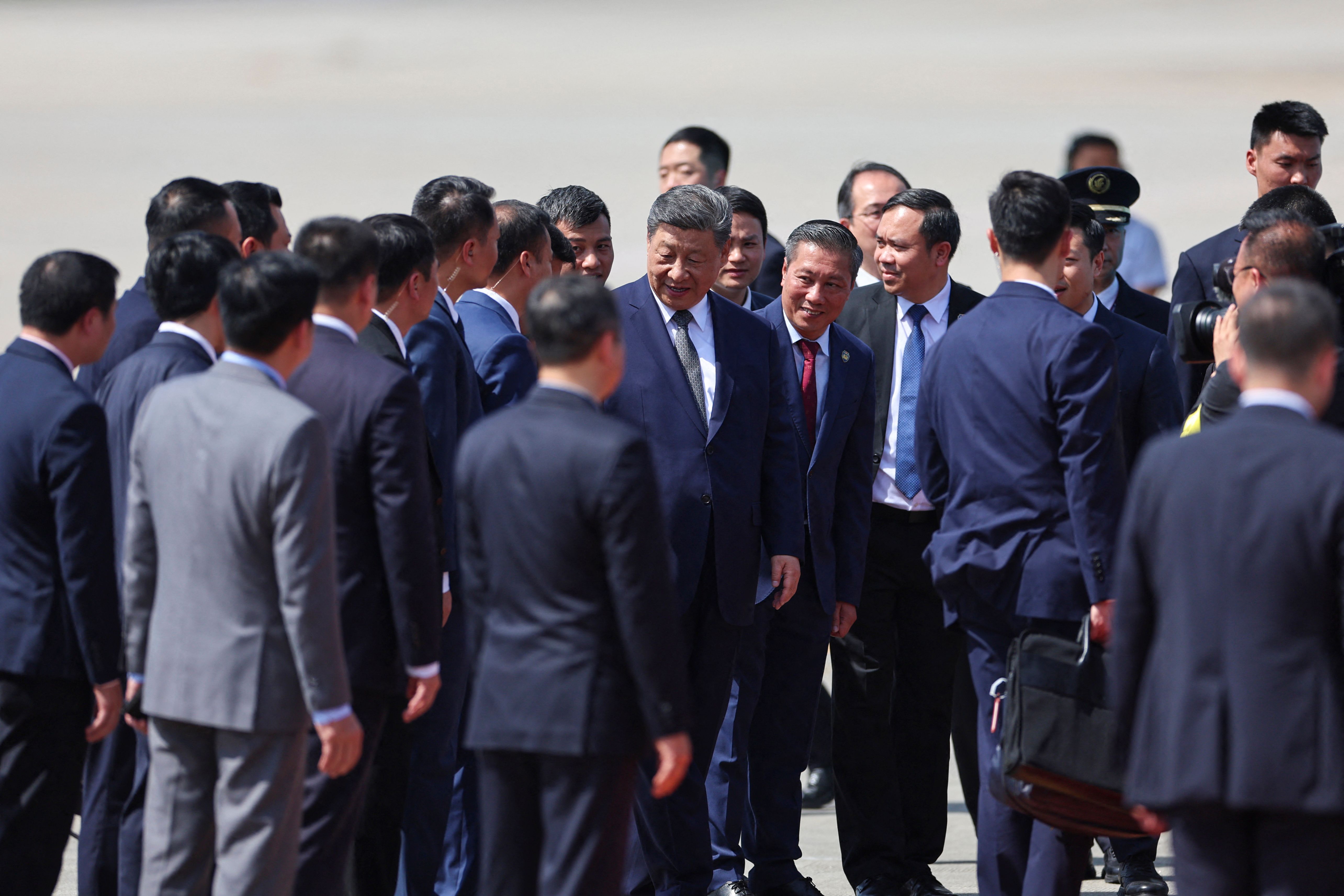
Tapping our network of China experts in the region, Carnegie China offers this latest “China Through a Southeast Asian Lens” report to offer preliminary assessments of whether the U.S. effort to reshape the global trading order will lead countries in the region to tilt toward Beijing.


Selina Ho, Khin Khin Kyaw Kyee, Joseph Ching Velasco, …
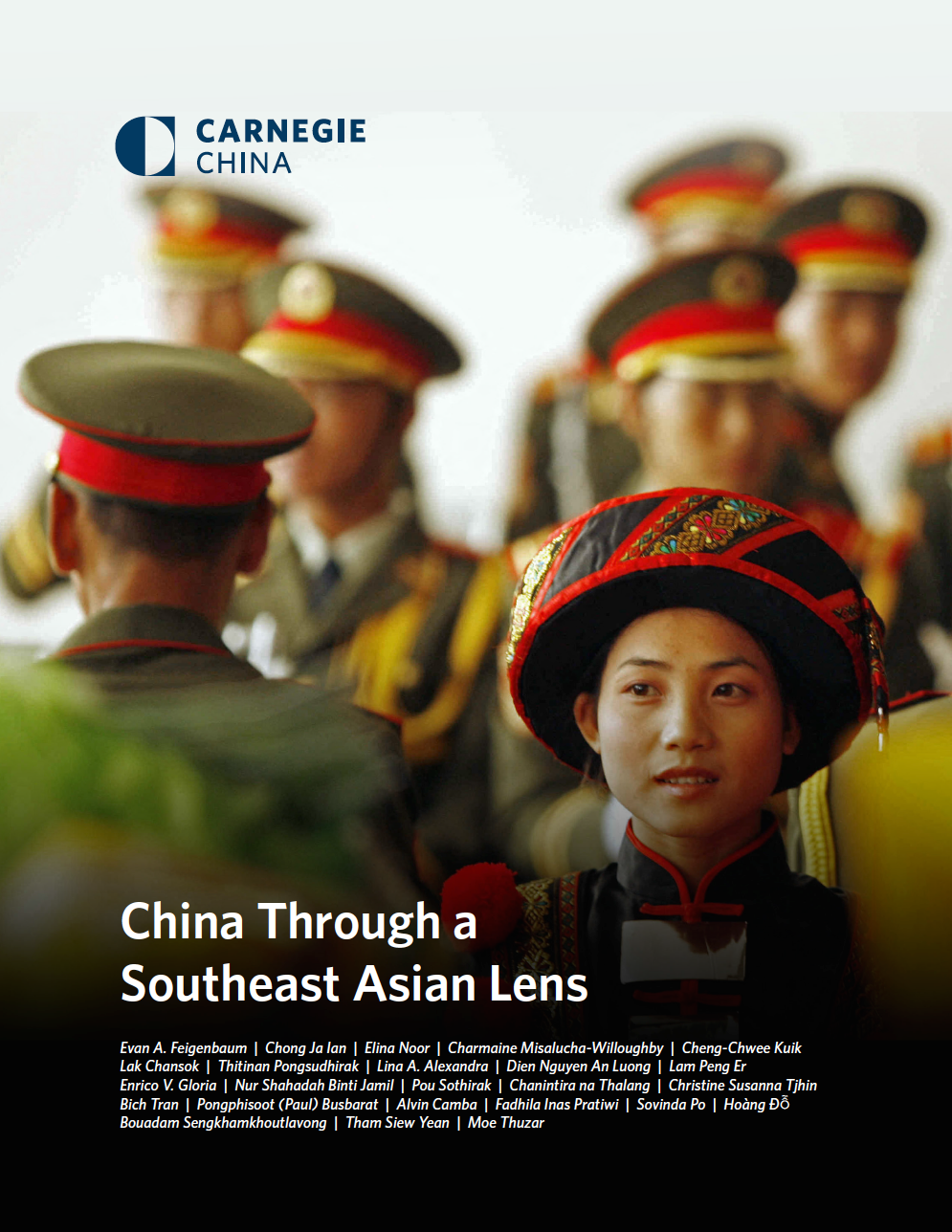
Because strategic, economic, and ideological perceptions of China contain multiple, sometimes contradictory facets in Southeast Asia, receptions of and responses to Beijing diverge across and within state lines.



Evan A. Feigenbaum, Chong Ja Ian, Elina Noor
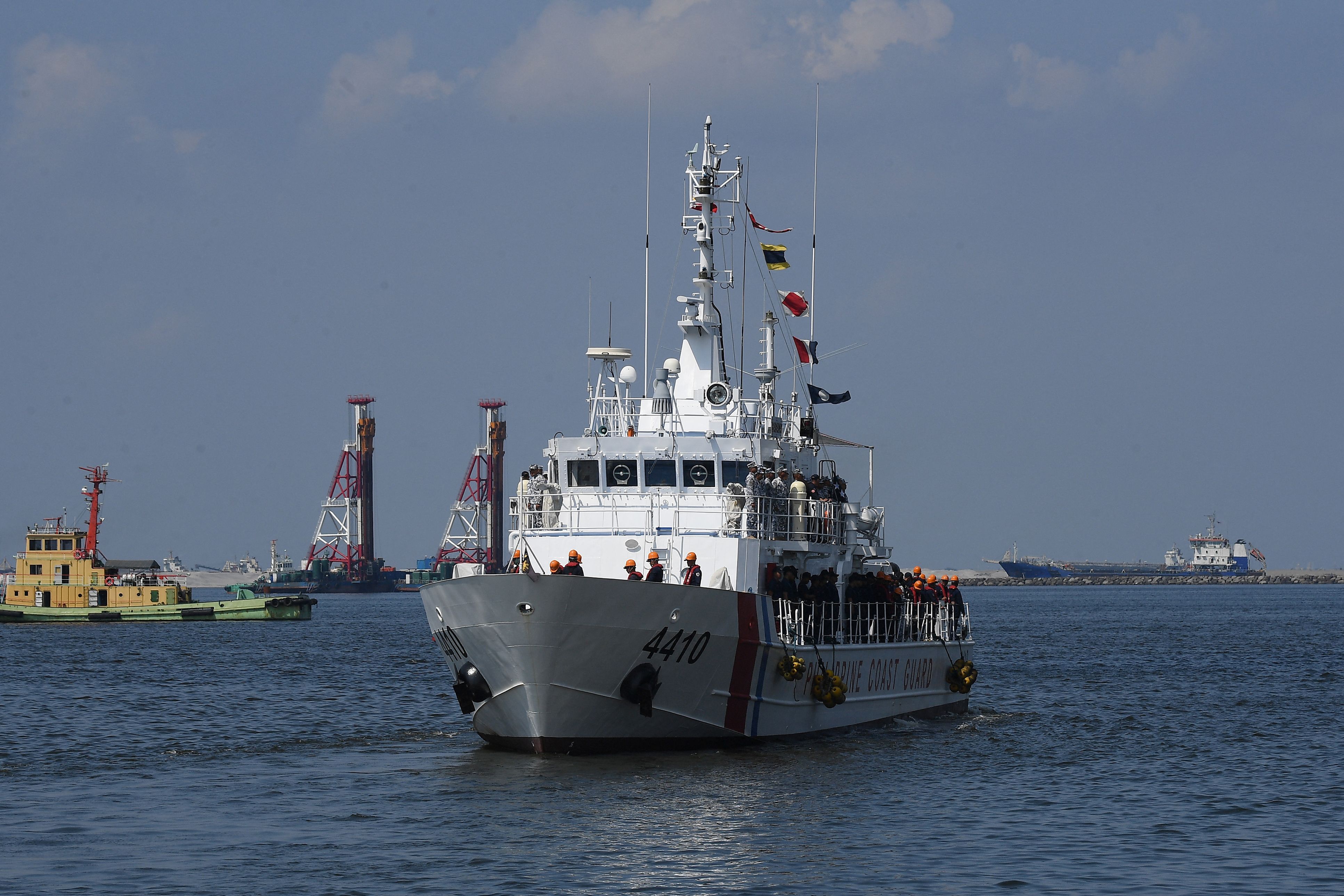
Most Southeast Asian states behave as if the actions of their Northeast Asian neighbors and the Philippines will be sufficient to maintain a regional status quo from which they can benefit.
Chong Ja Ian