

Article
Леонид Гозман, Michael McFaul
{
  "authors": [
    "Michael McFaul"
  ],
  "type": "legacyinthemedia",
  "centerAffiliationAll": "dc",
  "centers": [
    "Carnegie Endowment for International Peace"
  ],
  "collections": [],
  "englishNewsletterAll": "ctw",
  "nonEnglishNewsletterAll": "",
  "primaryCenter": "Carnegie Endowment for International Peace",
  "programAffiliation": "NPP",
  "programs": [
    "Nuclear Policy"
  ],
  "projects": [],
  "regions": [
    "Middle East",
    "Iran"
  ],
  "topics": [
    "Political Reform",
    "Military",
    "Foreign Policy",
    "Nuclear Policy"
  ]
}
REQUIRED IMAGE
Carnegie senior associate Michael McFaul reviews Kenneth Pollack's new book, The Persian Puzzle: The Conflict Between Iran and Ameri
Source: Slate
Last month, the foreign ministers of France, Great Britain, and Germany triumphantly announced a new accord with Iran. Formally, the agreement obligates Iran to suspend temporarily all enrichment of uranium in return for some as-yet-unspecified economic benefits, including a steady supply of enriched uranium to fuel Iran's light water nuclear reactor. Informally, the Europeans believe their diplomatic negotiations have helped to suspend Iran's nuclear weapons program. Of course, no one can claim openly that the new deal hinders a nuclear weapons program, since Iran has never admitted to having one. Still, the Europeans proudly point to their accomplishment as proof that diplomacy works.
President Bush and his foreign-policy team are not buying it. Based on intelligence given to them by an Iranian exile organization, the administration remains convinced that the mullahs who rule Iran are developing a nuclear weapon and no piece of paper will stop them. In response, hard-liners both outside and within the administration are pressing instead for a military solution. Only the lunatic fringes still advocate a full-scale military invasion and occupation of Iran. But the idea of bombing Iran's nuclear facilities is floated as a serious option of last resort, since every senior Bush official has declared that a nuclear-armed Iran is unacceptable.
Does this all sound familiar?
For the rest of the article, visit Slate: http://www.slate.com/id/2110538
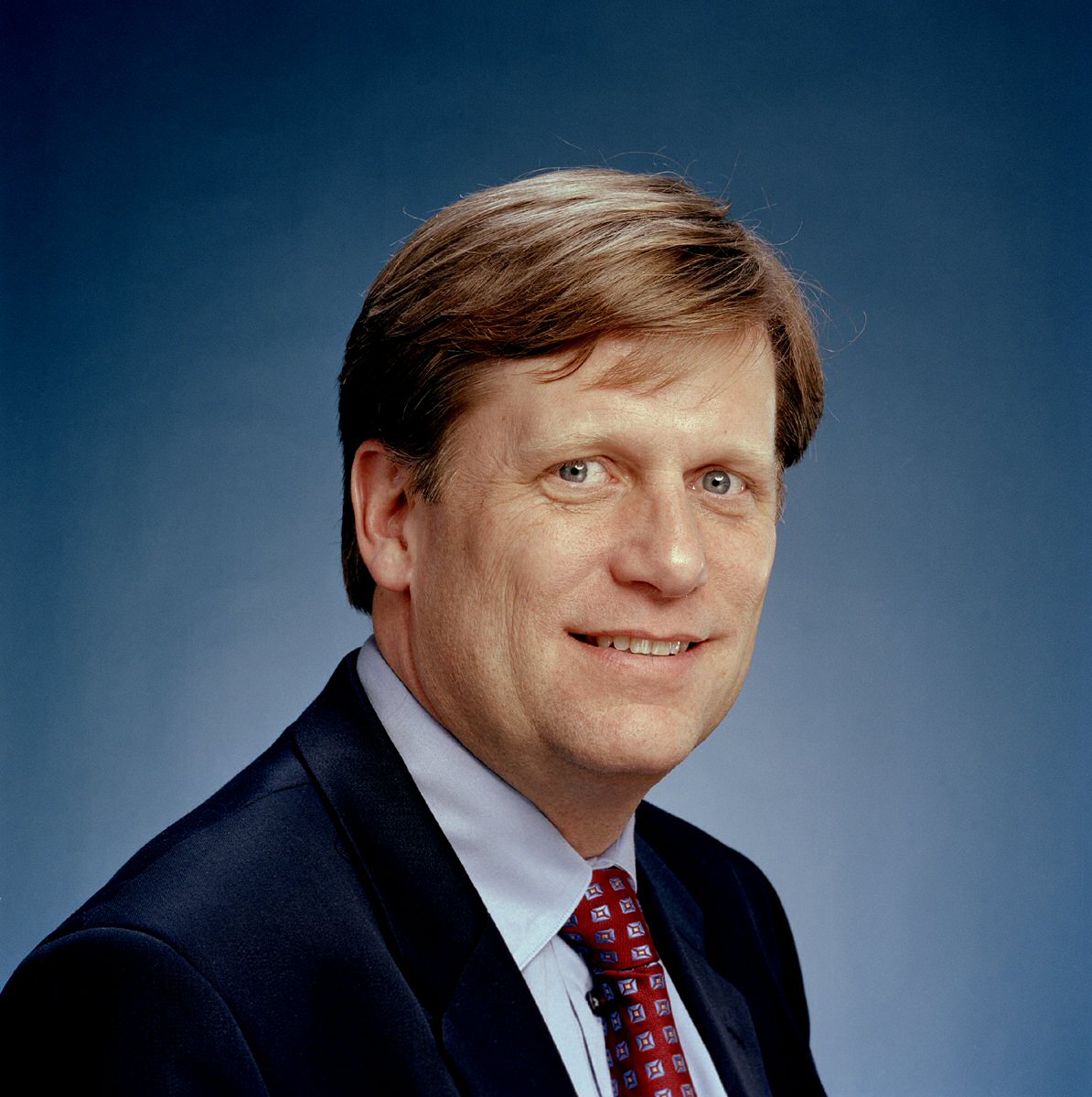
Former Senior Associate
In addition to his role at Carnegie, McFaul is Peter and Helen Bing Senior Fellow at the Hoover Institution and associate professor of political science at Stanford University.
Recent Work
Леонид Гозман, Michael McFaul
Michael McFaul, Sanja Tatic
Carnegie does not take institutional positions on public policy issues; the views represented herein are those of the author(s) and do not necessarily reflect the views of Carnegie, its staff, or its trustees.

China’s political future will be shaped between now and next October. As the Communist Party enters its intense “campaign season” to prepare for a major political transition in 2027, reading Beijing's actions and responses may become more difficult as domestic politics weigh on its behavior more than usual.

Damien Ma

China has showcased its engineering prowess with small modular reactor demonstration projects. But turning these technological achievements into commercial success will be a greater challenge.

Tong Zhao

The nuclear relationship between China and the United States is increasingly shaped by widening perception gaps rather than deliberate strategic design.
Tong Zhao

But their "principal to principal" model will only be as effective as the political strength of each leader back home.
Damien Ma

U.S. unpredictability has allowed China to capitalize on its positioning as the “responsible great power”. Paradoxically, the more China wins the perception game, the more likely expectations will rise for Beijing to deliver not just words but to demonstrate with its deeds.

Chong Ja Ian