

Other
Fiona Hill, Anatol Lieven, Thomas de Waal
{
  "authors": [
    "Anatol Lieven"
  ],
  "type": "legacyinthemedia",
  "centerAffiliationAll": "dc",
  "centers": [
    "Carnegie Endowment for International Peace"
  ],
  "collections": [],
  "englishNewsletterAll": "ctw",
  "nonEnglishNewsletterAll": "",
  "primaryCenter": "Carnegie Endowment for International Peace",
  "programAffiliation": "russia",
  "programs": [
    "Russia and Eurasia"
  ],
  "projects": [],
  "regions": [
    "Caucasus",
    "Russia"
  ],
  "topics": [
    "Political Reform",
    "Democracy",
    "Economy",
    "Trade"
  ]
}
REQUIRED IMAGE
Source: The International Herald Tribune
They might begin by making a comparison between the amount of space, and outrage, devoted by the Western media to this trial and the limited attention and anger directed by the same Western media to the process by which Mikhail Khodorkovsky and the other "oligarchs" acquired their immense wealth in the first place.
It is not just that while Khodorkovsky's trial was deeply flawed, the legal case against him was well-based and credible. More important is the comparative damage done to
Khodorkovsky's trial has undermined to some degree Western and Russian domestic investment in the Russian energy sector. The massive theft of Russian state resources by Khodorkovsky and others in the 1990s had infinitely worse effects.
This was the single greatest example of such plundering in the whole of modern history. It crippled the ability of the Russian state to provide basic services to its population - including for long periods even wages and pensions. As for state services, the collapse of state revenues had a disastrous effect on their funding, pay and morale.
Before indulging in self-righteous denunciations of the Russian government, Westerners also need to ask themselves where
It is universally recognized that official corruption in
Outside
In some cases, this peculiar approach to
Of these, the most important is the belief that developments in
Even more significant, however, is the differing role of nationalism. In Central Europe, society could be mobilized behind painful reforms in part because of a nationalist desire to escape from the hated domination of
Russian nationalism obviously could not operate in this way. Instead, in the 1990s
Finally, the Central Europeans were spurred on to reform by the genuine offer of membership in the European Union and NATO - something which is hardly possible for Russia, and which has certainly never been sincerely offered, even as a remote possibility.
If
The greatest economic reformer Russia has ever known, Count Sergei Witte, once said not long before the Russian Revolution that instead of complaining that Russia did not have a government like France or England, Russian liberals should thank God that it did not have a government like China's. That is something for which Mikhail Khodorkovsky too has cause to be thankful.
(
Former Senior Associate
Recent Work

Fiona Hill, Anatol Lieven, Thomas de Waal

The Plaza Accord was not an externally imposed punishment of Japan but part of a broader restructuring that Japanese economists and policymakers themselves recognized was necessary. Its effects were undermined, however, when Tokyo responded to the resulting slowdown with policies that exacerbated investment, credit expansion, and the very imbalances the adjustment was intended to resolve.

Michael Pettis
China’s banking crisis in the 2000s was resolved by transferring the costs to households through financial repression—a decision that recapitalized the banks while exacerbating the structural imbalances that continue to shape the Chinese economy today.
Michael Pettis

In the latest Five-Year Plan, the Chinese president cements the shift to an innovation-driven economy over a consumption-driven one.

Damien Ma
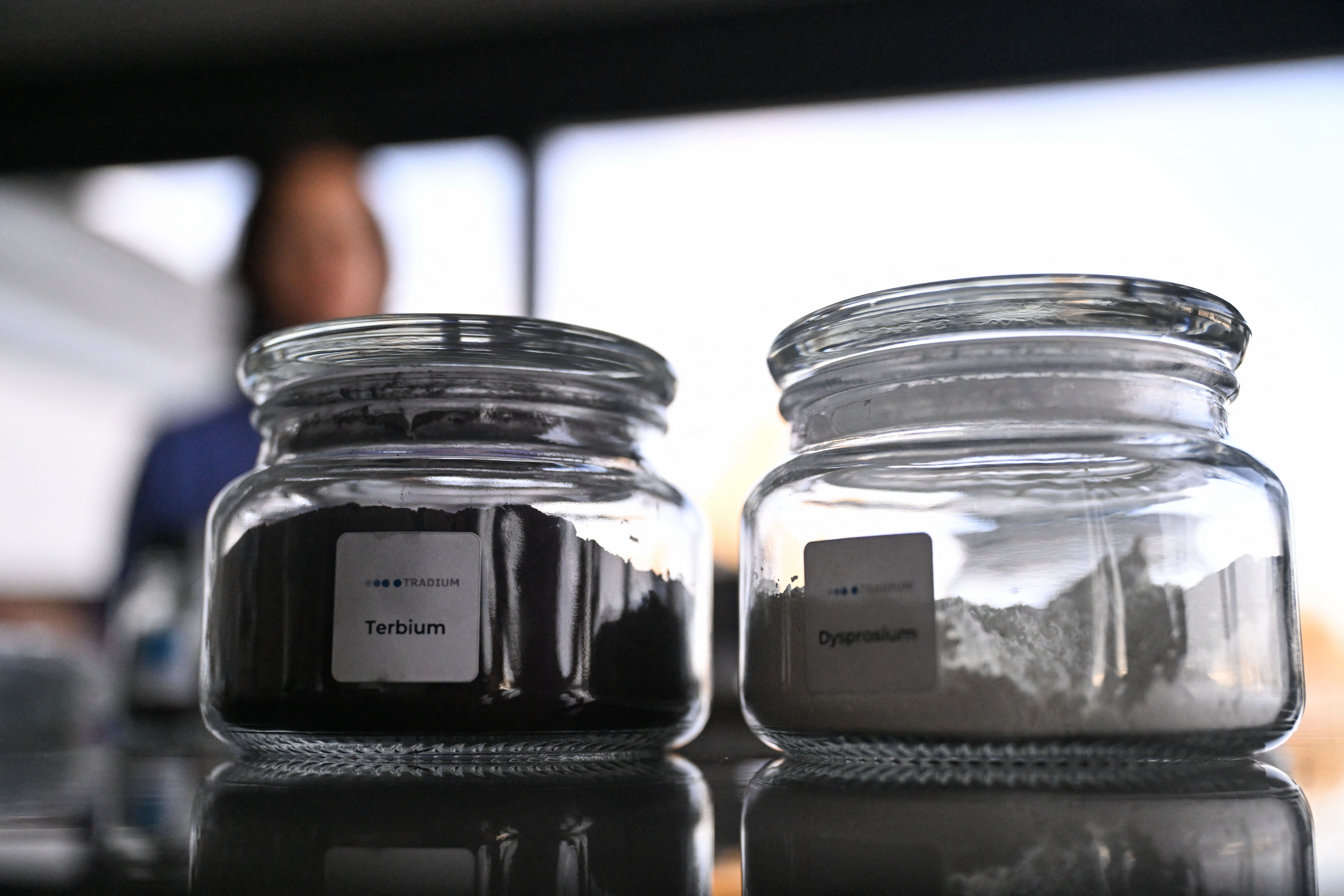
Regulation, not embargo, allows Beijing to shape how other countries and firms adapt to its terms.
Alvin Camba
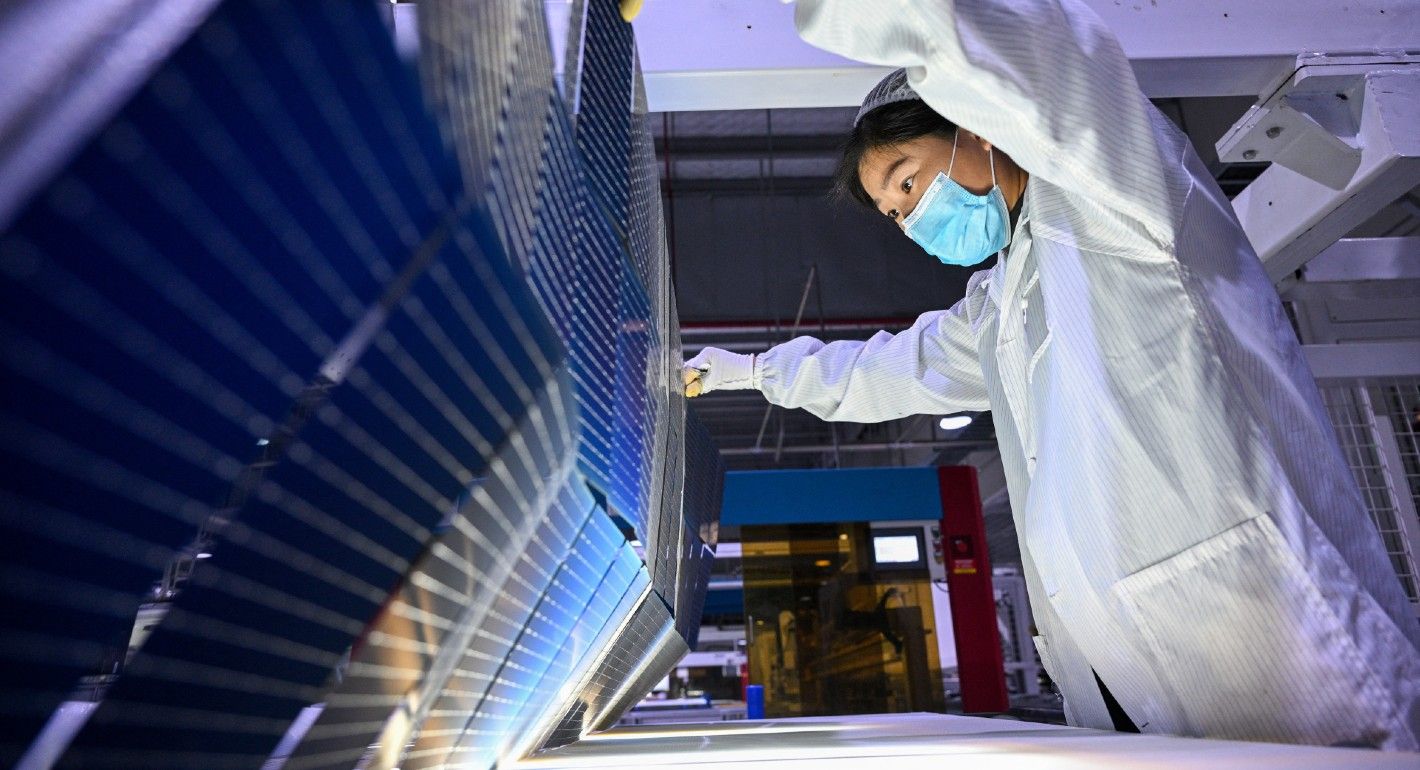
Rather than climate ambitions, compatibility with investment and exports is why China supports both green and high-emission technologies.

Mathias Larsen