

Report
- +2
George Perkovich, Jessica Tuchman Mathews, Joseph Cirincione, …
{
  "authors": [
    "Joseph Cirincione"
  ],
  "type": "legacyinthemedia",
  "centerAffiliationAll": "dc",
  "centers": [
    "Carnegie Endowment for International Peace"
  ],
  "collections": [
    "U.S. Nuclear Policy"
  ],
  "englishNewsletterAll": "ctw",
  "nonEnglishNewsletterAll": "",
  "primaryCenter": "Carnegie Endowment for International Peace",
  "programAffiliation": "NPP",
  "programs": [
    "Nuclear Policy"
  ],
  "projects": [],
  "regions": [
    "North America",
    "United States",
    "Middle East",
    "Iran",
    "India"
  ],
  "topics": [
    "Nuclear Policy",
    "Nuclear Energy"
  ]
}
REQUIRED IMAGE
Source: Asia Times
On March 4, Joseph Cirincione outlines the dangers of U.S. nuclear cooperation with India for the international nonproliferation framework. He argues that although India has agreed to separate its military and civilian reactors and place the civilian reactors under international safeguards, the deal will free up fissile material from India's unsafeguarded military reactors to develop more nuclear weapons. Cirincione points out that by assisting India's nuclear program, President Bush has shattered 30 years of U.S. and international nonproliferation efforts which began in response to the development of India's nuclear program. The India deal will hurt the effort to curb future proliferators that may follow in its path.
Click here to read the full text of the article.

Former Senior Associate, Director for NonProliferation
Recent Work


George Perkovich, Jessica Tuchman Mathews, Joseph Cirincione, …
Joseph Cirincione
Carnegie does not take institutional positions on public policy issues; the views represented herein are those of the author(s) and do not necessarily reflect the views of Carnegie, its staff, or its trustees.

But their "principal to principal" model will only be as effective as the political strength of each leader back home.

Damien Ma

U.S. unpredictability has allowed China to capitalize on its positioning as the “responsible great power”. Paradoxically, the more China wins the perception game, the more likely expectations will rise for Beijing to deliver not just words but to demonstrate with its deeds.

Chong Ja Ian

For Malaysia, the conjunction that works is “and” not “or” when it comes to the United States and China.

Elina Noor

Regulation, not embargo, allows Beijing to shape how other countries and firms adapt to its terms.
Alvin Camba
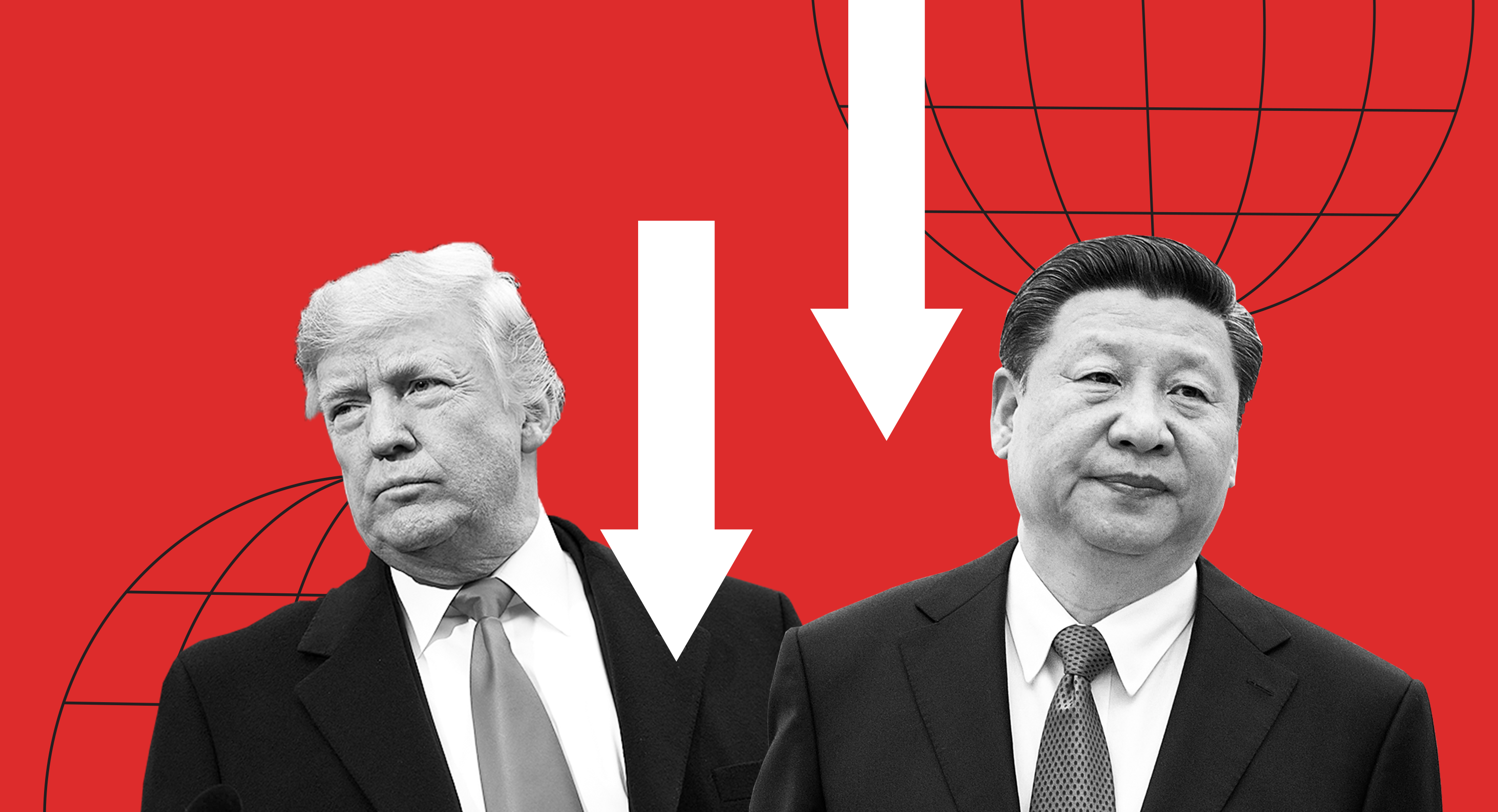
Beijing believes that Washington is overestimating its own leverage and its ability to handle the trade war’s impacts.


Rick Waters, Sheena Chestnut Greitens