

Paper
Ashley J. Tellis
{
  "authors": [
    "Ashley J. Tellis"
  ],
  "type": "legacyinthemedia",
  "centerAffiliationAll": "dc",
  "centers": [
    "Carnegie Endowment for International Peace"
  ],
  "collections": [],
  "englishNewsletterAll": "ctw",
  "nonEnglishNewsletterAll": "",
  "primaryCenter": "Carnegie Endowment for International Peace",
  "programAffiliation": "SAP",
  "programs": [
    "South Asia"
  ],
  "projects": [],
  "regions": [
    "North America",
    "United States",
    "South Asia",
    "India"
  ],
  "topics": [
    "Nuclear Policy"
  ]
}
Source: Getty
Missile defenses have come to reflect both an example of, and a means toward, the steady improvement in U.S.-Indian ties occurring in recent years. A deepening bilateral relationship has become part of New Delhi's larger solution to increasing India's capacity to defeat those threats requiring active defenses in the future.
Source: International Security

In International Security article, “The Evolution of U.S.-Indian Ties: Missile Defense in an Emerging Strategic Relationship,” Carnegie Senior Associate, Ashley J. Tellis argues that what is fascinating about this evolution is the manner in which missile defenses have come to reflect both an example of, and a means toward, the steady improvement in U.S.-Indian ties occurring in recent years. This, in turn, implies that a deepening bilateral relationship has become part of New Delhi's larger solution to increasing India's capacity to defeat those threats requiring active defenses in the future.
Click here for the full text of the article (Subscription Required).
Former Senior Fellow
Ashley J. Tellis was a senior fellow at the Carnegie Endowment for International Peace.
Recent Work
Ashley J. Tellis
Ashley J. Tellis
Carnegie does not take institutional positions on public policy issues; the views represented herein are those of the author(s) and do not necessarily reflect the views of Carnegie, its staff, or its trustees.

U.S. unpredictability has allowed China to capitalize on its positioning as the “responsible great power”. Paradoxically, the more China wins the perception game, the more likely expectations will rise for Beijing to deliver not just words but to demonstrate with its deeds.

Chong Ja Ian

For Malaysia, the conjunction that works is “and” not “or” when it comes to the United States and China.

Elina Noor

Regulation, not embargo, allows Beijing to shape how other countries and firms adapt to its terms.
Alvin Camba
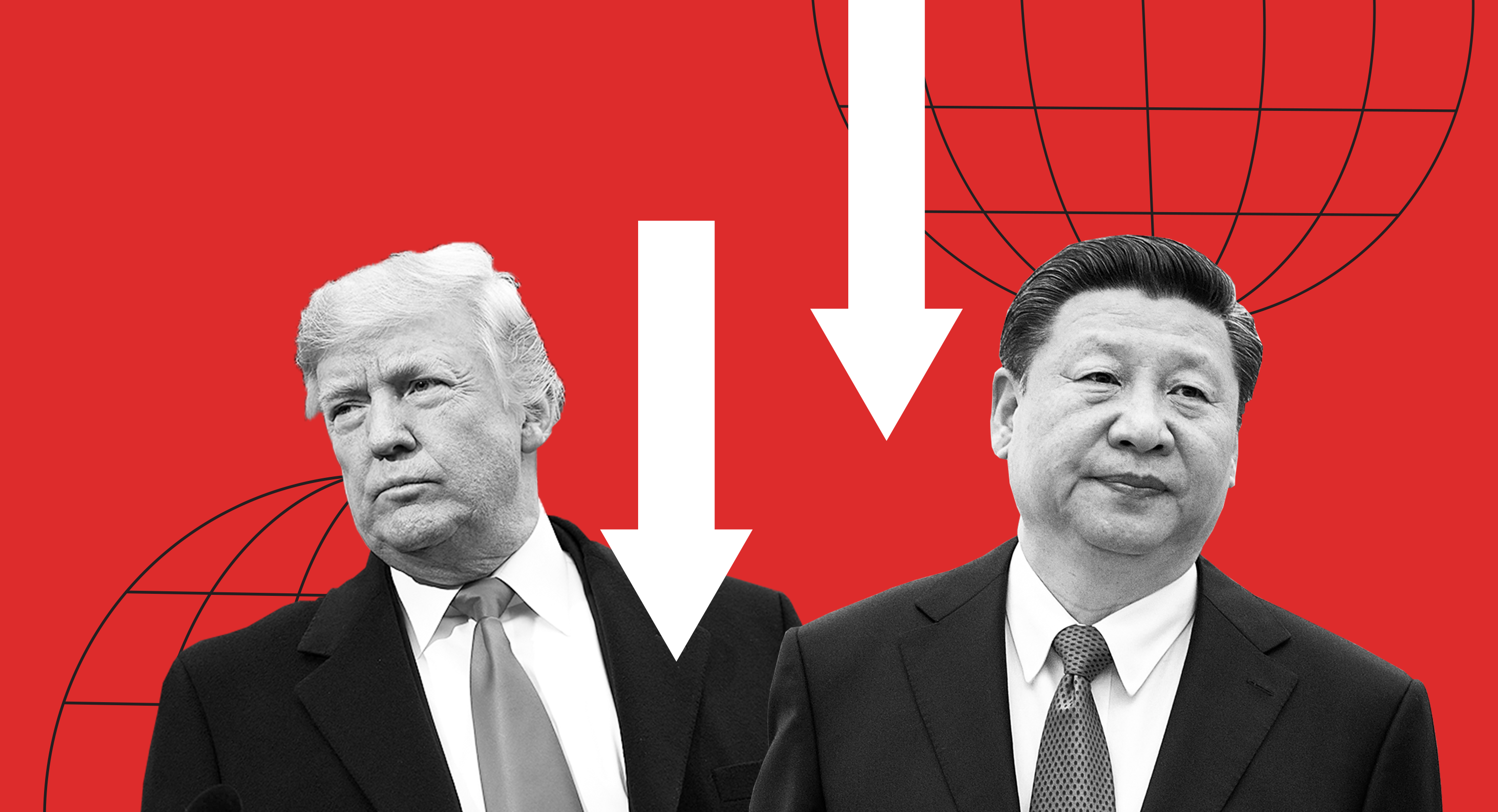
Beijing believes that Washington is overestimating its own leverage and its ability to handle the trade war’s impacts.


Rick Waters, Sheena Chestnut Greitens
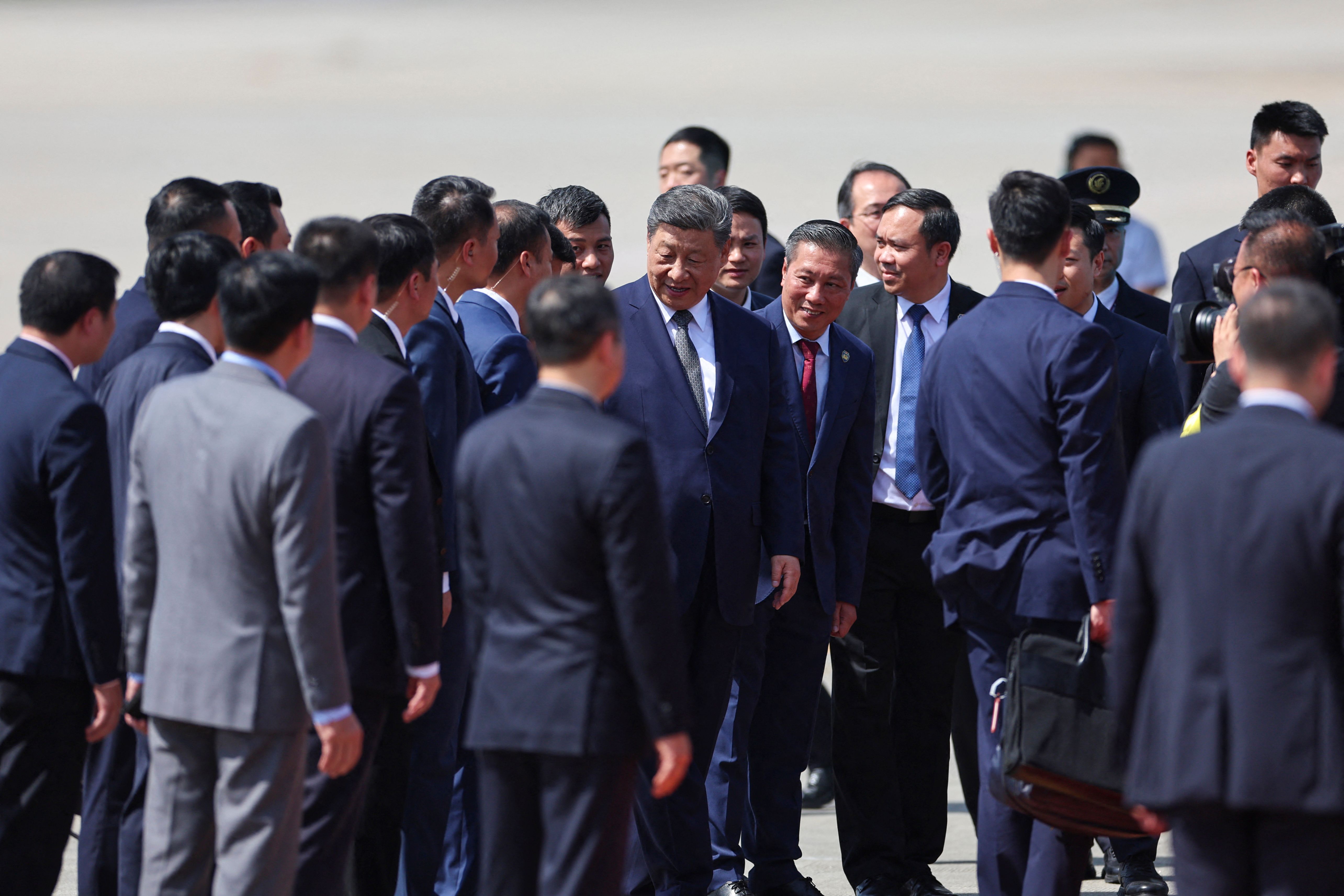
Tapping our network of China experts in the region, Carnegie China offers this latest “China Through a Southeast Asian Lens” report to offer preliminary assessments of whether the U.S. effort to reshape the global trading order will lead countries in the region to tilt toward Beijing.


Selina Ho, Khin Khin Kyaw Kyee, Joseph Ching Velasco, …