

Article
China has showcased its engineering prowess with small modular reactor demonstration projects. But turning these technological achievements into commercial success will be a greater challenge.
Tong Zhao
{
  "authors": [
    "Andrew Monaghan"
  ],
  "type": "legacyinthemedia",
  "centerAffiliationAll": "dc",
  "centers": [
    "Carnegie Endowment for International Peace"
  ],
  "collections": [],
  "englishNewsletterAll": "ctw",
  "nonEnglishNewsletterAll": "",
  "primaryCenter": "Carnegie Endowment for International Peace",
  "programAffiliation": "russia",
  "programs": [
    "Russia and Eurasia"
  ],
  "projects": [],
  "regions": [],
  "topics": [
    "Economy",
    "Foreign Policy"
  ]
}
REQUIRED IMAGE
Source: Pro et Contra
This article orginally appeared in Russian in "The Power of Oil and Gas" edition of the Pro et Contra journal (Volume 10, No. 2-3, 2006), published by the Carnegie Moscow Center.
The energy sector is central to the future economic security and development of both Russia and the EU and is a central element of the EU-Russia relationship. It is a dimension that is of real importance, rather than concocted political desire. It would severely undermine the energy security of both the EU and Russia if the relationship began to drift apart in the search for superficially more reliable sources. Concerns about Russia 's reliability cannot be dismissed out of hand, but problems must be more accurately pin-pointed. It is important that the rhetoric moves away from notions of mutual “dependence” on the other and producer vs. consumer relations. The relationship is a mutual one, with benefits as well as down-sides for both.
For the full text, please click on the link above.
Andrew Monaghan
Carnegie does not take institutional positions on public policy issues; the views represented herein are those of the author(s) and do not necessarily reflect the views of Carnegie, its staff, or its trustees.

China has showcased its engineering prowess with small modular reactor demonstration projects. But turning these technological achievements into commercial success will be a greater challenge.

Tong Zhao

The Plaza Accord was not an externally imposed punishment of Japan but part of a broader restructuring that Japanese economists and policymakers themselves recognized was necessary. Its effects were undermined, however, when Tokyo responded to the resulting slowdown with policies that exacerbated investment, credit expansion, and the very imbalances the adjustment was intended to resolve.

Michael Pettis
China’s banking crisis in the 2000s was resolved by transferring the costs to households through financial repression—a decision that recapitalized the banks while exacerbating the structural imbalances that continue to shape the Chinese economy today.
Michael Pettis
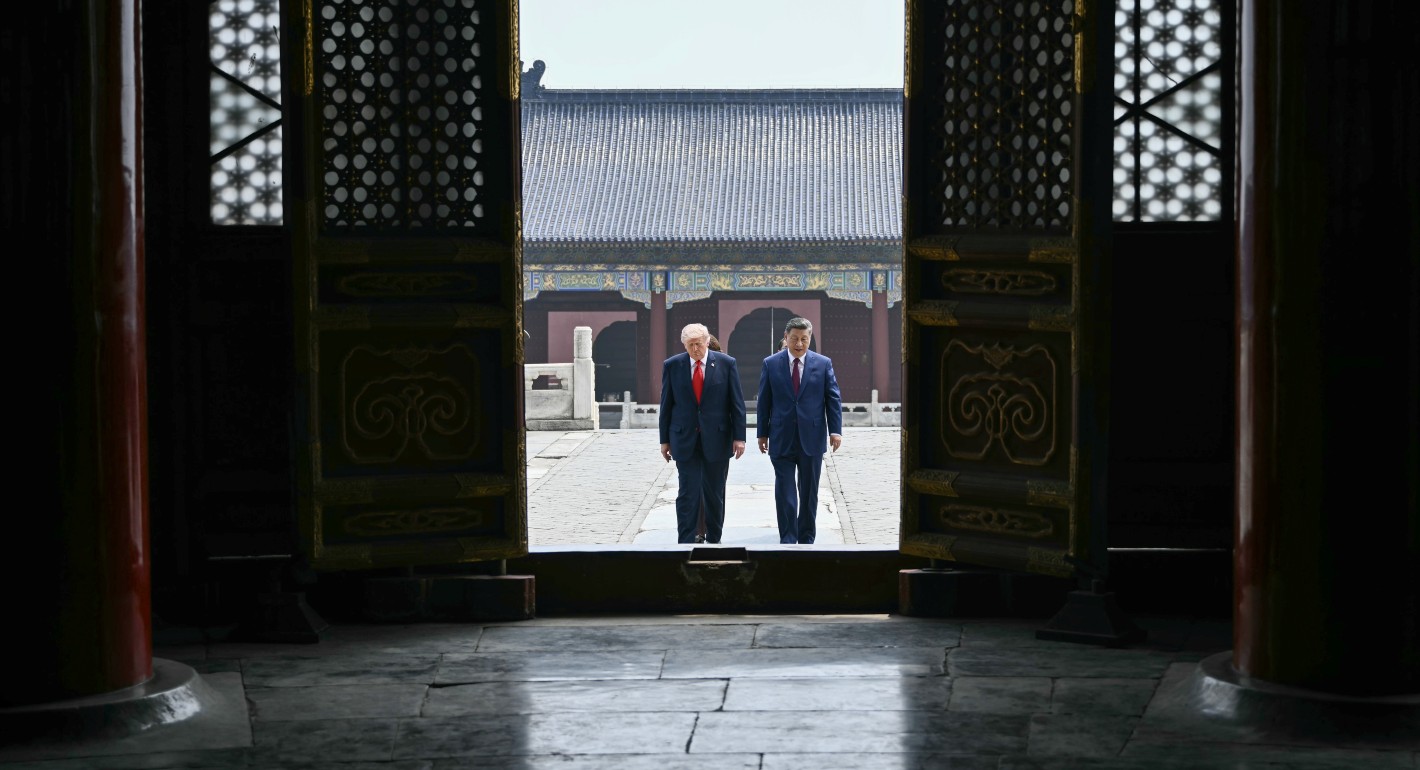
But their "principal to principal" model will only be as effective as the political strength of each leader back home.

Damien Ma
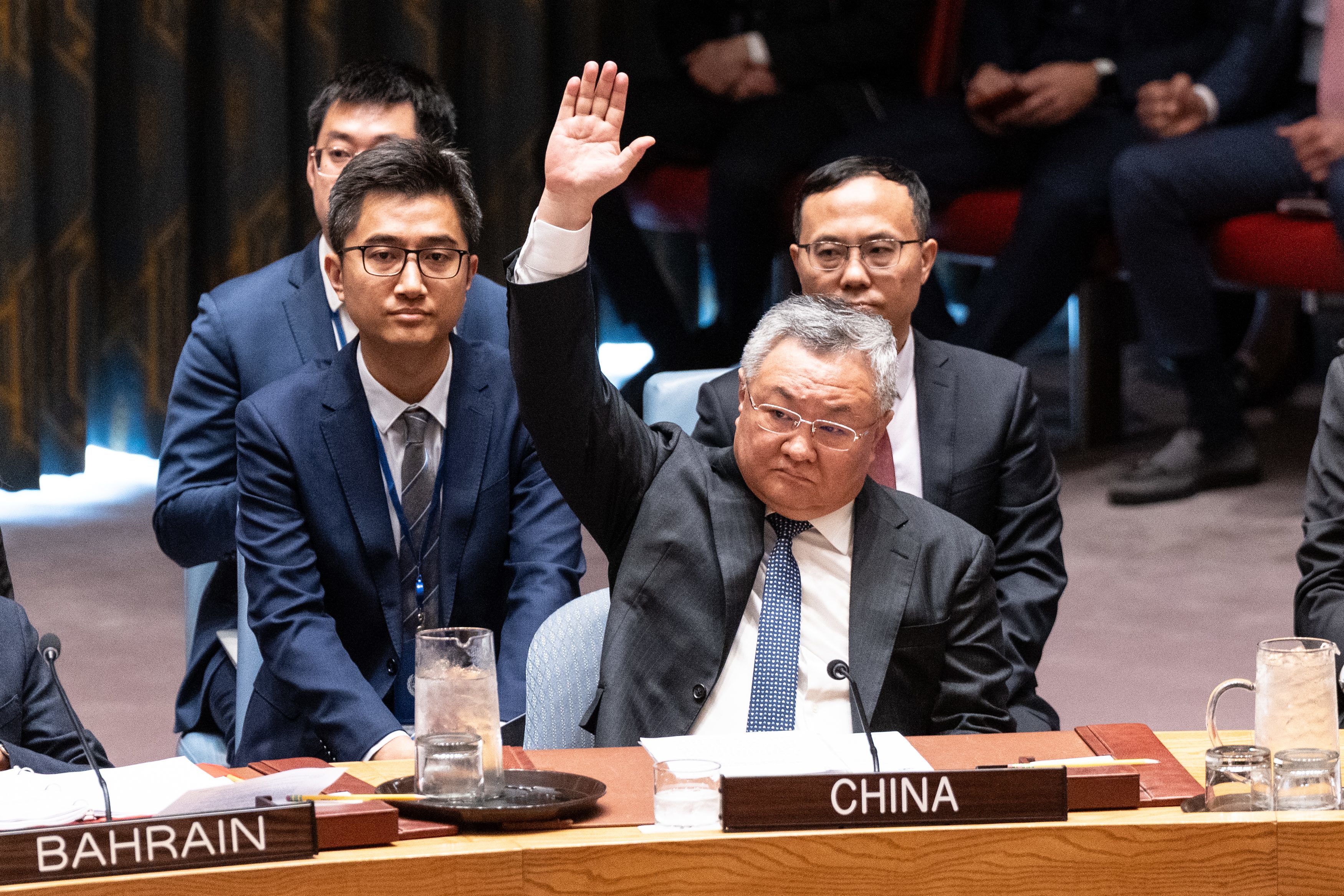
U.S. unpredictability has allowed China to capitalize on its positioning as the “responsible great power”. Paradoxically, the more China wins the perception game, the more likely expectations will rise for Beijing to deliver not just words but to demonstrate with its deeds.

Chong Ja Ian