

Paper
Paul Salem
{
  "authors": [
    "Paul Salem"
  ],
  "type": "legacyinthemedia",
  "centerAffiliationAll": "dc",
  "centers": [
    "Carnegie Endowment for International Peace",
    "Malcolm H. Kerr Carnegie Middle East Center"
  ],
  "collections": [],
  "englishNewsletterAll": "democracy",
  "nonEnglishNewsletterAll": "",
  "primaryCenter": "Malcolm H. Kerr Carnegie Middle East Center",
  "programAffiliation": "DCG",
  "programs": [
    "Democracy, Conflict, and Governance",
    "Middle East"
  ],
  "projects": [],
  "regions": [
    "Middle East",
    "Lebanon"
  ],
  "topics": [
    "Political Reform",
    "Democracy",
    "Foreign Policy"
  ]
}
Source: Getty
Recent electoral successes by Islamist parties throughout the Arab world have shown those movements to be viable political opposition to many undemocratic regimes. Most analyses examine those movements only within their individual domestic political environments. Yet equally important is the impact of broader, regional issues on domestic politics and the resulting tensions with ruling regimes. But wars rarely proceed as expected, and no participant in this war got what it had bargained for.
Source: Foreign Affairs

Blind Into Beirut
Hezbollah's July 12 raid into Israel, backed by Iran, was intended to entangle Israel in a limited skirmish on its northern border and a drawn-out prisoner exchange at a time when Iran was facing mounting pressure over its nuclear program. Israel, backed by the United States, responded with a large-scale war meant to deliver a knockout blow to Hezbollah and thereby remove the missile threat to northern Israel, weaken Iran in any upcoming showdown, and eliminate what the United States considers a major opponent in the war on terrorism. Washington also hoped to give a boost to the Lebanese government, which it considered a potential democratic success story.
But wars rarely proceed as expected, and no participant in this war got what it had bargained for. Hezbollah ended up in a full-scale war, in which it won some battlefield victories and popularity in the Arab and Muslim world but which devastated its Lebanese Shiite constituency and narrowed its tactical and political options. Israel, despite unleashing massive airpower on Hezbollah strongholds, failed to knock out the organization or even to stop its missile attacks, while the setbacks suffered by Israel's ground invasion had the effect of puncturing the aura of invincibility long projected by the Israel Defense Forces. Tehran reaped some benefit from Hezbollah's increased popularity and perhaps can point to the organization's robust performance as a warning to those considering military action against Iran, but this war wasted much of the deterrent power that it had vested in Hezbollah for its own hour of need. Meanwhile, the United States looked on helplessly as the crisis drove Arab and Muslim public opinion further against it and weakened an already fragile Lebanon. As is the case with most proxy wars, the highest price was paid by the host country, Lebanon, which found itself the arena of regional and international war. The terrible toll on civilian life, housing, and infrastructure made this one of the most devastating wars in Lebanon's recent history.
Significantly, the crisis was resolved diplomatically rather than militarily, with the passage of United Nations Security Council Resolution 1701 -- a transformative resolution that provides a meaningful basis for moving forward and a framework for new political and security realities in Lebanon and the region. The deployment of the Lebanese army to southern Lebanon with UN troop support has put an end to four decades of control by nonstate actors. Resolution 1701 is an important step toward a stable and sovereign Lebanon. It deserves sustained support and beckons the international community to make renewed efforts to find multilateral diplomatic solutions to other conflicts in the area.
To read full article click on PDF icon above.
Reprinted by permission of FOREIGN AFFAIRS, November/December 2006. Copyright 2006 by the Council on Foreign Relations, Inc.
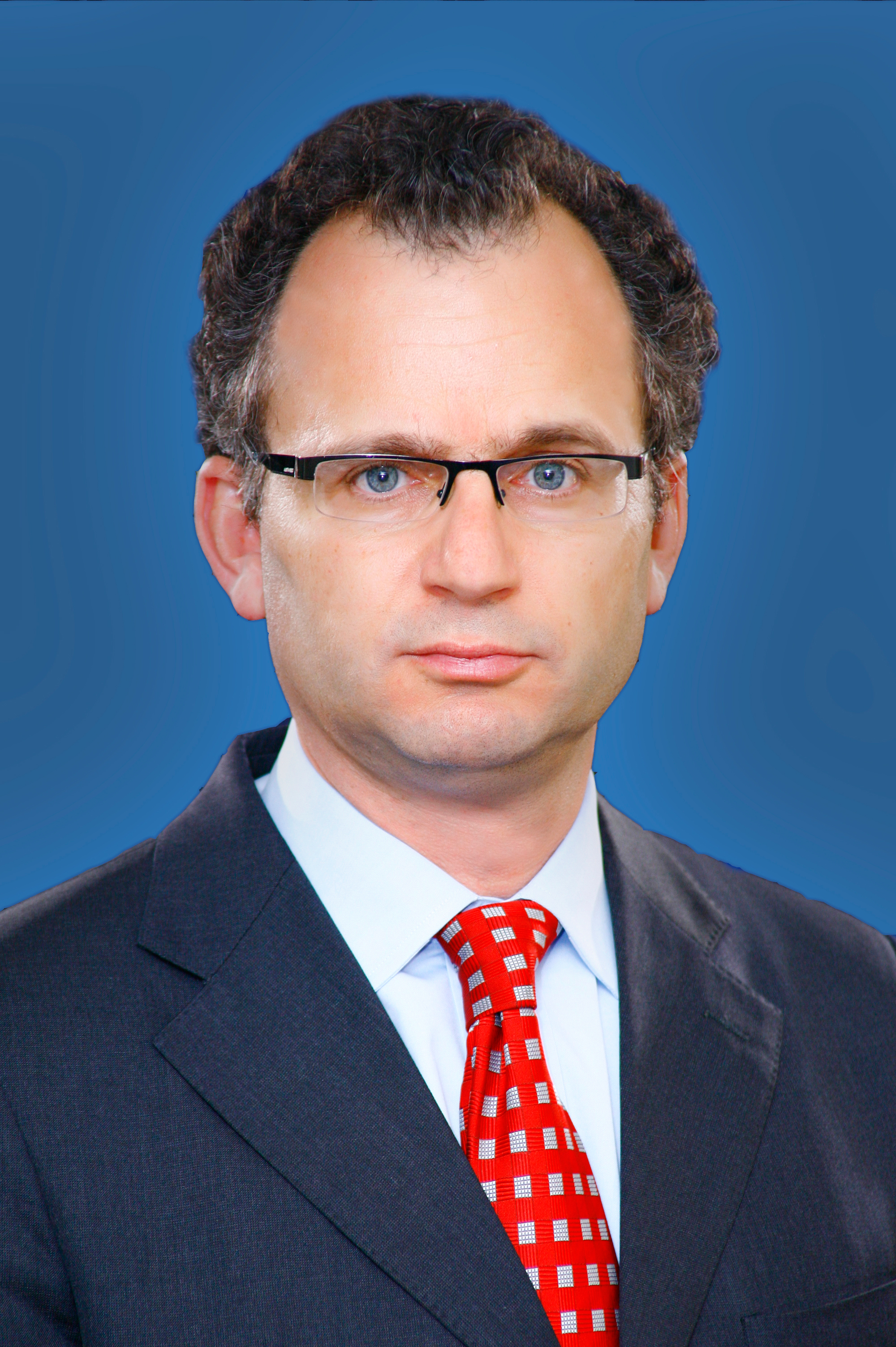
Senior Fellow at the Middle East Institute
Paul Salem is a senior fellow at the Middle East Institute.
Recent Work
Paul Salem
Paul Salem
Carnegie does not take institutional positions on public policy issues; the views represented herein are those of the author(s) and do not necessarily reflect the views of Carnegie, its staff, or its trustees.

But their "principal to principal" model will only be as effective as the political strength of each leader back home.

Damien Ma

U.S. unpredictability has allowed China to capitalize on its positioning as the “responsible great power”. Paradoxically, the more China wins the perception game, the more likely expectations will rise for Beijing to deliver not just words but to demonstrate with its deeds.

Chong Ja Ian

Hanoi and Beijing have long treated each other as distant cousins rather than comrades in arms. That might be changing as both sides draw closer to hedge against uncertainty and America’s erratic behavior.

Nguyễn Khắc Giang

Across Asia, China is better positioned to withstand energy shocks from the fallout of the Iran war. Its abundant coal capacity can ensure stability in the near term. Yet at the same time, the country’s energy transition away from coal will make it even less vulnerable during the next shock.
Damien Ma

Malaysia’s chairmanship sought to fend off short-term challenges while laying the groundwork for minimizing ASEAN’s longer-term exposure to external stresses.

Elina Noor