

Commentary
Transactional relationships are stable but can be shallow.
- +1
Paul Haenle, Maha Yahya, Benjamin Ho, …
{
  "authors": [],
  "type": "pressRelease",
  "centerAffiliationAll": "dc",
  "centers": [
    "Carnegie Endowment for International Peace"
  ],
  "collections": [],
  "englishNewsletterAll": "democracy",
  "nonEnglishNewsletterAll": "",
  "primaryCenter": "Carnegie Endowment for International Peace",
  "programAffiliation": "DCG",
  "programs": [
    "Democracy, Conflict, and Governance",
    "Middle East"
  ],
  "projects": [],
  "regions": [
    "North Africa",
    "Egypt",
    "Morocco",
    "Kuwait",
    "Yemen"
  ],
  "topics": [
    "Political Reform"
  ]
}
REQUIRED IMAGE
Without strong secular parties, political competition in the Arab world could be reduced to a dangerous head-on confrontation between Islamist parties and the incumbent governments. Yet secular parties are clearly facing a crisis in the Arab world as they struggle for influence, relevance, and in some cases, survival.
FOR IMMEDIATE RELEASE: May 24, 2007
- NEWS RELEASE -
Without strong secular parties, political competition in the Arab world could be reduced to a dangerous head-on confrontation between Islamist parties and the incumbent governments. Yet secular parties—a broad term referring to organizations that do not embrace a political platform inspired by religious ideals—are clearly facing a crisis in the Arab world as they struggle for influence, relevance, and in some cases, survival.
In a new Carnegie Paper, Fighting on Two Fronts: Secular Parties in the Arab World, Carnegie Endowment Senior Associates Marina Ottaway and Amr Hamzawy explore the uncertain future of secular parties across the Arab world by examining their role in Morocco, Egypt, Yemen, and Kuwait. The authors argue that secular parties need to reform their vision, message, and organization to be able to affect the political system in a meaningful way.
Voters see little reason to support secular parties that offer neither the patronage of government parties, nor the vision and social services of Islamist movements. As a result, they have become second-tier actors who cannot compete successfully for voter support. Their leaders, in turn, feel victimized by authoritarian governments that allow little legal space for free political activity and believe they cannot compete with the grassroots mobilization by the Islamist movements.
The authors argue that secular parties can re-energize and attract disenchanted voters by clearly distinguishing themselves from Islamist movements and the government. Low political participation in Arab countries indicates that there are new constituencies that secular parties could attract, and the ability of the ruling government to provide patronage has declined.
The crisis of secular parties is emerging as a major obstacle to democratic reform in the Arab world. “The weakness of secular parties is leading to a curious blurring of the lines between government and opposition, with many secular parties looking to the government for protection against the rise of Islamists, even as they try to curb the power of those governments.”
Notes:
The Carnegie Endowment for International Peace is a private, nonprofit organization dedicated to advancing cooperation between nations and promoting active international engagement by the United States. Founded in 1910, its work is nonpartisan and dedicated to achieving practical results.
###
Carnegie does not take institutional positions on public policy issues; the views represented herein are those of the author(s) and do not necessarily reflect the views of Carnegie, its staff, or its trustees.
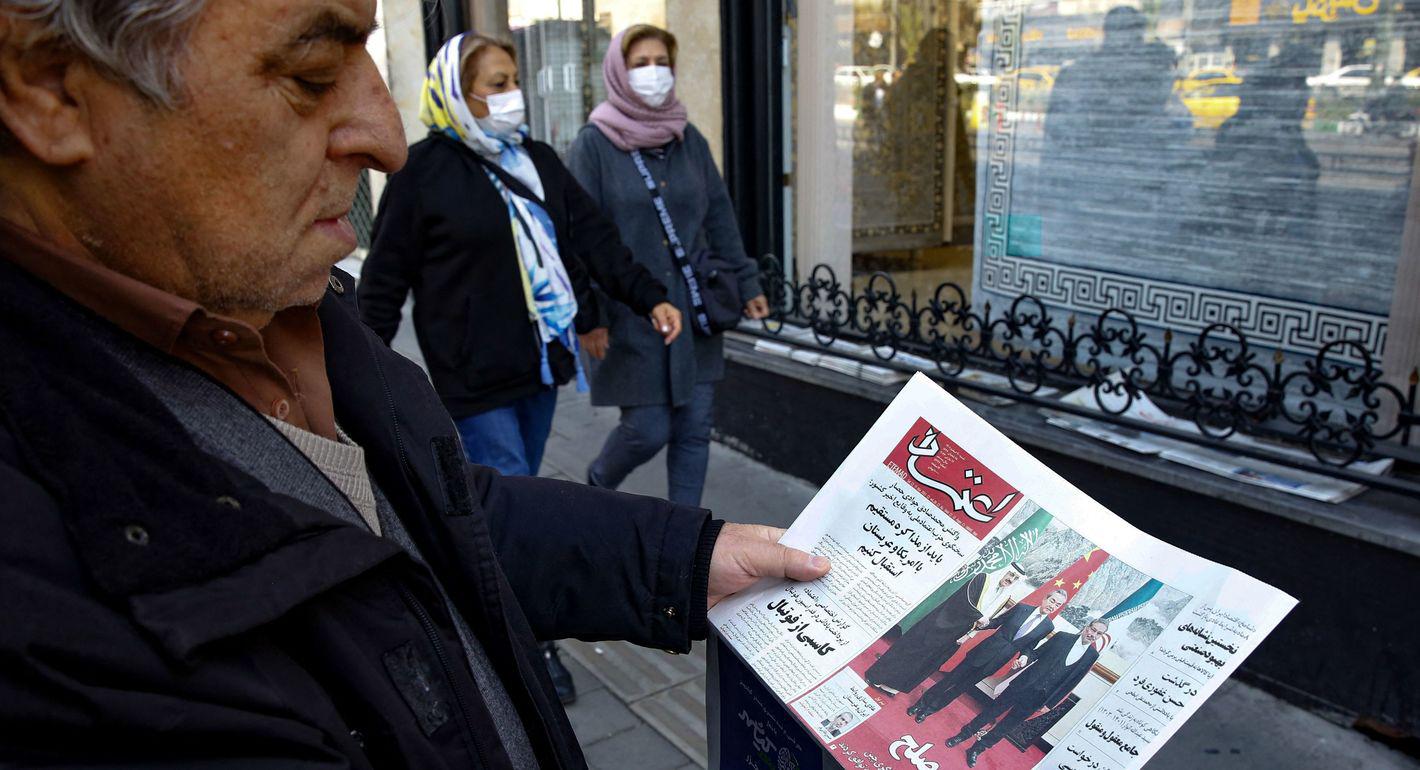
Transactional relationships are stable but can be shallow.



Paul Haenle, Maha Yahya, Benjamin Ho, …

It’s about managing oil prices, bread prices, and strategic partnerships.



Amr Hamzawy, Karim Sadjadpour, Aaron David Miller, …
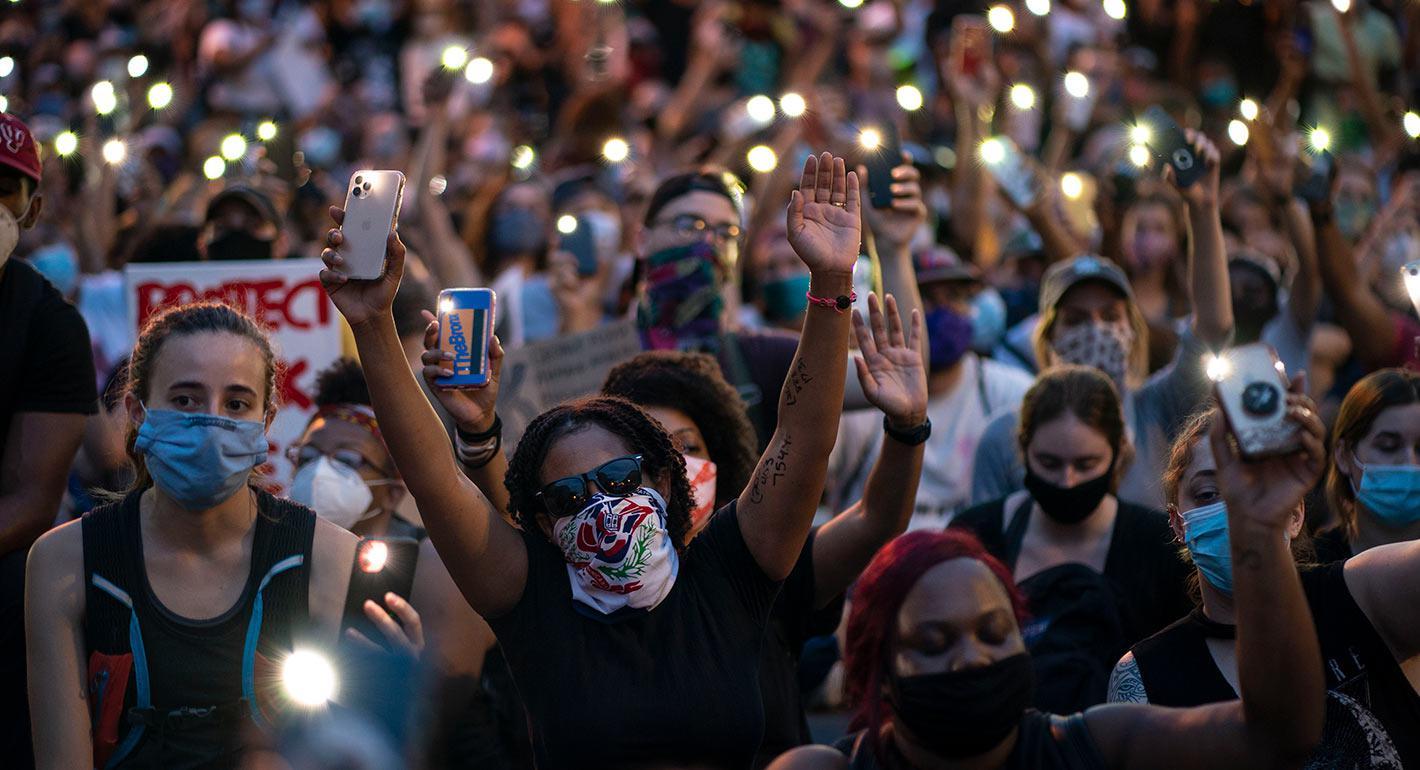
The murder of George Floyd has underscored the deep inequities that have long plagued American society. In a note to the Carnegie community, Bill Burns reflects on Carnegie’s commitment to build a more just future here at home and around the world, without which peace will remain beyond our grasp.

William J. Burns

While the world hoped this pandemic might lead to more cooperation between these two great powers, American and Chinese leaders instead fell into a blame game and allowed their increasing suspicions to guide their decision-making.
Lyu Jinghua

Biological viruses and computer malware differ in important respects. They have considerable potential to spread widely, invading, disrupting and destroying their targets.

Ariel (Eli) Levite, Lyu Jinghua