

Commentary
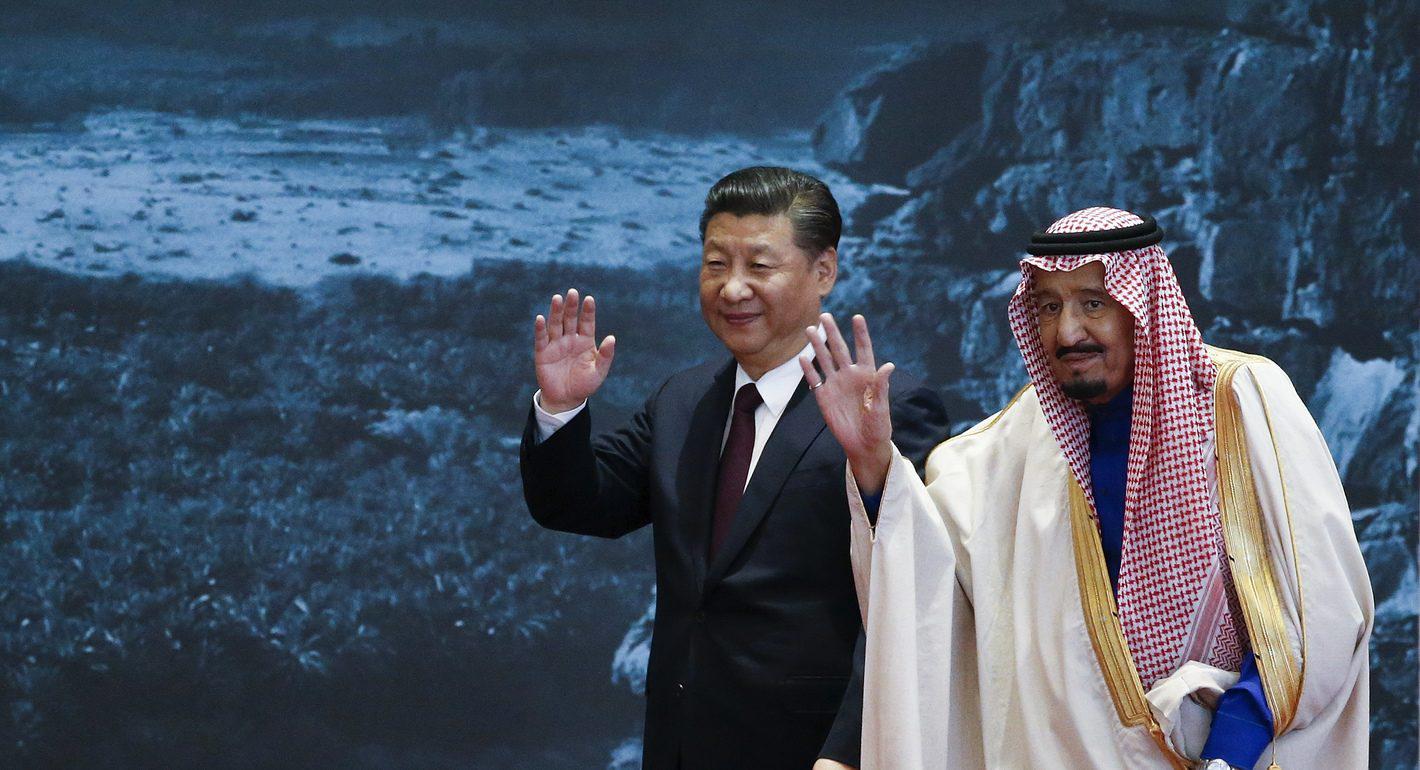
The advantage that China has over other global powers, especially America, is that its foreign policy is closely aligned with those of many of the Middle Eastern countries.
Jin Liangxiang, Maha Yahya, Hesham Alghannam
{
  "authors": [
    "Mohammed Herzallah",
    "Amr Hamzawy"
  ],
  "type": "legacyinthemedia",
  "centerAffiliationAll": "dc",
  "centers": [
    "Carnegie Endowment for International Peace"
  ],
  "collections": [],
  "englishNewsletterAll": "menaTransitions",
  "nonEnglishNewsletterAll": "",
  "primaryCenter": "Carnegie Endowment for International Peace",
  "programAffiliation": "MEP",
  "programs": [
    "Middle East"
  ],
  "projects": [],
  "regions": [
    "Middle East",
    "Egypt"
  ],
  "topics": [
    "Political Reform"
  ]
}
REQUIRED IMAGE
Recently the Egyptian Muslim Brotherhood issued a draft of its first ever political party platform, making major strides toward a comprehensive public policy program espousing freedom of expression and pluralistic politics - ideals that were previously immaterial to Islamist discourse in Egypt. While the Brotherhood remains a movement without a political party - barred by the Egyptian government and a constitutional prohibition against parties based on religious preferences - the movement's new party platform gives policymakers and experts plenty of reason to take notice.
Source: The Daily Star
Recently the Egyptian Muslim Brotherhood issued a draft of its first ever political party platform, making major strides toward a comprehensive public policy program espousing freedom of expression and pluralistic politics - ideals that were previously immaterial to Islamist discourse in Egypt. While the Brotherhood remains a movement without a political party - barred by the Egyptian government and a constitutional prohibition against parties based on religious preferences - the movement's new party platform gives policymakers and experts plenty of reason to take notice.
By and large, the platform advances a fairly progressive understanding of freedom of religion and expression, of property rights, and of women's enfranchisement. More than that, it advances the notion that the people are the source of state sovereignty - a clear departure from orthodox Islamic teachings that God is the undisputed origin of virtually all sovereignty.
Other key provisions in the document, however, have proven fiercely controversial among Egyptian intellectual and policy circles. Namely, the program calls for the establishment of a board of elected senior religious scholars with whom the president and the legislature would have to consult before authorizing any laws or decrees. This would effectively place the government under the scrutiny of an extra-constitutional entity. Setting aside accusations by critics that the Brotherhood is calling for an Iran-style theocratic state, the provision reveals a degree of regression in the movement's thinking from more moderate positions upheld by the movement's leadership in recent years.
Regrettably, the draft also contemplates legally sanctioned discrimination against women and non-Muslim citizens, who are explicitly denied the right to run for the highest executive offices - namely president and prime minister. The Muslim Brotherhood argues that these positions of authority involve religious duties that only Muslim men are enjoined to perform. Certainly, such a position represents a clear violation of the principle of equality, a fundamental element of modern democracies.
Nonetheless, the controversy obscures the fact that the Brotherhood's positions are not born out of animosity toward non-Muslims, women, or democracy, but stem from cultural and religious norms that are continuously debated and modified by the Brotherhood's leading members. To be sure, internal disputes over comprehensive equality, like many other disagreements over Shariah law, have yet to be settled, and the Brotherhood's leading members do not pretend otherwise in public.
An example that bears special emphasis is the new platform's endorsement of the right of the people, irrespective of their race, gender, religious or ideological affiliations, to form political parties and associations. Given that the founders of the movement were firmly opposed to factionalism and the political party system, the move illustrates the growing capacity of progressives within the Islamists' ranks to shape the movement's intellectual trajectory.
The story of today's Muslim Brotherhood is one of struggle to advance liberal thought in a culturally conservative, religiously oriented movement. But the group's religious inclinations are not entirely responsible for its somewhat sluggish march toward full-fledged commitment to liberal democracy. The Muslim Brotherhood's reluctance to reverse some of its controversial positions is also partly rooted in Egypt's hostile political environment. Since their strong showing in the 2005 election, the Muslim Brothers have been subjected to relentless government-sponsored waves of intimidation and repression. This has served to empower hard-liners and demoralize the forces of reconciliation and moderation among the Islamists.
Ultimately, when all is said and done, the movement that is today advocating freedom of expression and political participation has been once home to some of the darkest ideas ever to rock the precarious sphere of Arab politics, including those of Sayyed Qutb - who inspired the terrorist ideology of Osama bin Laden, Ayman al-Zawhri, and their Al-Qaeda followers. That the Brotherhood has renounced violence and relinquished the detrimental rhetoric of self-righteousness in the hopes of becoming legitimate political actors resembles the kind of raw and authentic progress that has been largely overlooked in the global war on terrorism; it should be welcomed, studied, and carefully cultivated.
Mohammed Herzallah is a junior research fellow at the Carnegie Endowment for International Peace. Amr Hamzawy is a senior associate at the Carnegie Endowment for International Peace. They wrote this commentary for THE DAILY STAR.
Mohammed Herzallah

Director, Middle East Program
Amr Hamzawy is a senior fellow and the director of the Carnegie Middle East Program. His research and writings focus on Egypt’s and other middle powers’ involvement in regional security in the Middle East, particularly through collective diplomacy and multilateral conflict resolution
Carnegie does not take institutional positions on public policy issues; the views represented herein are those of the author(s) and do not necessarily reflect the views of Carnegie, its staff, or its trustees.
The advantage that China has over other global powers, especially America, is that its foreign policy is closely aligned with those of many of the Middle Eastern countries.


Jin Liangxiang, Maha Yahya, Hesham Alghannam
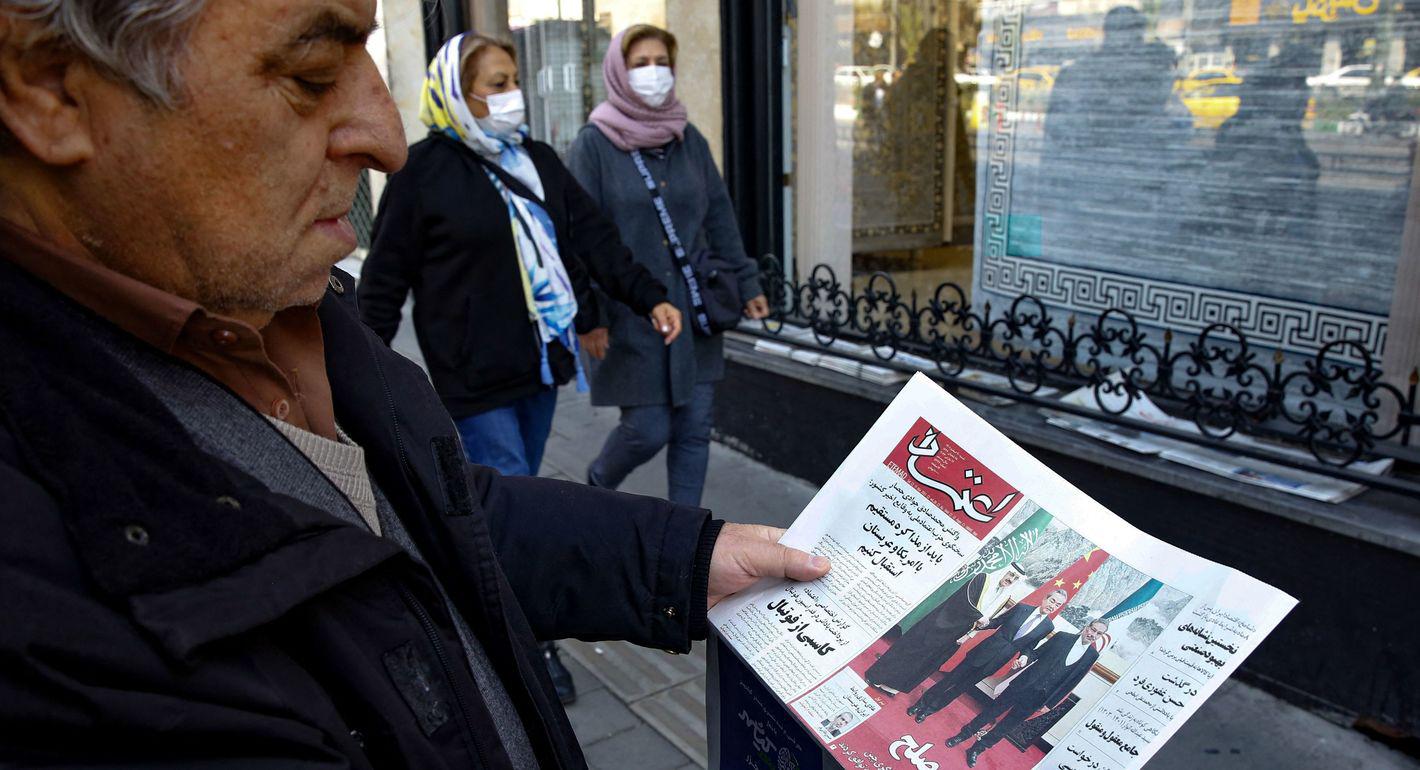
Transactional relationships are stable but can be shallow.


Paul Haenle, Maha Yahya, Benjamin Ho, …
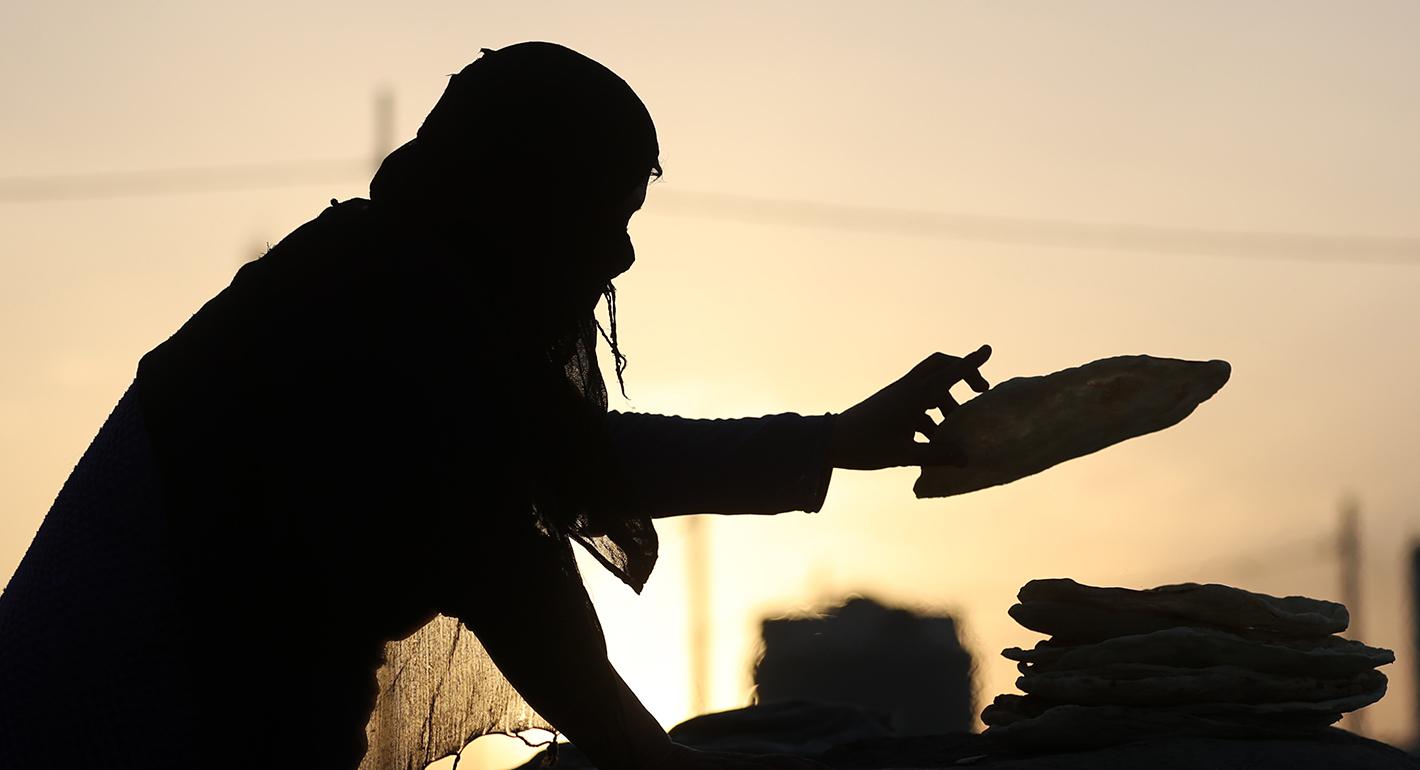
It’s about managing oil prices, bread prices, and strategic partnerships.


Amr Hamzawy, Karim Sadjadpour, Aaron David Miller, …
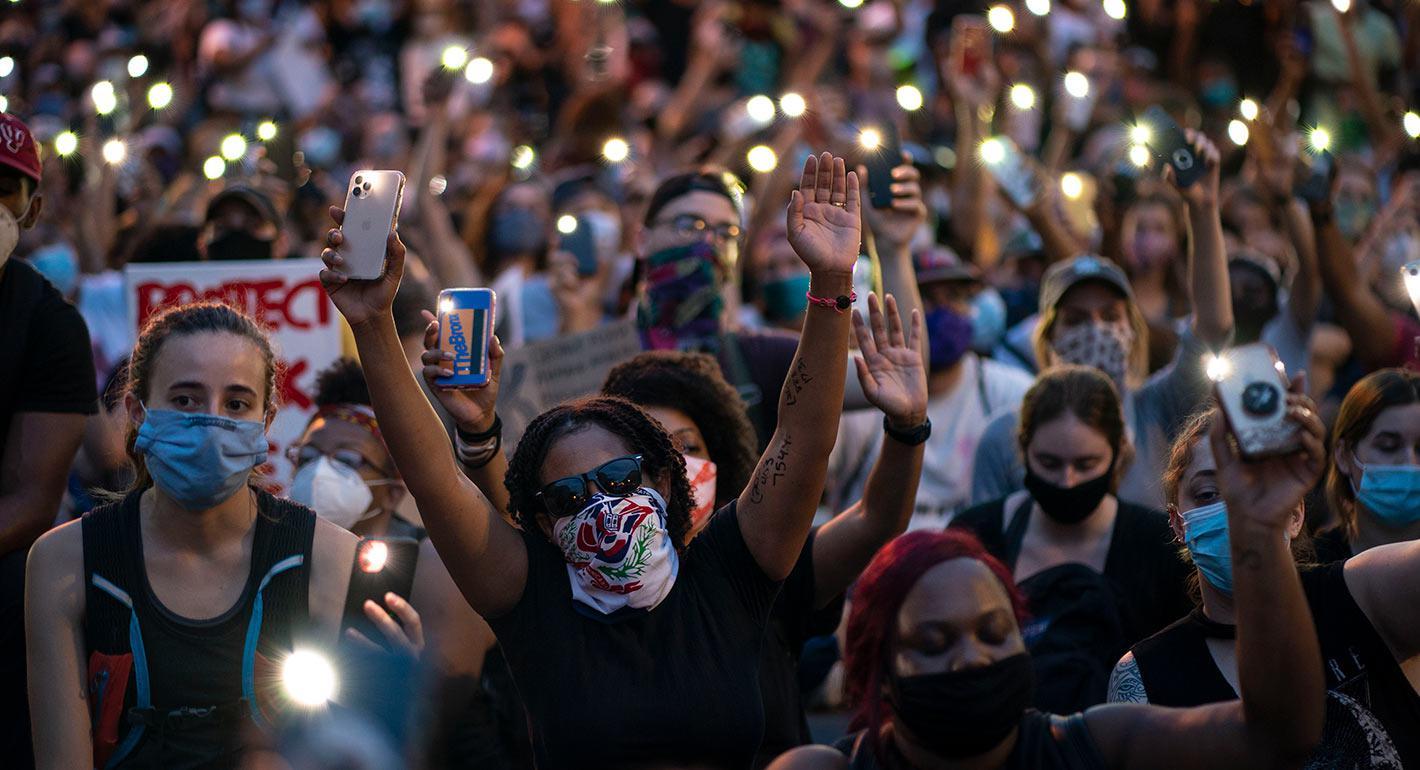
The murder of George Floyd has underscored the deep inequities that have long plagued American society. In a note to the Carnegie community, Bill Burns reflects on Carnegie’s commitment to build a more just future here at home and around the world, without which peace will remain beyond our grasp.
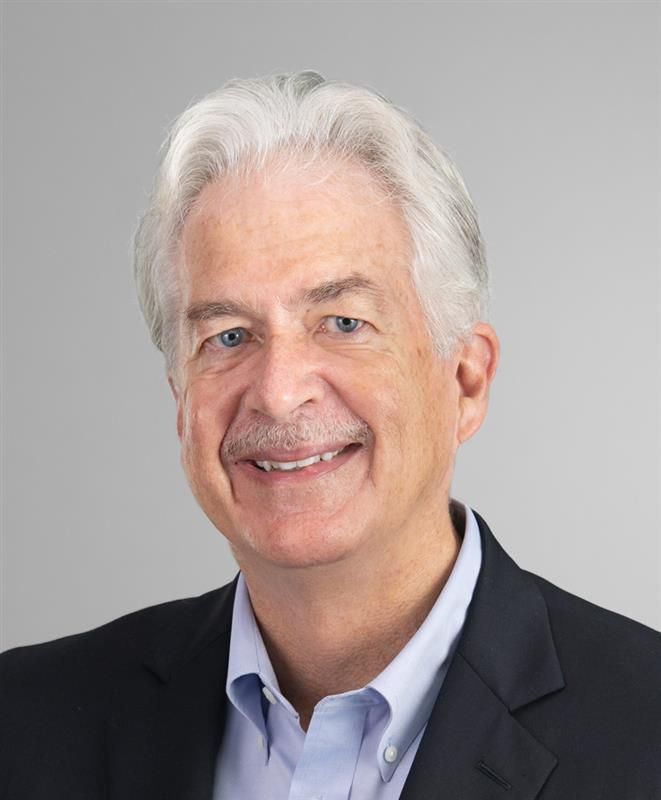
William J. Burns
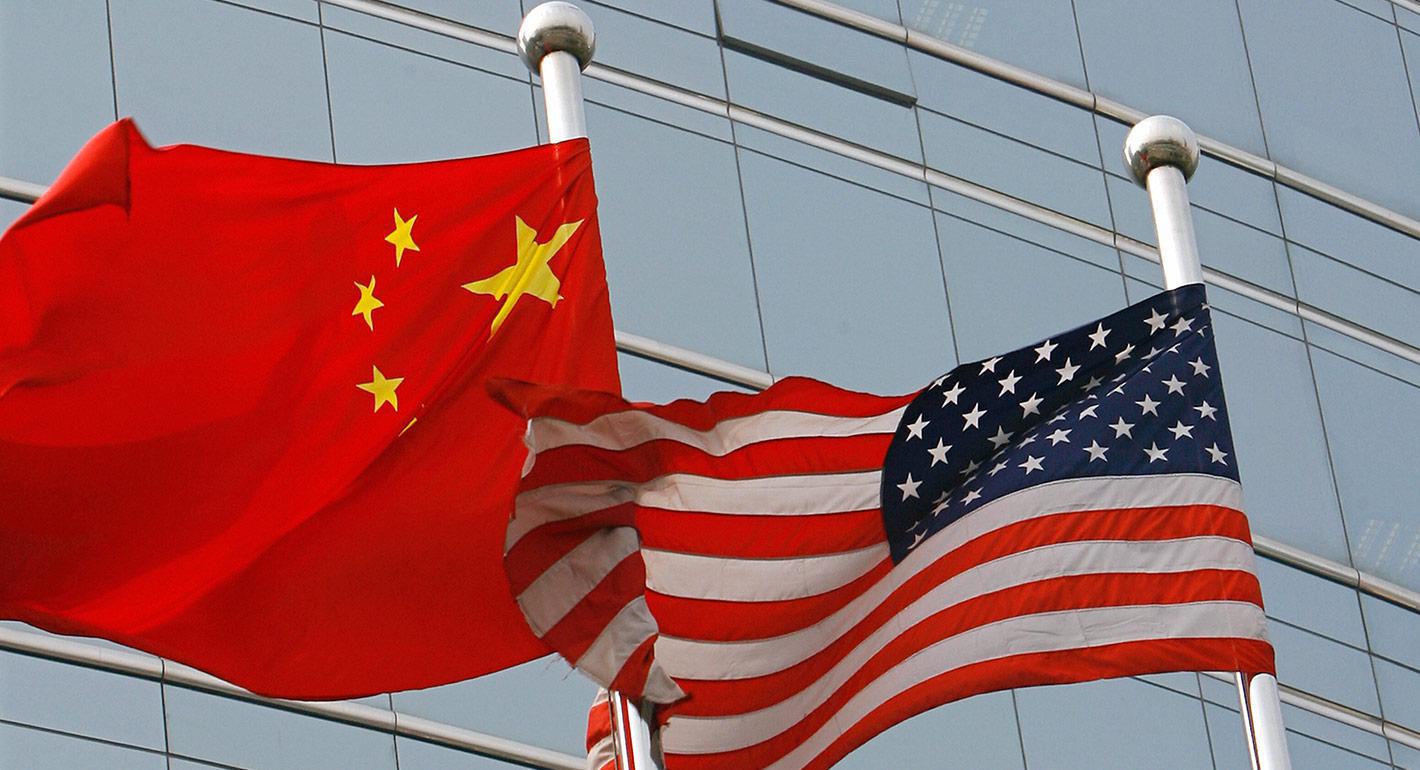
While the world hoped this pandemic might lead to more cooperation between these two great powers, American and Chinese leaders instead fell into a blame game and allowed their increasing suspicions to guide their decision-making.
Lyu Jinghua