

Other
Sharon Squassoni
{
  "authors": [
    "Sharon Squassoni"
  ],
  "type": "other",
  "centerAffiliationAll": "dc",
  "centers": [
    "Carnegie Endowment for International Peace"
  ],
  "collections": [],
  "englishNewsletterAll": "ctw",
  "nonEnglishNewsletterAll": "",
  "primaryCenter": "Carnegie Endowment for International Peace",
  "programAffiliation": "NPP",
  "programs": [
    "Nuclear Policy",
    "Sustainability, Climate, and Geopolitics"
  ],
  "projects": [],
  "regions": [
    "North America"
  ],
  "topics": [
    "Nuclear Policy",
    "Nuclear Energy"
  ]
}
REQUIRED IMAGE
Source: Presentation at the Carnegie Corporation
In a meeting on "Civilian Nuclear Energy in an Unstable, Carbon-Constrained World," sponsored by the Nonproliferation Policy Education Center (NPEC) on November 5, 2007, at the Carnegie Corporation, Carnegie Senior Associate Sharon Squassoni mapped out three different futures for nuclear energy expansion worldwide. With maps on reactor capacities, uranium enrichment, and spent fuel reprocessing from 2007 to 2050 (see attached slide presentation and appendix for more detailed data), Squassoni concluded that the proliferation consequences of a significant (2-3x current capacity) nuclear energy expansion could be serious. However, goals are unlikely to be met for structural reasons. Even in the absence of a significant expansion, the world could have many more "new" nuclear states, in regions of considerable proliferation concern.
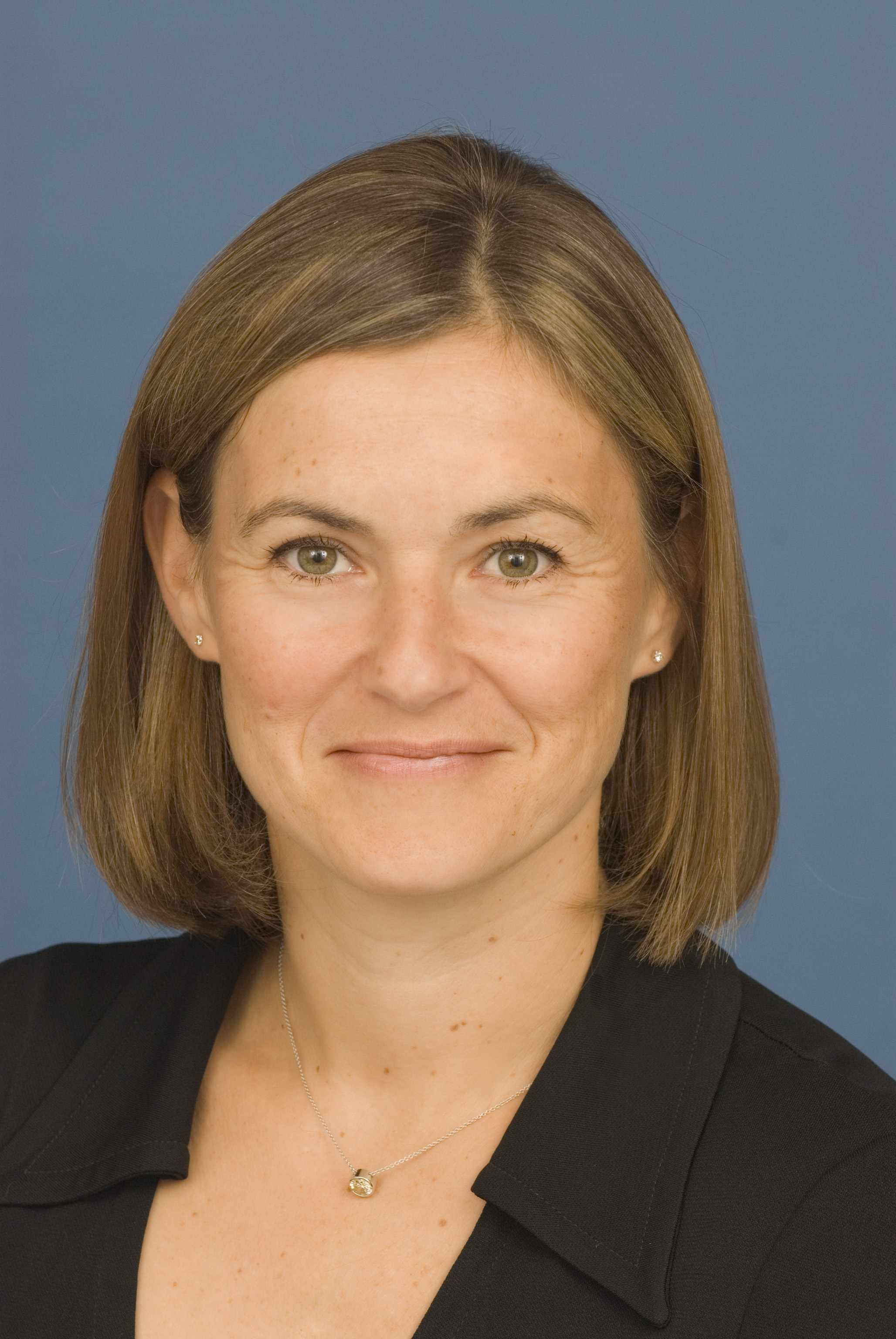
Former Senior Associate, Nuclear Policy Program
Squassoni came to Carnegie from the Congressional Research Service. She also served for nine years in the executive branch. Her last position at the State Department was director of Policy Coordination in the Nonproliferation Bureau.
Recent Work
Sharon Squassoni
Sharon Squassoni
Carnegie does not take institutional positions on public policy issues; the views represented herein are those of the author(s) and do not necessarily reflect the views of Carnegie, its staff, or its trustees.

The nuclear relationship between China and the United States is increasingly shaped by widening perception gaps rather than deliberate strategic design.

Tong Zhao
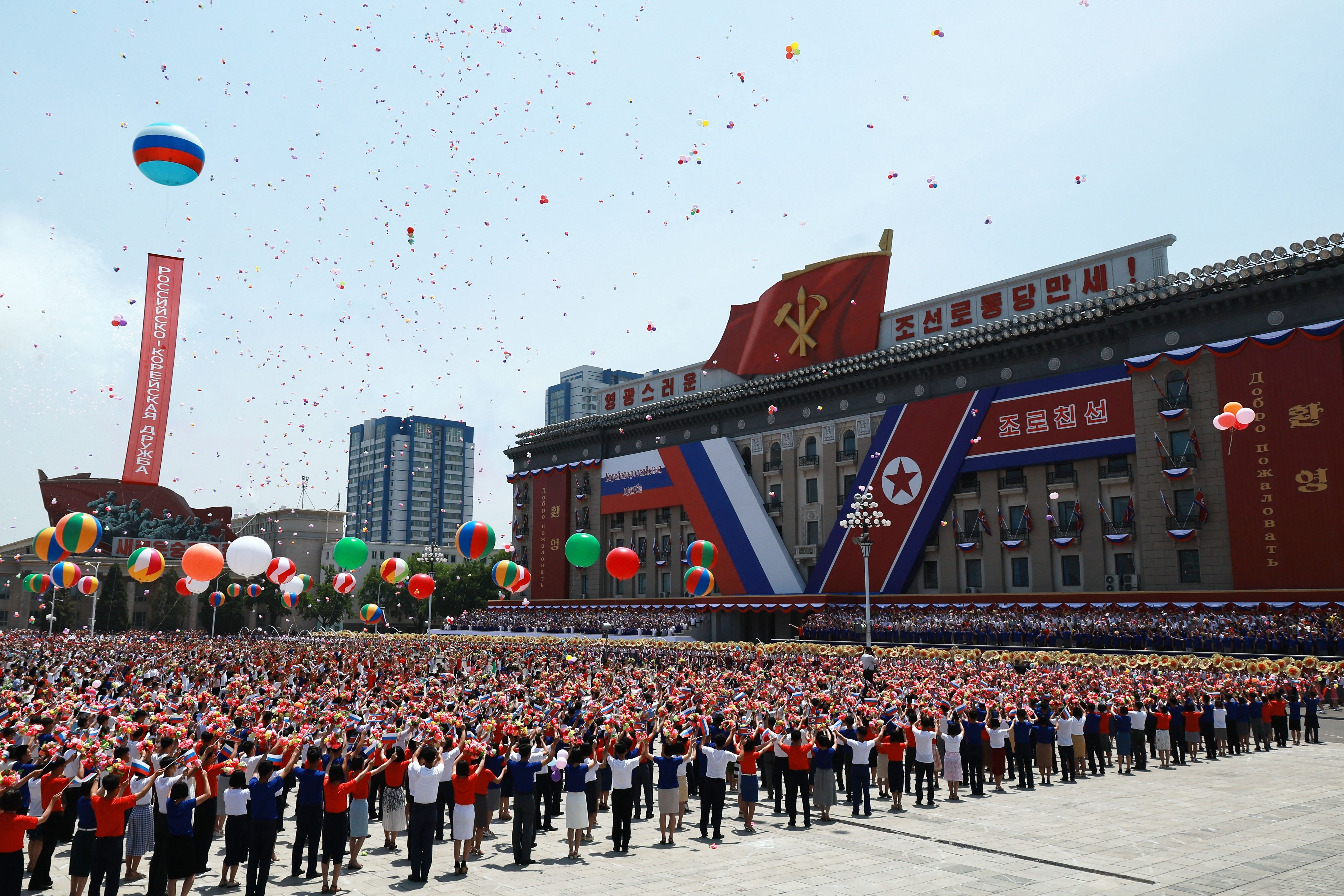
Faced with an increase in strategic maneuvering by Moscow and Pyongyang, Beijing will not sit idly by and allow Putin and Kim to shape the security environment on its behalf.
Tong Zhao
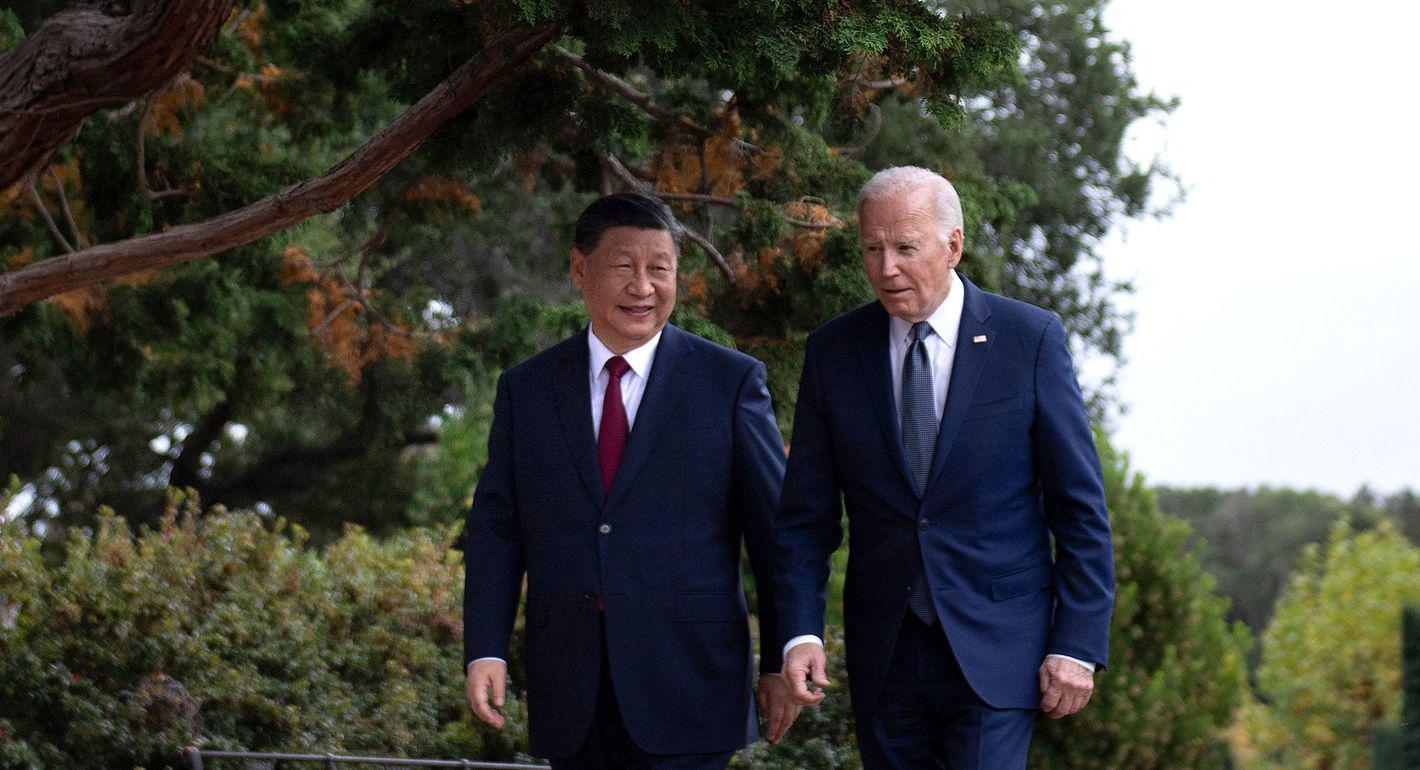
Carnegie China scholars share their assessment of the Biden-Xi meeting and its implications for U.S.-China relations going forward.



Paul Haenle, Xue Gong, Ngeow Chow Bing, …
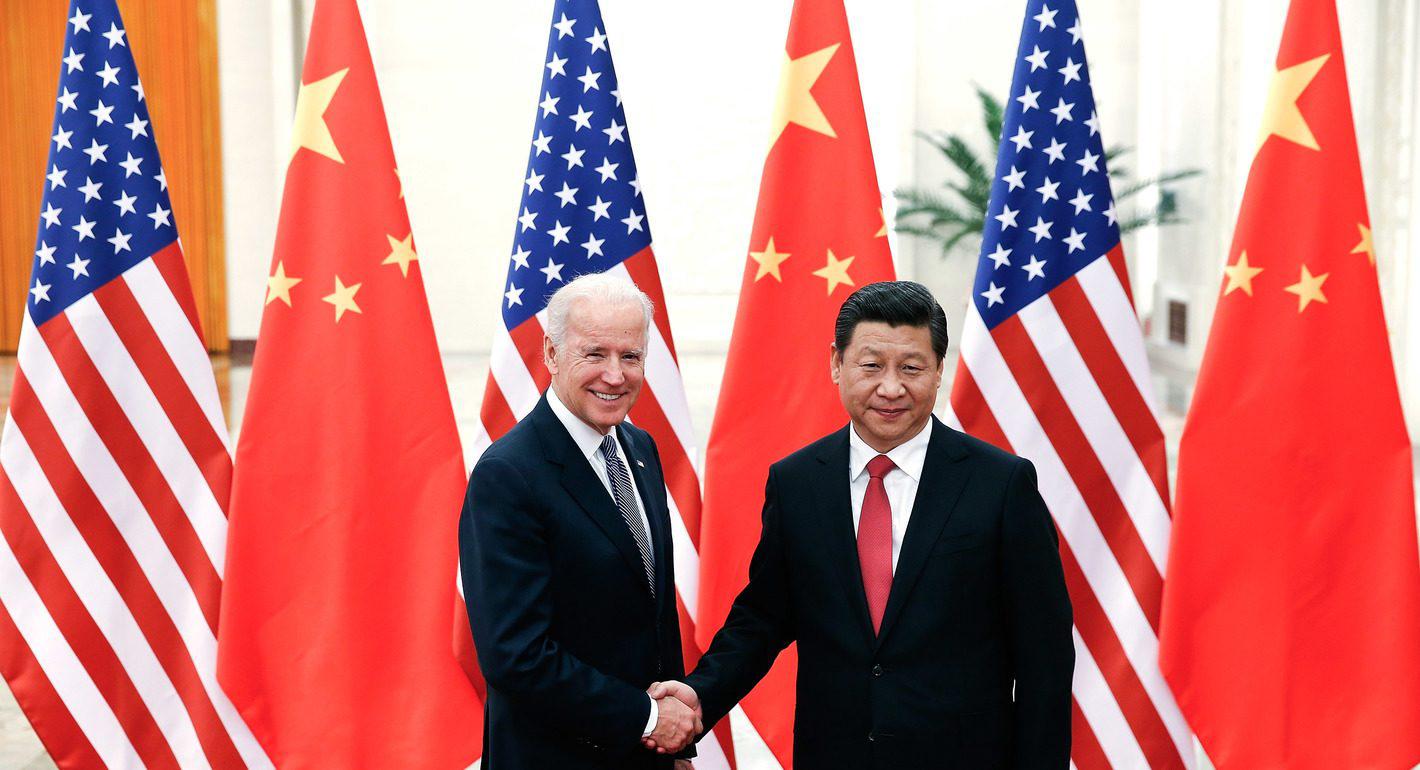
Southeast Asian capitals would prefer that the U.S. and PRC manage their relationship, if not get along.

Paul Haenle, Chong Ja Ian
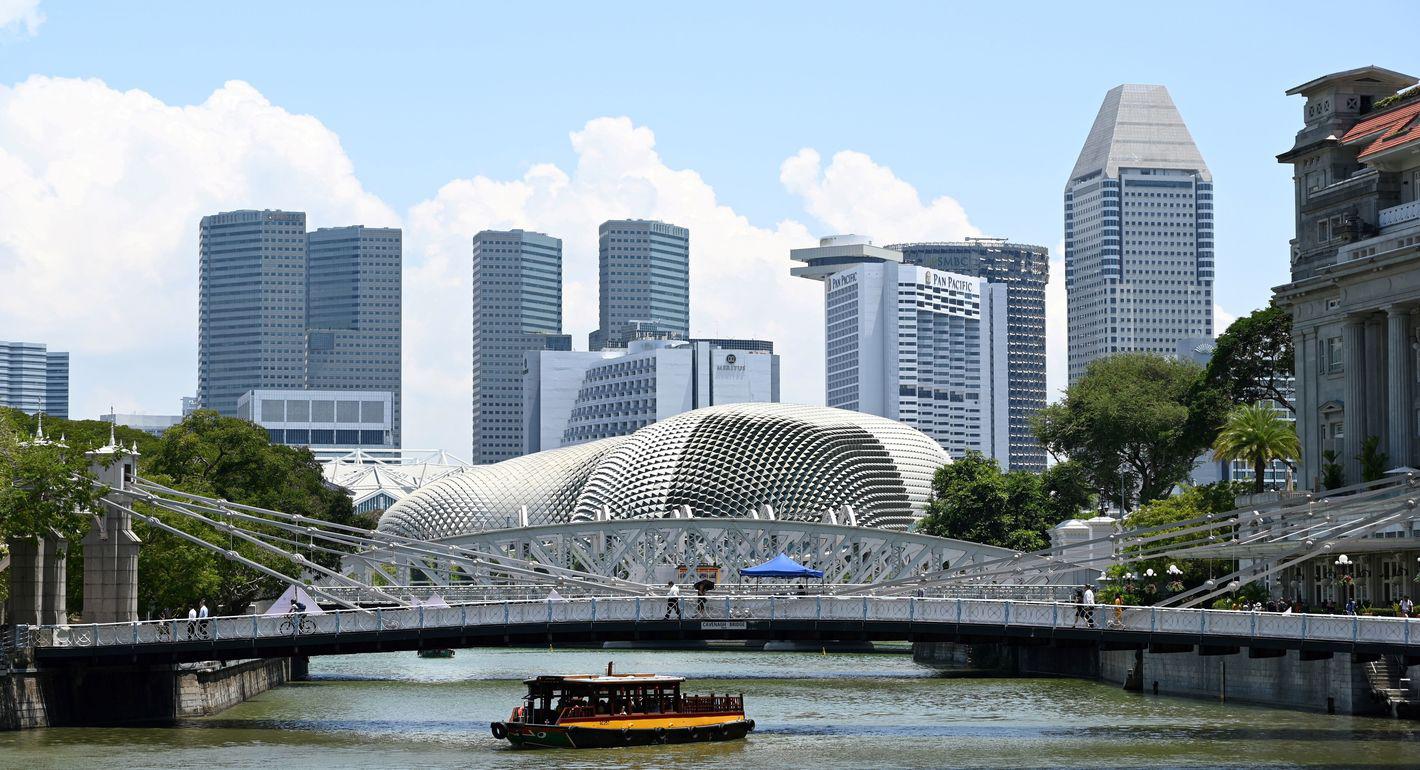
As the world undergoes a new round of fragmentation and major power rivalry that includes the advancing of divergent visions of global order, Singapore is discovering that its interests are increasingly being pulled in different directions.
Chong Ja Ian