

Other
Sharon Squassoni
{
  "authors": [
    "Sharon Squassoni"
  ],
  "type": "legacyinthemedia",
  "centerAffiliationAll": "dc",
  "centers": [
    "Carnegie Endowment for International Peace"
  ],
  "collections": [],
  "englishNewsletterAll": "ctw",
  "nonEnglishNewsletterAll": "",
  "primaryCenter": "Carnegie Endowment for International Peace",
  "programAffiliation": "NPP",
  "programs": [
    "Nuclear Policy",
    "Sustainability, Climate, and Geopolitics"
  ],
  "projects": [],
  "regions": [
    "North America"
  ],
  "topics": [
    "Climate Change",
    "Nuclear Policy",
    "Nuclear Energy"
  ]
}
Source: Getty
Although nuclear safety has improved significantly, nuclear energy’s inherent vulnerabilities regarding waste disposal, economic competitiveness, and proliferation remain. Moreover, nuclear security concerns have increased since the September 11, 2001 terrorist attacks.
Source: Arms Control Today
The headquarters of the International Atomic Energy Agency (IAEA) sits in the suburbs of Vienna, in the northeast corner of a country that has outlawed nuclear power plants since 1978. The irony of this situation masks deeper divisions in the nuclear energy debate, which recent assertions of a nuclear renaissance have papered over.
Concern about greenhouse gas emissions and energy security combined with forecasts of strong growth in electricity demand has awakened dormant interest in nuclear energy. Yet, the industry has not yet fully addressed the issues that have kept global nuclear energy capacity roughly the same for the last two decades. Although nuclear safety has improved significantly, nuclear energy’s inherent vulnerabilities regarding waste disposal, economic competitiveness, and proliferation remain. Moreover, nuclear security concerns have increased since the September 11, 2001 terrorist attacks.
This article originally appeared in Arms Control Today.
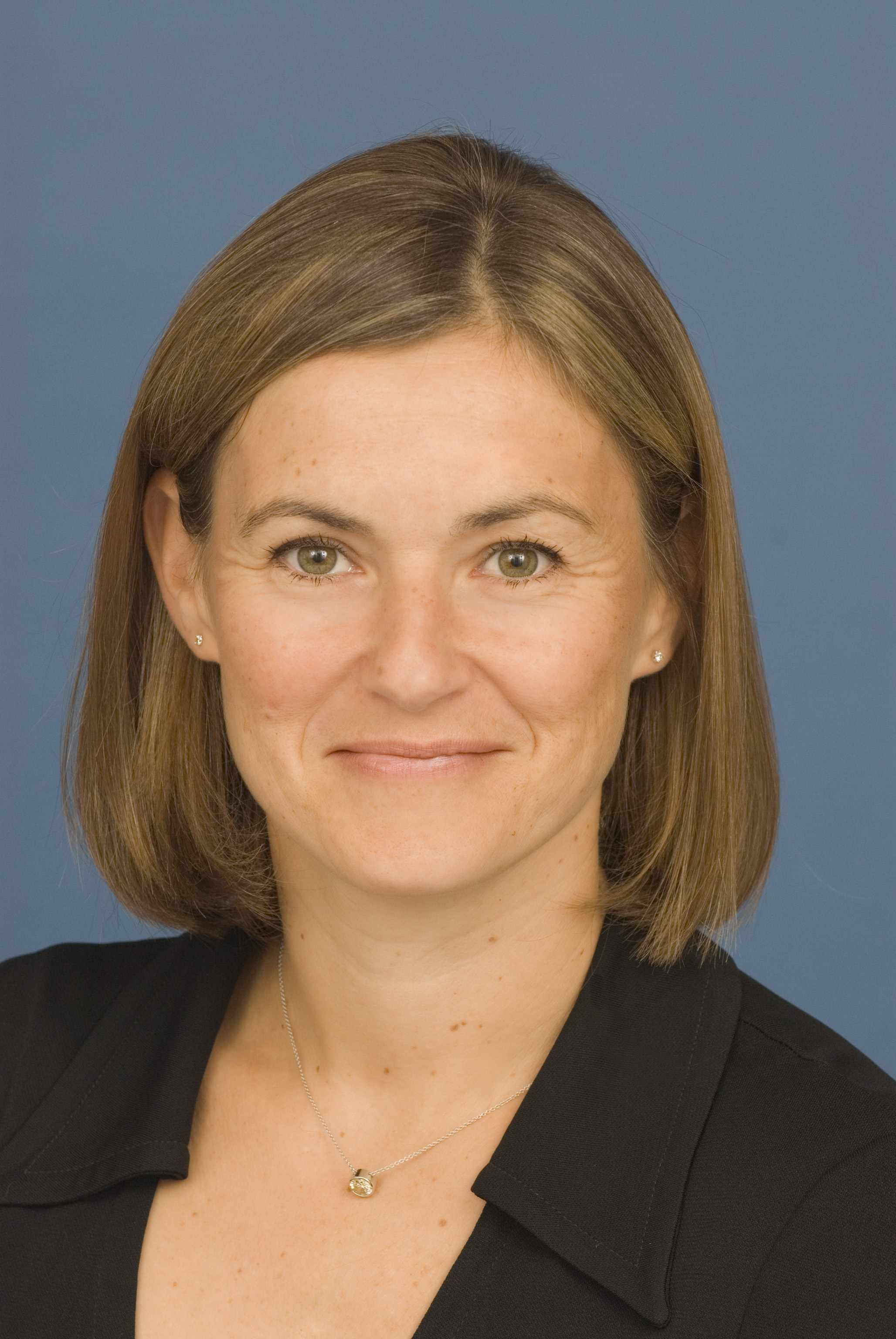
Former Senior Associate, Nuclear Policy Program
Squassoni came to Carnegie from the Congressional Research Service. She also served for nine years in the executive branch. Her last position at the State Department was director of Policy Coordination in the Nonproliferation Bureau.
Recent Work
Sharon Squassoni
Sharon Squassoni
Carnegie does not take institutional positions on public policy issues; the views represented herein are those of the author(s) and do not necessarily reflect the views of Carnegie, its staff, or its trustees.
Faced with an increase in strategic maneuvering by Moscow and Pyongyang, Beijing will not sit idly by and allow Putin and Kim to shape the security environment on its behalf.

Tong Zhao
Carnegie China scholars share their assessment of the Biden-Xi meeting and its implications for U.S.-China relations going forward.



Paul Haenle, Xue Gong, Ngeow Chow Bing, …
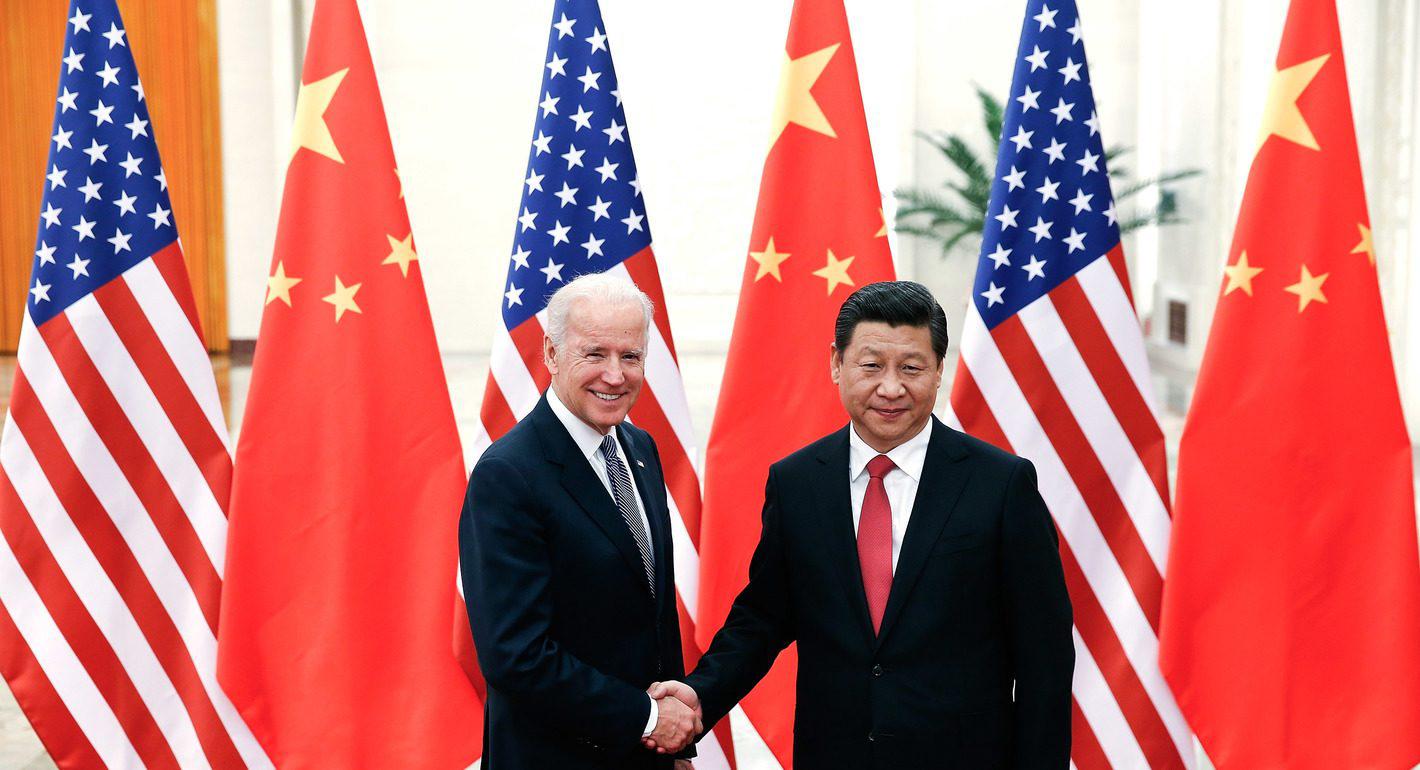
Southeast Asian capitals would prefer that the U.S. and PRC manage their relationship, if not get along.

Paul Haenle, Chong Ja Ian
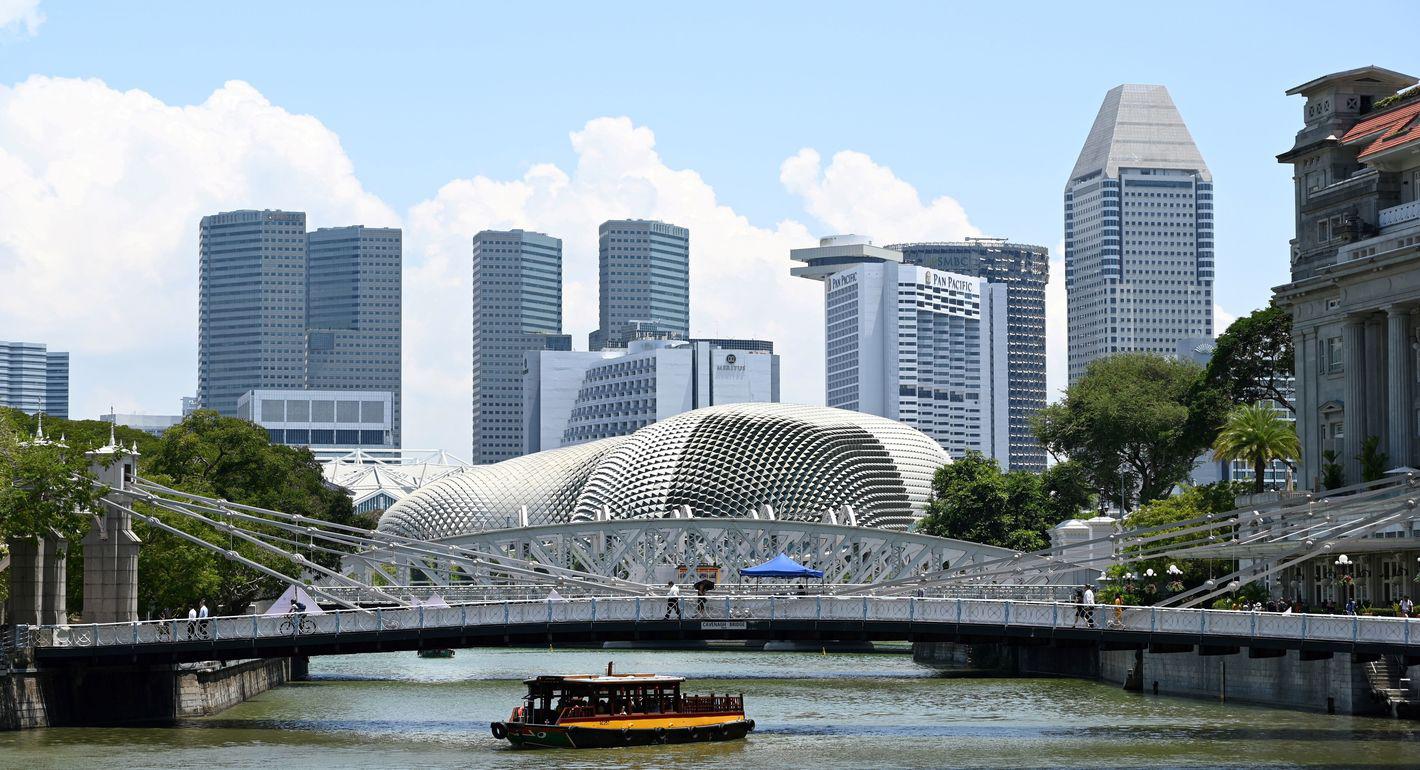
As the world undergoes a new round of fragmentation and major power rivalry that includes the advancing of divergent visions of global order, Singapore is discovering that its interests are increasingly being pulled in different directions.
Chong Ja Ian
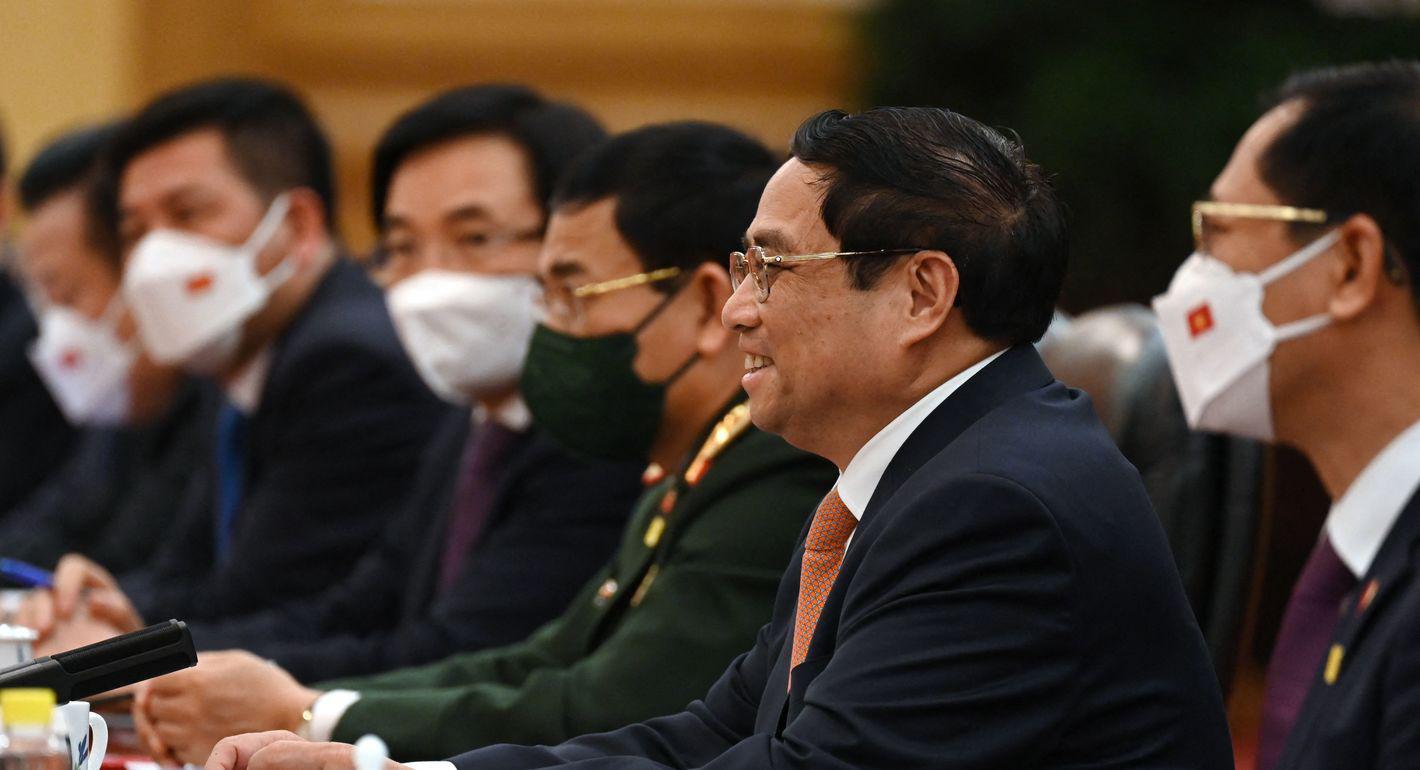
There is a certain level of restraint, but there is also a lingering distrust.
Paul Haenle, Huong Le Thu