

Commentary
Amr Hamzawy
{
  "authors": [
    "Amr Hamzawy"
  ],
  "type": "legacyinthemedia",
  "centerAffiliationAll": "dc",
  "centers": [
    "Carnegie Endowment for International Peace"
  ],
  "collections": [],
  "englishNewsletterAll": "menaTransitions",
  "nonEnglishNewsletterAll": "",
  "primaryCenter": "Carnegie Endowment for International Peace",
  "programAffiliation": "MEP",
  "programs": [
    "Middle East"
  ],
  "projects": [],
  "regions": [
    "Middle East"
  ],
  "topics": [
    "Political Reform",
    "Democracy"
  ]
}
Source: Getty
A substantial majority of the audience at the first of the new series of Doha Debates was convinced that progress towards democracy in the Arab world has come to a halt. An audience of nearly 350 people from states throughout the Middle East voted 64 percent in favour of the motion which heard deep concerns that democracy was not only at a standstill but had regressed from a more liberal era.
Source: The Doha Debates

An audience of nearly 350 people from states throughout the Middle East voted 64 per cent in favour of the motion which heard deep concerns that democracy was not only at a standstill but had regressed from a more liberal era.
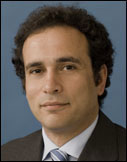
Dr. Amr Hamzawy, an Egyptian political scientist and Senior Associate at the Carnegie International Endowment for Peace, speaking for the motion, said modern Arab states lacked the checks and balances for parliaments and the judiciary that are fundamental to democracy.
Arguing that freedom of speech and the rule of law had not been established in the vast majority of Arab states, Dr. Hamzawy said “from Morocco to Bahrain opposition movements are weak, vulnerable and manipulated by ruling establishments.”
He said there were no excuses for not having moved further and faster to democratisation. “We’ve had enough time. There are long periods of liberalisation in our history. We were at more advanced stages in the 20’s 30’s and 40’s than now. Look at Greece and Chile who have made it.’
Dr. Mustafa Hamarneh, CEO of the media company Al Mada, which publishes Jordan’s weekly Al Sijill newspaper, also supporting the motion, said Arab states saw everything from the perspective of the security apparatus.
“We have been unable to build modern Arab states based on equality and rule of law. We don’t see independent media flourishing and the education system is in a shambles. We are at a critical stage in our development.”
Speaking against the motion, May Chidiac, a Lebanese television presenter and journalist who lost her left leg and one of her hands when her car was blown up north of Beirut in 2005, argued that Bahrain, Lebanon and Kuwait, where women now have the vote, had moved substantially towards democracy in comparison to their position 10 years ago.
“I lost a hand and I lost a leg, but I still believe we respect freedom of expression in Lebanon.”
She said democracy in the Arab world was a case of taking small steps and waiting for the right moment, as with the Syrian withdrawal from Lebanon. “It is up to the people to resist despotic governments. Sometimes peacefully, sometimes in a different way.”
Dr. Salah Al-Shaikhly, Iraq’s first ambassador to London following the fall of Saddam Hussein, said he believed many Arab rulers were now “wary of blatant violations of human rights and that “rumours of the death of democracy in the Arab world were highly exaggerated.”
But neither Ms Chidiac nor Dr. Al-Shaikhly were able to refute arguments put by the Chairman Tim Sebastian and members of the audience who asked them to provide examples of a single Arab leader who had been voted out of office by popular suffrage.

Director, Middle East Program
Amr Hamzawy is a senior fellow and the director of the Carnegie Middle East Program. His research and writings focus on Egypt’s and other middle powers’ involvement in regional security in the Middle East, particularly through collective diplomacy and multilateral conflict resolution
Recent Work
Amr Hamzawy
Amr Hamzawy
Carnegie does not take institutional positions on public policy issues; the views represented herein are those of the author(s) and do not necessarily reflect the views of Carnegie, its staff, or its trustees.
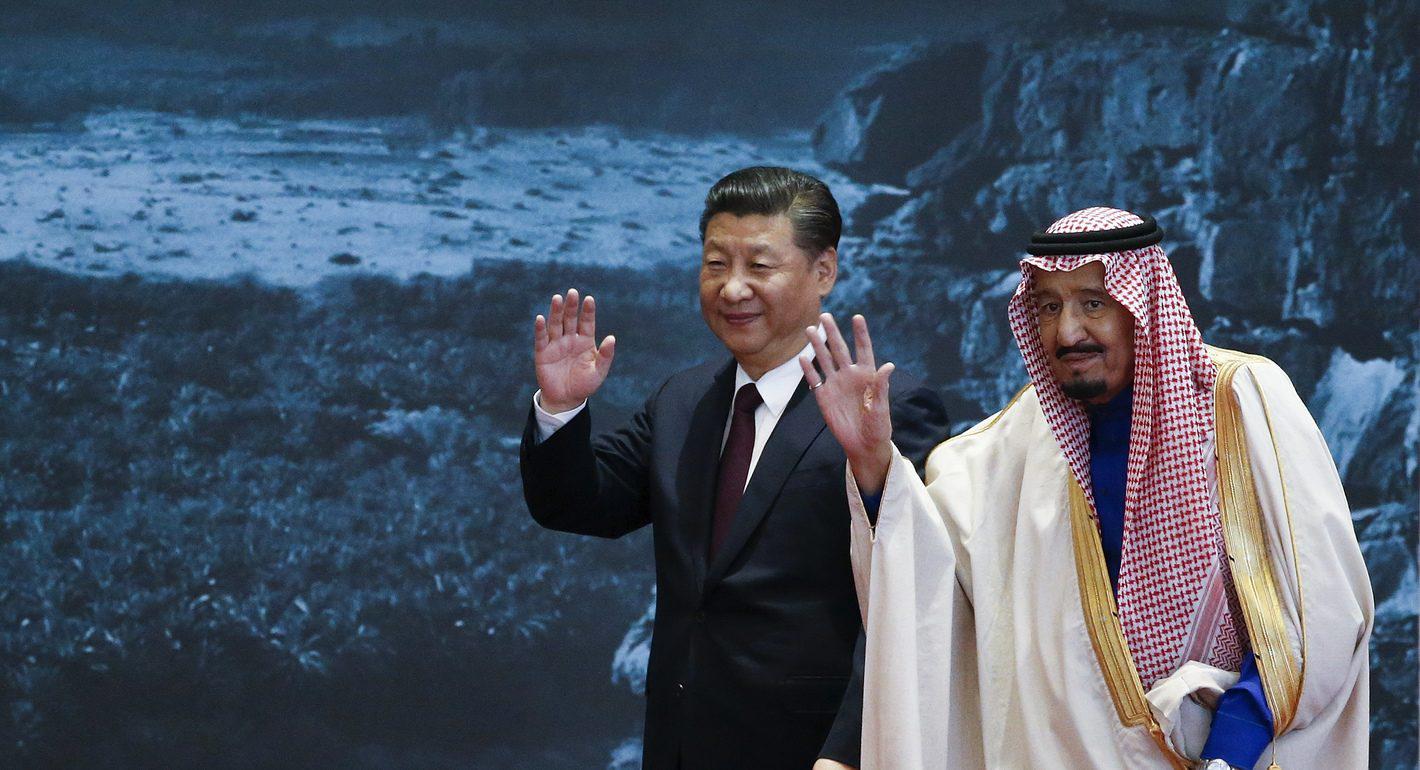
The advantage that China has over other global powers, especially America, is that its foreign policy is closely aligned with those of many of the Middle Eastern countries.


Jin Liangxiang, Maha Yahya, Hesham Alghannam

Transactional relationships are stable but can be shallow.


Paul Haenle, Maha Yahya, Benjamin Ho, …
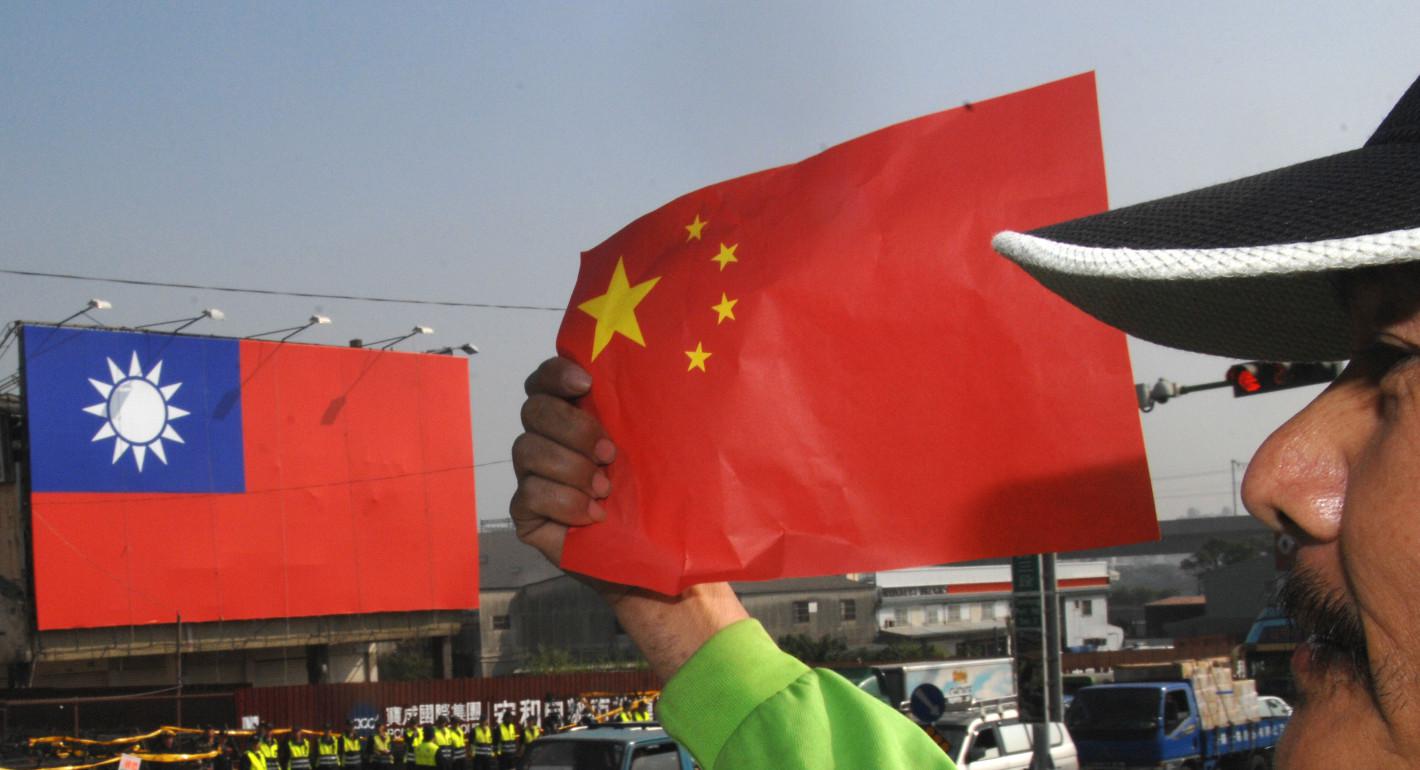
Beijing says that over 180 countries accept its “one China principle” regarding Taiwan, but the reality is more complicated.

Chong Ja Ian
Beijing must choose between preserving its pandemic narrative or facing more unrest.
Paul Haenle

It’s about managing oil prices, bread prices, and strategic partnerships.


Amr Hamzawy, Karim Sadjadpour, Aaron David Miller, …