

Paper
Sarah Yerkes, Natalie Triche, Amr Hamzawy
{
  "authors": [
    "Amr Hamzawy"
  ],
  "type": "commentary",
  "blog": "Emissary",
  "centerAffiliationAll": "dc",
  "centers": [
    "Carnegie Endowment for International Peace"
  ],
  "englishNewsletterAll": "menaTransitions",
  "nonEnglishNewsletterAll": "",
  "programAffiliation": "MEP",
  "programs": [
    "Middle East"
  ],
  "regions": [
    "Middle East",
    "Egypt",
    "China"
  ],
  "topics": [
    "Foreign Policy",
    "Domestic Politics",
    "Economy",
    "Trade",
    "Security"
  ]
}
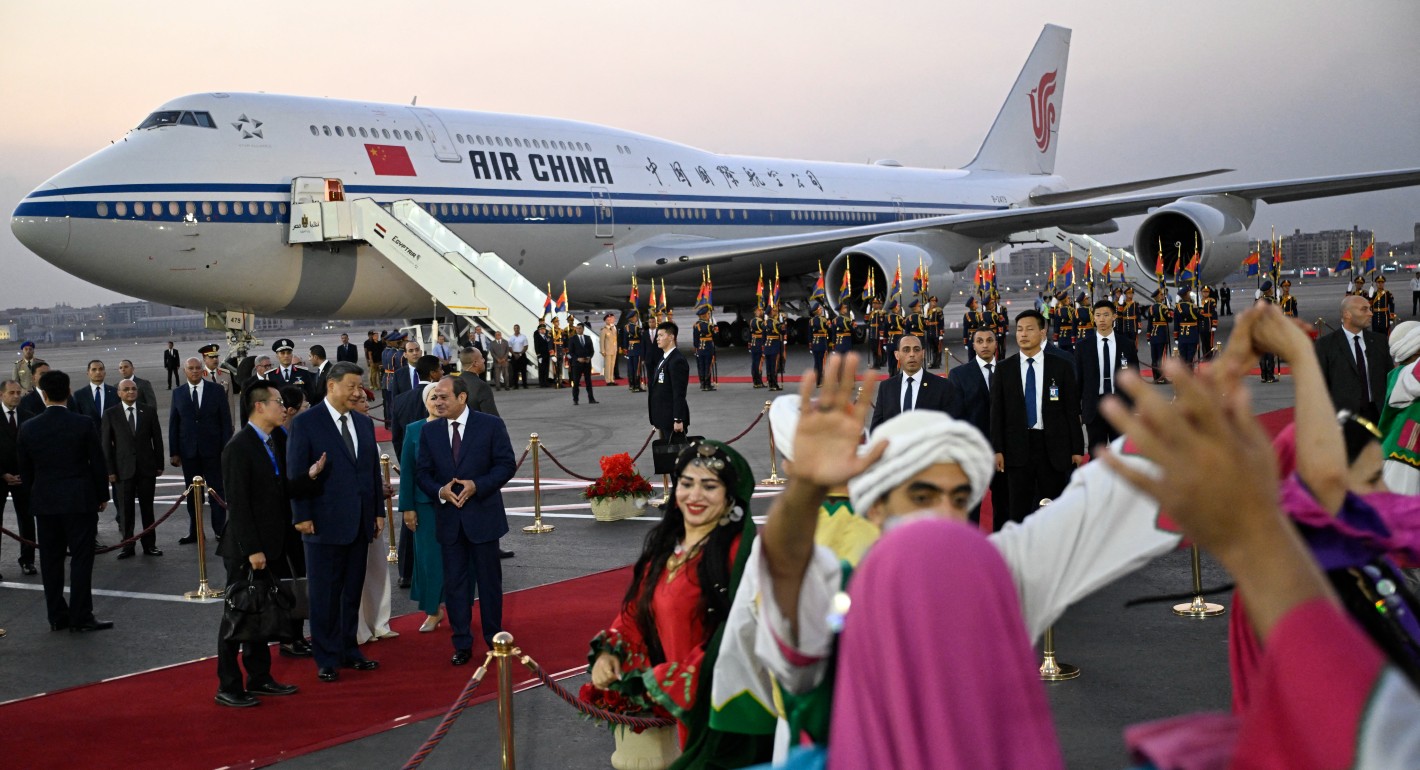
Xi and Al-Sisi watch Egyptian artists perform at the Cairo International Airport on September 1, 2026. (Photo by Khaled Desouki/pool/AFP via Getty Images)
Amid celebrations of bilateral ties was a deeper focus on stability in the Middle East.
Earlier this week, Chinese President Xi Jinping paid an official visit to Egypt. The trip was ostensibly to mark the seventieth anniversary of diplomatic ties between the two countries and to celebrate their growing economic and security partnership. But the visit also came amid ongoing wars and conflicts in the Middle East that have challenged the two countries’ strategic interest in regional stability and peace. Despite the anniversary pomp and celebratory atmosphere, the Middle East’s turmoil was the real motive for the deepening strategic partnership—but neither Cairo nor Beijing is looking for exclusivity.
Egypt, a regional power surrounded by either wars or civil war, has worked hard in the past few years to defend its national security interests in a violent and volatile Middle East. It has seen one of its major economic assets, the Suez Canal, lose over 60 percent of its revenues due to the wider impacts of the Israeli war on Gaza and the ramifications of the U.S.-Iran war. China, Egypt’s top trading partner, has seen its energy supplies from the Gulf jeopardized due to the Strait of Hormuz closure and the ongoing military confrontation between the United States and Iran. It has had to reroute its Middle East exports due to disruptions in the Gulf, at the southern entry point of the Red Sea, and the Suez Canal. As a result, the two countries have a shared interest in stability and peace in the Middle East—an interest that emanates from key foreign policy premises and longstanding diplomatic traditions.
Since the signing of its peace agreement with Israel in 1979, Egypt has been invested in using diplomacy, mediation, and other conflict resolution tools to incentivize peace for Israel and the Palestinians, for Israel and its other Arab neighbors, and for the Arabs of the Gulf and their hegemonic neighbor Iran. China has developed friendly relations with all countries of the Middle East and promoted strategic partnerships with key regional powers. It has deepened economic, trade, technology, and security ties with countries as different as Israel and Iran. Diplomacy and mediation, next to economic and trade relations, have been China’s main tools to create more influence in the Middle East. In the past several years, China—staying true to its noninterventionist policies and its objection to the use of military force in Middle Eastern conflicts—has portrayed itself as a peace-committed superpower, working with regional powers to solve their conflicts nonviolently and to develop collective security arrangements that they can manage autonomously. In doing so, China under Xi has systematically juxtaposed its role in the Middle East to the interventionist and military force–driven role of its global competitor, the United States.
During Xi’s visit, these different threads came together in two days full of diplomatic symbolism and political messages from both sides. Egyptian President Abdel Fattah al-Sisi and his wife personally greeted the Chinese president and his wife at Cairo International Airport, which was festively decorated to commemorate the bilateral anniversary. Xi moved across the Egyptian capital using his luxury limousine, the Red Flag, emulating the superpower allure of U.S. presidents in their international visits. The Egyptian presidential couple accompanied their Chinese counterparts on a tour of the newly inaugurated Grand Egyptian Museum, all pausing as they came face-to-face with King Tut’s legendary treasures.
The two countries signed twenty-five bilateral agreements to deepen their economic, trade, technology, security, and military ties. Most significantly, China and Egypt agreed to link Egypt’s state-sponsored, long-term developmental strategy, Vision 2030, to the Chinese Belt and Road Initiative for the Global South and to enlarge the Chinese–Egyptian economic zone at the Suez Canal. As members of the BRICS, China and Egypt committed to increase bilateral trade using local currencies—a measure that helps Egypt reduce its dependency on the U.S. dollar. Also noteworthy with regard to the growing military cooperation between the two countries is the fact that Xi’s visit came only a few days after the second-ever joint air force training, Eagles of Civilization, in which Chinese fighter jets and Egyptian-owned, Western-manufactured fighter jets simulated combat situations.
In the joint communique at the end of the visit, Egypt renewed its longstanding diplomatic commitment to the One China principle. In return, Xi committed China to a recognition of Egypt’s water security and rights to the water resources of the Nile. Given the ongoing conflict over the equitable distribution of the Nile resources between Ethiopia and Egypt and the perceived pro-Ethiopian Chinese diplomatic position, this shift signifies an important change that Egypt can count on in its future diplomatic attempts to commit Ethiopia to a negotiated bargain regarding the Nile.
Despite this heavy diplomatic symbolism and the many political messages that Xi’s visit generated, both Egypt and China continue to be invested in their strategic partnerships and important relations with other partners—globally for Cairo and regionally for Beijing. Deepening its partnership with Beijing does not mean that Cairo is giving up on its strategic relations with the United States. Washington continues to be a hugely important partner for Cairo from a military and diplomatic cooperation perspective, in all matters related to regional stability—in Israel and Palestine, in Libya, and in Sudan, as well as with regard to regional security in the Middle East. China, for its part, has developed strategic partnerships with Iran, Turkey, and the Arab Gulf countries, and it has stable relations with Israel.
But unlike back in the 1950s and 1960s when it was the key Middle Eastern ally for the Soviet Union, Egypt is not angling to be China’s prime ally in the Middle East. It will remain a key ally among a plurality of allies. By the same token, Egypt will not drop its strategic partnership with the United States for the sake of China. Cairo is diversifying its partnerships and cooperation schemes, including in all military and technology matters, without binding itself to a patron superpower.
China’s influence in the Middle East is on the rise, and Egypt’s international partnerships amid regional turmoil in the Middle East are growing. Those are the two key takeaways of Xi’s visit to Egypt.
The latest from Carnegie scholars on the world’s most pressing challenges, delivered to your inbox.

Director, Middle East Program
Amr Hamzawy is a senior fellow and the director of the Carnegie Middle East Program. His research and writings focus on Egypt’s and other middle powers’ involvement in regional security in the Middle East, particularly through collective diplomacy and multilateral conflict resolution
Recent Work

Sarah Yerkes, Natalie Triche, Amr Hamzawy
Amr Hamzawy
Carnegie does not take institutional positions on public policy issues; the views represented herein are those of the author(s) and do not necessarily reflect the views of Carnegie, its staff, or its trustees.
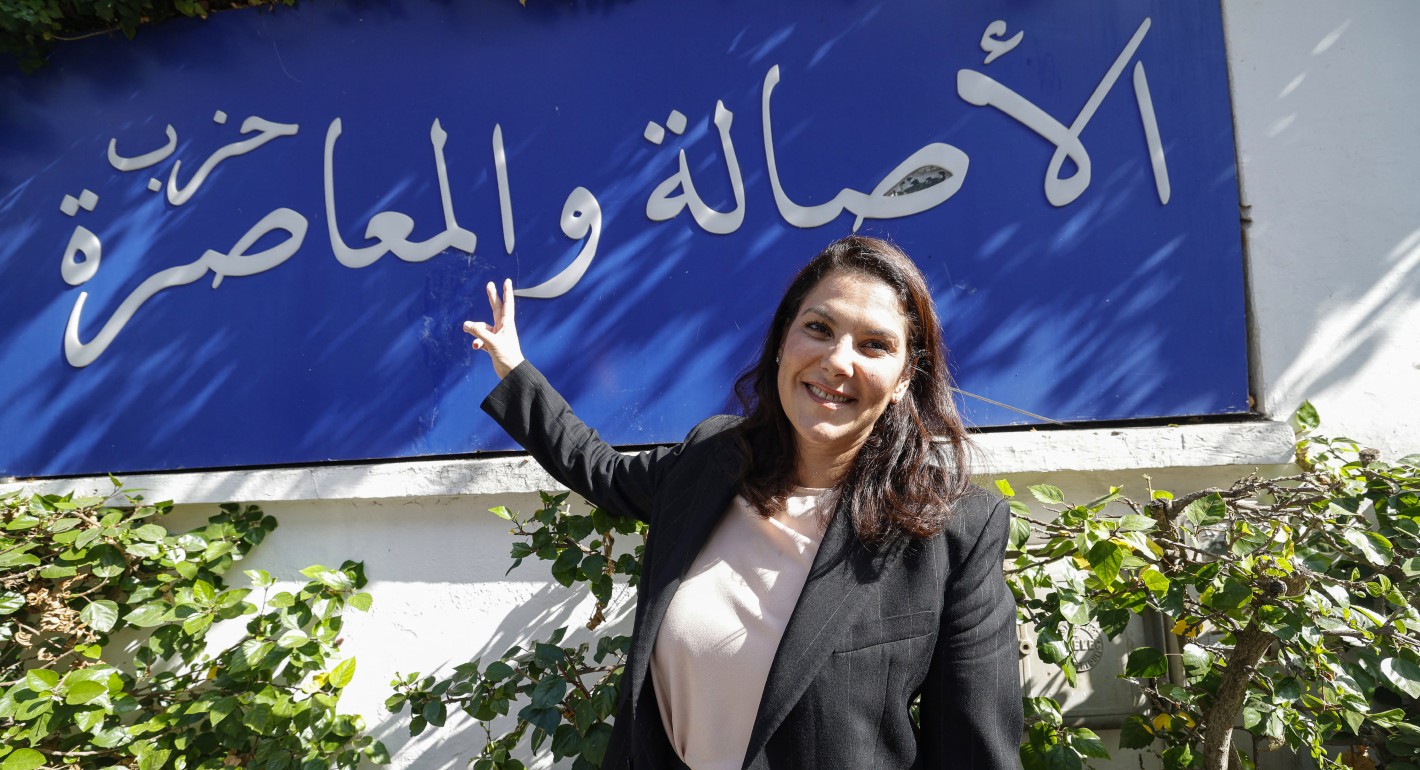
Fatima El Mansouri is the country’s first female prime minister. She’s also a privileged insider in a largely ceremonial position.
Sarah Yerkes

The Horn of Africa countries are among those facing a new security calculus.


Andrew Leber, Lesley Anne Warner

The books, podcasts, and films that explain the world it made.
Andrew Leber
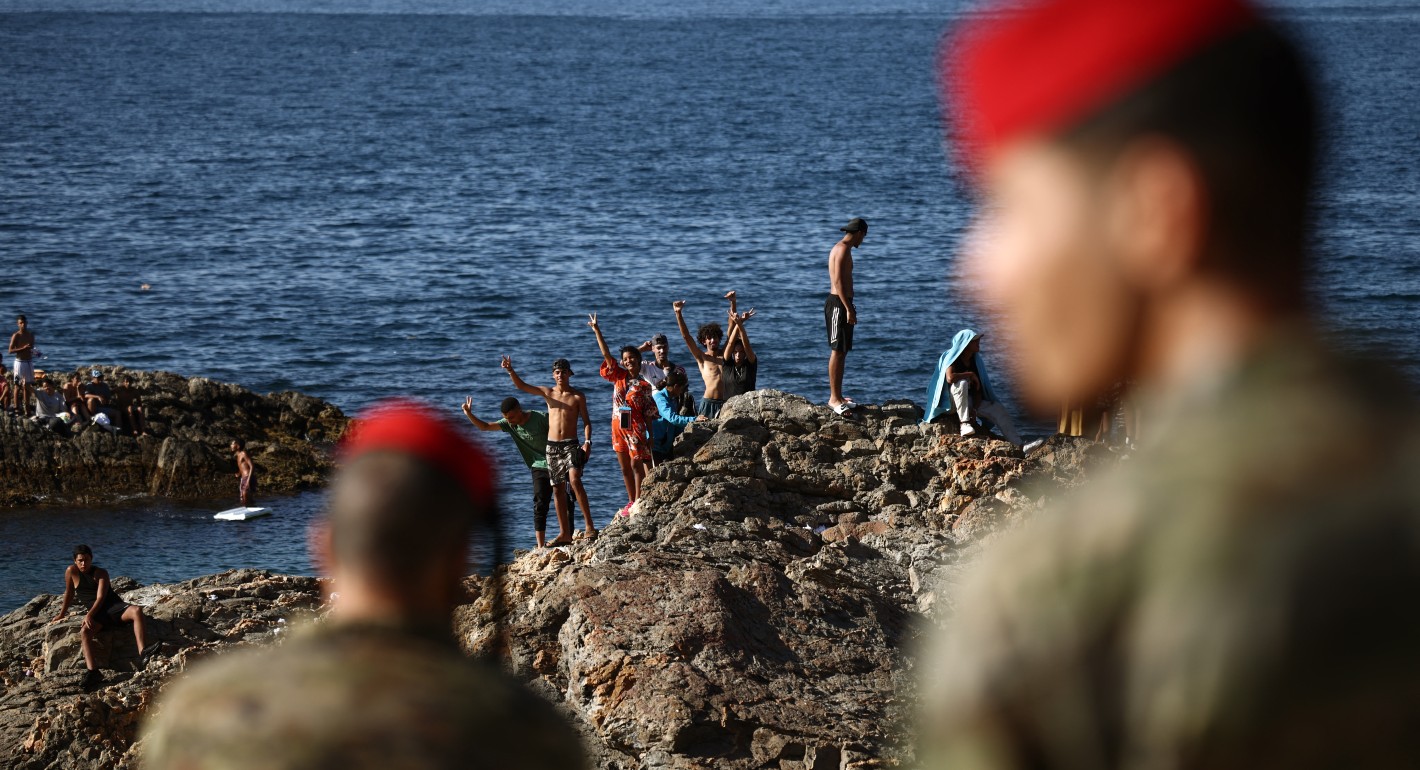
Most migrants may have left Ceuta, but the effects may linger.

Alejandro Martin Rodriguez, Sarah Yerkes
Saied’s main accomplishment has been to destroy a decade’s worth of democratic progress.
Sarah Yerkes