

Paper
Sven Behrendt
{
  "authors": [
    "Sven Behrendt"
  ],
  "type": "legacyinthemedia",
  "centerAffiliationAll": "dc",
  "centers": [
    "Carnegie Endowment for International Peace",
    "Malcolm H. Kerr Carnegie Middle East Center"
  ],
  "collections": [],
  "englishNewsletterAll": "menaTransitions",
  "nonEnglishNewsletterAll": "",
  "primaryCenter": "Malcolm H. Kerr Carnegie Middle East Center",
  "programAffiliation": "MEP",
  "programs": [
    "Middle East"
  ],
  "projects": [],
  "regions": [],
  "topics": [
    "Economy"
  ]
}
REQUIRED IMAGE
America’s choice for Barack Obama as future President of the U.S. has dramatically changed the agenda for the rest of the world in all its facets. One of them is the ongoing argument about the role that Arab Sovereign Wealth Funds should play in the global economy and beyond.
Source: Al Hayat
America’s choice for Barack Obama as future President of the U.S. has dramatically changed the agenda for the rest of the world in all its facets. One of them is the ongoing argument about the role that Arab Sovereign Wealth Funds (SWFs) should play in the global economy and beyond.
Now, after the U.S. elections, Arab sovereign investors need to raise their political awareness levels and grasp the opportunity to play a meaningful global role in a new partnership with the U.S., Europe and the rest of the world. Building up political capital is essential to enter a new phase in their international expansion strategy.
The massive rise in prices for oil and gas of the past years has enabled Arab Sovereign Wealth funds to amass massive financial wealth. The investment agencies of Saudi Arabia, Abu Dhabi, Kuwait, Qatar or Dubai have become some of the most relevant players in the world of global finance.
But the raise of Arab SWFs and the fundamental transformation of the global financial architecture caused by that rise were anything but smooth. The Western public and huge parts of its political establishment responded with a mixture of confusion and fear to the arrival of the new financial power brokers. The resulting backlash against foreign, government sponsored investments had serious policy implications as many Europeans and American regulators rushed to work out ways how to protect their national industry champions from outside control.
Global SWFs, including those from the Arab world were pushed into the defensive. They have responded with working out a voluntary code of conduct, the “Santiago Principles” that would help them to become more transparent and the rest of the world less suspicious about their true intentions. They have also threatened to turn away from Western markets and turn to Asia, searching for a more hospitable investment environment. Although legitimate in their own right, steps like these do not quite suit mature investors that seek global reach and international recognition.
Barack Obama’s initial economic plans too include greater scrutiny of investments by Sovereign Wealth Funds. This indicates that the political debate over SWFs’ market access might become even more pronounced. But Obama’s election also suggests Arab SWFs to consider alternative avenues to secure access to the world’s financial markets, including the West’s. The key element in this strategy is to build up political capital that it can use to secure access to the markets in the West and elsewhere.
Obama’s election will give a big boost to much more vigorously address key global issues - social justice, environmental sustainability, technological progress and economic development. Fighting against poverty and social inequality, working out how to reduce greenhouse gas emissions while ensuring access to affordable energy, creating economic opportunity for all and fostering technological innovation will constitute the essential elements of a joint global agenda.
The Arab world has a great opportunity to make a substantial contribution to these projects in partnership with the U.S. and others. Arab investors should use their financial strength by assuming a leadership role and build partnerships with the U.S., Europe and the rest of the world, addressing some of the most pertinent global challenges. This would build the political capital that they need to maintain access to the capital markets all over the world.
Already, the Arab world is slowly building a track record in this regard. Saudi Arabia earlier this year pledged USD 500mn to the World Food Programme in response to help it cope with the global food crisis caused by lower international grain stocks and rising energy costs that threatened to put at least 100 million more people around the world on the edge of starvation.
During PM Gordon Brown’s recent visit to the region, the Qatar Investment Authority (QIA) and the UK Carbon Trust established the Qatar-UK Clean Technology Investment Fund, due to allocate some USD 400bn in clean energy businesses. The UK Government and Abu Dhabi’s MASDAR will collaborate on the development of renewable energy and clean technology solutions. At the same time, QIA faced no problem substantially upgrading its stakes in one of the UK’s biggest bank, Barclays’, providing an illustrative example how Arab investors today can manage their political risk exposure by building up political capital through substantially contribution to a common cause – that on top in the long run could turn out to be a commercially very attractive investment decision.
There is no doubt that the Arab world needs to build up its own egg nest as long as it is still has and world still needs oil. There is also no doubt that the financial clout of the Arab world might have diminished somewhat in the past weeks with the losses incurred during the credit crisis and most notably through the dramatic decline of the price of oil most recently.
But in the not so distant future, the Arab world will restore its financial strength. As Arab investors move into the spotlight of global financial markets, they have to develop the capacity to navigate the politics that surrounds them. Making a profound contribution by addressing some of the world’s most daring problems and seeking global partnerships might turn out to be a powerful strategy to keep markets around the world open for investments.
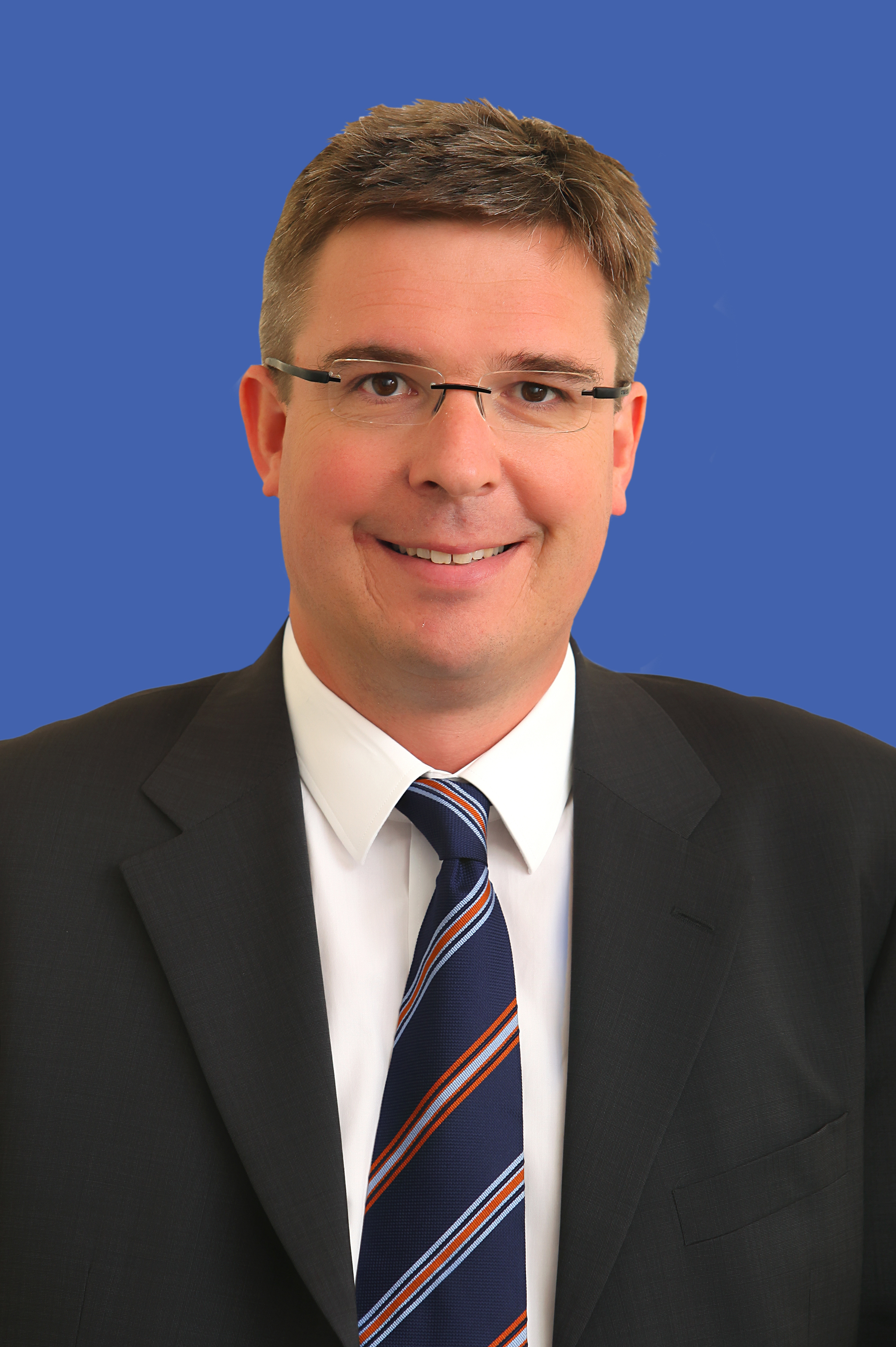
Former Visiting Scholar, Middle East Center
Behrendt is an expert in global issues, international negotiations, conflict resolution, and corporate strategy. He previously served at the World Economic Forum in various management positions.
Recent Work
Sven Behrendt
Sven Behrendt
Carnegie does not take institutional positions on public policy issues; the views represented herein are those of the author(s) and do not necessarily reflect the views of Carnegie, its staff, or its trustees.

The Plaza Accord was not an externally imposed punishment of Japan but part of a broader restructuring that Japanese economists and policymakers themselves recognized was necessary. Its effects were undermined, however, when Tokyo responded to the resulting slowdown with policies that exacerbated investment, credit expansion, and the very imbalances the adjustment was intended to resolve.

Michael Pettis
China’s banking crisis in the 2000s was resolved by transferring the costs to households through financial repression—a decision that recapitalized the banks while exacerbating the structural imbalances that continue to shape the Chinese economy today.
Michael Pettis

In the latest Five-Year Plan, the Chinese president cements the shift to an innovation-driven economy over a consumption-driven one.

Damien Ma
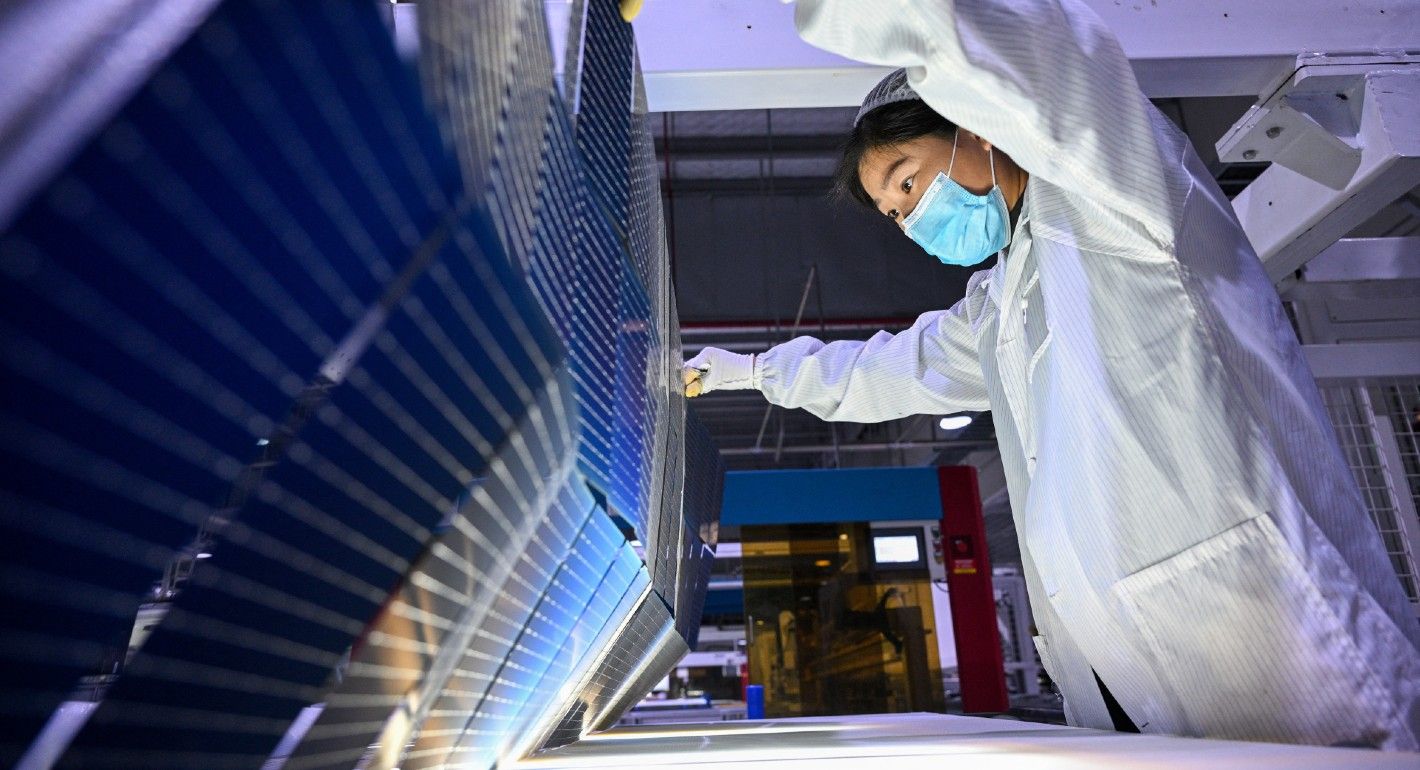
Rather than climate ambitions, compatibility with investment and exports is why China supports both green and high-emission technologies.
Mathias Larsen
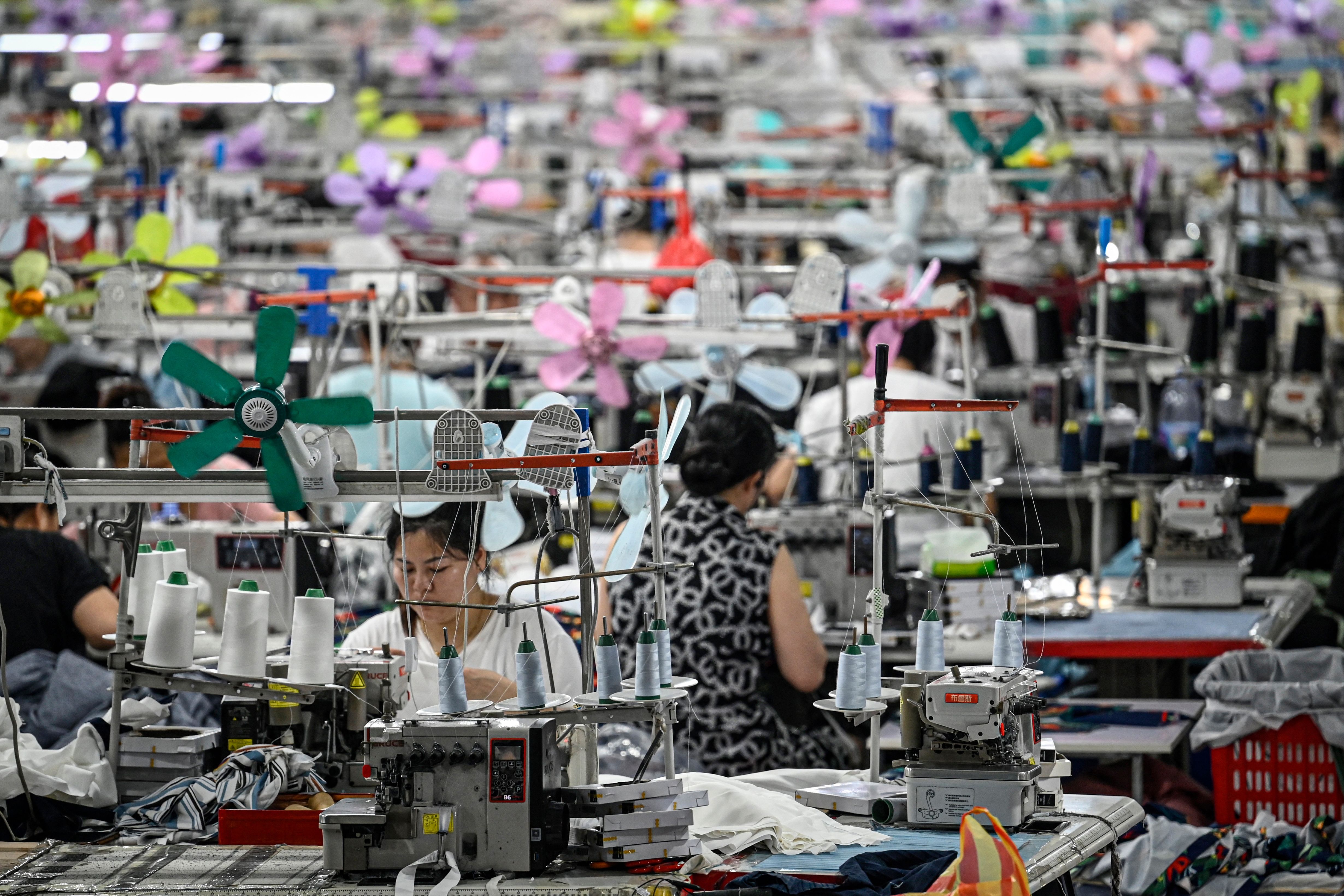
“Involution” is a new word for an old problem, and without a very different set of policies to rein it in, it is a problem that is likely to persist.
Michael Pettis